Curious why some Cincinnati homes feel instantly timeless while others read as pure personality from the curb? In this city, historic housing is not a niche corner of the market. It is a defining part of the local design story. If you are drawn to original character, layered architecture, and the idea of owning a home with visual depth, this guide will help you understand the styles, neighborhoods, and renovation realities that shape historic Cincinnati homes. Let’s dive in.
Why Cincinnati Stands Out
Cincinnati has an unusually deep historic inventory. The city lists 52 local landmarks and 26 local historic districts, and its National Register inventory includes 40 districts, 262 individually listed properties, and 11 National Historic Landmarks. For buyers, that means you can explore historic options across a wide range of home types rather than looking for a rare one-off property.
The city also identifies 18 architectural styles in its architecture manual. That matters because many homes here are not perfect textbook examples. Instead, they are blends of styles, local building traditions, and later updates, which makes design literacy especially helpful when you are comparing properties.
Older housing stock is concentrated in river and basin neighborhoods such as Over-the-Rhine, the West End, Lower Price Hill, the East End, Riverside, and Prospect Hill. Later historic growth spread into Clifton, Walnut Hills, Avondale, East Walnut Hills, Hyde Park, Pleasant Ridge, and Westwood. In practical terms, you can find everything from urban rowhouses to larger detached homes within one metro area.
Historic Styles You’ll See Most
Federal and Greek Revival
If you love restraint, symmetry, and strong proportions, these early styles are worth understanding. Cincinnati’s surviving Federal homes were often concentrated downtown near the river and waterfront, while Greek Revival examples are often simple and symmetrical, commonly built in brick or wood.
You may also see compact two-story brick rowhouse examples in places like Over-the-Rhine and Prospect Hill. These homes tend to feel more architectural than decorative. Their appeal often comes from balance, scale, and clean form rather than ornate trim.
Italianate Homes
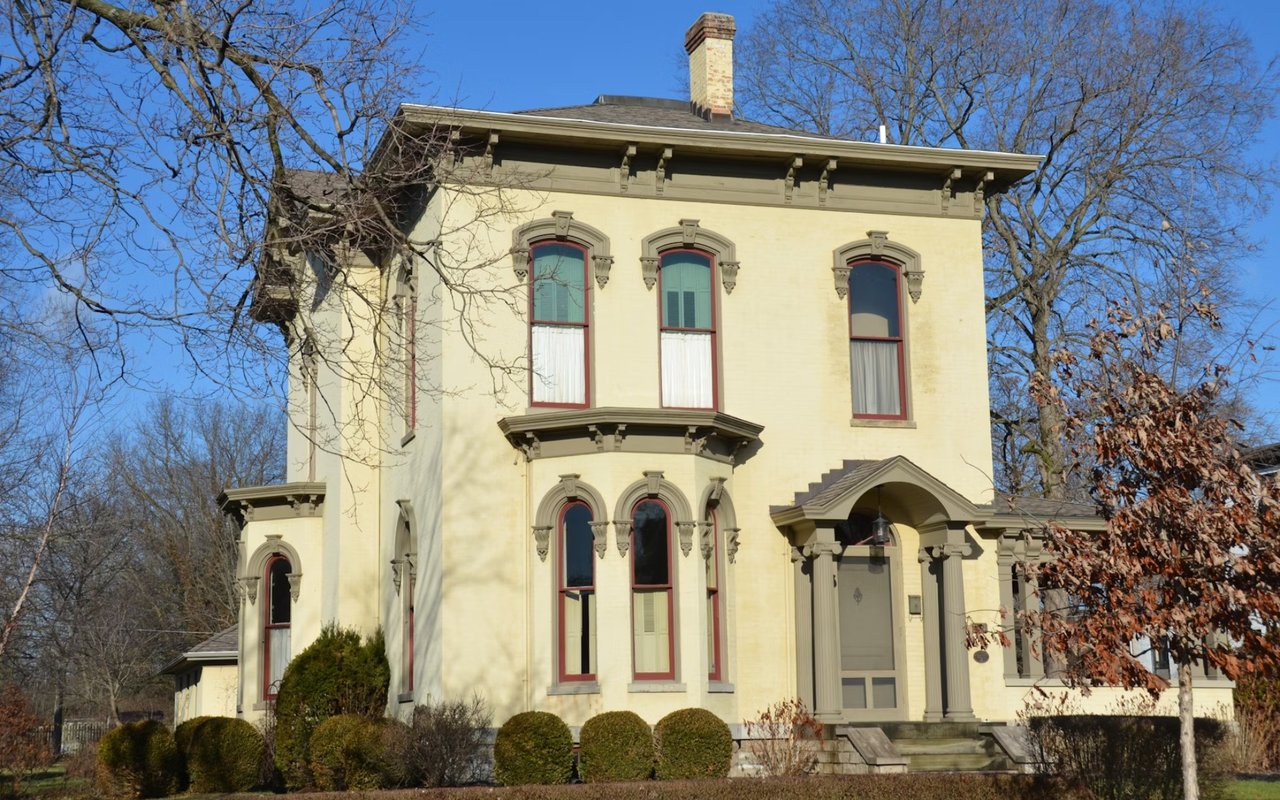
Italianate is one of Cincinnati’s signature looks. The city notes that Over-the-Rhine has one of the best collections of Italianate buildings in the United States, and the style also appears prominently in Prospect Hill, the West End, and Mount Auburn.
Typical features include two- to three-story height, vertical proportions, low roofs, bracketed cornices, and decorative window heads. For you as a buyer, that can translate into dramatic street presence, tall rooms, and beautiful historic detailing. It can also mean more exterior trim and ornament to maintain over time.
Queen Anne and Shingle
If you want visual variety, these homes often deliver it. Cincinnati’s guide describes Queen Anne and Shingle houses as asymmetrical and picturesque, with varied massing and abundant shingle or mixed-material detailing.
These styles are common in Northside, Avondale, Walnut Hills, and Clifton. You may notice complex rooflines, porches, bays, and gables that create a highly expressive exterior. That character is part of the appeal, but it also means more surfaces and details that need careful repair.
Colonial Revival
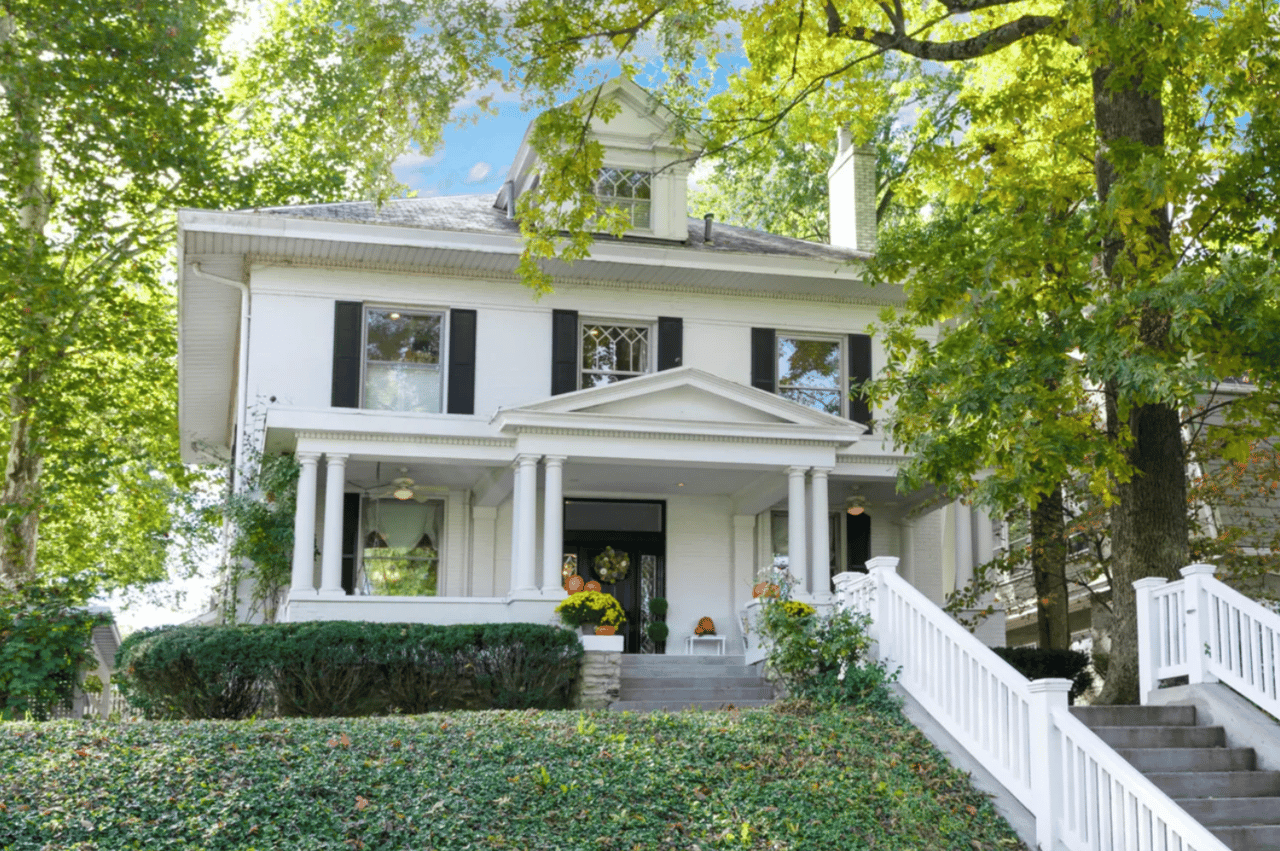
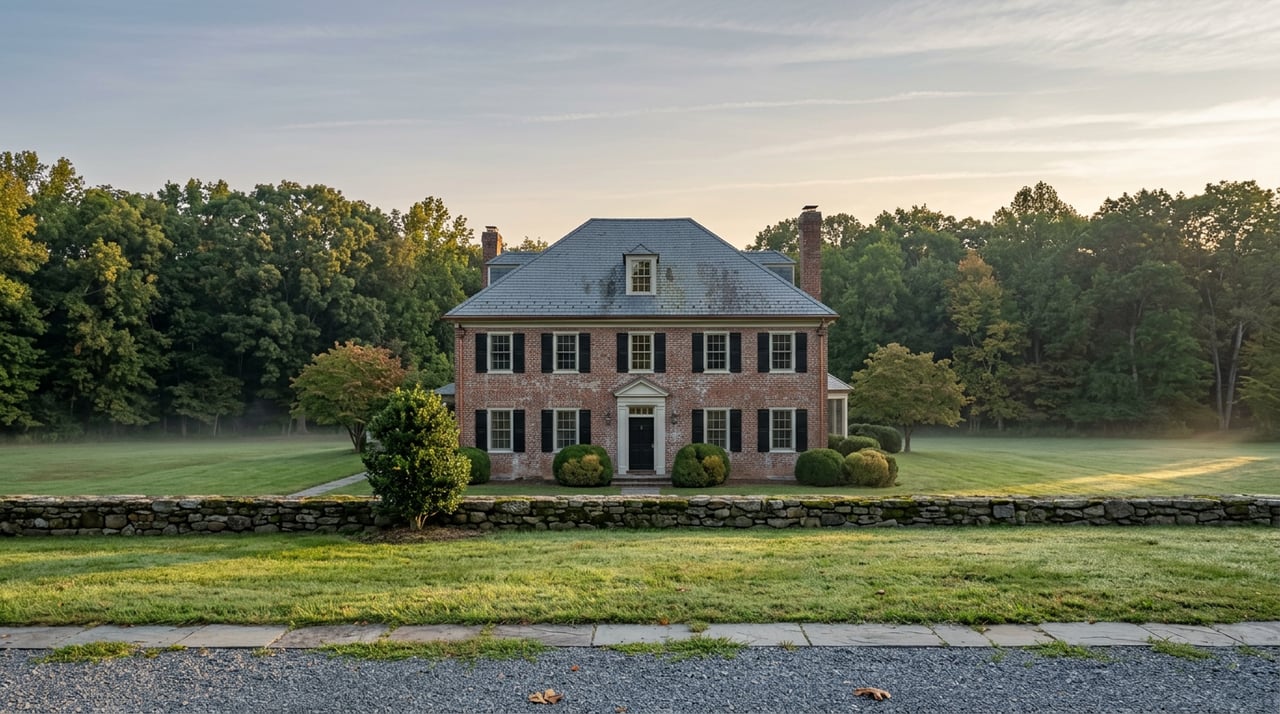
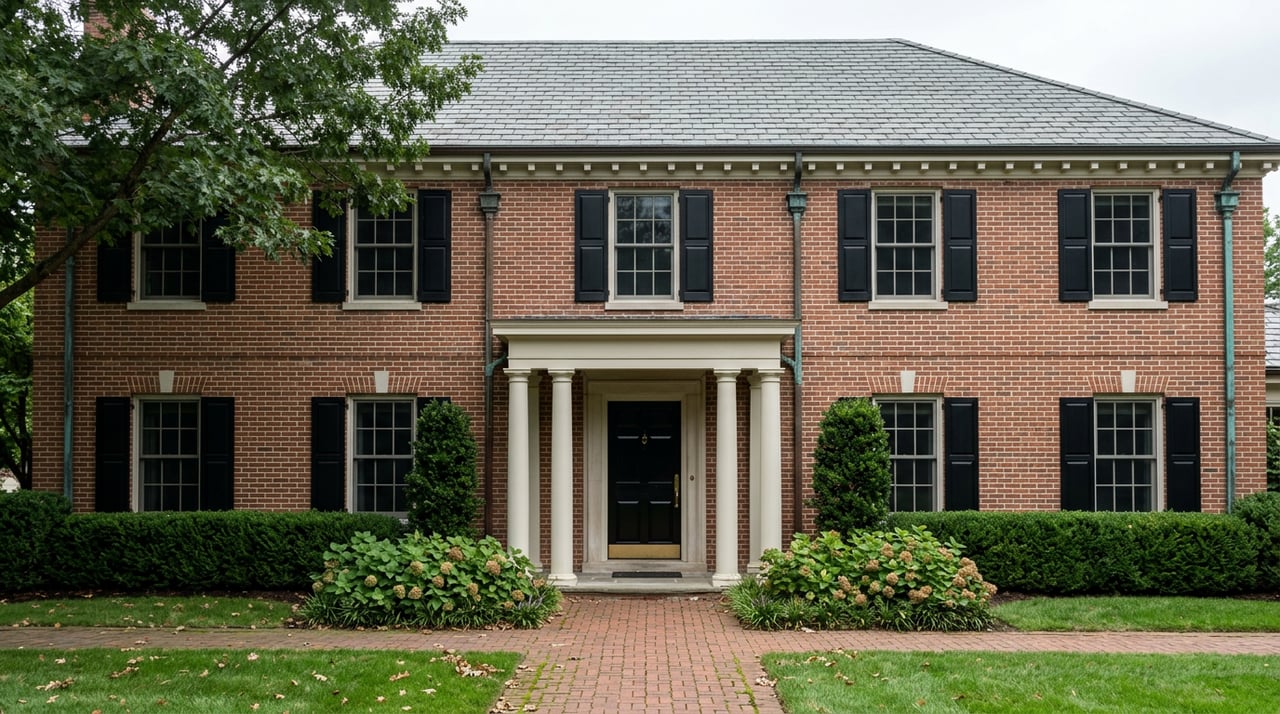
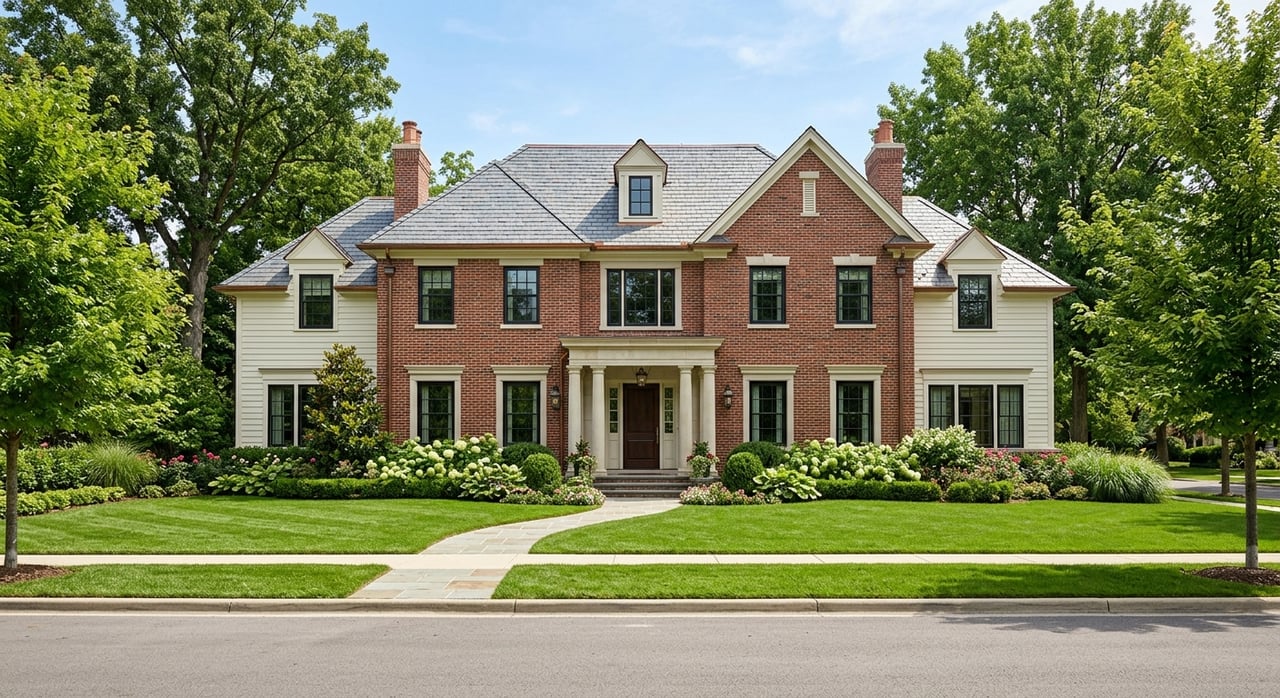
Colonial Revival has broad appeal because it feels historic and familiar at the same time. In Cincinnati, early high-style examples were built in Clifton, Hyde Park, and East Walnut Hills, while simpler versions later spread into Pleasant Ridge, Oakley, and parts of Clifton and Price Hill.
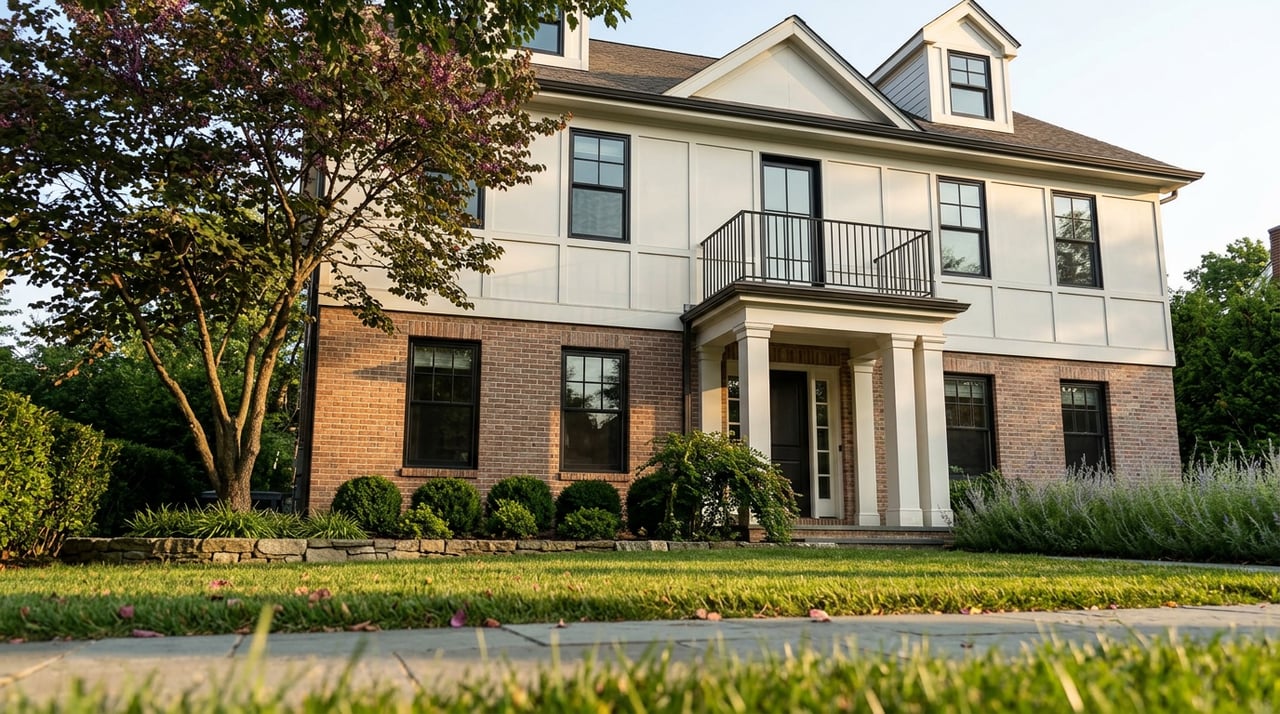
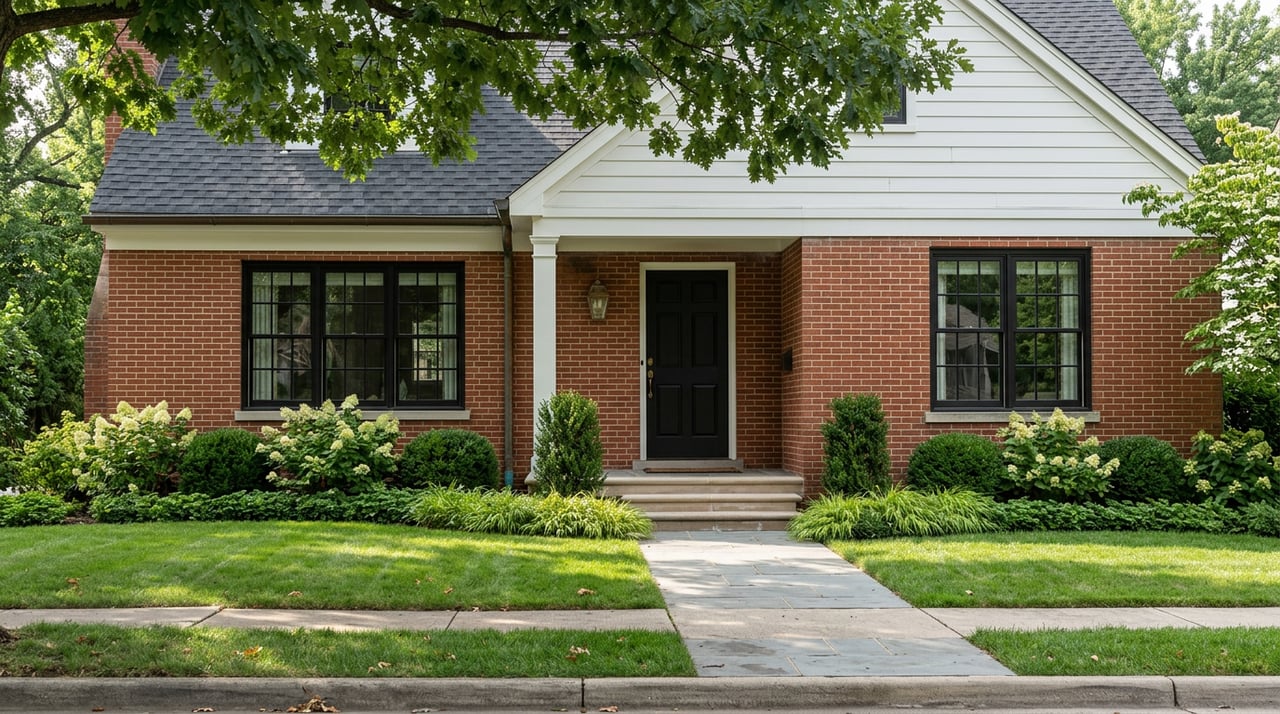
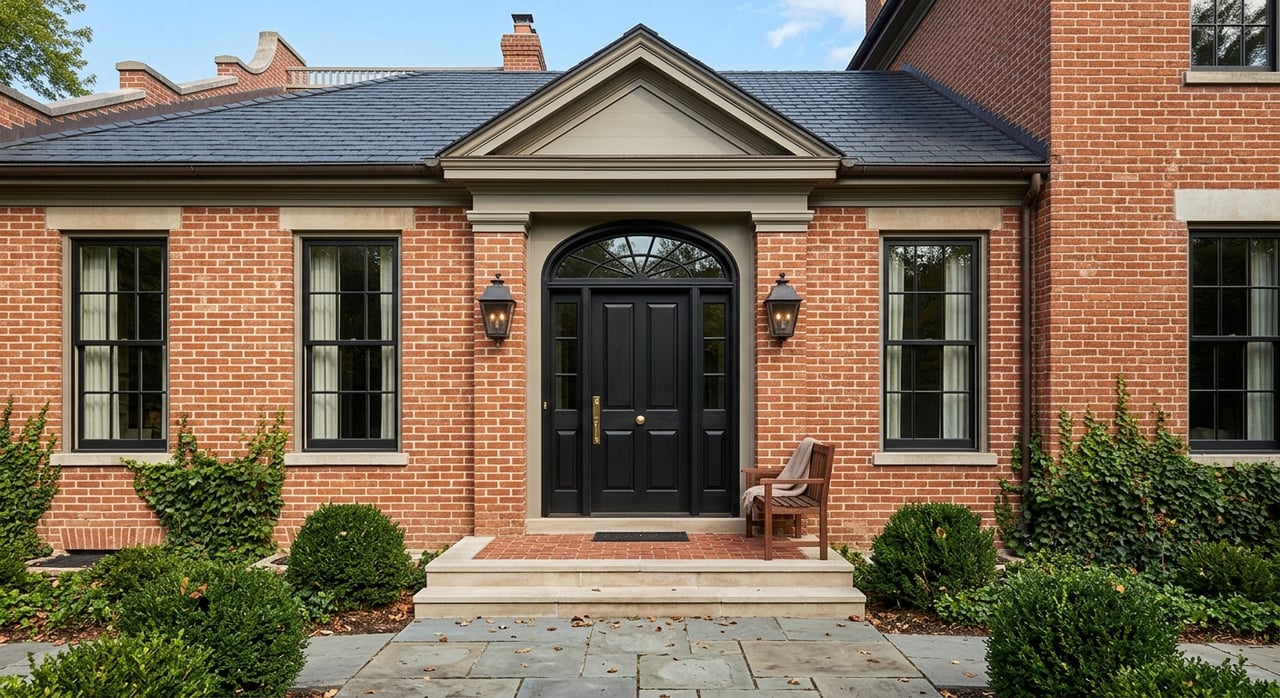
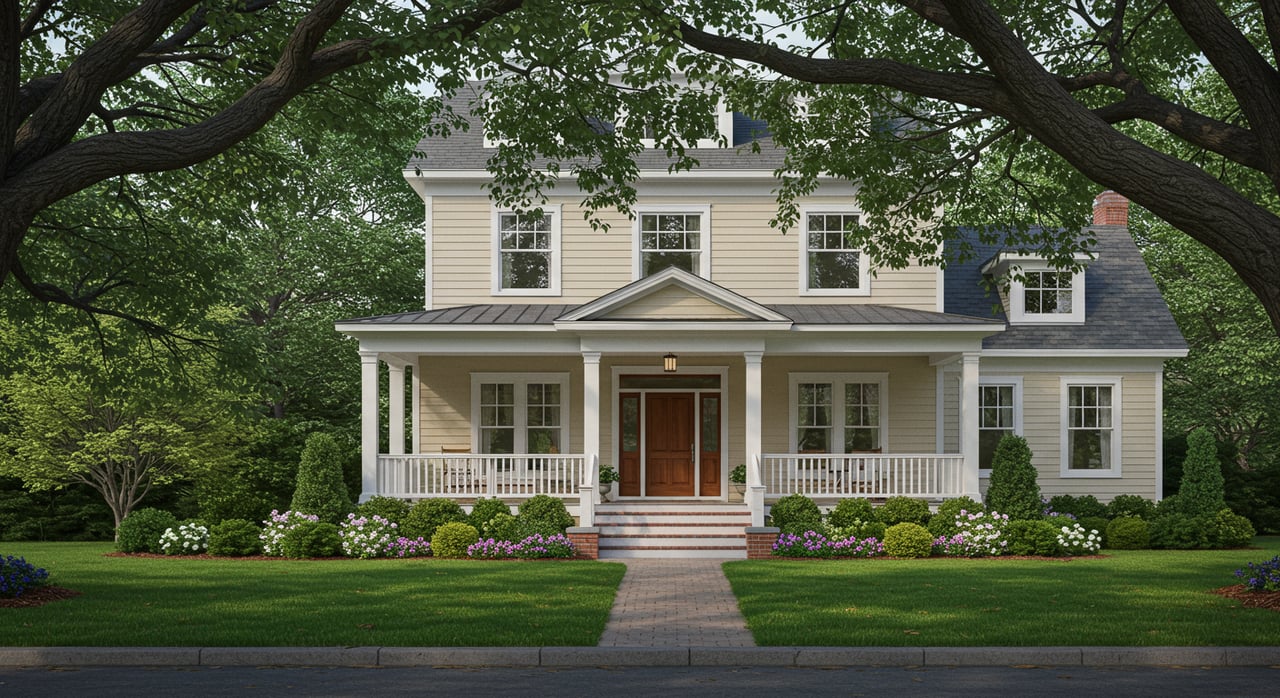
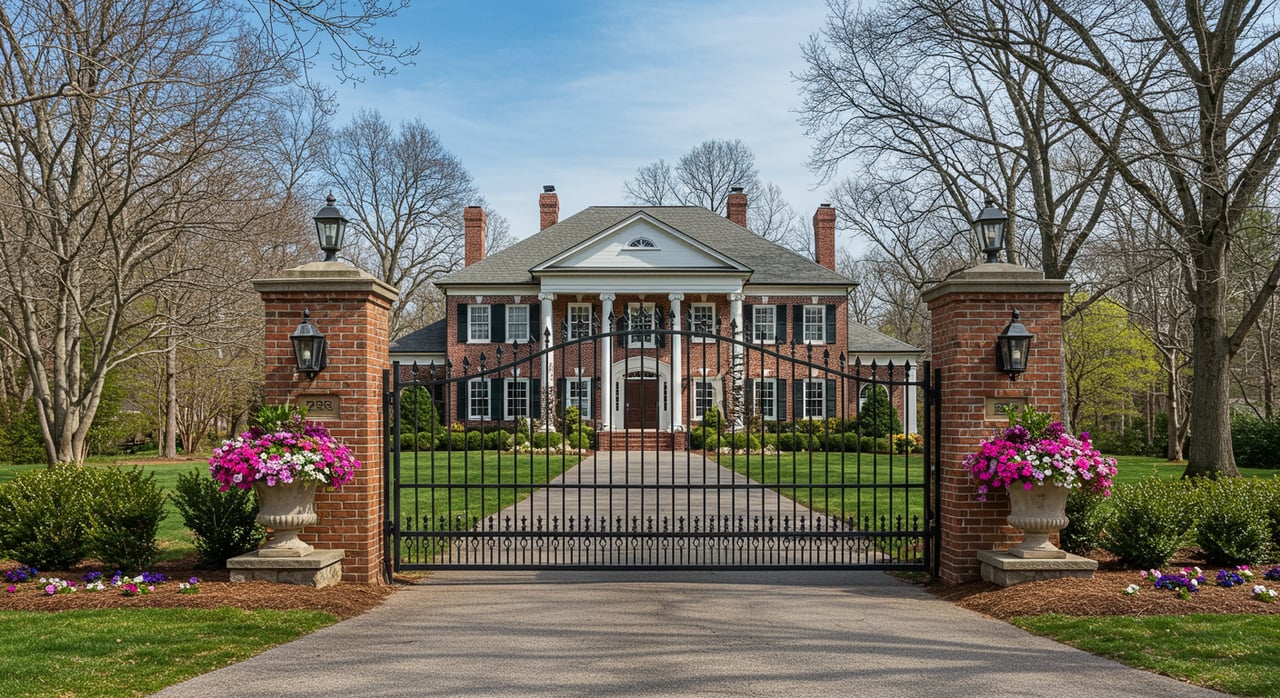
These homes are often formal and symmetrical, with brick or clapboard exteriors, gable or hip roofs, dormers, porticos, sidelights, and transoms. If you are looking for a traditional style with historic character that may be less maintenance-heavy than highly ornamented Victorian houses, this is often a strong fit.
Tudor Revival
Tudor Revival homes usually stand out right away. The style often includes steep roofs, half-timbering, stucco or stone walls, irregular plans, multi-pane or casement windows, and prominent chimneys.
Cincinnati’s city guide says Tudor Revival was one of the most popular early 20th-century styles in the city, especially in Clifton, Mount Lookout, and Hyde Park. These homes often offer memorable curb appeal and cozy, distinctive interiors. At the same time, original slate, stucco, and masonry may require more specialized repair work.
Bungalow and Craftsman-Influenced Homes
Not every historic home in Cincinnati is grand or formal. Bungalows are an important part of the city’s older housing story, especially for buyers who want scale, charm, and a more approachable entry point into historic ownership.
The city describes the bungalow as a square or rectangular one-and-a-half-story house with a low roof, wide overhangs, porch supports, and an emphasis on craftsmanship. They became widespread by 1910 and are especially common in Pleasant Ridge, Westwood, and Oakley.
Mixed Styles Matter in Cincinnati
One of the most useful things to know is that Cincinnati homes often mix styles while still feeling cohesive. The city explicitly cautions that style labels are approximate, and many homes are composites, vernacular interpretations, or houses built after a style’s peak.
That means style should guide how you read a home’s design and renovation needs, not act as a perfect dating tool. A mixed-style house can still have strong architectural integrity. In fact, some of the most compelling homes are the ones that combine period influences in a way that feels natural to the street and neighborhood.
East Walnut Hills is a great example. The district includes Colonial Revival, Tudor Revival, English Country Revival, Second Renaissance Revival, Queen Anne, Spanish Revival, Dutch Revival, and Bungalow examples, yet the neighborhood still reads as visually coherent because of lot patterns, mature trees, and consistent site design.
How to Shop Historic Homes With a Design Eye
When you tour a historic home, it helps to look beyond finishes and ask what gives the house its identity. Paint colors and furnishings can change. Core architectural features usually tell you more about long-term design value.
Focus on details like:
- Window shape and proportion
- Roofline and massing
- Original masonry or siding patterns
- Cornices, brackets, gables, and porch details
- Entry placement and symmetry
- Interior ceiling height and room proportions
- Surviving original materials
A thoughtful renovation usually works with those elements instead of fighting them. If a home has been updated, ask yourself whether the changes respect the house’s form and scale or erase what made it distinctive in the first place.
What Renovating a Historic Home Can Involve
If the home is in a Cincinnati local historic district, the review process matters. The city states that no person may make an alteration, demolition, or environmental change within a historic site or district without first obtaining a Certificate of Appropriateness, often called a COA.
That review can apply to more than major additions. Depending on the work, it may affect exterior permits, painting, masonry cleaning, landscaping and site improvements, lighting, signs, public improvements, parking lots, and some interior permits if they create an exterior change or involve a designated interior.
The good news is that ordinary maintenance or repair that does not alter the building’s appearance generally does not require a COA. Still, before you plan changes, it is smart to confirm exactly how the property is designated and what review may apply.
Not All Historic Status Works the Same Way
This is one of the most important distinctions for buyers. A property can be historic-looking, National Register-listed, or locally designated, and those are not the same thing.
National Register listing by itself does not restrict what a non-federal owner can do. Cincinnati local historic designation is what triggers local review. If you are considering exterior work, confirm the property’s status early so your design goals match the approval process.
What the City Looks For
Cincinnati’s district guidelines are not meant to freeze a neighborhood in time. Instead, they emphasize compatibility. Additions and new construction should fit the original building and the surrounding district in materials, form, scale, height, detailing, and siting.
The guidelines repeatedly favor repair over replacement. They also discourage inventing features that may never have existed and encourage new work to read as contemporary but compatible, rather than imitating historic design in a way that feels false.
Why Original Materials Matter
For design-conscious buyers, original materials are often where the value lives. The city’s guidance and national preservation standards both support repairing deteriorated historic features rather than replacing them whenever possible.
That approach is especially relevant for windows. National Park Service guidance says repair should be the first option, and occupant operation, code issues, or energy performance alone are not, by themselves, reasons to replace a historic window. In other words, what may look old at first glance can still be an asset worth preserving.
Practical Maintenance Expectations
Historic homes reward thoughtful ownership, but they do ask more of you. Exterior trim, masonry, stucco, slate, wood windows, porches, and decorative details can require specialized maintenance depending on the style and condition of the house.
You should also keep lead-safe practices in mind. According to the EPA, 87% of homes built before 1940 and 24% of homes built from 1960 to 1978 have some lead-based paint. If renovation or repair work will disturb old paint, lead-safe practices are important, and covered projects should use lead-safe certified firms.
Resale and Long-Term Value
Historic homes often have strong emotional appeal, but design alone should not drive your decision. Cincinnati’s historic conservation mission explicitly includes encouraging investment, revitalizing neighborhoods, and stabilizing and improving property values. That is not a guarantee, but it does show how the city views preserved streetscapes and architectural character.
Research on resale value generally points to a potential premium for historic designation, though results are not uniform across every market. The safest takeaway is simple: historic status can support resale, but location, condition, and the quality of renovation still matter most.
Tax Credit Context to Know
If you are exploring a major rehab, incentives may come up in your research. The federal Historic Preservation Tax Credit is a 20% credit for rehabilitation of certified historic structures used for income-producing purposes, and owner-occupied residences do not qualify.
Ohio also has a separate Historic Preservation Tax Credit program administered by the Ohio Department of Development with State Historic Preservation Office review. It is a competitive program, and Ohio notes that applications are accepted biannually in March and September.
The Design Takeaway for Cincinnati Buyers
Cincinnati is a remarkable city for buyers who care about architecture. You can find disciplined early rowhouses, richly detailed Italianates, expressive Queen Anne homes, polished Colonial Revivals, storybook Tudors, and approachable bungalows, often within a short drive of one another.
The real opportunity is knowing how to separate surface updates from lasting design value. When you understand style, materials, and local review rules, you are better equipped to buy a home you will love living in and feel confident maintaining over time.
If you are considering a historic or architecturally distinctive home in Cincinnati, working with a team that understands presentation, character, and long-term marketability can make the search much more focused. For tailored guidance on buying or selling a design-driven home, connect with Julia Wesselkamper.
FAQs
What architectural styles are common in historic Cincinnati homes?
- Common styles include Federal, Greek Revival, Italianate, Queen Anne, Shingle, Colonial Revival, Tudor Revival, and Bungalow or Craftsman-influenced homes.
What Cincinnati neighborhoods have many historic homes?
- Older historic housing is concentrated in areas such as Over-the-Rhine, the West End, Lower Price Hill, the East End, Riverside, and Prospect Hill, with later historic growth in Clifton, Walnut Hills, Avondale, East Walnut Hills, Hyde Park, Pleasant Ridge, and Westwood.
What is a Certificate of Appropriateness for Cincinnati historic homes?
- A Certificate of Appropriateness is the city approval required for certain alterations, demolitions, or environmental changes within a local historic site or district.
Does National Register status restrict changes to a Cincinnati historic home?
- National Register listing by itself does not restrict what a non-federal owner can do, while local historic designation in Cincinnati is what triggers local design review.
Are historic windows worth keeping in a Cincinnati home renovation?
- In many cases, yes. City guidance and national preservation standards favor repair over replacement when possible, and historic windows are often an important part of a home’s design character.
Do owner-occupied Cincinnati historic homes qualify for the federal historic tax credit?
- No. The federal Historic Preservation Tax Credit applies to certified historic structures used for income-producing purposes, not owner-occupied residences.