By The Julia Wesselkamper Group
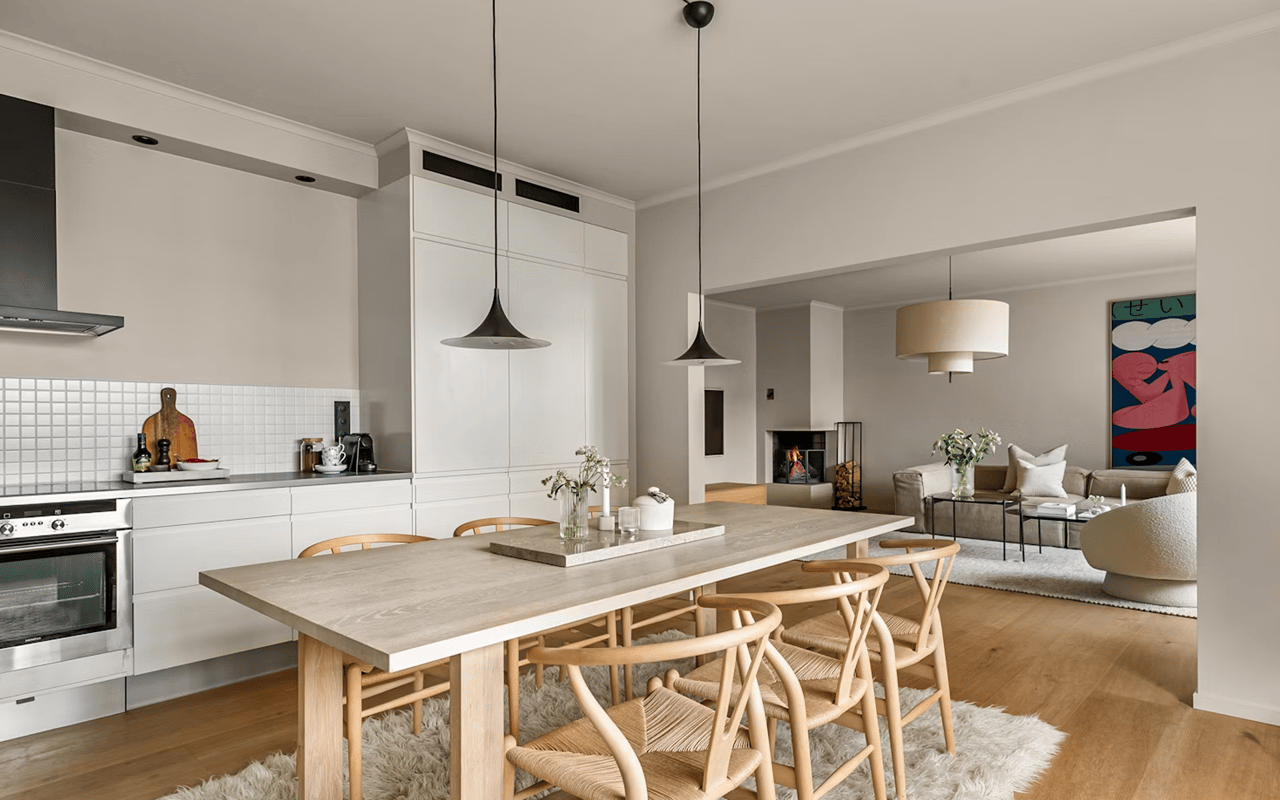
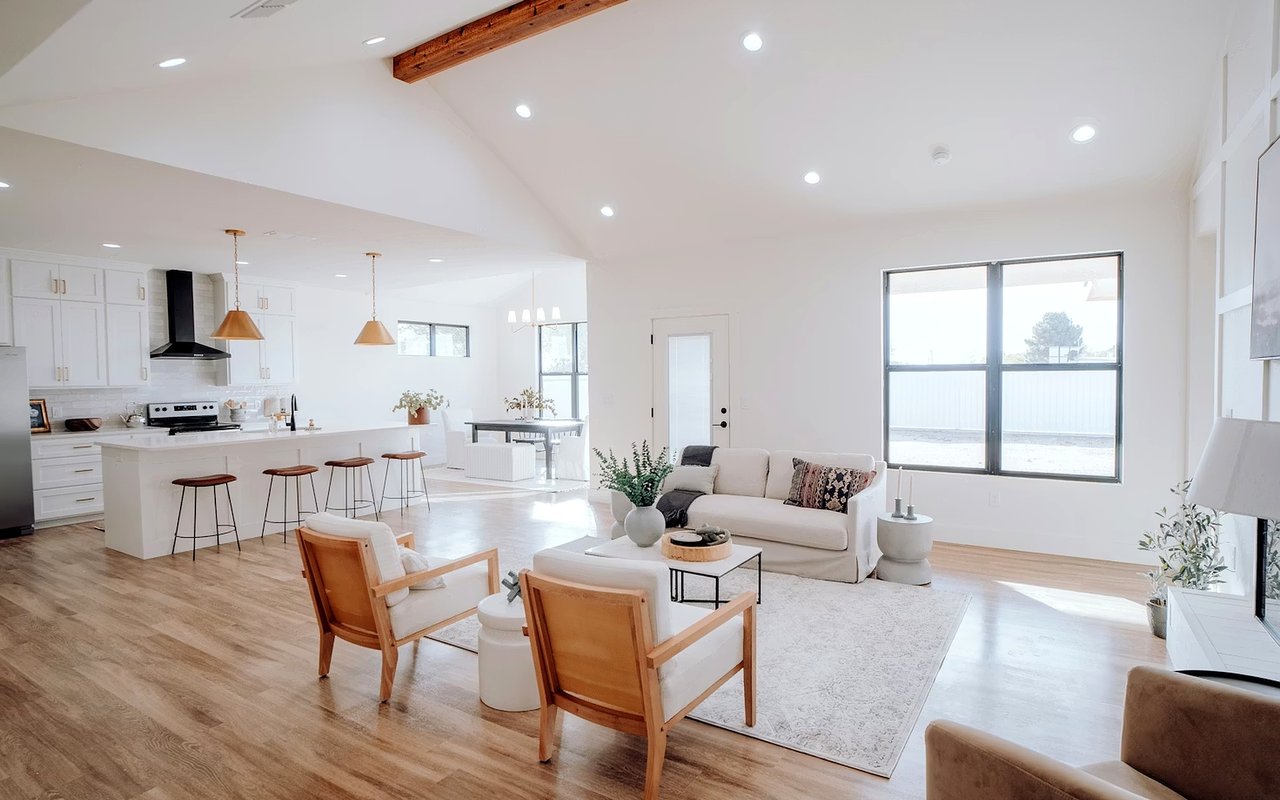
Open living spaces have become one of the most requested features among Cincinnati homebuyers, and it is easy to understand why. When the kitchen flows into the dining area and the living room connects to both, everyday life gets easier. You can keep an eye on what is happening across the room, host without disappearing into the kitchen, and move through your space without feeling like you are navigating a series of separate compartments. The result is a home that feels bigger, more connected, and more livable.
That said, designing a functional open living space is more nuanced than simply knocking down a wall. Without careful planning, an open layout can feel chaotic or visually disjointed. The challenge is not opening up the space; it is organizing it so that each zone still feels purposeful and defined, even without walls to separate them.
Whether you are renovating a classic home, finishing a basement with an open footprint, or updating a newer construction property, the principles for designing a useful open living space remain consistent. Here is what you need to know before you start planning.
Key Takeaways
-
Defining distinct zones within an open floor plan is essential to making the layout feel intentional rather than formless.
-
Consistent flooring, cohesive color palettes, and thoughtful furniture placement do more to unify an open space than almost any other design choice.
-
Lighting strategy — layered and zone-specific — is one of the most overlooked elements of open living design.
-
Traffic flow planning prevents the most common open-layout frustration: a space that looks great but functions poorly.
-
Working with your home's existing architecture will always produce a more polished result than fighting against it.
Start With Zones, Not Furniture
The first step in designing a functional open living space is not picking out a sectional or choosing paint colors. It is mapping out your zones.
In a typical open-concept layout, you are working with at least three distinct activity areas: cooking, dining, and lounging. Each one needs to feel like its own defined space, even though there are no walls separating them.
Think about how you actually use each area at different times of day. The kitchen island might serve as a prep area in the afternoon and a casual breakfast spot in the morning. The dining table might double as a creative station. The living area might shift from a relaxed evening space to a more active zone on weekends. Designing around how you live, rather than how a room looks in a catalog, produces results that hold up over time.
The existing bones of the house will shape where your zones naturally land. Work with load-bearing walls, natural light sources, and traffic patterns rather than imposing a layout that requires the space to do something it was not built for.
In a typical open-concept layout, you are working with at least three distinct activity areas: cooking, dining, and lounging. Each one needs to feel like its own defined space, even though there are no walls separating them.
Think about how you actually use each area at different times of day. The kitchen island might serve as a prep area in the afternoon and a casual breakfast spot in the morning. The dining table might double as a creative station. The living area might shift from a relaxed evening space to a more active zone on weekends. Designing around how you live, rather than how a room looks in a catalog, produces results that hold up over time.
The existing bones of the house will shape where your zones naturally land. Work with load-bearing walls, natural light sources, and traffic patterns rather than imposing a layout that requires the space to do something it was not built for.
Questions to Ask Before You Place Furniture
-
How many people regularly use this space at the same time, and what are they doing?
-
Where does natural light enter throughout the day, and how does that affect where you want to spend time?
-
What is the primary traffic path through the space?
-
Are there any existing architectural features — a fireplace, a bay window, a staircase — that should anchor a zone?
-
How much visual and acoustic separation do you want between the kitchen and living areas?
Use Furniture to Define Without Dividing
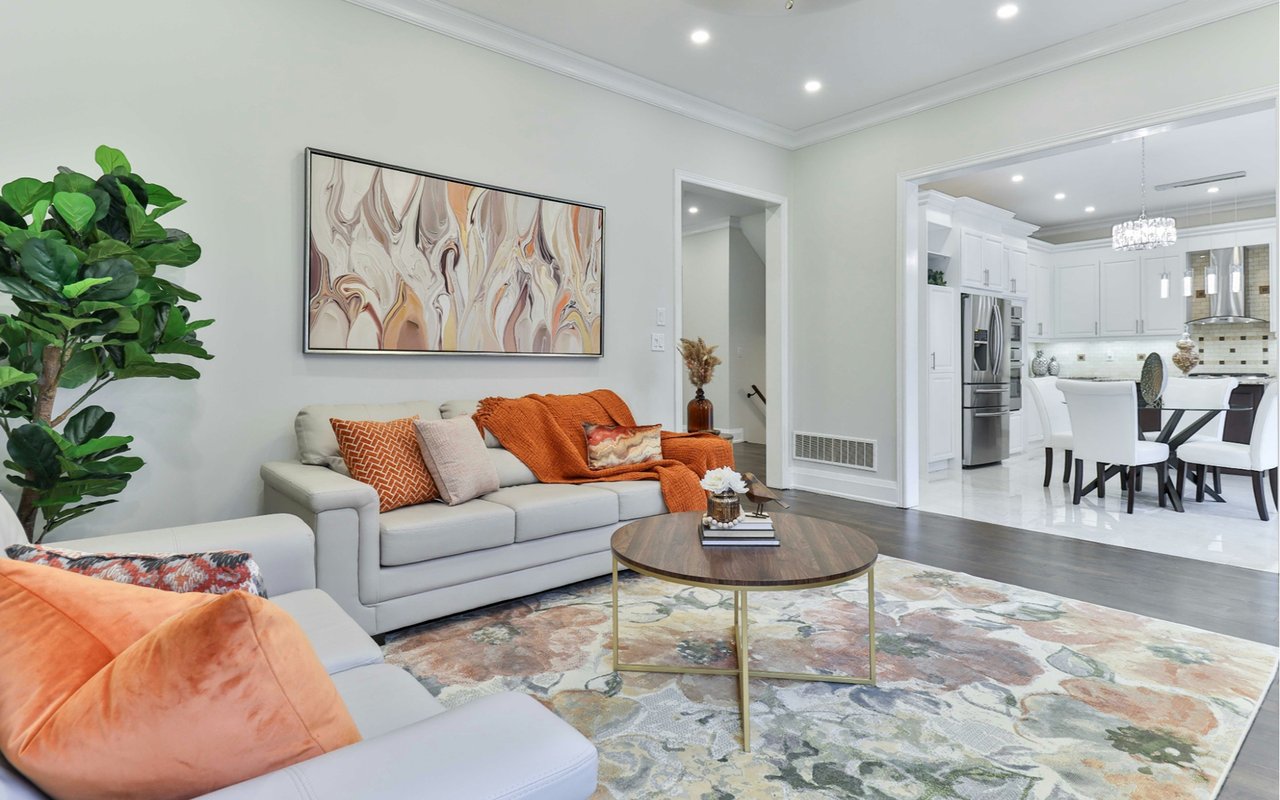
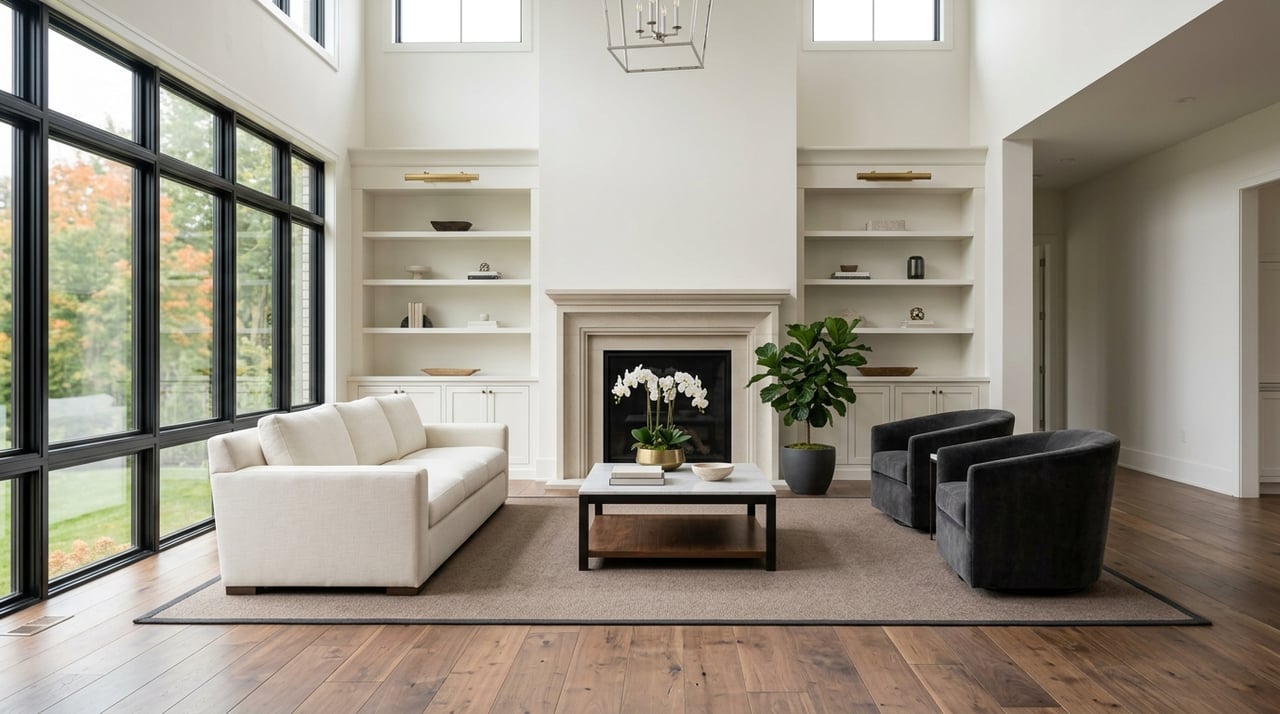
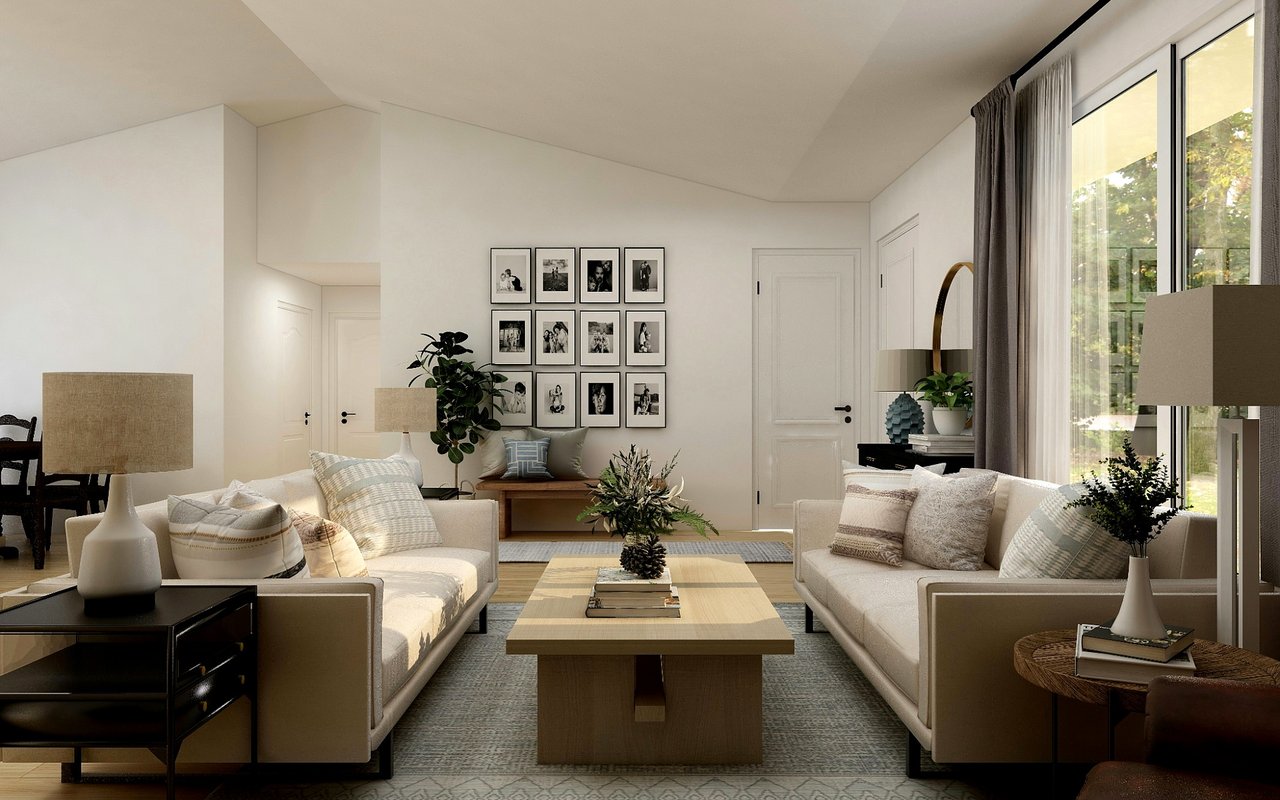
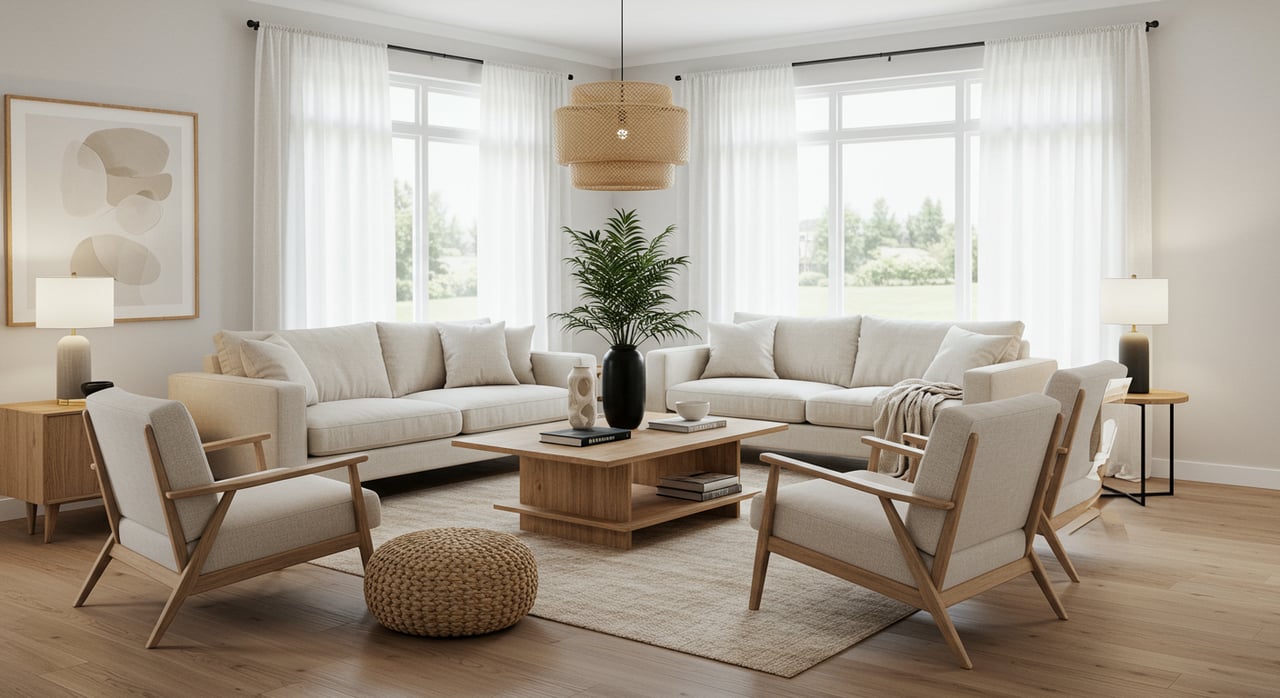
Once your zones are mapped out, furniture becomes your primary tool for creating separation and structure. In an open floor plan, a large area rug does more organizational work than most people realize. Placed under a sectional and coffee table, it signals to the eye that this is the living area. A separate rug under the dining table reinforces the dining zone. Together, they create visual boundaries without a physical barrier.
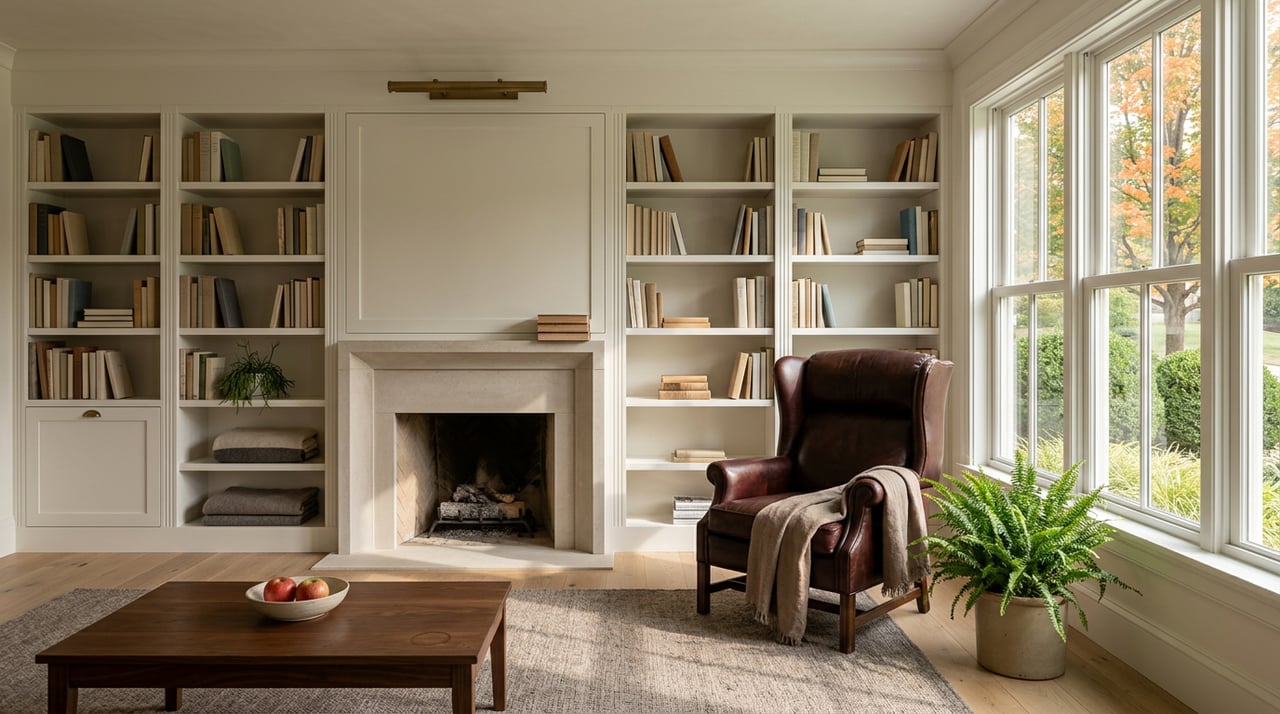
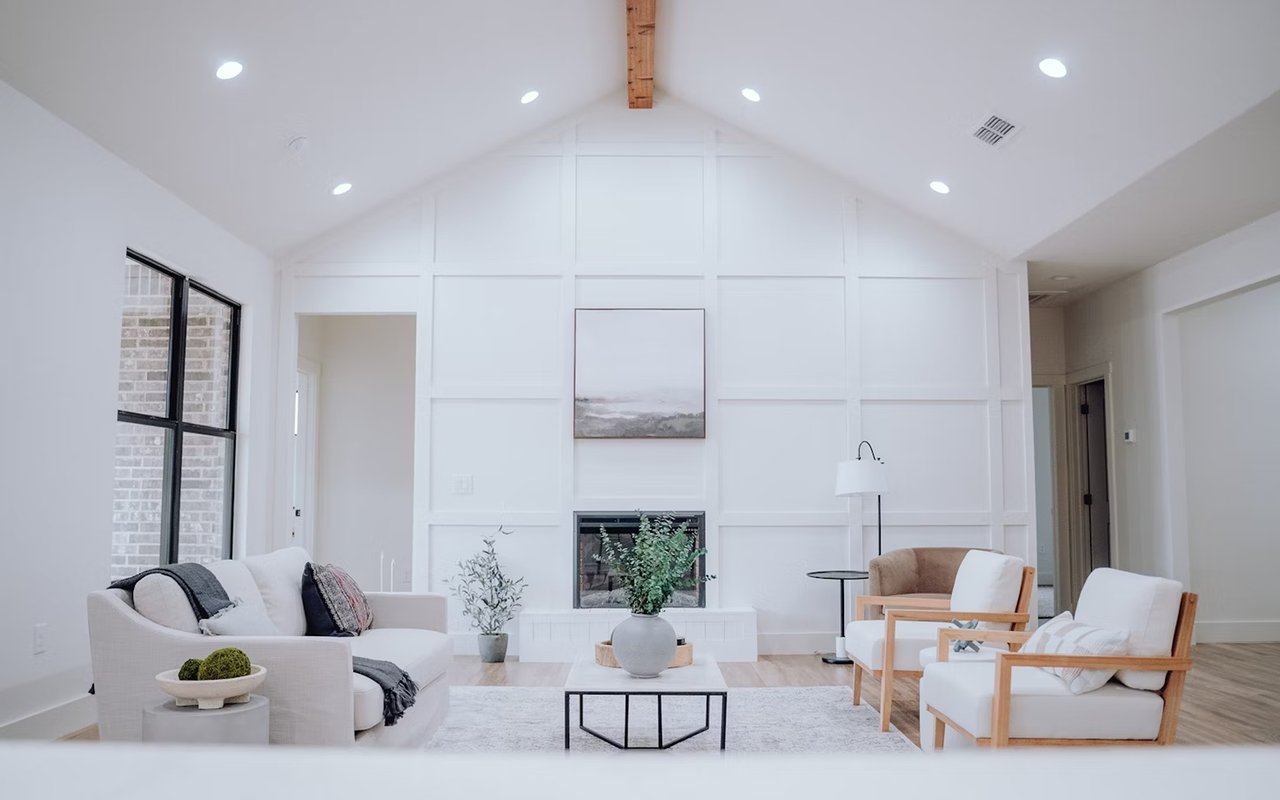
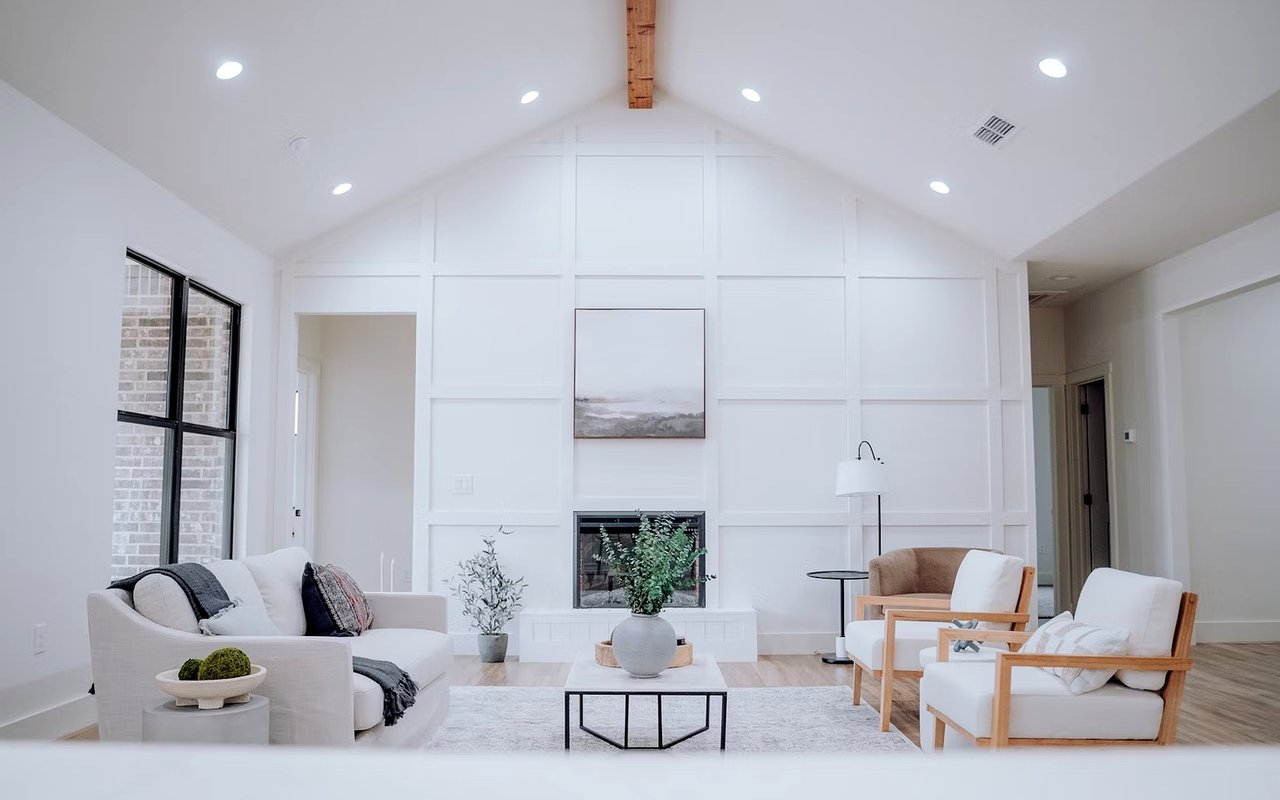
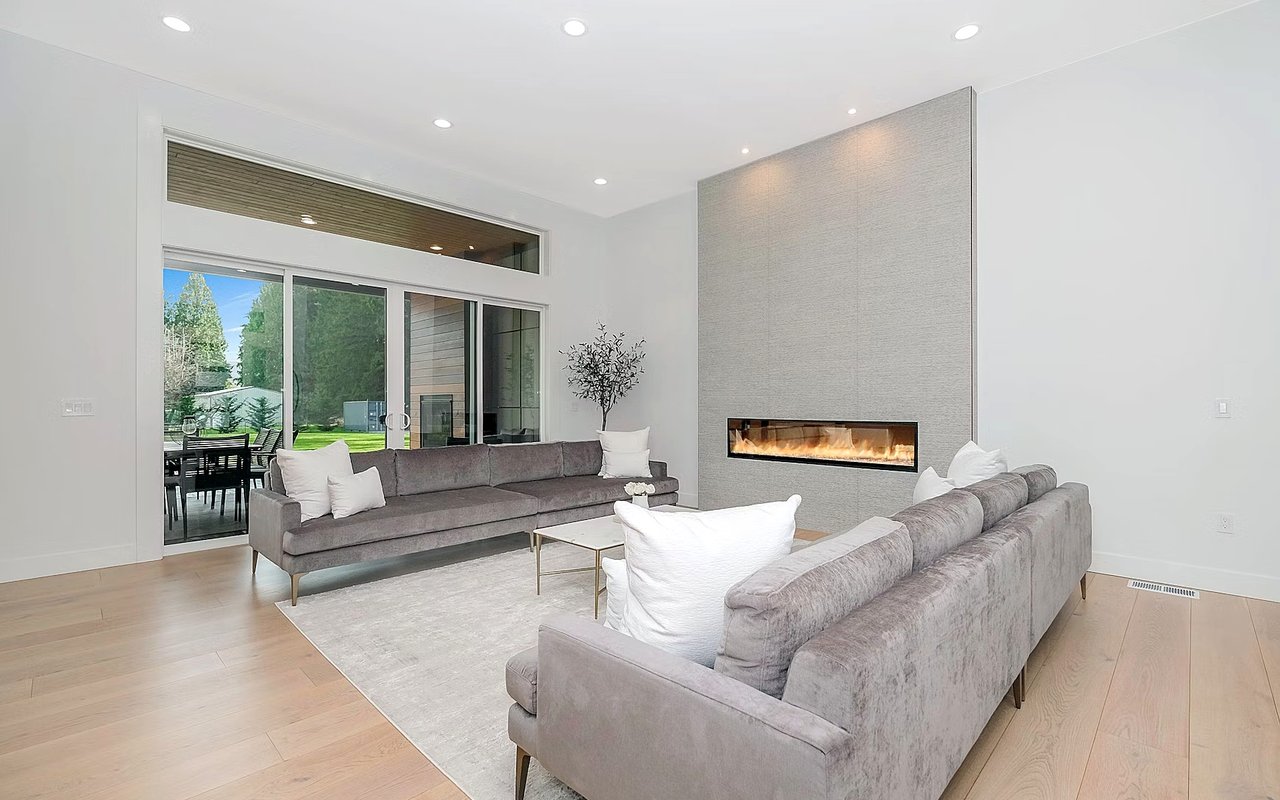
The orientation of your furniture matters just as much as what you choose. Sofas and chairs angled toward a focal point — perhaps a fireplace, a television wall, or a view out toward a backyard — create a cohesive seating arrangement that feels intentional. Furniture pushed flat against every wall tends to make an open layout feel like a waiting room rather than a living space.
Scale is another area where open living spaces require more thought than a traditionally divided floor plan. Undersized furniture gets lost in a large footprint, making the space feel underfurnished or disjointed. Choose pieces with visual presence. A generous sectional, a substantial dining table, and a statement light fixture over the island each carry their own visual weight and help the space feel complete.
The orientation of your furniture matters just as much as what you choose. Sofas and chairs angled toward a focal point — perhaps a fireplace, a television wall, or a view out toward a backyard — create a cohesive seating arrangement that feels intentional. Furniture pushed flat against every wall tends to make an open layout feel like a waiting room rather than a living space.
Scale is another area where open living spaces require more thought than a traditionally divided floor plan. Undersized furniture gets lost in a large footprint, making the space feel underfurnished or disjointed. Choose pieces with visual presence. A generous sectional, a substantial dining table, and a statement light fixture over the island each carry their own visual weight and help the space feel complete.
Furniture Choices That Work Well in Open Layouts
-
Sectionals with a defined chaise or arm configuration that anchors the living zone.
-
Dining tables with enough surface area to feel substantial but not so large that they block circulation paths.
-
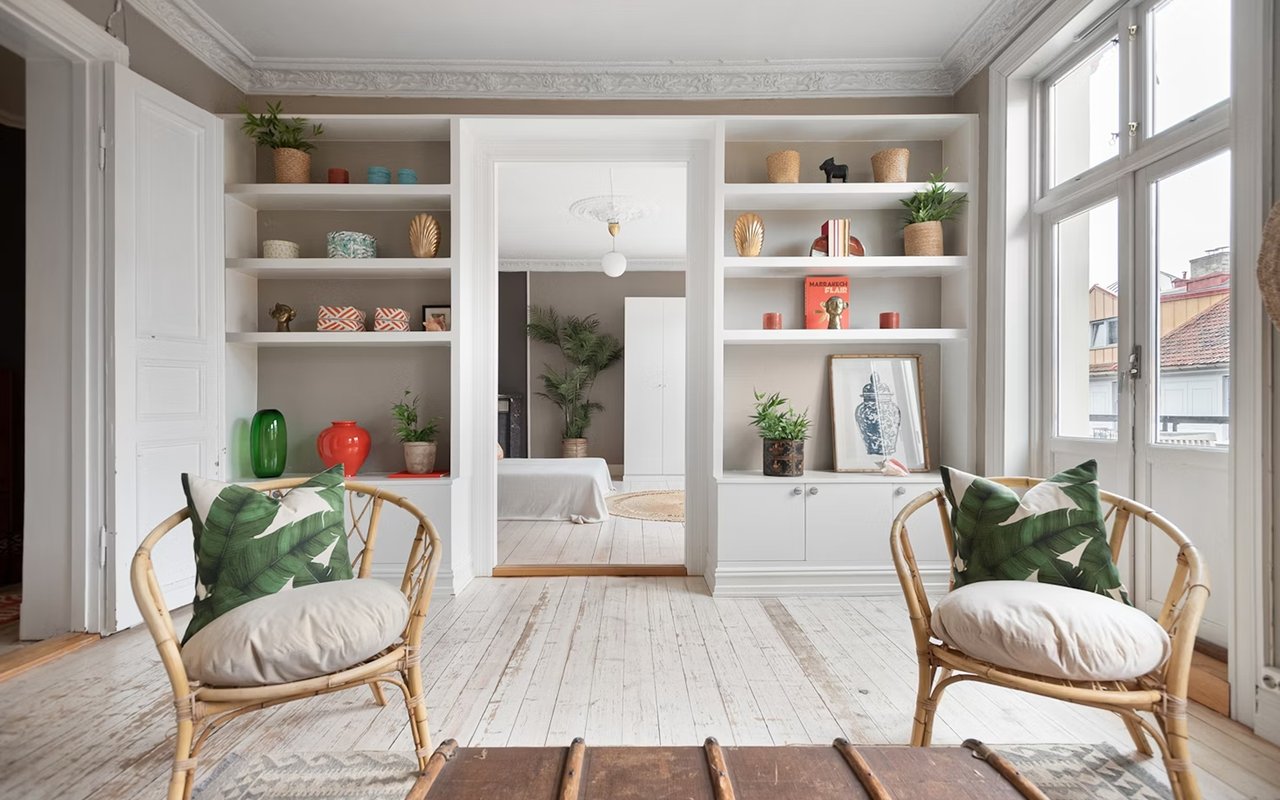
Open-back shelving units or low credenzas that provide soft visual separation between zones while keeping sightlines open.
-
Benches or ottomans at zone boundaries that can serve as extra seating without creating obstacles.
-
Console tables positioned behind sofas to signal the edge of the living zone and provide surface storage.
Get the Lighting Right
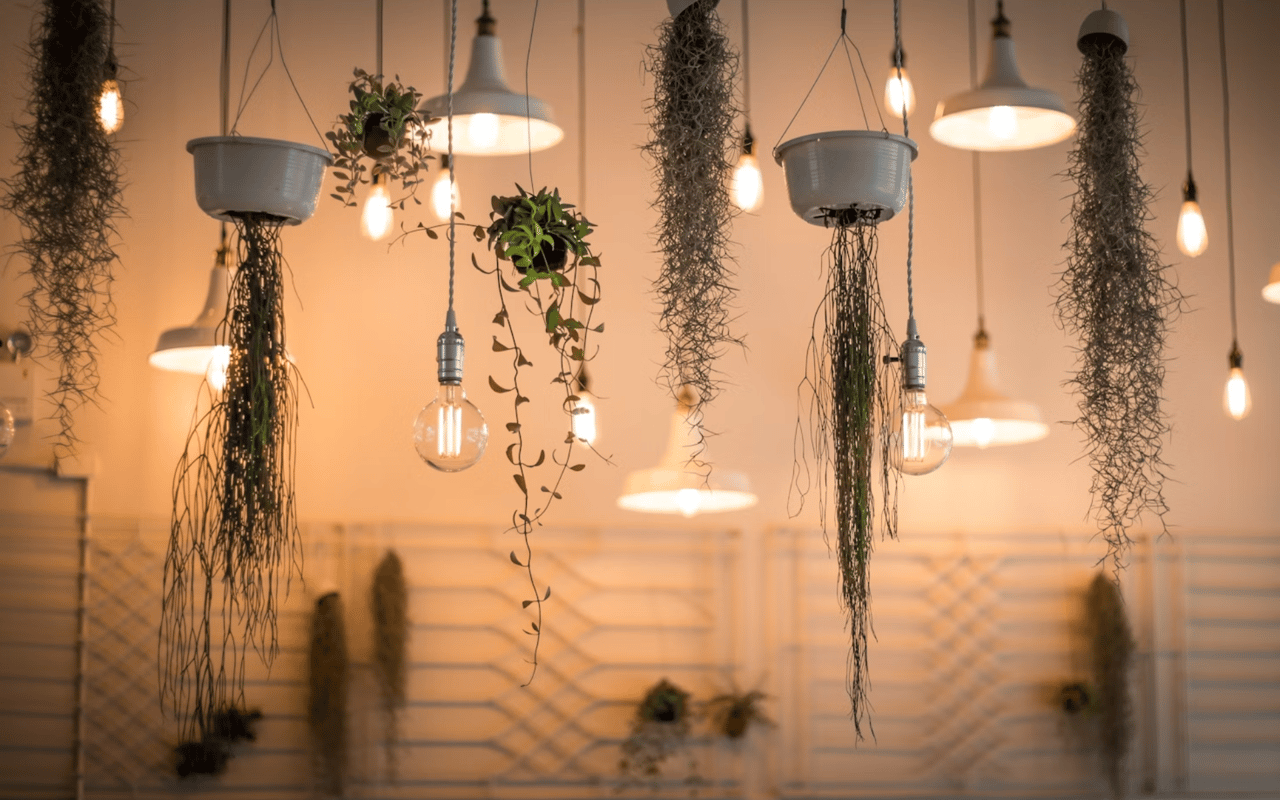
A single overhead light source in an open layout creates flat, uninspiring illumination that makes the whole space feel like a cafeteria. What you want instead is layered lighting that responds to each zone's purpose.
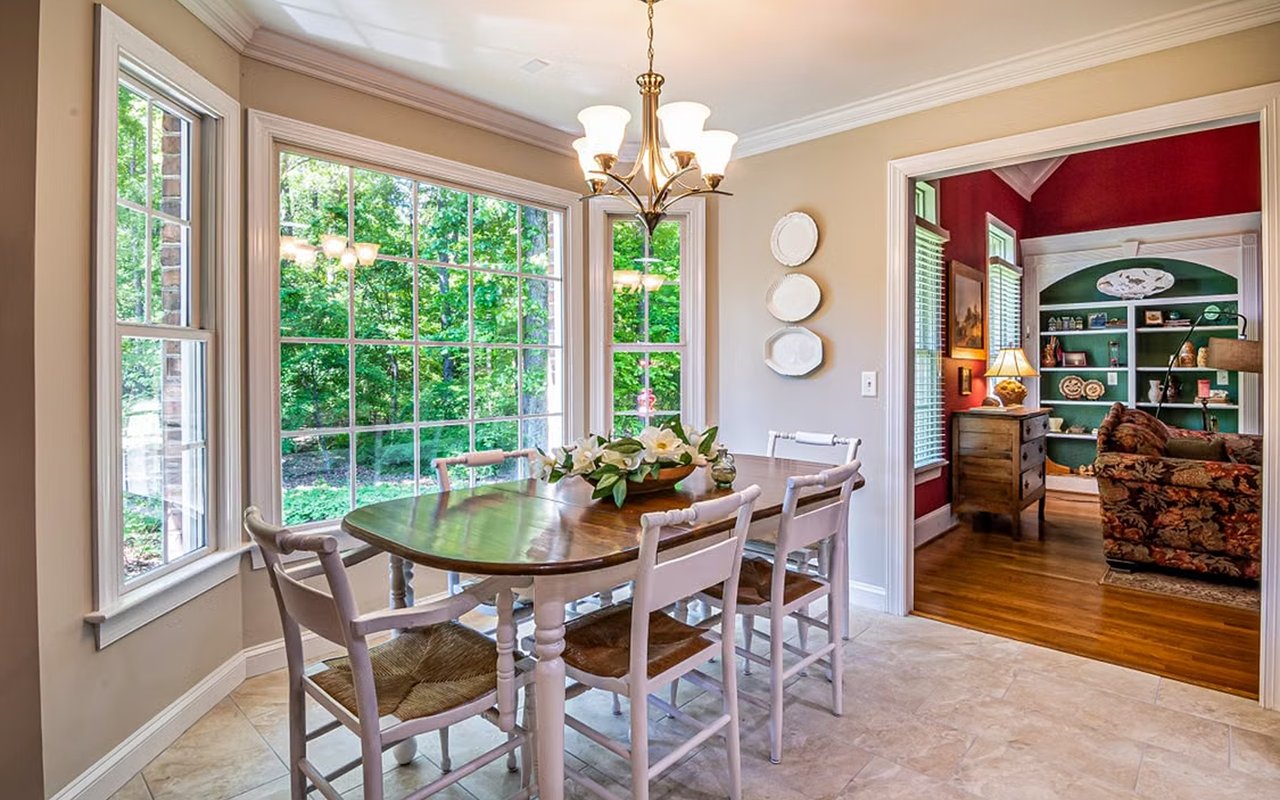
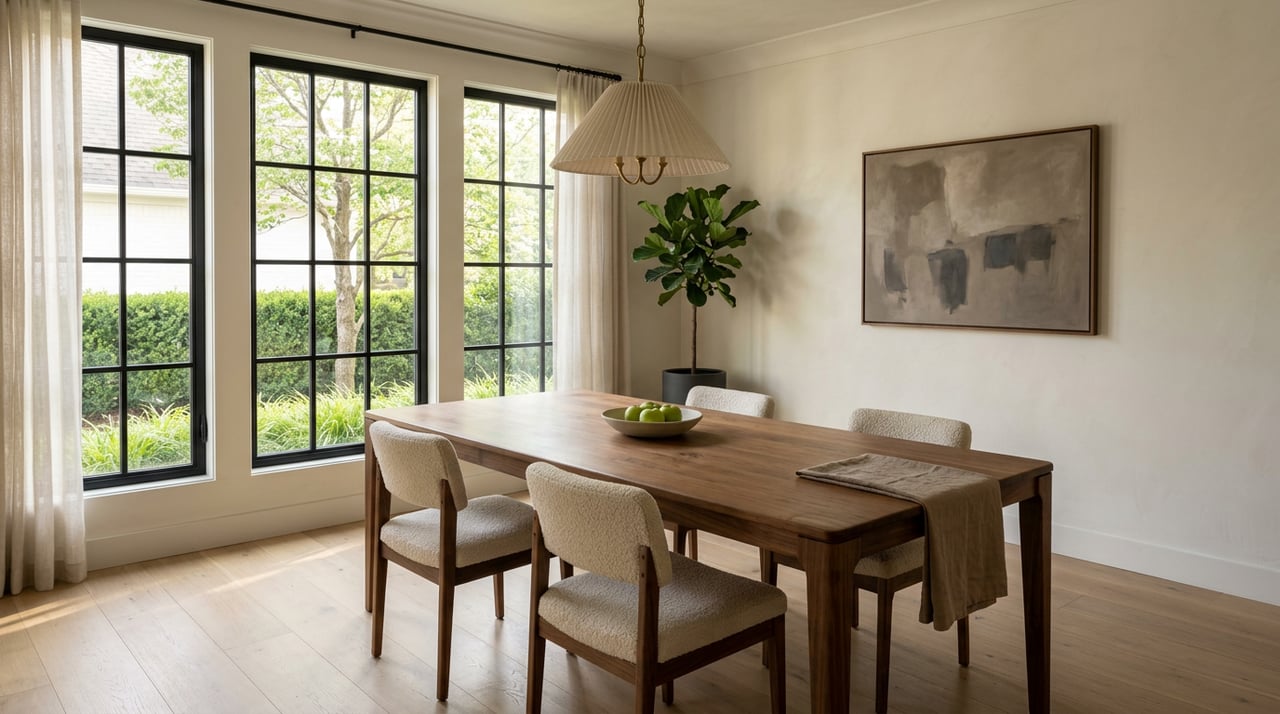
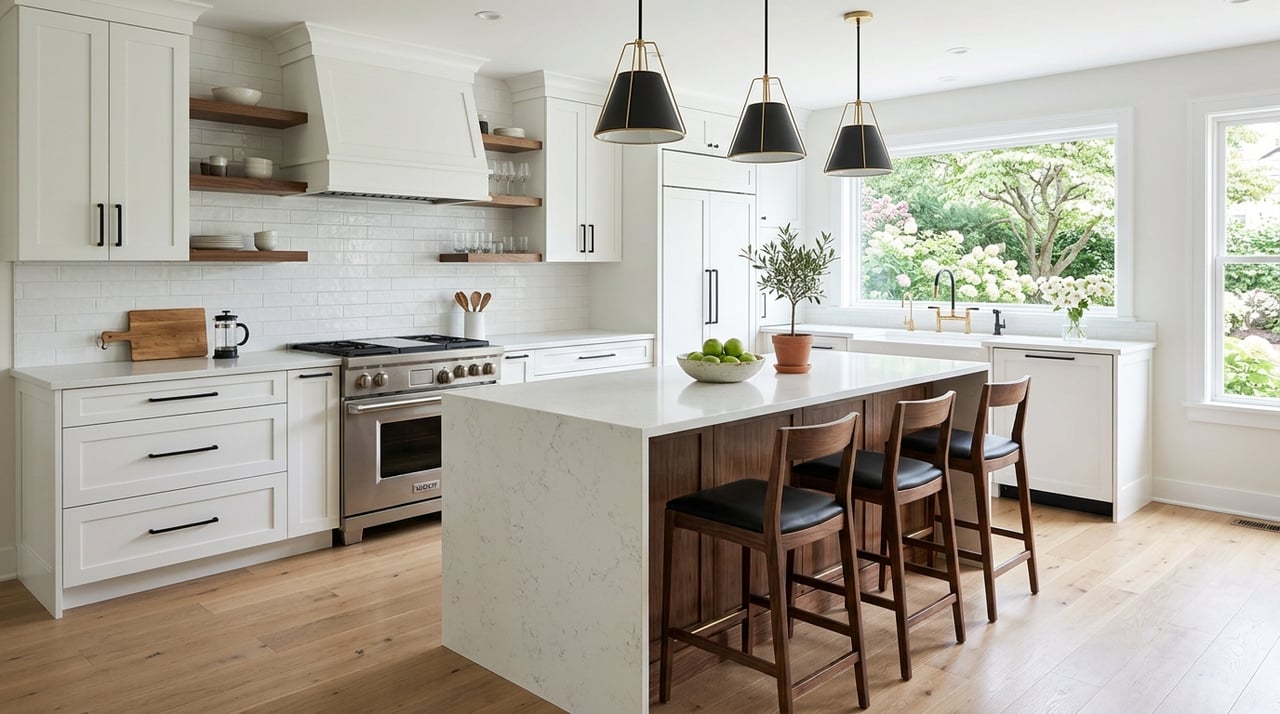
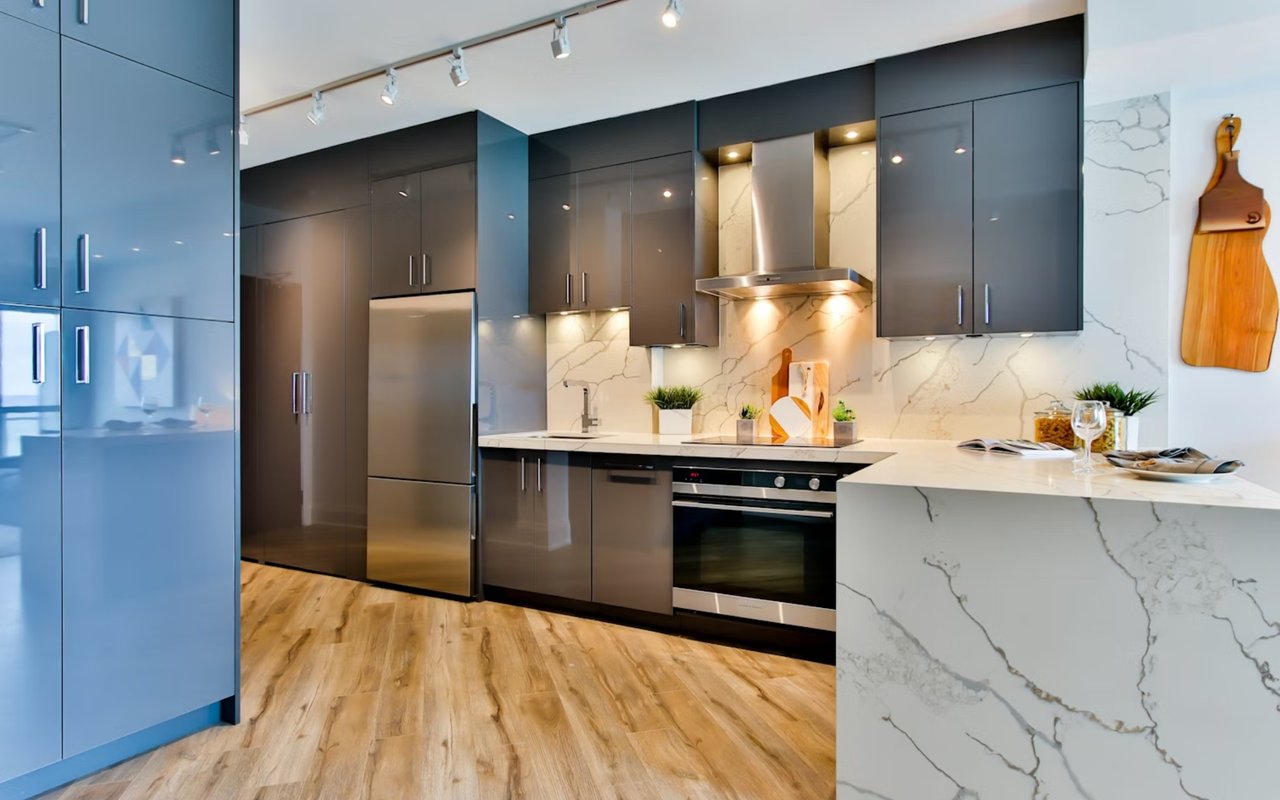
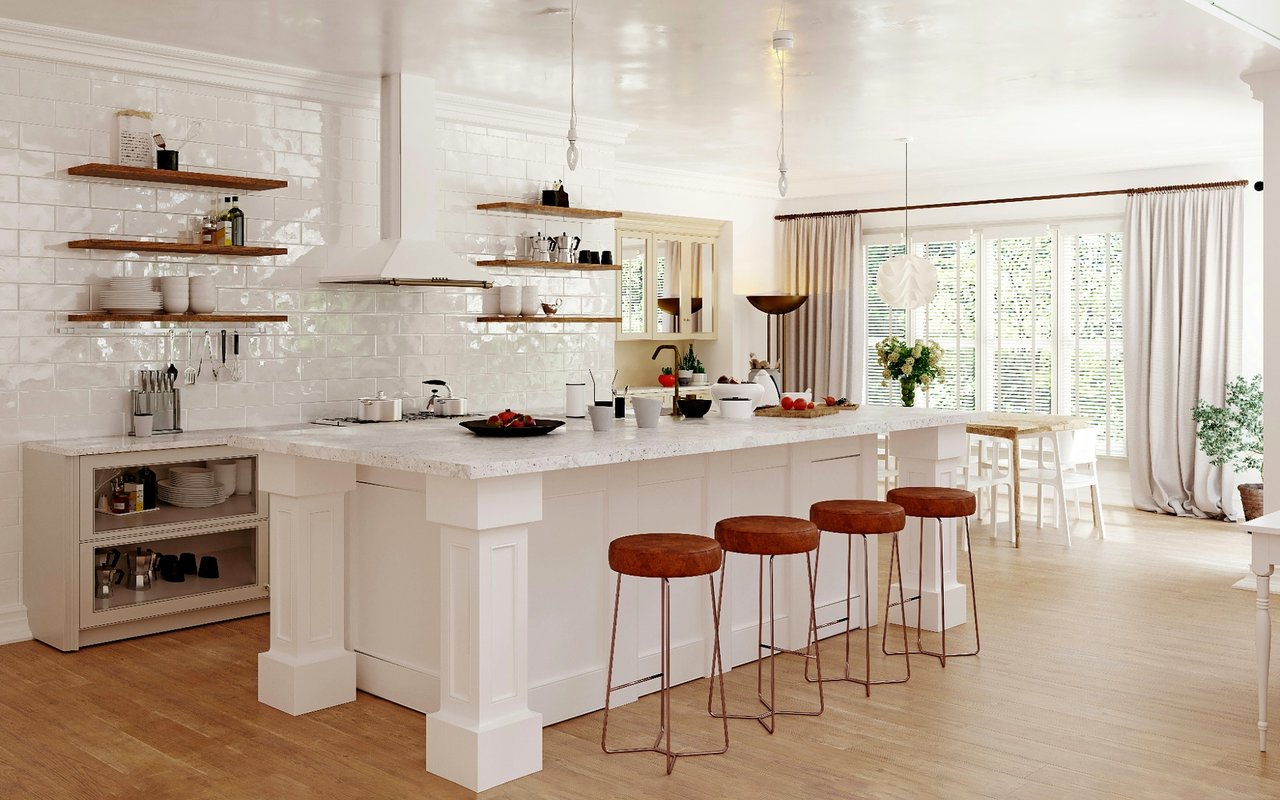
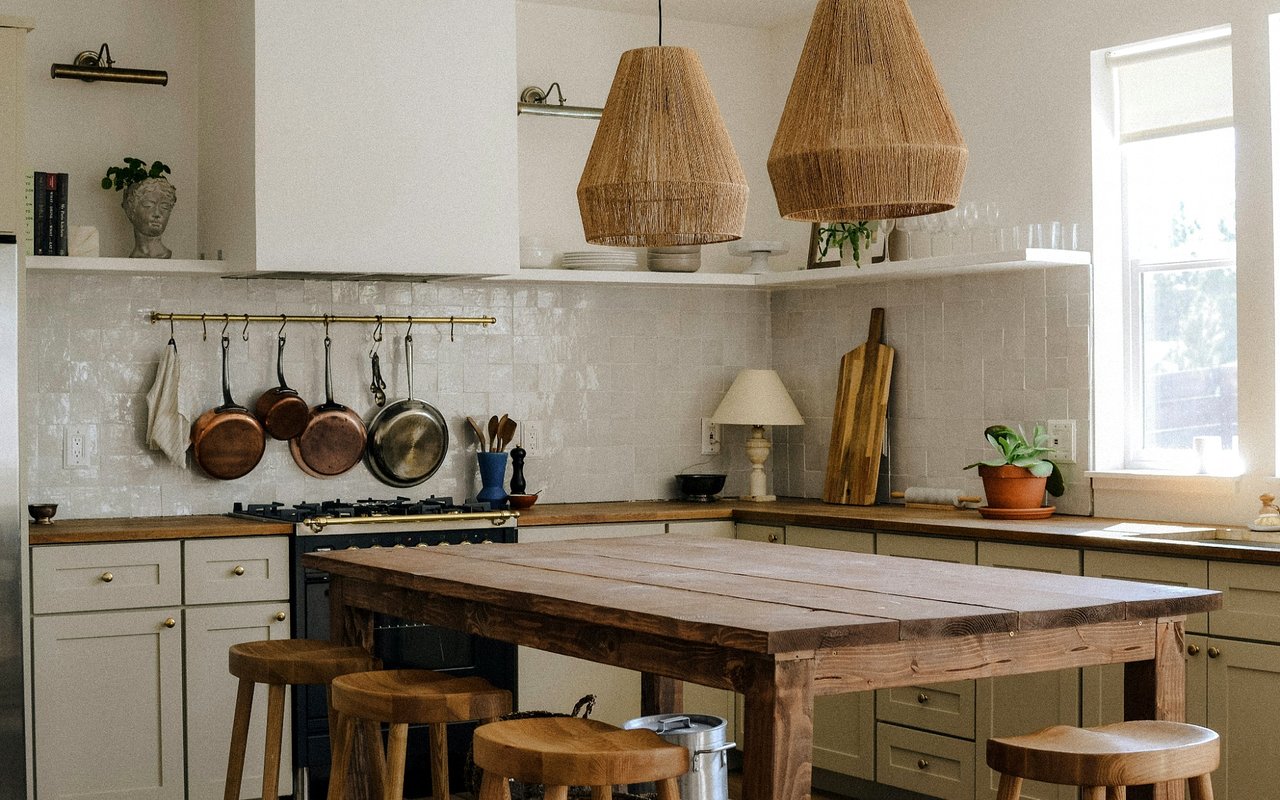
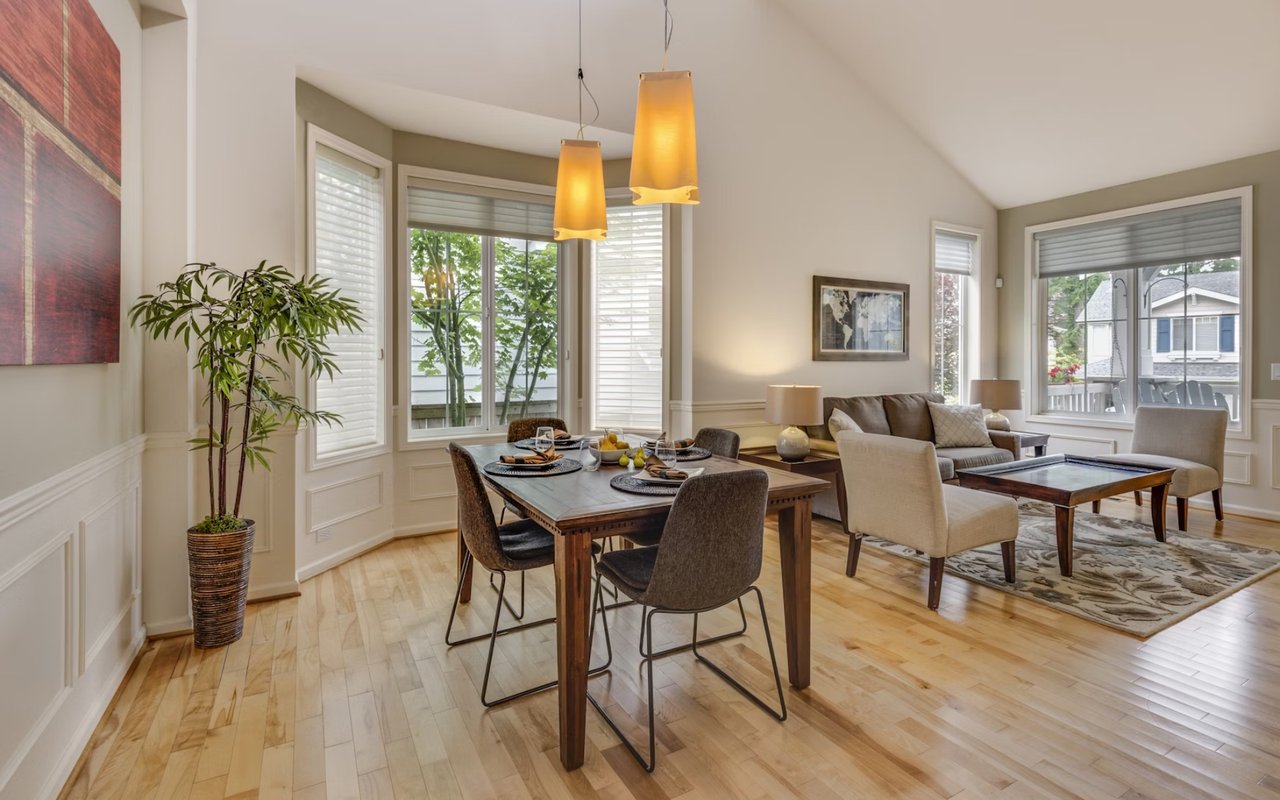
In the kitchen, recessed ceiling lights paired with under-cabinet task lighting give you the bright, functional illumination you need for cooking. Over the island, pendant lights drop down to a lower plane and create an immediate sense of warmth and visual interest. Over the dining table, a chandelier or pendant at the right height anchors the zone and signals that this is a place for gathering.
The living area benefits most from a combination of floor lamps, table lamps, and perhaps a wall sconce or two. Ambient light that originates from multiple lower sources rather than a single overhead fixture creates the relaxed, layered quality that makes a space feel inviting.
In the kitchen, recessed ceiling lights paired with under-cabinet task lighting give you the bright, functional illumination you need for cooking. Over the island, pendant lights drop down to a lower plane and create an immediate sense of warmth and visual interest. Over the dining table, a chandelier or pendant at the right height anchors the zone and signals that this is a place for gathering.
The living area benefits most from a combination of floor lamps, table lamps, and perhaps a wall sconce or two. Ambient light that originates from multiple lower sources rather than a single overhead fixture creates the relaxed, layered quality that makes a space feel inviting.
Lighting Tips for Open Living Areas
-
Use dimmers on every circuit in an open layout so you can shift the tone of each zone independently.
-
Match the warmth of your bulbs across zones; mixing cool and warm temperatures creates a disjointed feel across an open layout.
-
Use lighting to reinforce zone boundaries; a dramatic fixture over the dining table or kitchen island draws the eye and defines that area.
-
Consider the view from the living room toward the kitchen when choosing lighting.
FAQs
How Do You Make an Open Living Space Feel Less Chaotic?
The key is consistent design choices across zones. A cohesive color palette, repeating materials like the same wood tone in cabinetry and furniture, and unified flooring throughout the space prevent the visual noise that makes open layouts feel overwhelming. Area rugs, pendant lighting, and furniture arrangement do the work of separating zones without adding visual clutter.
What Flooring Works Best in an Open Floor Plan?
Continuous flooring across the entire open space creates a sense of visual unity that makes the square footage feel intentional. Hardwood and engineered hardwood are popular choices in Cincinnati homes for this reason. If you prefer different materials in the kitchen, a consistent grout color or a flooring that transitions seamlessly at the zone boundary will keep the transition from feeling abrupt.
What Is the Best Way to Separate the Kitchen From the Living Area Visually?
A kitchen island with seating is one of the most effective visual dividers because it defines the boundary between the zones without blocking sightlines. A change in ceiling treatment, such as a coffered ceiling over the dining area or a lowered soffit above the island, is another architectural approach that creates separation without walls.
Make Your Open Living Space Work for You
A well-designed open living space is one of the most rewarding upgrades a Cincinnati homeowner can make. When the zones are clearly defined, the traffic flows naturally, the lighting adapts to each part of the room, and the furniture anchors the space rather than floating through it, the result is a home that feels more connected than its square footage might suggest. Whether you are working through a full-scale renovation or refining a space that just never quite clicked, starting with a clear zone strategy and building out from there will serve you well.
Our team is here to help you find Cincinnati homes with open living potential or to set up your space for success. Reach out to us at The Julia Wesselkamper Group today. Serving the greater tri-state area, including Cincinnati and Northern Kentucky, and with a global network for international clients, we can guide you in achieving your real estate goals.
Our team is here to help you find Cincinnati homes with open living potential or to set up your space for success. Reach out to us at The Julia Wesselkamper Group today. Serving the greater tri-state area, including Cincinnati and Northern Kentucky, and with a global network for international clients, we can guide you in achieving your real estate goals.