By The Julia Wesselkamper Group
There is something deeply rewarding about having a dedicated space in your home that exists solely to hold the books you love. A home library is more than a collection of shelves; it is a room that reflects how you think, what you value, and how you want to spend your time.
Whether you have an entire room to devote to books or just a generous corner of your living space, creating a library that actually works for you takes more thought than simply buying a bookcase and filling it.
The difference between a home library you genuinely use and one that turns into decorative storage space usually comes down to a handful of decisions made early in the process. How you organize your books, how you light the space, how you handle seating, and how much room you leave for growth will all shape how you experience the space for years to come. Getting those details right from the beginning means less rearranging later and a room that holds up beautifully as your collection evolves.
Key Takeaways
- The right shelving system matters as much as the books themselves; choose units that can expand with and adapt to your collection.
- Lighting is one of the most overlooked elements in a home library, and it significantly affects how comfortable the space is to use.
- A comfortable home library needs at least one dedicated reading seat, positioned thoughtfully in relation to both light and shelving.
- Organizational systems that match how you actually think about your books will serve you better than systems that look impressive but feel confusing in practice.
- Finishing details like color, texture, and a few personal objects are what make a library feel like your own.
Choose Shelving That Can Grow With You
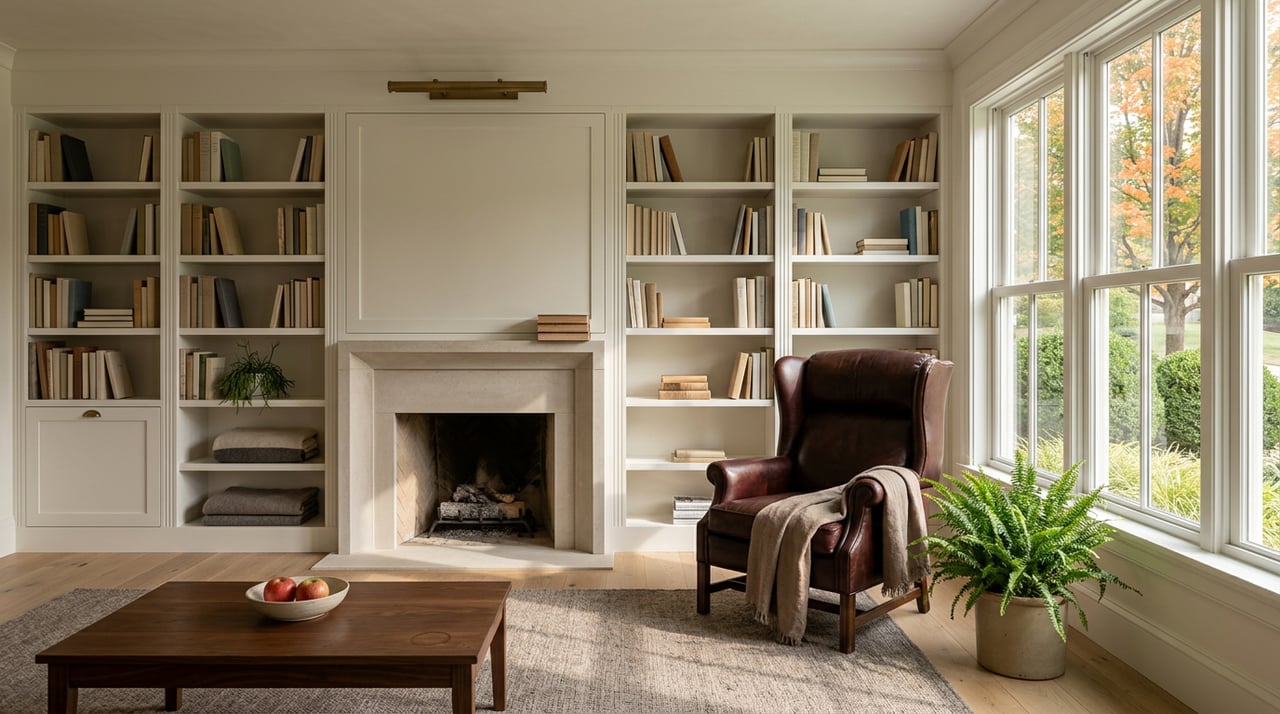
The shelves you choose will define the look and the functionality of your home library more than almost any other element. Before purchasing anything, take some time to think about the size of your current collection, how quickly it might expand, and whether you want a built-in aesthetic or a more flexible setup that you can reconfigure over time.
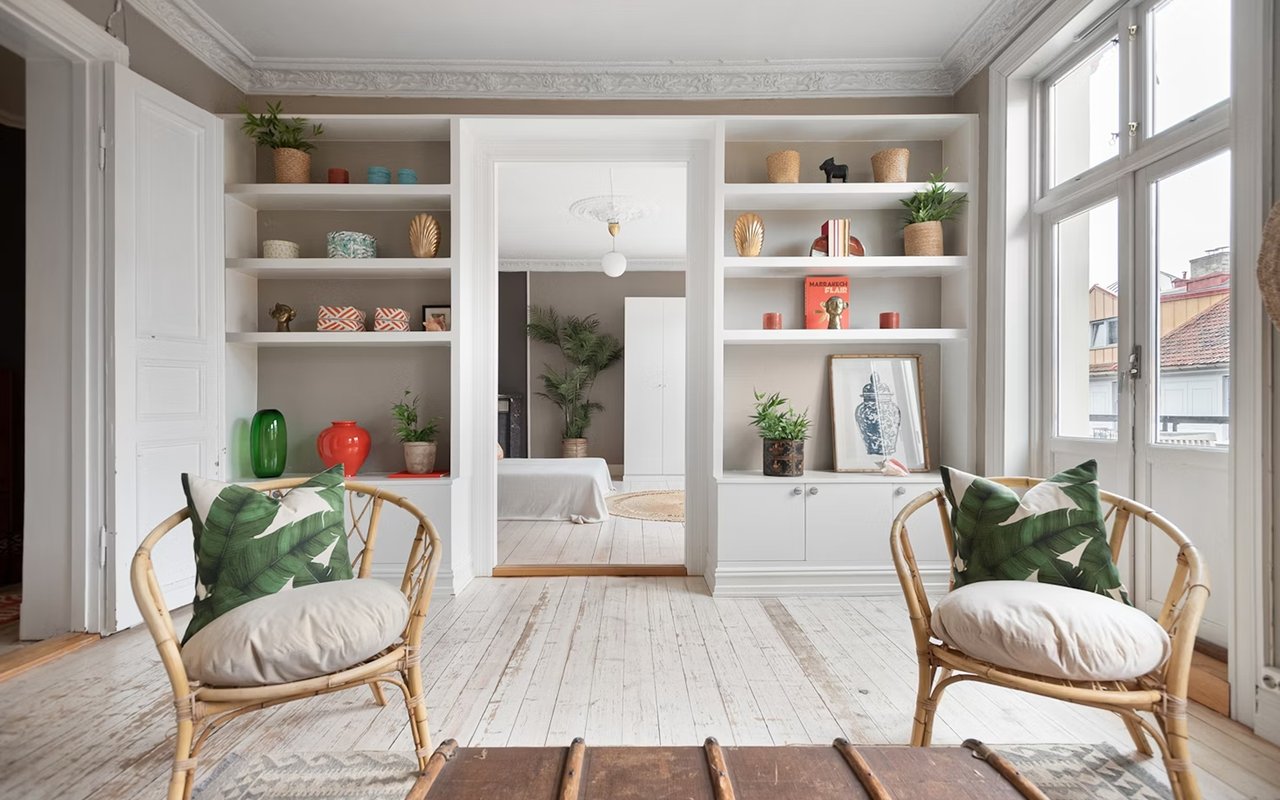
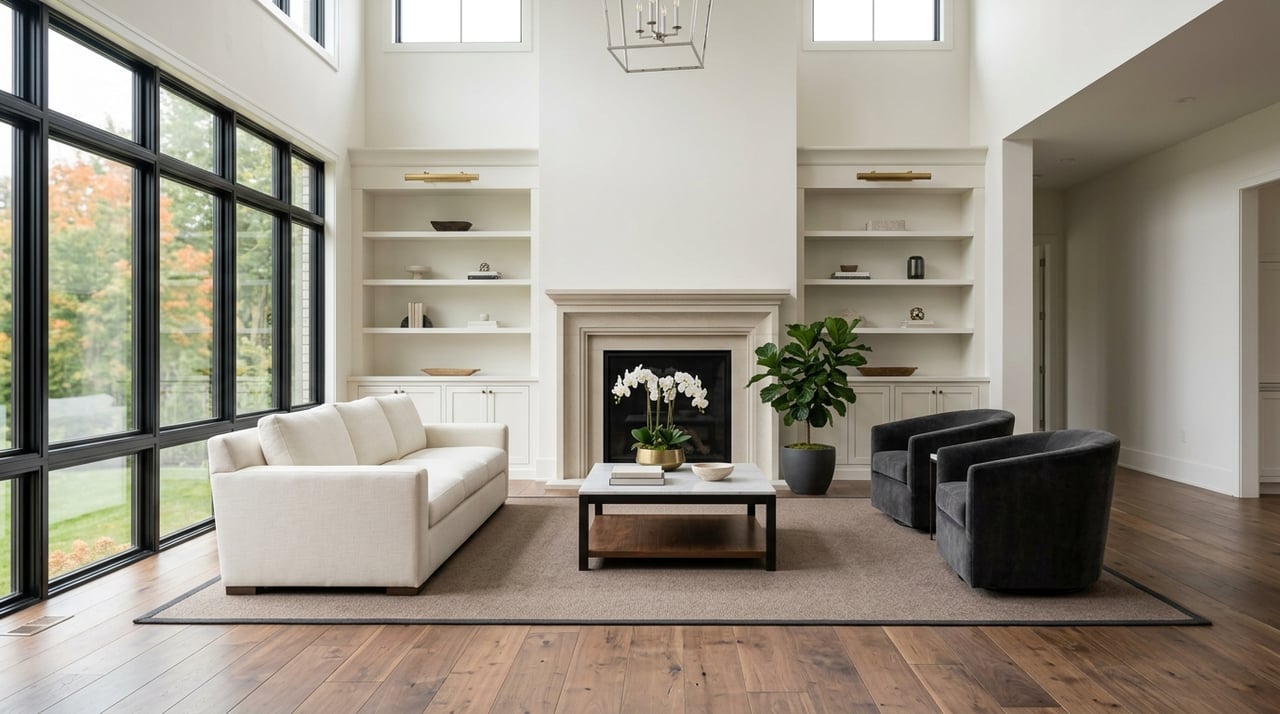
Built-in bookshelves offer a polished, permanent look that can significantly add to a home's appeal. They also allow you to use every inch of wall space efficiently, including areas above doorways and beside windows. The tradeoff is cost and flexibility; built-ins are a commitment, and they do not move with you if you ever relocate.
On the other hand, freestanding shelving, particularly modular systems, gives you more flexibility and can be rearranged as your collection changes or as you move through different homes.
Whatever style you choose, depth matters. Standard bookcases are typically around 12 inches deep, which works well for most paperback and hardcover books. If you collect large art books, keep oversized reference volumes, or display objects alongside your books, you may want at least some shelving that runs deeper. Adjustable shelves are worth the slight extra cost; they let you accommodate different book sizes without wasting vertical space.
What To Look For in Home Library Shelving
- Adjustable shelves that can be repositioned to fit books of different heights without leaving large gaps.
- Sturdy construction that can handle significant weight, especially if you plan to store full rows of hardcovers.
- A back panel or wall-anchor system on freestanding units to prevent tipping.
- Modular units that can be added to over time so that your shelving grows alongside your collection.
- Consistent aesthetic across units if using freestanding shelving, so the overall room feels intentional rather than assembled from mismatched pieces.
Get the Lighting Right
Lighting is where many home libraries fall short, and it is one of the easiest factors to fix. A reading space needs two distinct types of light working together: ambient light that fills the room comfortably paired with task lighting positioned specifically for reading.
Natural light is ideal for daytime reading, but it needs to be managed carefully. Direct sunlight is hard on books over time, fading spines and weakening bindings; it is also uncomfortable to read in. If your library space receives direct sun, consider window treatments that diffuse light without eliminating it entirely. Sheer curtains, solar shades, or frosted window film can all preserve brightness while protecting your collection and reducing glare.
For artificial lighting, a combination of overhead ambient fixtures and targeted task lights tends to work best. Floor lamps with adjustable arms placed beside reading chairs give you focused light exactly where you need it.
If you have display shelving, small LED strip lights or picture lights mounted above the shelves can create a warm, inviting glow while also making it easier to read spines. Warm-toned bulbs in the 2700 to 3000 Kelvin range feel more relaxed and are easier on the eyes for extended reading sessions than cooler white light.
Lighting Options Worth Considering
- Adjustable floor lamps beside reading chairs for focused task lighting that can be repositioned as needed.
- LED strip lighting installed along the inside top edge of shelving bays to illuminate book spines and add ambient warmth.
- A central ceiling fixture on a dimmer so that you can control the overall intensity of the room, depending on the time of day or activity.
- Swing-arm wall sconces if floor space is limited; they provide directional reading light without requiring a separate table or floor lamp.
- Blackout curtains or UV-filtering window film in rooms that receive direct afternoon sun to protect your collection from fading.
Plan Your Seating
A home library without comfortable seating is really just a book storage room. The reading chair or seating arrangement you choose should be determined before you finalize the layout of your shelves, because good seating requires proper positioning relative to light sources, and shelves should be arranged around it rather than the other way around.
The ideal reading chair is supportive enough for long sessions but not so large that it dominates the room. A wingback chair, a deep armchair, or a chaise lounge are all classic choices that hold up well in a library setting. If your space allows for two seats, a pair of chairs with a small table between them creates an inviting setup for reading alongside a partner or a guest. Consider how much floor space your seating will require before you commit to a shelving layout.
Seating Considerations for a Home Library
- Chair height and seat depth; a seat that is too low or too shallow becomes uncomfortable quickly during extended reading sessions.
- Proximity to a window for natural light without placing the chair in the direct sun.
- A side surface at arm’s height for holding a drink, a bookmark, and whatever you are currently reading.
- An ottoman or footstool if you want the option to recline; even a small one extends comfort notably during longer reading sessions.
- Fabric durability if the room sees regular use; textured fabrics like linen, boucle, or velvet wear well and add visual warmth to a library setting.
Organize Your Books in a Way That Makes Sense to You
One of the most personal decisions in setting up a home library is how to organize your collection. There is no single right system; the best one is the one you will actually use and maintain.
Genre-based organization works well for readers who think in categories: fiction is separated from nonfiction, history is found in one section, and cooking is in another. An alphabetical arrangement by author within each category adds a second layer of order that makes retrieval easier as the collection grows. Some readers prefer to organize by spine color or size for a more visual, design-forward look, though this approach tends to make it harder to find specific titles quickly.
If your collection spans multiple rooms or shelving units, consider keeping a simple running list of what you own and where it lives.
Organization Systems That Work in Practice
- Genre-based sections with alphabetical-by-author organization within each group, which mirrors how most people mentally locate a book.
- A dedicated "to-read" shelf or section so that new acquisitions have a home and you can see your reading queue at a glance.
- A separate section for books you return to often, such as reference books, poetry collections, or favorites you reread periodically.
- Labels or color-coded tags on shelf edges if your collection is large enough that navigation within sections becomes difficult.
FAQs
How Much Space Do I Need To Build a Home Library?
You do not need an entire room to create a meaningful home library. A dedicated corner of a living room, a converted closet with shelves, or a hallway lined with built-in bookcases can all function beautifully as a reading space. What matters more than square footage is thoughtful use of the space you have, including vertical space that often goes unused.
What Is the Best Way To Protect Books on Shelves?
Keep books away from direct sunlight, which fades spines and weakens bindings over time. Avoid placing shelves near heating vents, radiators, or exterior walls in climates with high humidity, as temperature fluctuations and moisture accelerate deterioration. Storing books upright with enough support to prevent leaning reduces warping and spine stress.
How Do I Handle a Growing Collection That Outpaces My Shelving?
The most practical approach is to plan for growth from the start by leaving some of your shelf space empty when you first set up the room. When shelves fill, a regular culling process of donating or lending books you have finished and are unlikely to return to keeps the collection manageable. Overflow shelving in adjacent spaces, such as a hallway or bedroom, can also absorb growth without crowding the primary library.
What Paint Colors Work Best in a Home Library?
Deep, saturated colors tend to work especially well in home libraries; shades of forest green, navy, charcoal, or burgundy create a warm feeling that suits a reading room well. If the space is small or lacks natural light, softer neutrals with warm undertones, like creamy whites, taupes, or warm grays, keep the room from feeling heavy. The goal is a color that makes you want to settle in and stay a while.
A Space That Invites You To Stay
A home library is one of the most personal rooms you can create. Getting the fundamentals right gives you a foundation that will serve you well for years. A home library is not something you finish; it is something you build over time — one good book at a time.
If you are ready to find the perfect home with a library space you love or preparing to sell, reach out to us at The Julia Wesselkamper Group. Serving the greater tri-state area, including Cincinnati and Northern Kentucky, with a global network for international clients, we have the market insight and resources to match you with the home or your dreams or achieve a winning sale.