By The Julia Wesselkamper Group
Lighting is one of the most powerful tools in home design, and yet, it often gets treated as an afterthought. In a market like Cincinnati, where modern new construction sits alongside beautifully updated historic properties, the right lighting can be the difference between a house that feels finished and one that feels truly intentional. Whether you are renovating a mid-century home or finishing out a new build, how you layer and choose your lighting shapes how every room reads, functions, and feels.
What makes lighting so compelling is how much variety is available across every price point. From architectural recessed systems to bold sculptural pendants that double as art forms, Cincinnati homeowners have more creative options than ever. The trend toward warmer, more layered illumination has replaced the flat, overly bright lighting that dominated residences for decades, and the result is spaces that feel more livable, more sophisticated, and more like the homeowner actually curated them.
This guide will walk through the most effective modern lighting ideas, cover the trends shaping homes today, and give you a practical framework for making smart decisions — whether you are building, renovating, or simply refreshing a space you already love.
Key Takeaways
- Layering ambient, task, and accent lighting creates depth and flexibility in any space.
- Statement fixtures in entryways and dining rooms set the tone for an entire home.
- Warm color temperatures (2700K to 3000K) make modern homes feel more inviting.
- Dimmer switches and smart lighting systems add both convenience and long-term value.
- Exterior lighting is as important as interior lighting for curb appeal and outdoor living.
Why Lighting Layers Matter in Modern Home Design
The most notable shift in residential lighting over the years has been the move away from the single-light-source-per-room approach. A centered overhead light in a living room may technically illuminate the space, but it flattens everything, creates harsh shadows, and gives you zero flexibility. Layered lighting solves all of that by combining different fixture types that each serve a specific purpose.
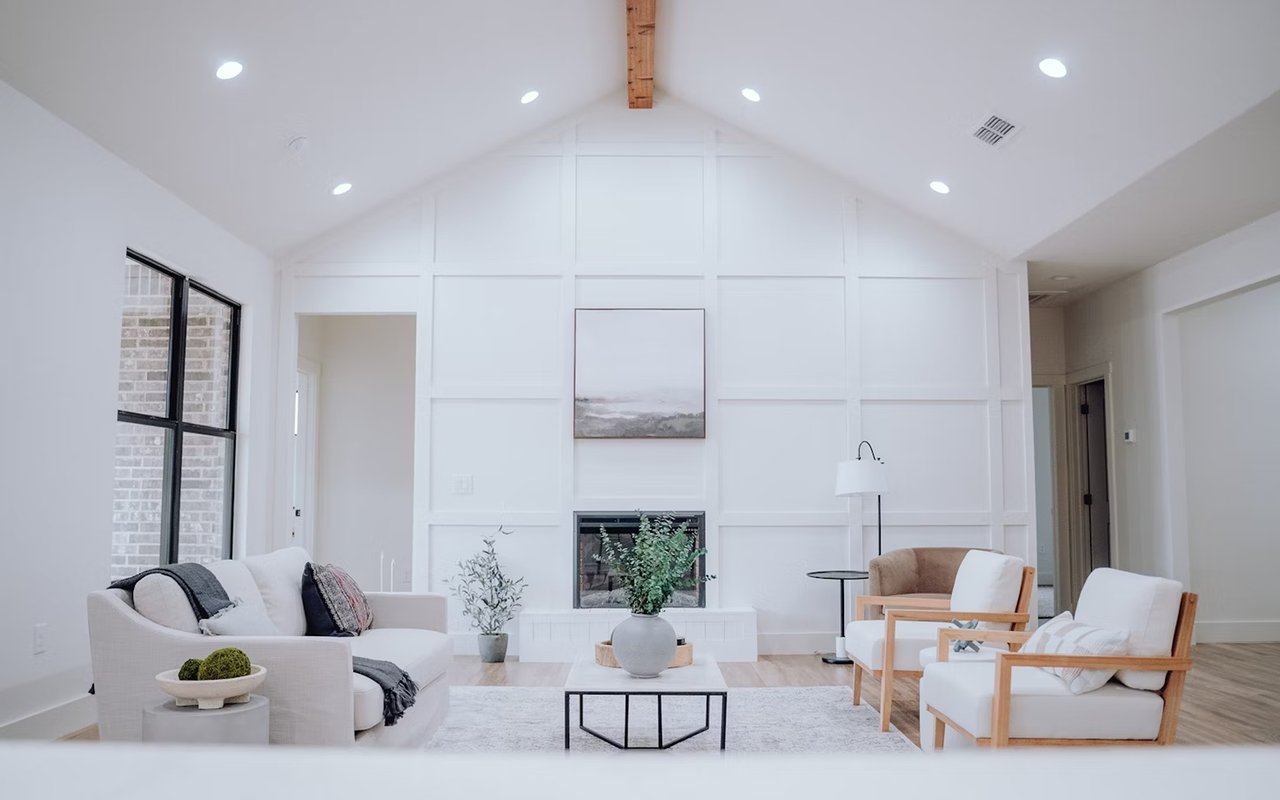
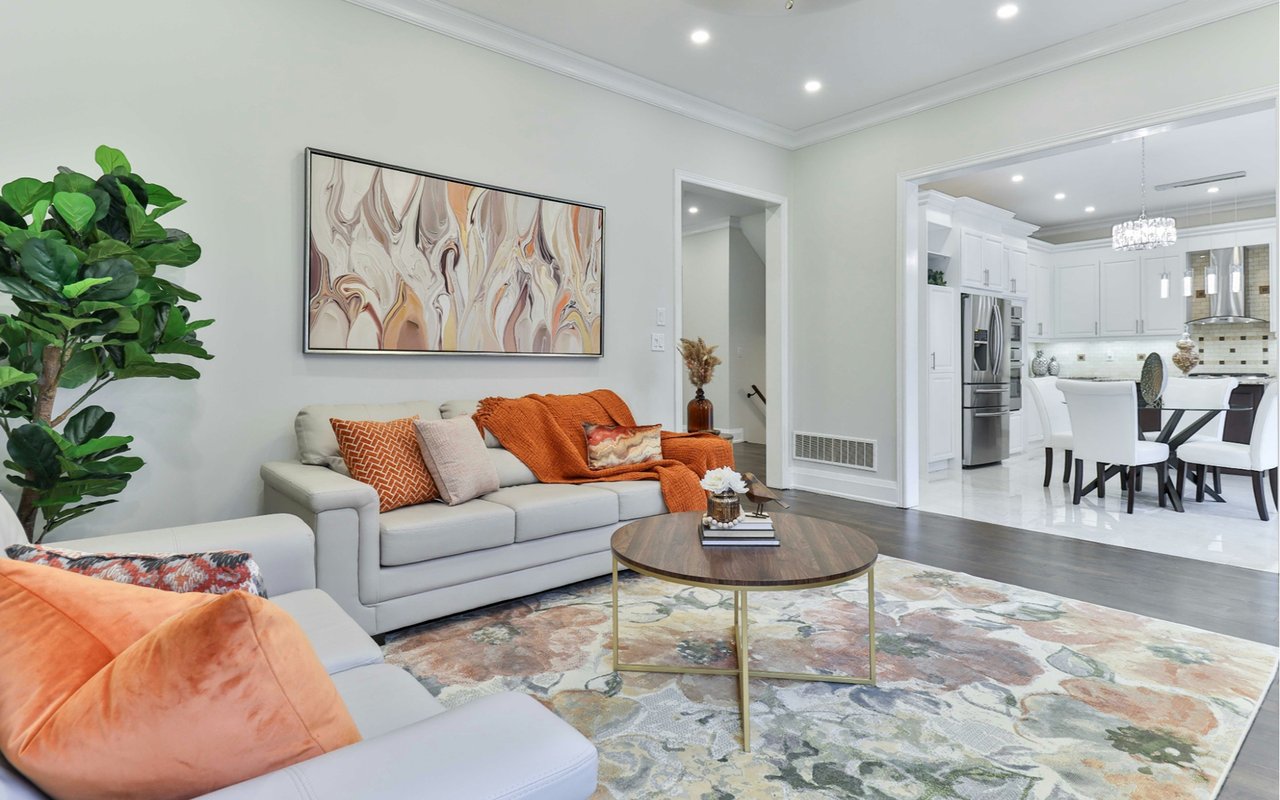
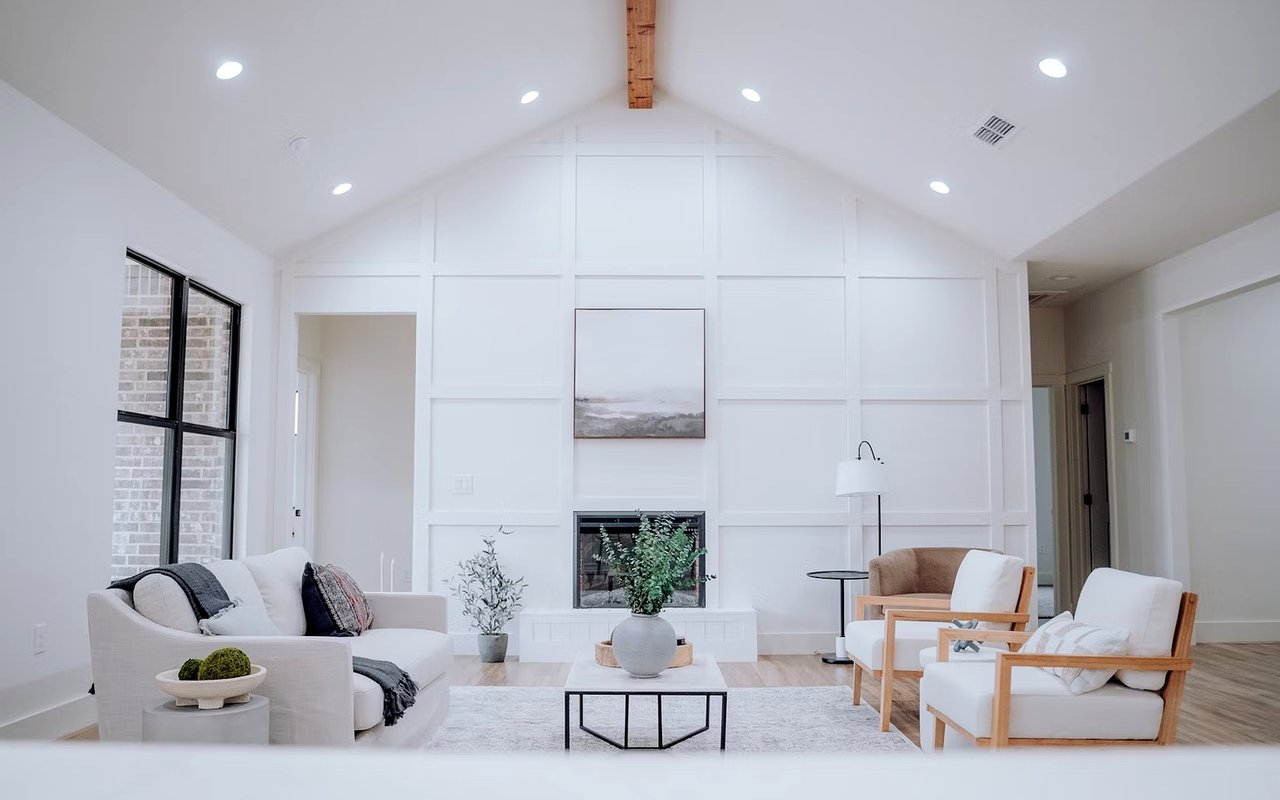
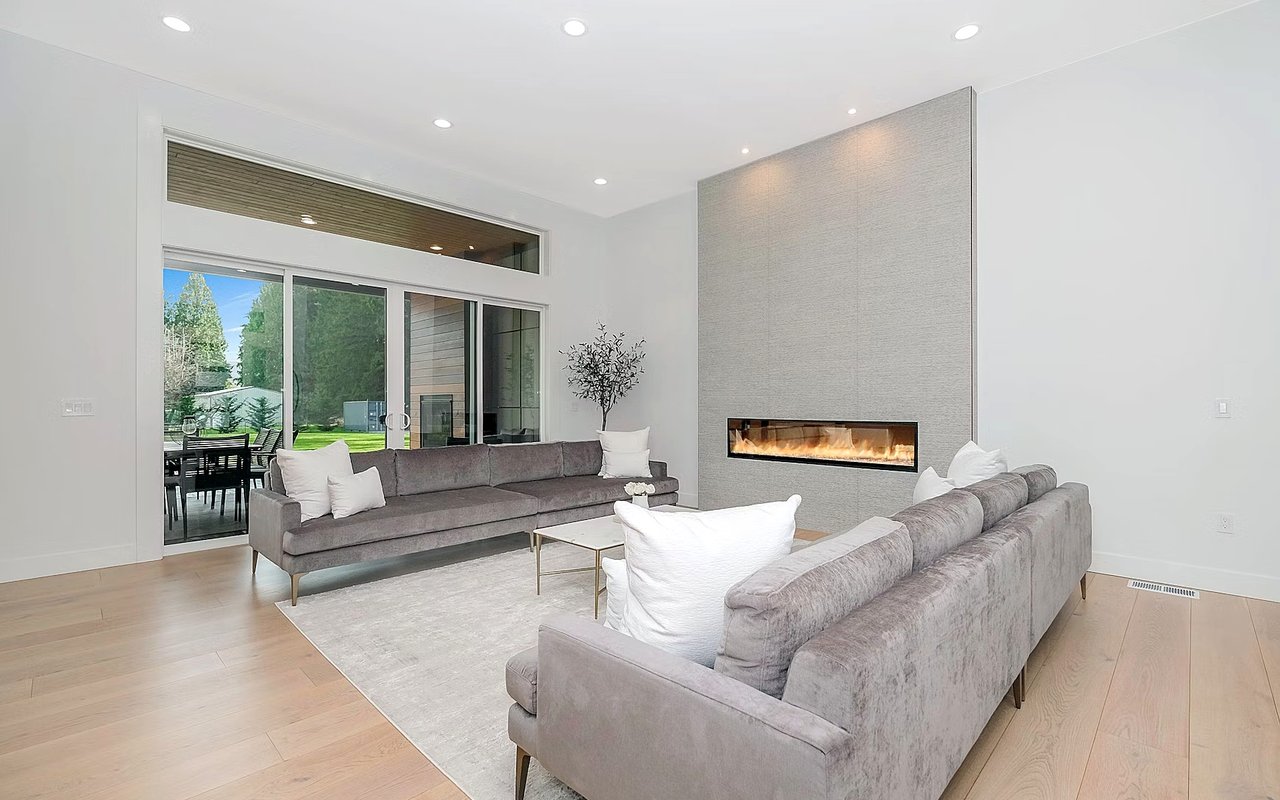
Ambient lighting provides the foundational level of illumination in a room. This can come from recessed cans, flush mounts, or even indirect cove lighting built into soffits or cabinetry. It gives the space its overall brightness level and sets the tone. In a Cincinnati home with high ceilings or open floor plans, ambient lighting is often the starting point for a more complex system.
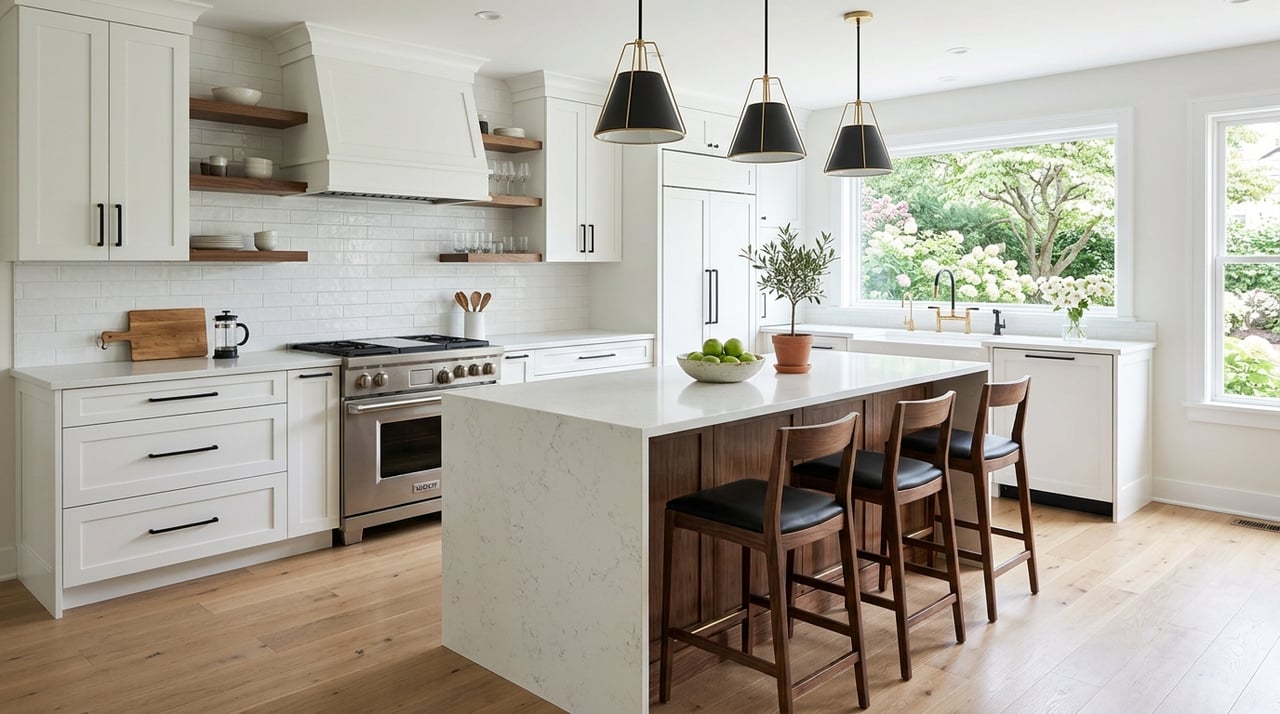
Task lighting adds targeted illumination where it is needed most. Under-cabinet strips in the kitchen, adjustable reading sconces in the bedroom, and pendant lights over a kitchen island all fall into this category.
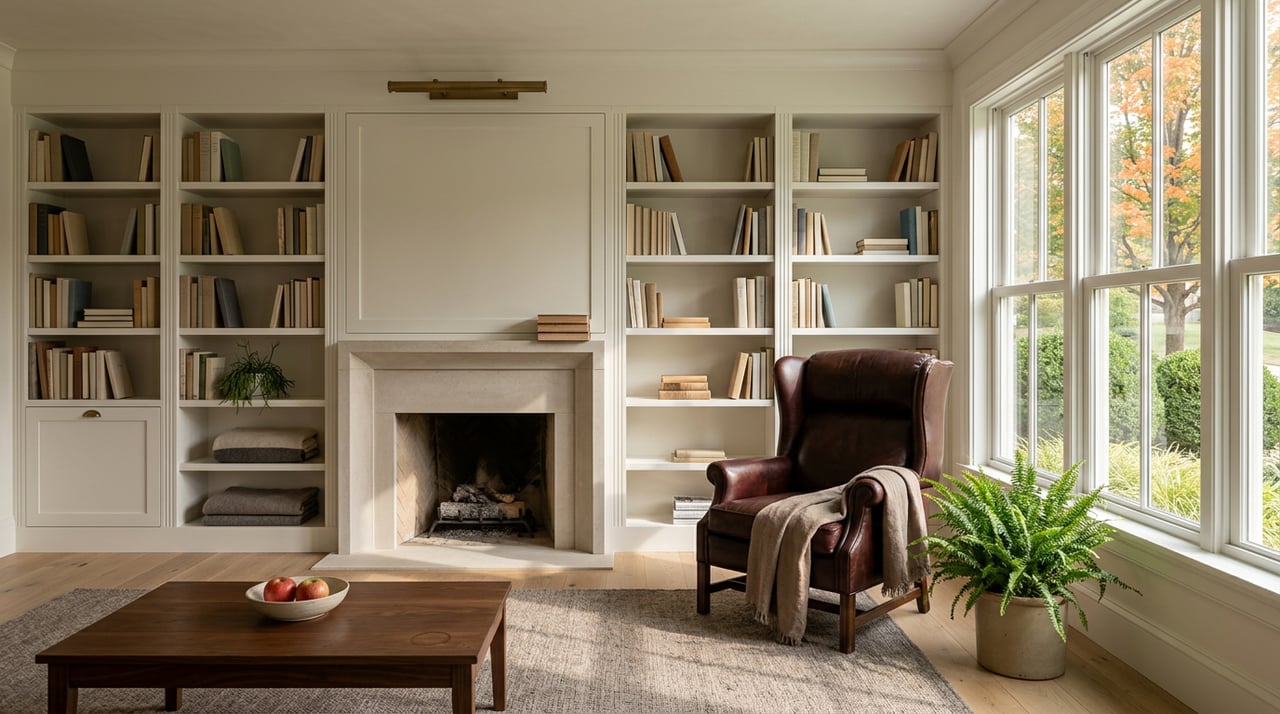
Accent lighting, meanwhile, is aesthetic: picture lights, wall sconces used decoratively, LED tape along shelving, or uplights trained on a textural wall. When these three layers work together, a room feels polished and alive rather than harshly lit or dim.
Lighting Types to Layer
- Recessed downlights on dimmer circuits for general ambient coverage without visual clutter.
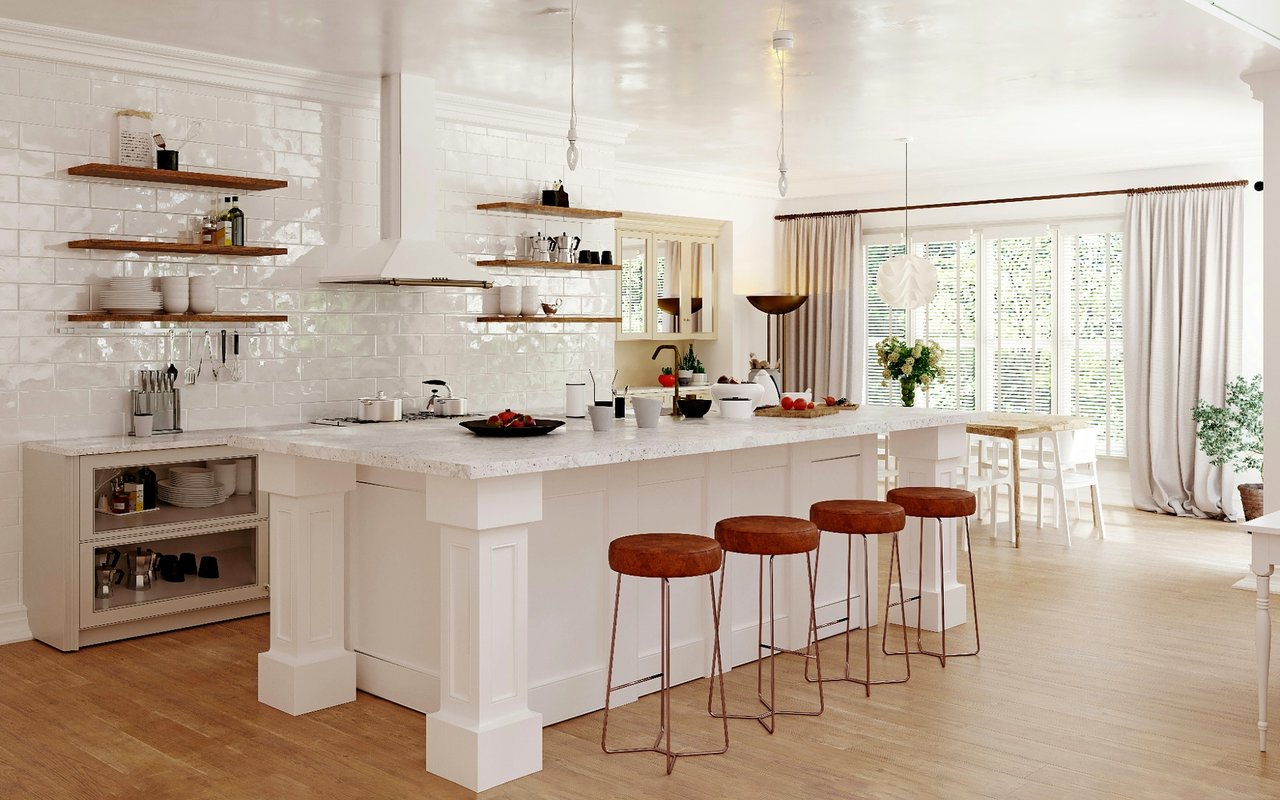
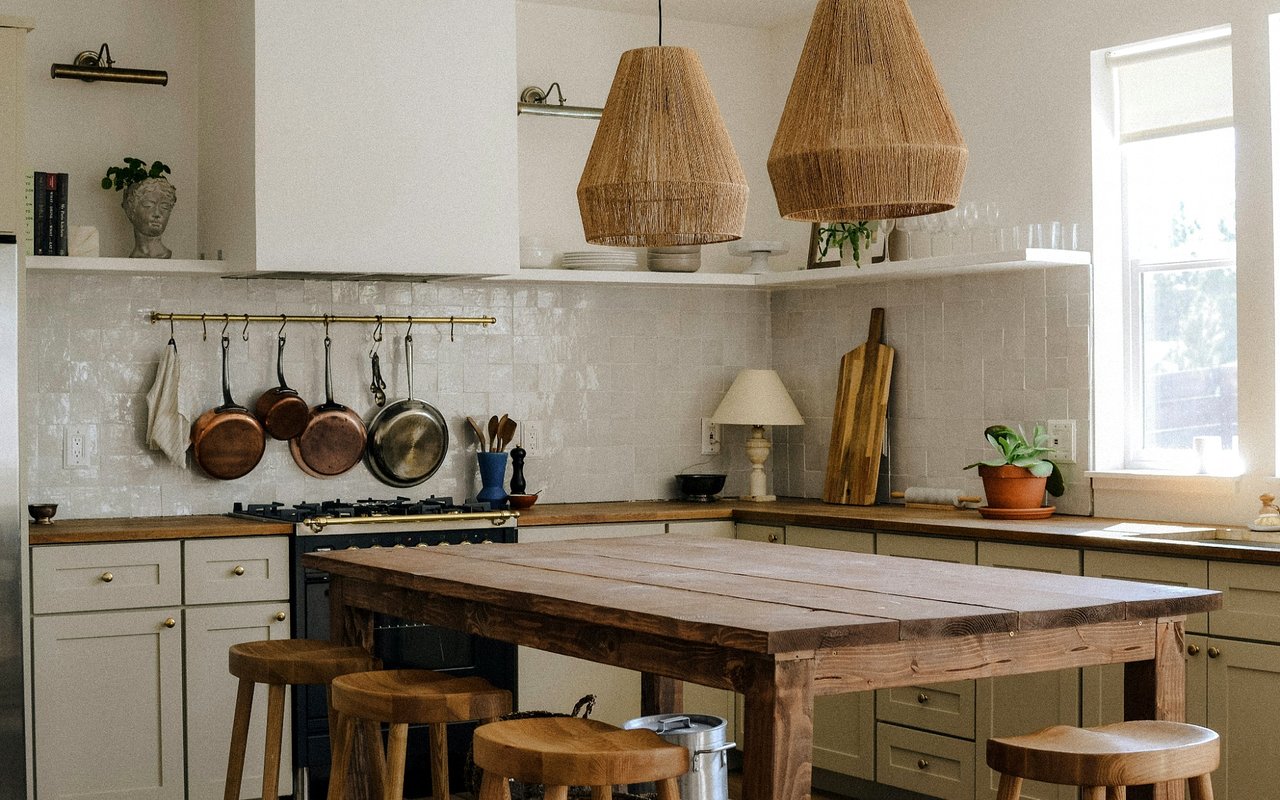
- Pendant fixtures over kitchen islands, dining tables, and reading nooks for task and style.
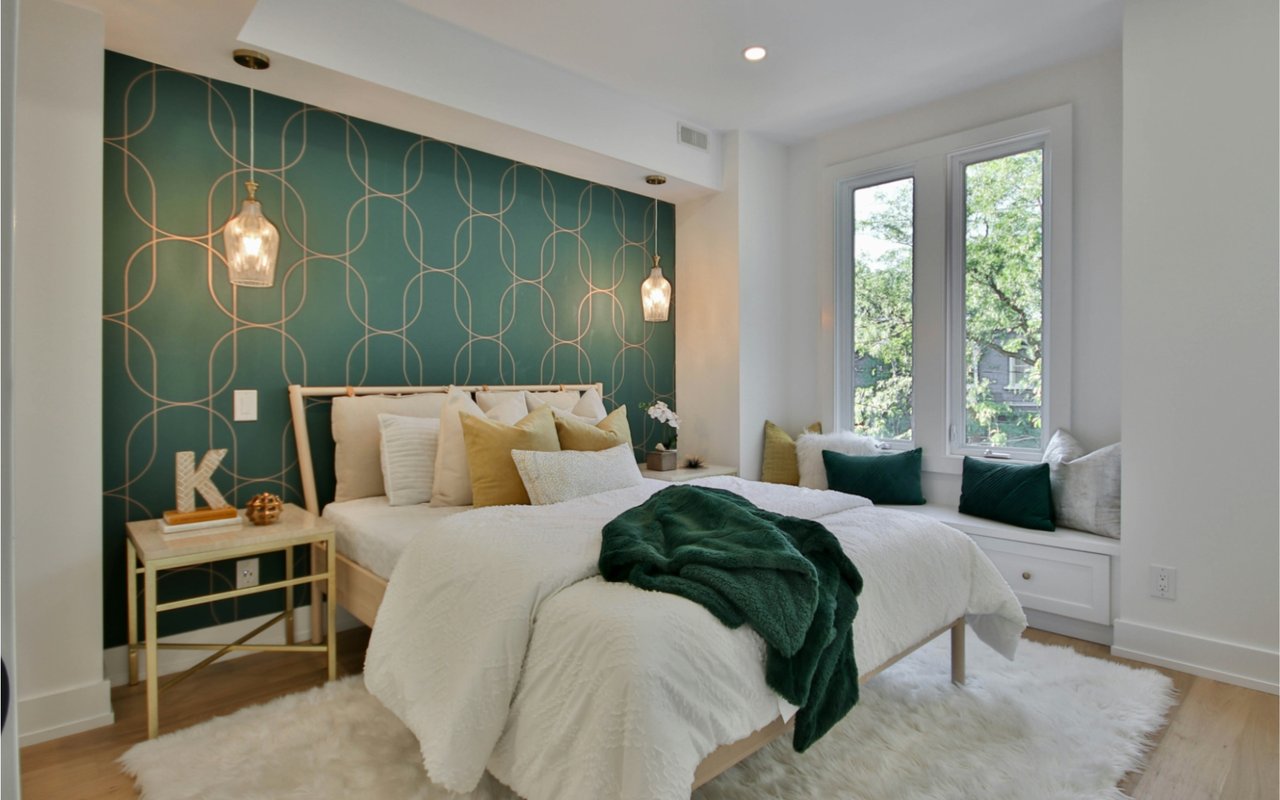
- Wall sconces flanking mirrors, artwork, or bed headboards for accent and secondary light.
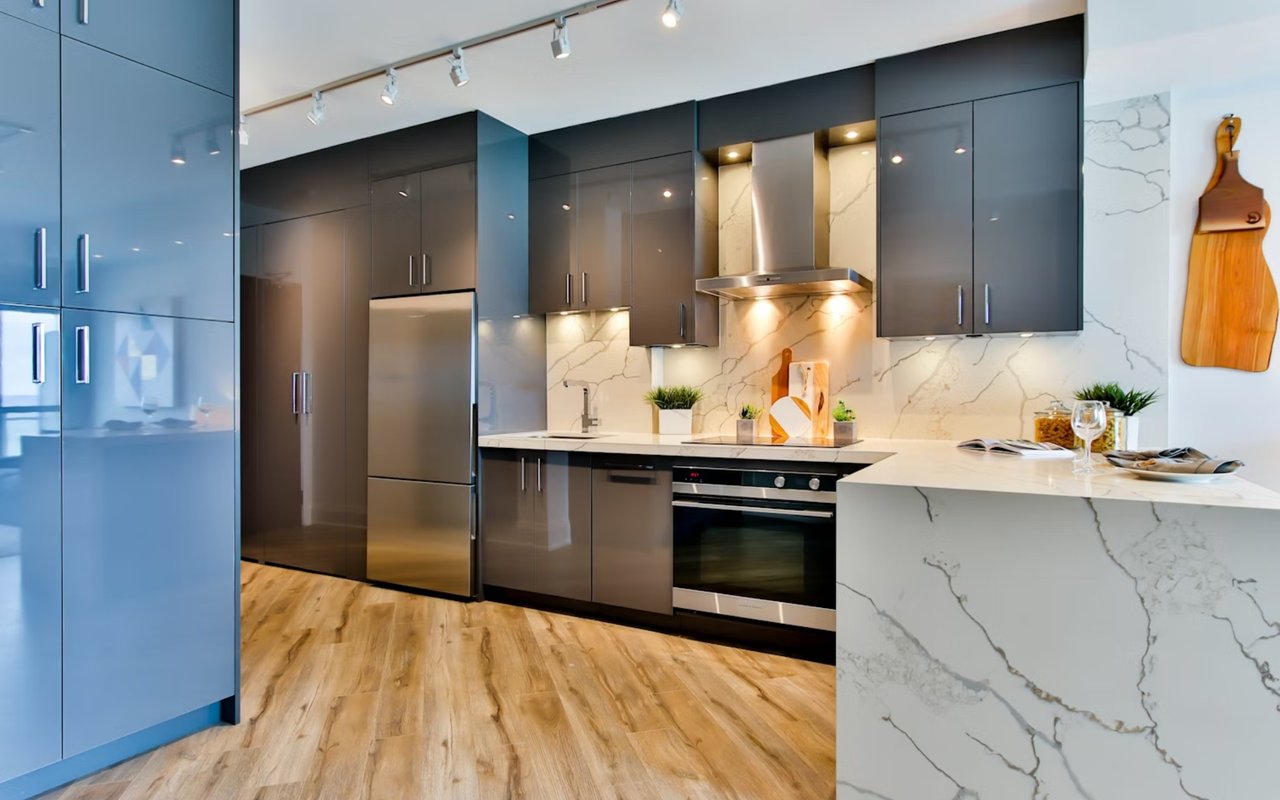
- Under-cabinet LED strips in kitchens and bathrooms for practical, flattering task lighting.
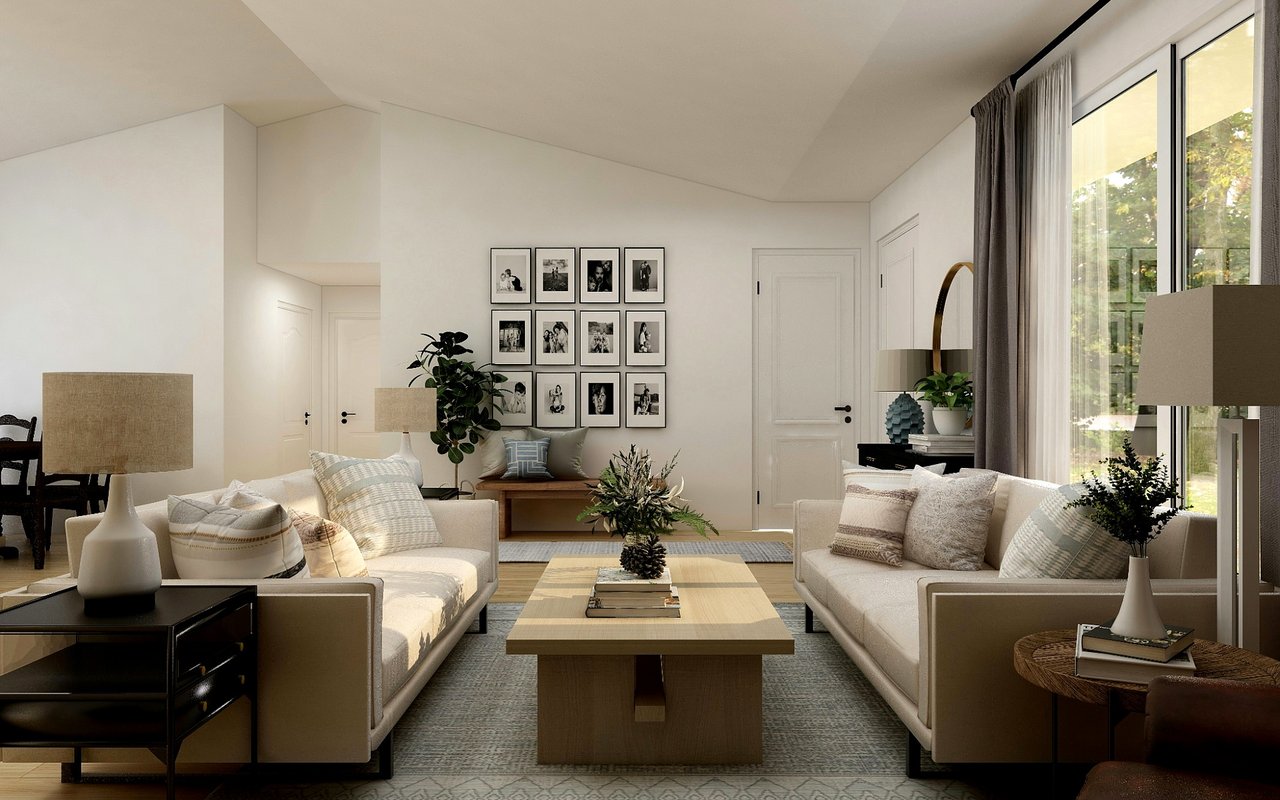
- Floor lamps and table lamps to add warmth, fill dark corners, and create visual rhythm.
Statement Fixtures That Work in Modern Spaces
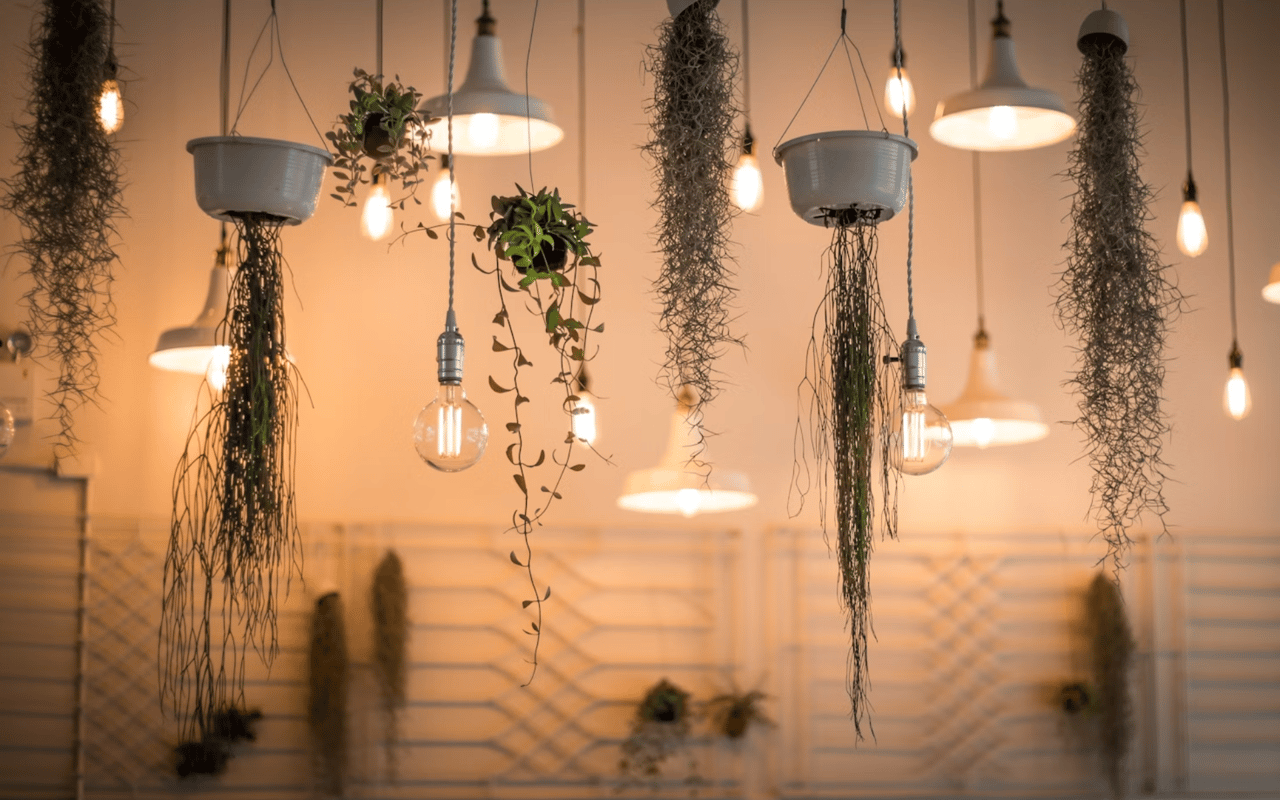
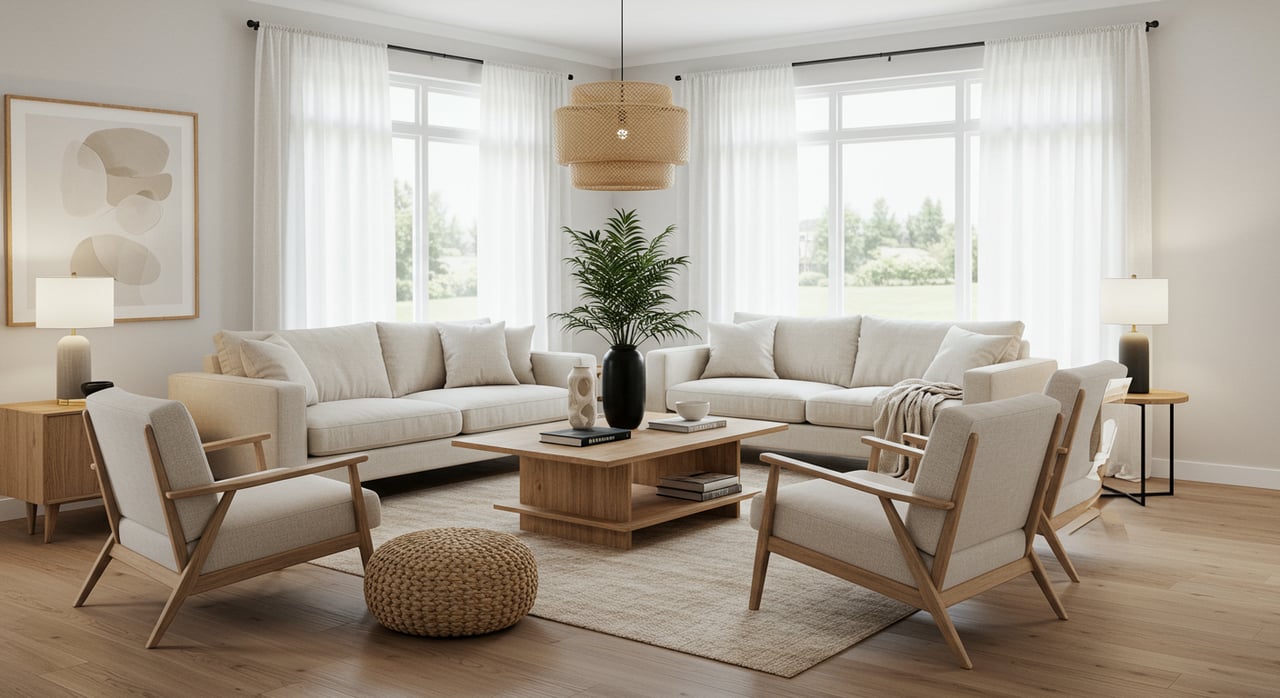
In modern Cincinnati homes, the light fixture is often treated the same way an art piece is: as a focal point that expresses design intent. The market’s aesthetic leans toward warm modernism rather than stark minimalism, which means that fixtures with natural materials, organic forms, and sculptural presence tend to perform well. Rattan and woven pendants, matte black industrial chandeliers, and brushed brass lanterns are all finding homes in renovated properties.
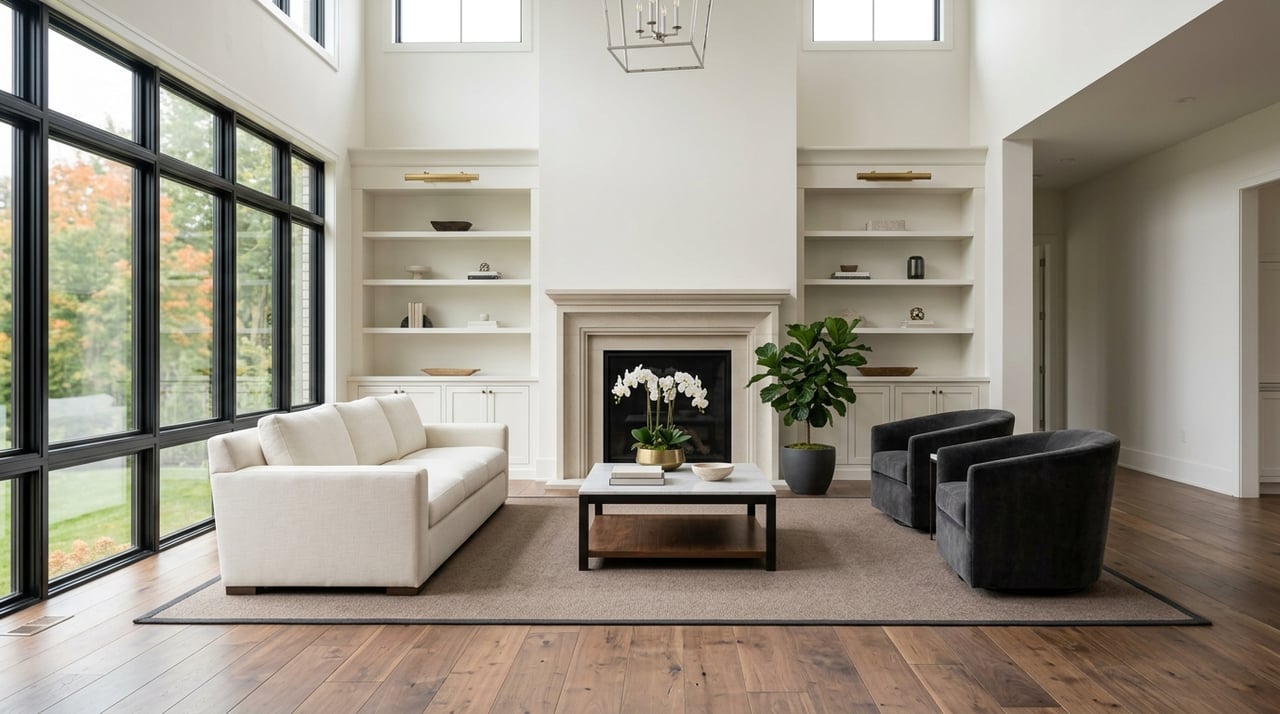
Entryways are one of the highest-impact opportunities for a statement fixture. A dramatic pendant or multi-tier chandelier in a foyer sets expectations for the rest of the house. In two-story entries with open ceilings, oversized drum shades or clustered globe fixtures make an immediate impression.
The key is scale: a fixture that is too small for the volume of the space gets lost, while one that fills the vertical zone creates the kind of moment that buyers and guests remember.
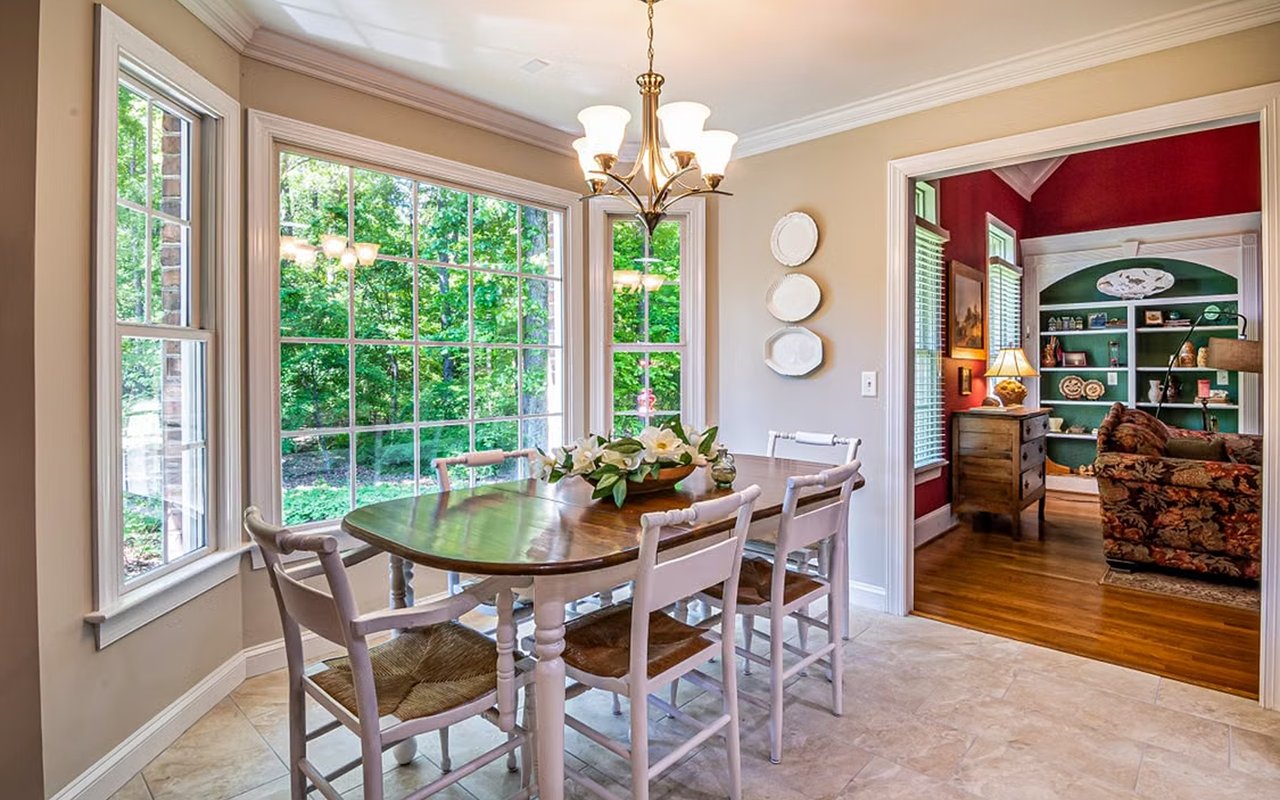
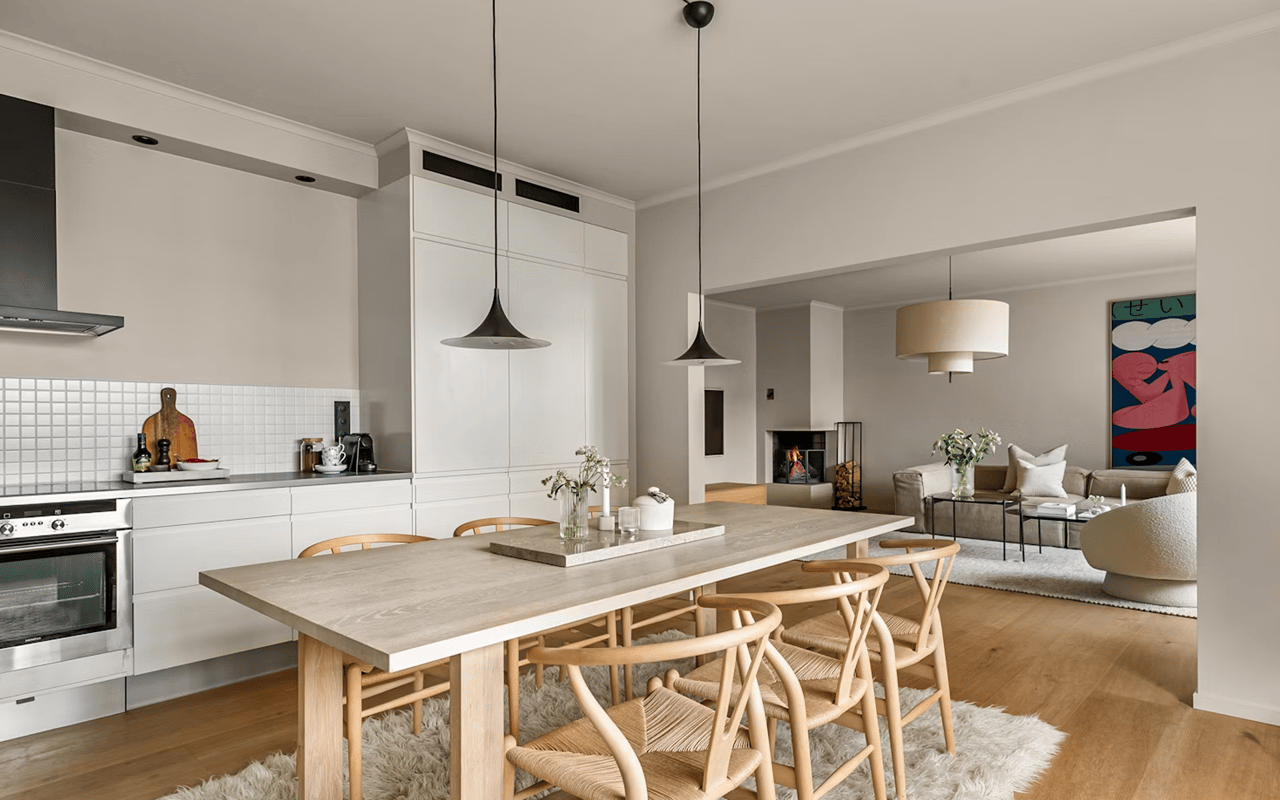
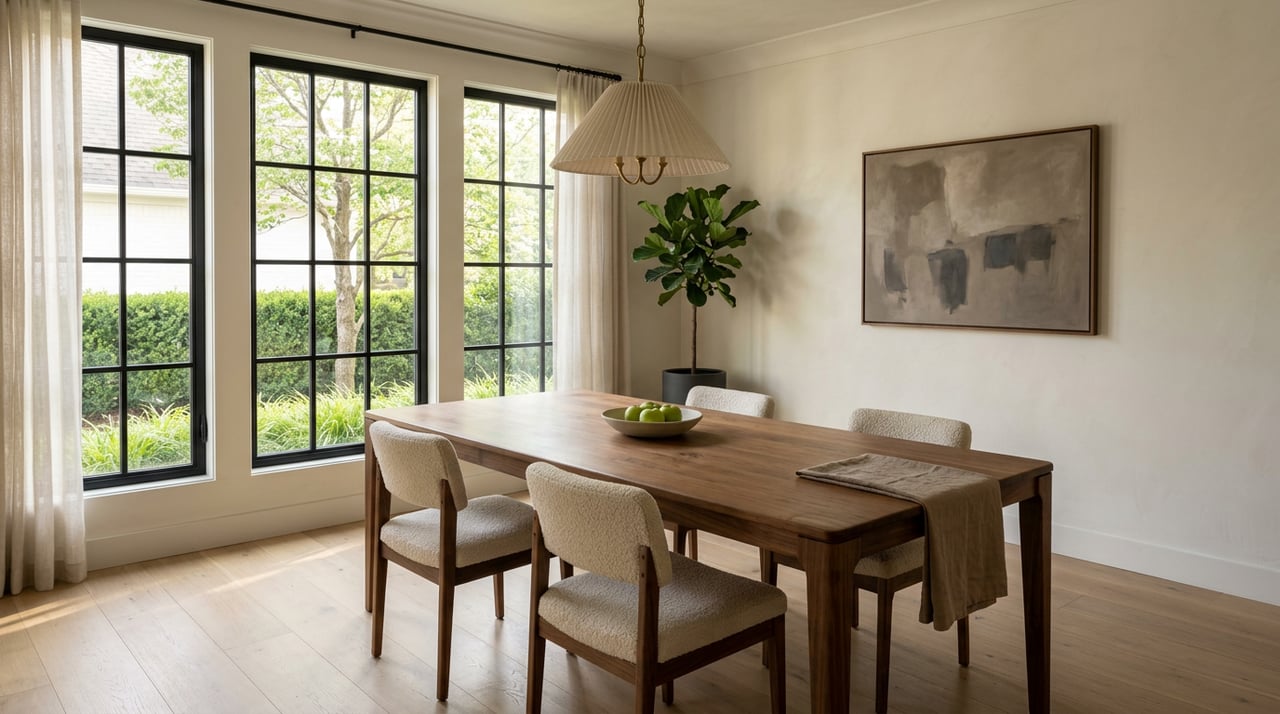
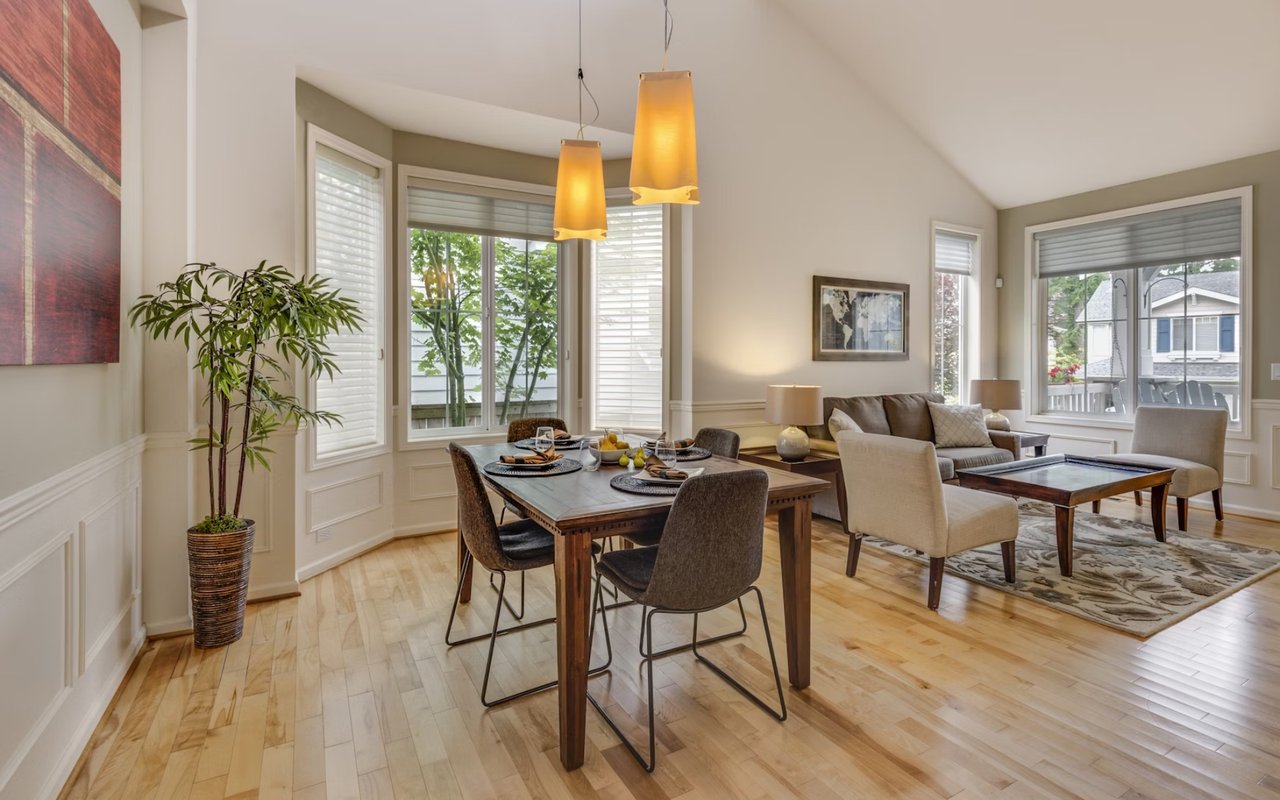
Dining rooms are the other classic statement lighting location, but the rule of thumb is to think beyond the traditional centered chandelier. Linear pendant systems work especially well over rectangular tables in open-concept spaces. Multi-bulb exposed filament fixtures add warmth and texture, while a dimmer is non-negotiable for a dining room that sees both everyday meals and dinner parties.
Where to Invest in Statement Fixtures
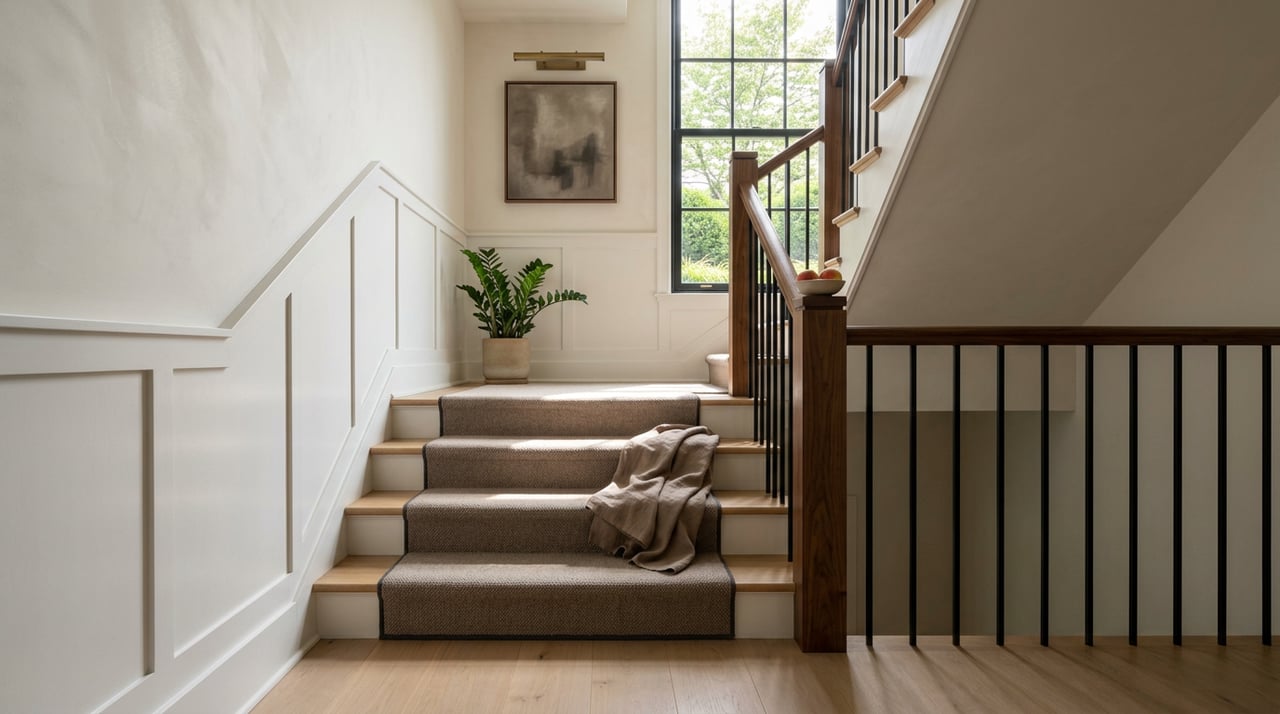
- Entry foyers and stairwells where vertical drama has the most visual impact.
- Dining rooms and kitchen islands where the fixture defines the social center of the space.
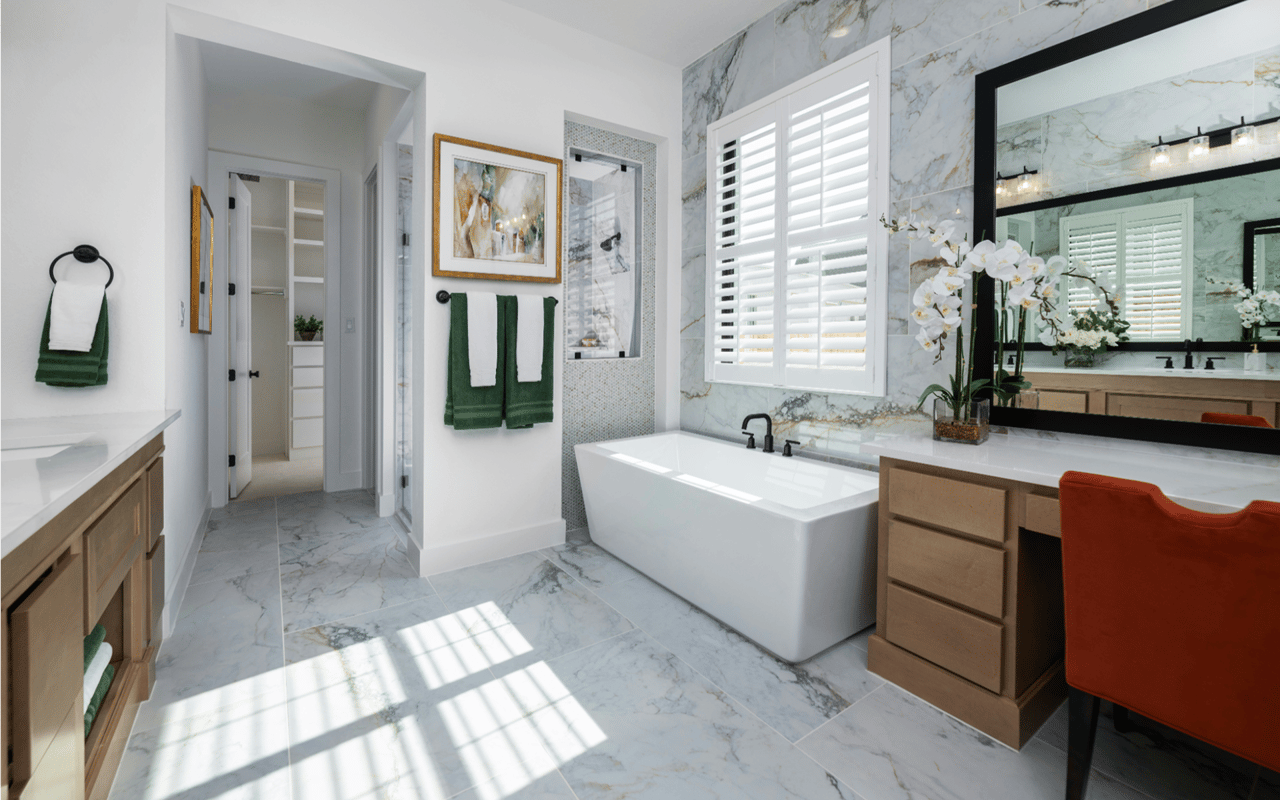
- Primary bathrooms over or beside vanities for a spa-inspired, elevated feel.
- Home offices and reading rooms where a striking pendant or swing-arm sconce adds personality.
- Covered outdoor patios and screened-in porches where a beautiful fixture extends your living space visually.
Smart Lighting and Technology Trends
Smart lighting has moved from a tech novelty to a genuine home feature that buyers in higher-end markets increasingly expect. Systems like Lutron Caseta, Philips Hue, and fully integrated whole-home platforms allow you to control color temperature, brightness, and scheduling from your phone or through voice commands.
For homeowners who work from home or use rooms for multiple purposes throughout the day, this flexibility is highly useful.
One of the most practical applications of smart lighting is the ability to shift color temperature based on time of day. Cool, energizing light in the morning transitions to warm, relaxed tones in the evening, which supports natural circadian rhythms. This is increasingly popular in primary bedrooms and home offices. Even basic tunable LED bulbs on a simple dimmer can approximate this effect at a modest cost.
Dimmer switches, even on traditional non-smart circuits, are one of the best low-cost upgrades. They extend bulb lifespan, reduce energy consumption, and give you the ability to shift the room's ambiance entirely based on the occasion. If you are preparing a home for sale, adding dimmers to the main living spaces and bedrooms is a quick improvement that shows buyers the home was thoughtfully finished.
Smart Lighting Features Worth Considering
- Scene presets that shift the entire room's lighting for different purposes.
- Motion-activated lighting in hallways, closets, and garages for convenience and efficiency.
- Outdoor smart lighting with scheduling and remote access for curb appeal.
- Tunable white bulbs that shift from cool to warm throughout the day.
- Integration with smart home hubs for seamless control.
Exterior and Outdoor Lighting Ideas
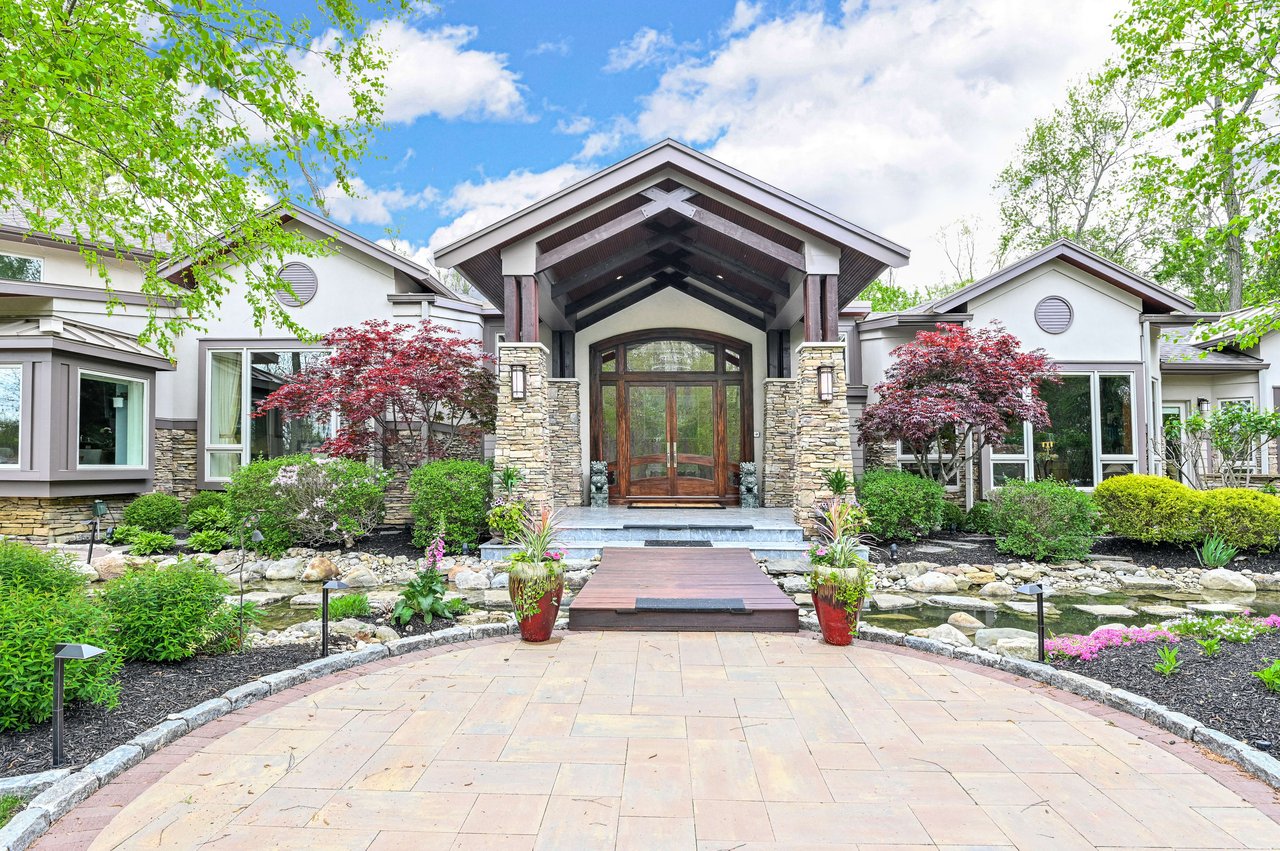
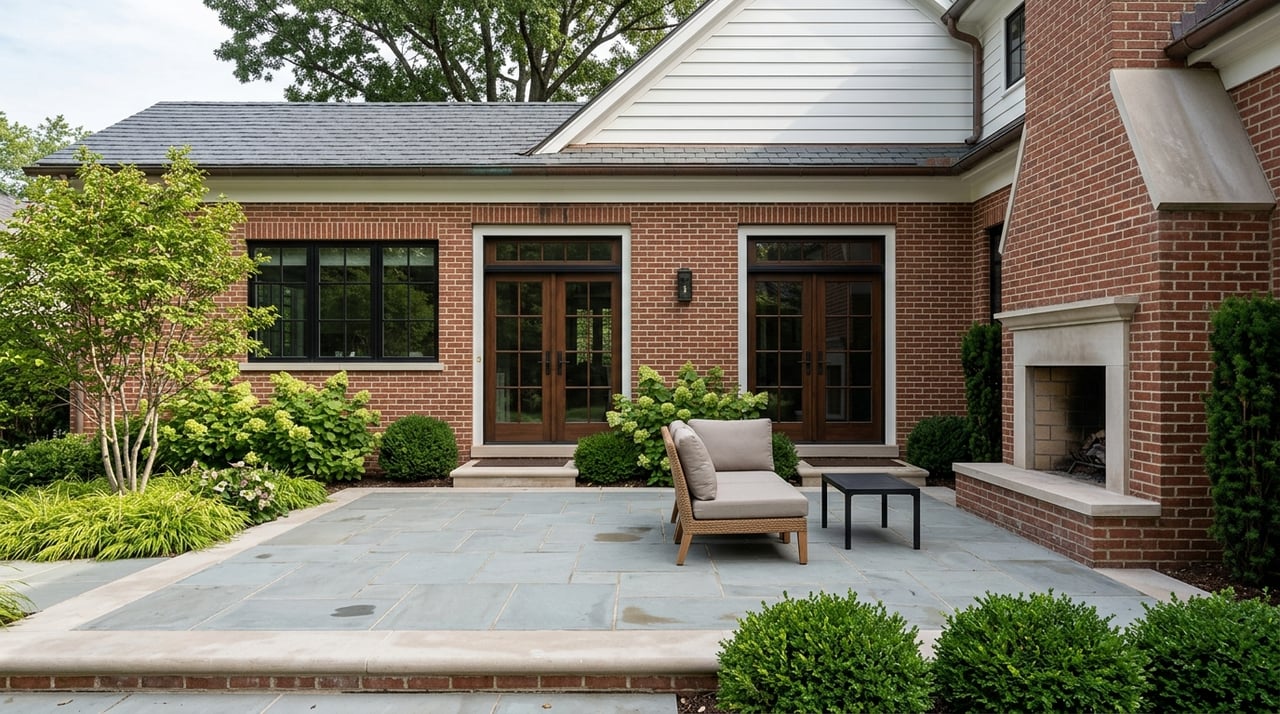
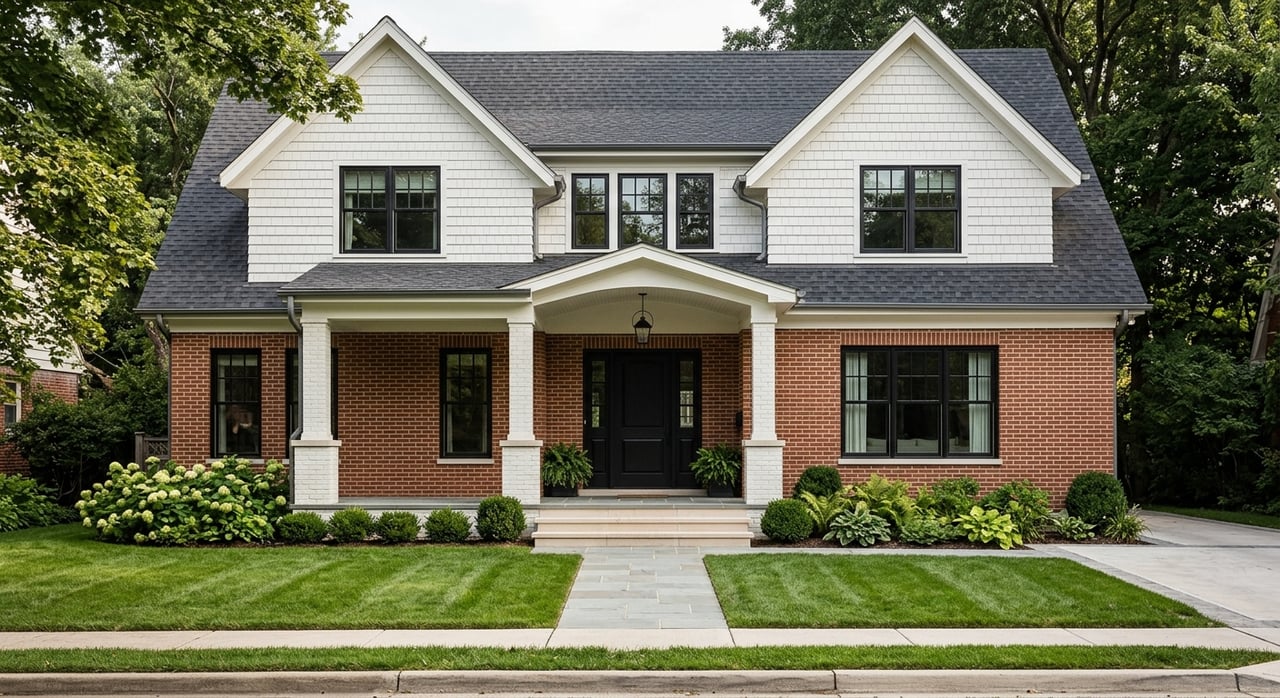
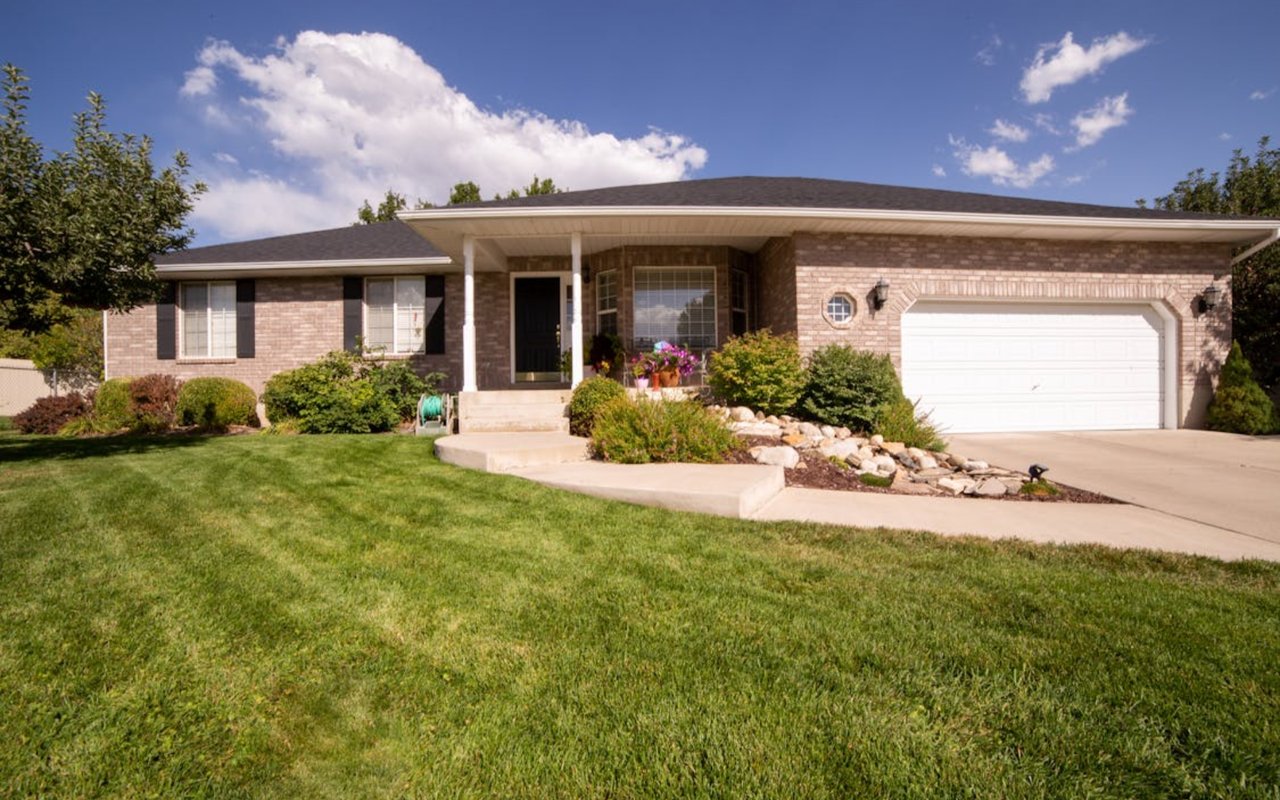
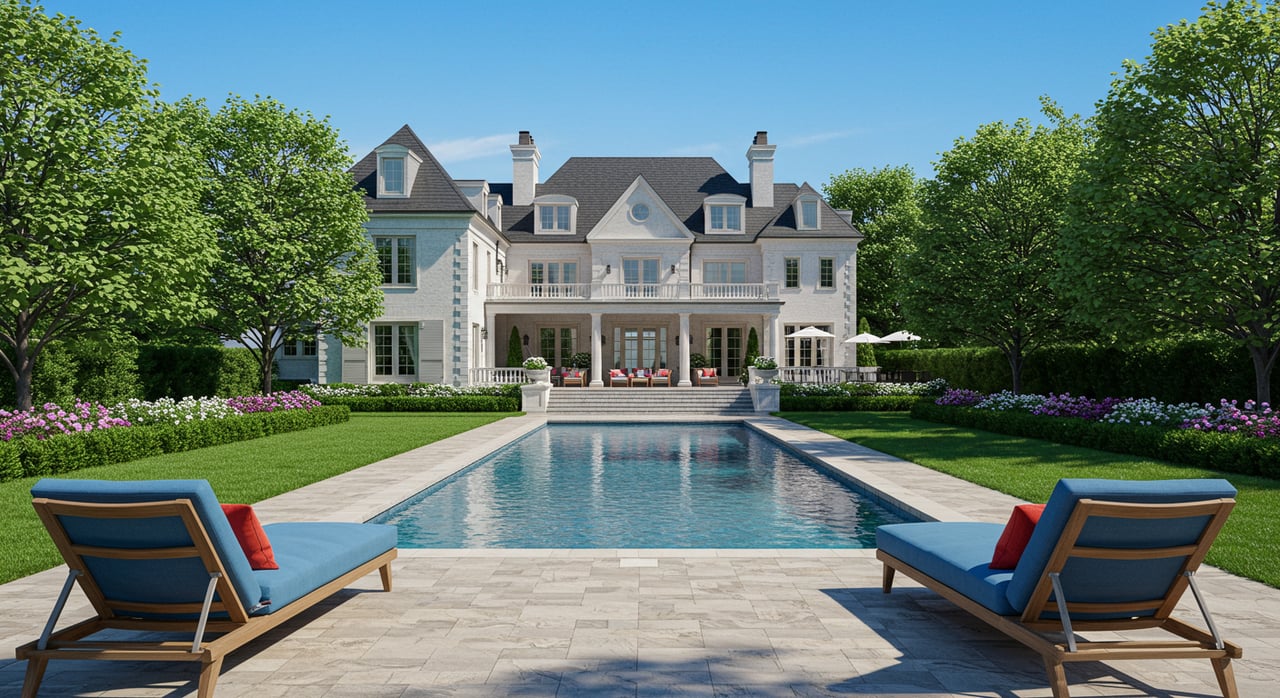
Cincinnati's four-season climate means that outdoor living spaces see significant use in the spring, summer, and early fall, and outdoor lighting is what makes those spaces functional after dark. A well-lit patio or backyard extends your usable square footage and dramatically improves curb appeal. In neighborhoods where landscaping and architecture are part of the home's overall presentation, outdoor lighting is part of the complete design picture.
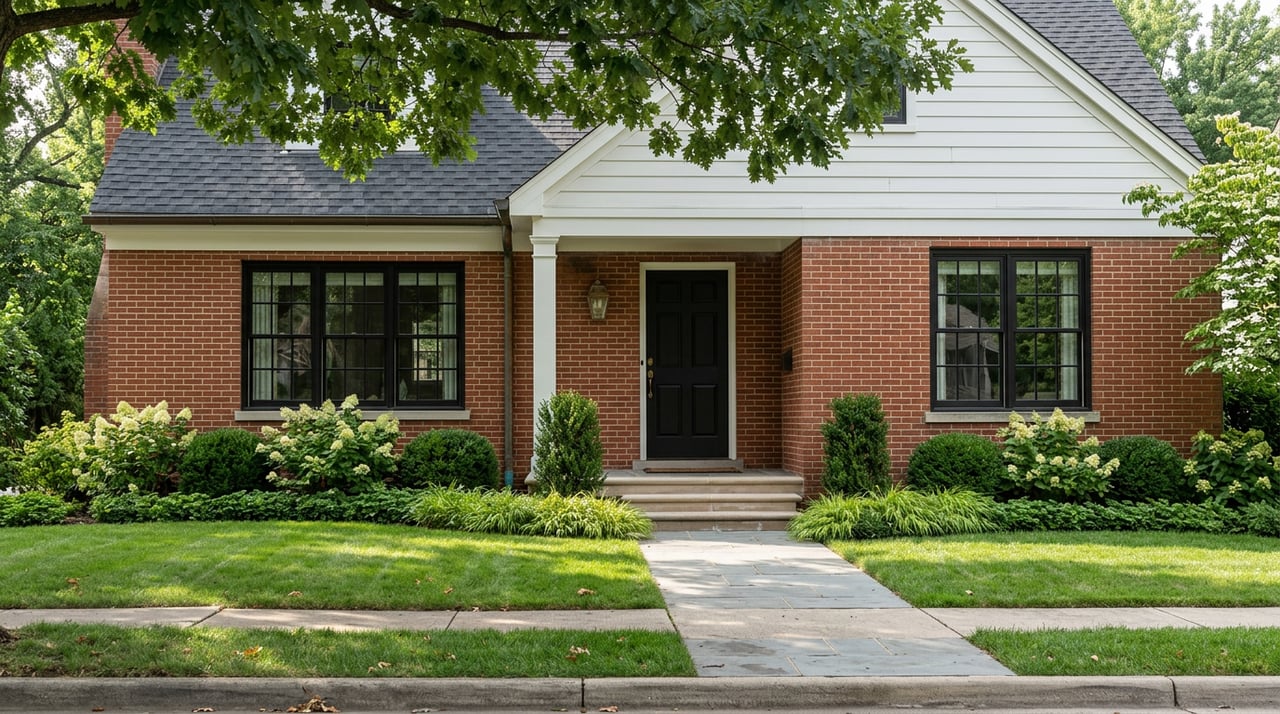
Path lighting along walkways and driveways serves both a practical function and an aesthetic one. Low-profile solar or low-voltage fixtures can outline a path beautifully while drawing the eye toward a well-landscaped front yard.
Up-lighting trained on mature trees or architectural features adds drama and depth to a property at night. Bollard lights along garden borders bring a contemporary, structured look that suits modern homes.
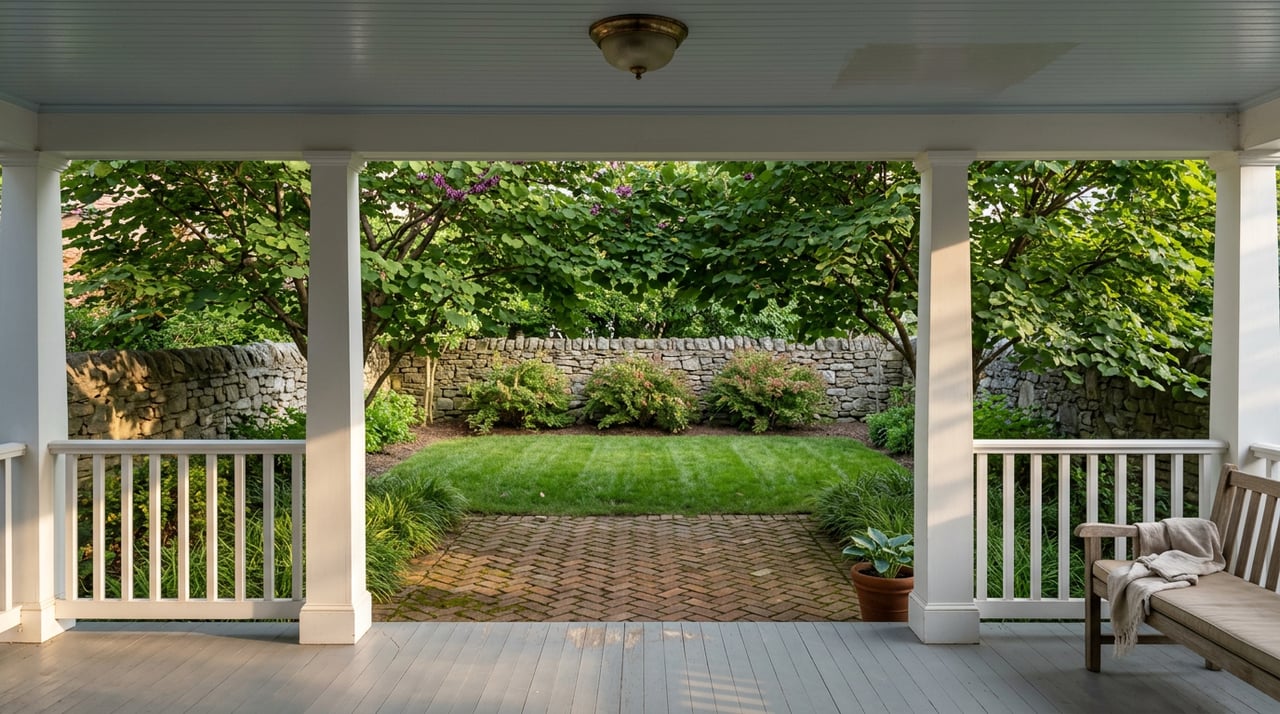
String lights remain popular on covered patios and pergolas because they create a warm, social atmosphere that is difficult to achieve with overhead fixtures alone. The key is to use warm-white bulbs rather than cool white and to hang them at a consistent height for a finished look. For covered porches and screened rooms, a combination of a ceiling fan with integrated lighting and wall-mounted sconces gives you flexibility across different weather conditions and uses.
Outdoor Lighting
- Up-lighting for mature trees, stone facades, and architectural details.
- Path lights along front walkways and garden borders for functionality and visual structure.
- String lights over patios and pergolas for warm, social atmosphere during spring and summer evenings.
- Step and riser lighting on decks and outdoor staircases for a modern, built-in look.
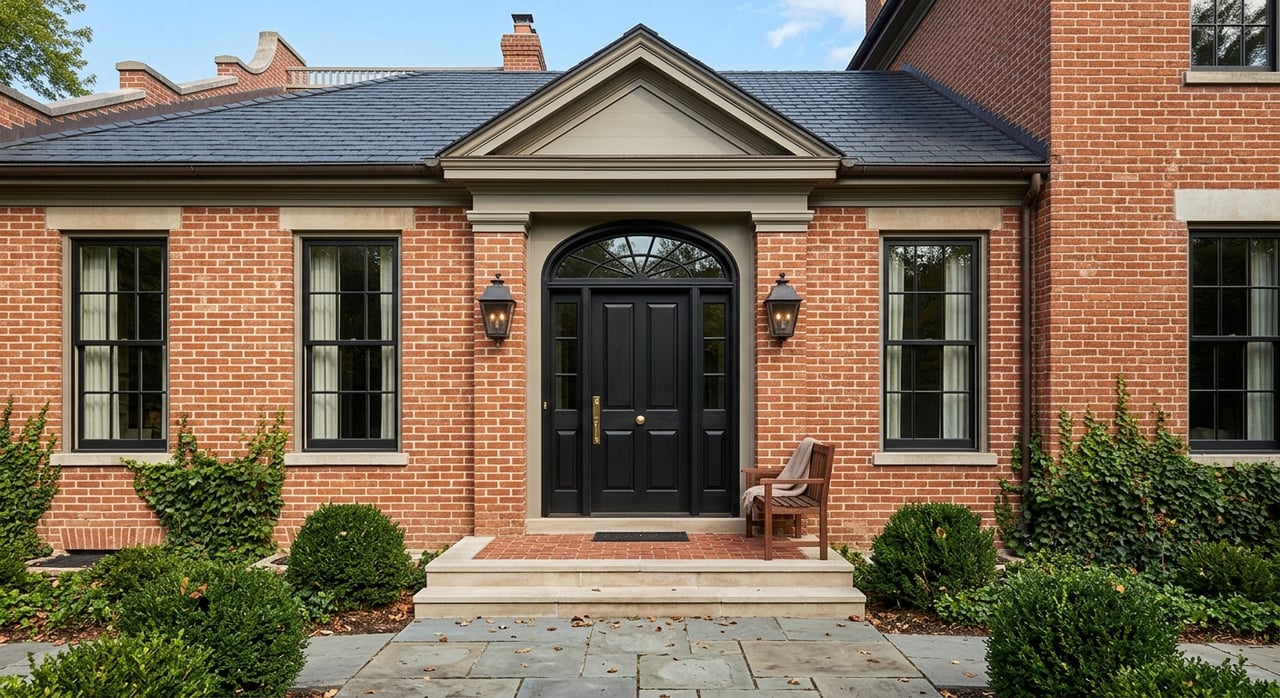
- Lantern-style wall sconces flanking garage doors and front entries for classic curb appeal with modern finishes.
FAQs
What Color Temperature Should I Use in a Modern Cincinnati Home?
For most living spaces, a color temperature between 2700K and 3000K strikes the right balance between warmth and clarity. Kitchens and bathrooms can lean slightly cooler, around 3000K to 3500K, for better visibility. Generally, avoid anything above 4000K in residential spaces, unless you have a specific reason for it; cool white light tends to feel clinical rather than comfortable.
Are Smart Lighting Systems Worth It?
Smart lighting systems offer long-term value in convenience, energy savings, and home appeal. For a simpler upgrade, even basic dimmer switches and high-quality LED bulbs can meaningfully improve how a home feels without requiring a significant investment.
What Lighting Works Best in Open-Concept Homes?
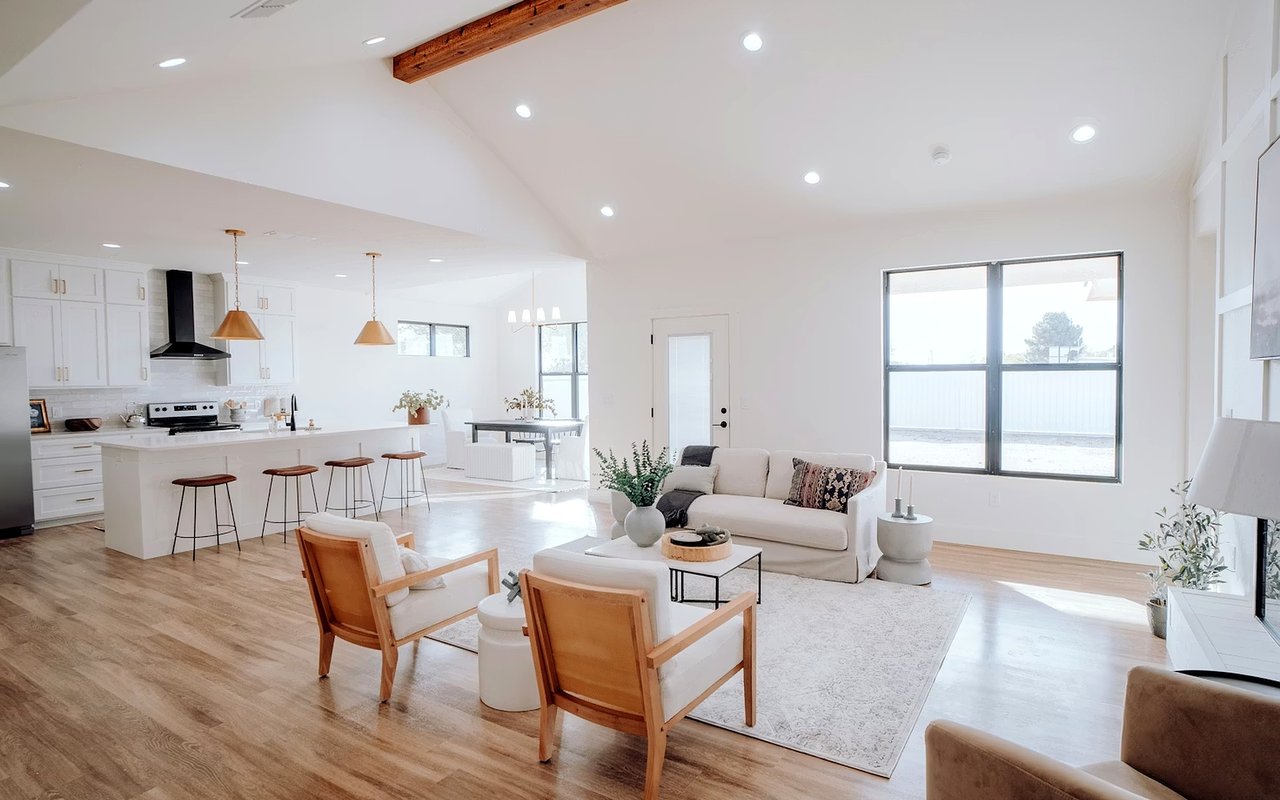
Open-concept layouts benefit most from lighting zones that define different areas within the shared space. Pendant fixtures over the kitchen island, a chandelier or linear system over the dining table, and recessed cans throughout the living area work together to create distinct visual anchors. Dimmers on each zone let you shift emphasis across the space, depending on how it is being used.
Can Lighting Increase a Home's Resale Value in Cincinnati?
Buyers respond to homes that feel finished and well-considered, and lighting contributes significantly to that impression. Updated fixtures in kitchens, primary bathrooms, and entryways, combined with dimmers and cohesive finishes throughout, can meaningfully improve buyer perception during showings.
Light Up Your Home the Right Way
Lighting is one of the most cost-effective ways to transform how a home feels, and in a market like Cincinnati, where buyers are paying close attention to details, it is also one of the smarter investments you can make before listing. The homes that show best are almost always the ones where the lighting has been thoughtfully layered, the fixtures reflect the home's design sensibility, and the exterior is as intentional as the interior. The result is a home that feels more livable, photographs better, and stands out in a competitive market.
If you are thinking about buying or selling in the Cincinnati area and want guidance on which upgrades offer the highest return, we are here to help you make smart, strategic decisions at every stage of the process. Reach out to us at The Julia Wesselkamper Group. Serving the greater tri-state area, including Cincinnati and Northern Kentucky, and with a global network for international clients, we can guide you to making wise decisions at every turn.