By The Julia Wesselkamper Group
Buying or selling a home is one of the most significant financial decisions most people will ever make. It is also, undeniably, one of the most emotional. From the excitement of walking through a home that immediately feels right to the anxiety of waiting for negotiations, the psychological dimensions of a real estate transaction are impossible to separate from the practical ones.
Understanding how emotions shape your decisions can mean the difference between a smooth experience and one you spend years second-guessing.
The emotions involved in a home purchase or sale are not a sign of weakness or irrationality. They are a natural response to a high-stakes event that impacts nearly every aspect of your life: your finances, your relationships, your sense of identity, and your vision of the future. The challenge is learning how to honor those emotions without letting them hinder your judgment at critical moments.
Whether you are buying your first home, upsizing after years of waiting, or finally listing a house, knowing what to expect emotionally can help you move through the process with more confidence and fewer regrets.
Key Takeaways
-
Emotions are a normal and expected part of buying or selling a home, and understanding them in advance can help you make better decisions.
-
Buyers often experience a combination of excitement, anxiety, and self-doubt throughout the search and offer process.
-
Sellers face their own emotional challenges, including attachment to the home, fear of loss, and stress during negotiations.
-
Unchecked emotions can lead to costly missteps, from overbidding in a competitive market to pricing a home too high out of sentimentality.
-
Working with an experienced real estate agent can help you stay grounded and navigate emotional moments with a clear mindset.
Why Buying a Home Feels So Personal
There is a reason why people say they "fell in love" with a house. A home is not just a transaction; it is where you imagine your future unfolding.
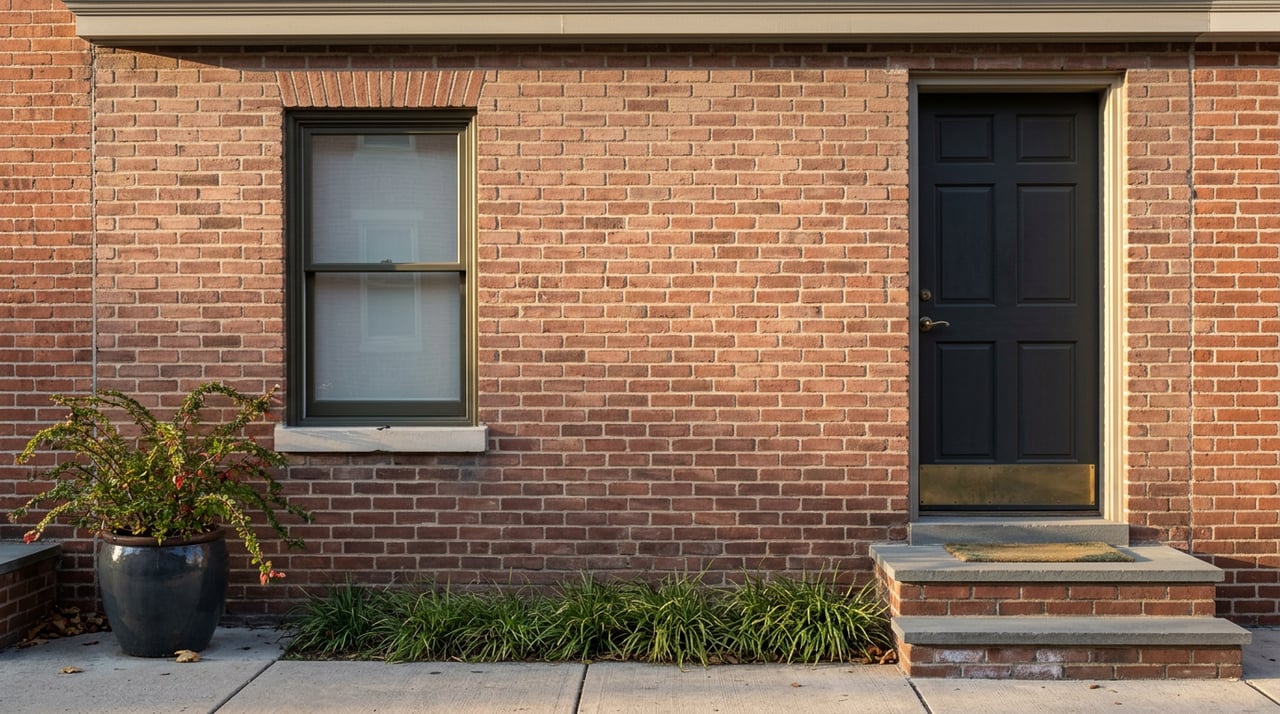
The moment you walk through a front door and picture yourself cooking in the kitchen or watching the sun set from the back porch, you are no longer just a rational consumer evaluating square footage. You are projecting your identity and your aspirations onto four walls and a foundation.
This emotional connection is not a problem in itself. It can actually help clarify what matters most to you. A home that gives you an immediate, visceral sense of belonging is worth paying attention to. The problem arises when that emotional pull overrides your ability to evaluate the practical realities: the inspection report, the comps, the condition of the roof.
Buyers also contend with anxiety throughout the process. The fear of missing out on a home you love, the stress of getting financing in order, and the vulnerability of submitting an offer all tap into deeper worries about stability and belonging. Recognizing these feelings as they come up gives you a better chance of processing them constructively rather than making a reactive decision you later regret.
The moment you walk through a front door and picture yourself cooking in the kitchen or watching the sun set from the back porch, you are no longer just a rational consumer evaluating square footage. You are projecting your identity and your aspirations onto four walls and a foundation.
This emotional connection is not a problem in itself. It can actually help clarify what matters most to you. A home that gives you an immediate, visceral sense of belonging is worth paying attention to. The problem arises when that emotional pull overrides your ability to evaluate the practical realities: the inspection report, the comps, the condition of the roof.
Buyers also contend with anxiety throughout the process. The fear of missing out on a home you love, the stress of getting financing in order, and the vulnerability of submitting an offer all tap into deeper worries about stability and belonging. Recognizing these feelings as they come up gives you a better chance of processing them constructively rather than making a reactive decision you later regret.
Emotional Nuances Buyers Often Encounter
-
Overlooking red flags in a home you are emotionally invested in.
-
Panic bidding in a competitive market, driven by fear of losing the home rather than confidence in its value.
-
Decision fatigue after months of searching, which can push buyers toward settling for a home that does not meet their criteria.
-
Buyer's remorse after an offer is accepted, when the enormity of the commitment suddenly feels very real.
-
Frustration when a deal falls through, which can discourage buyers from staying focused on finding the right space.
The Emotional Weight of Selling a Home
Sellers are often surprised by how difficult it is to let go of a home that they have lived in for years. Even when a move is exciting and purposeful, selling can cause a wave of grief that catches people off guard. After all, you are not just handing over a property; you are closing a chapter of your life. The memories attached to a home are woven into its walls.
This attachment can affect your judgment in concrete ways. Sellers who are emotionally connected to a home often price it higher than the market will bear, not because they are being unreasonable but because the price feels like a reflection of how much the home meant to them. It can also make it harder to prepare the home for sale in a detached, strategic way. Decluttering a home you love, repainting a room you chose carefully, and staging spaces to feel generic rather than personal can all feel like small acts of erasure.
Negotiations bring a different kind of emotional challenge. Receiving a lowball offer can feel insulting even when it is standard practice, and pushback on requested repairs can feel like a criticism of how you maintained the home. Separating your emotional identity from the transaction is one of the hardest and most important things you can do as a seller.
This attachment can affect your judgment in concrete ways. Sellers who are emotionally connected to a home often price it higher than the market will bear, not because they are being unreasonable but because the price feels like a reflection of how much the home meant to them. It can also make it harder to prepare the home for sale in a detached, strategic way. Decluttering a home you love, repainting a room you chose carefully, and staging spaces to feel generic rather than personal can all feel like small acts of erasure.
Negotiations bring a different kind of emotional challenge. Receiving a lowball offer can feel insulting even when it is standard practice, and pushback on requested repairs can feel like a criticism of how you maintained the home. Separating your emotional identity from the transaction is one of the hardest and most important things you can do as a seller.
What Sellers Struggle With Most
-
Overpricing out of sentimentality, which leads to longer days on the market and eventual price reductions.
-
Taking low offers or inspection requests personally, which can derail negotiations that were otherwise moving in the right direction.
-
Resistance to staging and depersonalization, which can make it harder for buyers to envision themselves in the space.
-
Grief and nostalgia during showings, which can make sellers reluctant to leave.
-
Post-sale second-guessing.
How Emotions Can Lead to Costly Mistakes
The intersection of emotion and money is where most real estate regrets are born. On the buying side, emotional decision-making can push buyers to stretch beyond their budget for a home they feel they cannot live without, take on more risk than their financial situation can absorb, or skip due diligence steps out of eagerness.
On the selling side, the costs look different. A seller who is grieving the loss of a home may unconsciously sabotage the process by refusing to make reasonable repairs, rejecting offers too quickly, or holding out for a number the market simply will not support. These decisions feel emotionally coherent in the moment but often result in a longer time on the market and a lower eventual sale price.
Understanding the patterns emotions tend to follow during a transaction gives you a framework for pausing when it matters most. Recognizing the feeling of panic before you overbid — or the feeling of defensiveness before you reject a fair offer — creates just enough distance to reconsider.
On the selling side, the costs look different. A seller who is grieving the loss of a home may unconsciously sabotage the process by refusing to make reasonable repairs, rejecting offers too quickly, or holding out for a number the market simply will not support. These decisions feel emotionally coherent in the moment but often result in a longer time on the market and a lower eventual sale price.
Understanding the patterns emotions tend to follow during a transaction gives you a framework for pausing when it matters most. Recognizing the feeling of panic before you overbid — or the feeling of defensiveness before you reject a fair offer — creates just enough distance to reconsider.
Patterns Worth Watching
-
Urgency that appears suddenly after a long search period, which can push buyers into decisions they are not ready for.
-
Resentment toward buyers during negotiations, which can cloud a seller's ability to evaluate offers objectively.
-
Euphoria early in the buying process, which sometimes fades once the reality of financing and inspections sets in.
-
Attachment to a specific outcome, such as a particular closing date or price, that is not supported by market conditions.
The Role of Your Real Estate Agent in Emotional Moments
A skilled real estate agent does more than open doors and write contracts. One of the most valuable things we can do for you is serve as an emotional anchor during the parts of the transaction when your feelings are most likely to cloud your thinking.
That means giving you honest feedback when you are about to overbid, reminding you of your priorities when you fall in love with a home that does not meet your criteria, and staying calm during negotiations so that your emotional state does not drive the strategy.
Our agents understand the emotional landscape of real estate, because we have guided many buyers and sellers through it. We know what it feels like to lose out on a home, and we know how to reframe that loss so it does not derail your search. We know how emotionally challenging it is to price a home you have poured yourself into, and we know how to have that conversation in a way that honors your connection while keeping you competitive in the market.
That means giving you honest feedback when you are about to overbid, reminding you of your priorities when you fall in love with a home that does not meet your criteria, and staying calm during negotiations so that your emotional state does not drive the strategy.
Our agents understand the emotional landscape of real estate, because we have guided many buyers and sellers through it. We know what it feels like to lose out on a home, and we know how to reframe that loss so it does not derail your search. We know how emotionally challenging it is to price a home you have poured yourself into, and we know how to have that conversation in a way that honors your connection while keeping you competitive in the market.
How a Strong Agent Partnership Helps
-
Providing data-driven pricing guidance that separates market value from emotional value.
-
Helping you identify your non-negotiables before the search begins, so you have an anchor when emotions run high.
-
Offering honest feedback about homes and offers.
-
Managing communication during negotiations so that your emotional reactions do not shape the conversation.
-
Normalizing the emotional experience so that you know you are not alone in what you are feeling.
FAQs
Is It Normal To Feel Anxious When Buying a Home?
Absolutely. Anxiety is one of the most common emotions buyers report throughout the process. You are making a major financial commitment, and the stakes are high in every direction. What matters is that you do not let anxiety push you into decisions that are not right for you. Talk openly with our team about what is worrying you and let that honesty guide the conversation.
How Can Emotions Affect the Negotiation Process?
Emotions can make negotiations more volatile and more personal than they need to be. Buyers who feel desperate or in love with a home may give away their leverage early. Sellers who feel defensive may reject reasonable offers or requests. The best negotiations happen when both sides stay focused on the practical terms of the deal.
What Should I Do if I Fall in Love With a Home That Does Not Fit My Budget?
It is worth taking a breath before acting. Ask yourself whether the appeal is based on specific, practical features that you genuinely cannot find elsewhere, or whether it is driven by the emotional charge of the moment. We’ll talk through the options honestly with before submitting an offer to make sure you’re on the right track.
Your Next Move Starts With Clarity
The emotional experience of buying or selling a home is not something to push through or ignore. It is something to understand, anticipate, and work with. When you recognize the feelings that are likely to surface, you give yourself the opportunity to make decisions that align with your goals rather than your fears or your excitement in a given moment.
Whether you are buying your first home or your fifth, the emotional weight of a real estate transaction deserves more than a transactional approach. We are here to guide you through every stage with honesty, local expertise, and a genuine investment in your outcome. Reach out to us at The Julia Wesselkamper Group, and let's start the journey. Serving the greater tri-state area, including Cincinnati and Northern Kentucky, with a global network for international clients, we have the market insight to make your next move your best one yet.
We are here to help you navigate both the practical and emotional dimensions of this process, bringing clarity when things feel overwhelming and honest counsel when the stakes feel highest. The goal is not just to close a deal; it is to help you move forward in a way that feels right long after the paperwork is signed.
Whether you are buying your first home or your fifth, the emotional weight of a real estate transaction deserves more than a transactional approach. We are here to guide you through every stage with honesty, local expertise, and a genuine investment in your outcome. Reach out to us at The Julia Wesselkamper Group, and let's start the journey. Serving the greater tri-state area, including Cincinnati and Northern Kentucky, with a global network for international clients, we have the market insight to make your next move your best one yet.
We are here to help you navigate both the practical and emotional dimensions of this process, bringing clarity when things feel overwhelming and honest counsel when the stakes feel highest. The goal is not just to close a deal; it is to help you move forward in a way that feels right long after the paperwork is signed.