If you want a neighborhood where you can grab coffee, stroll to dinner, spend time outdoors, and still come home to quiet residential streets, Hyde Park stands out. It has a daily rhythm that feels both connected and comfortable, which is a big reason so many people are drawn to it. Whether you are thinking about moving to Hyde Park or just want a clearer picture of the area, this guide will walk you through what everyday life is really like. Let’s dive in.
Hyde Park Feels Lively and Residential
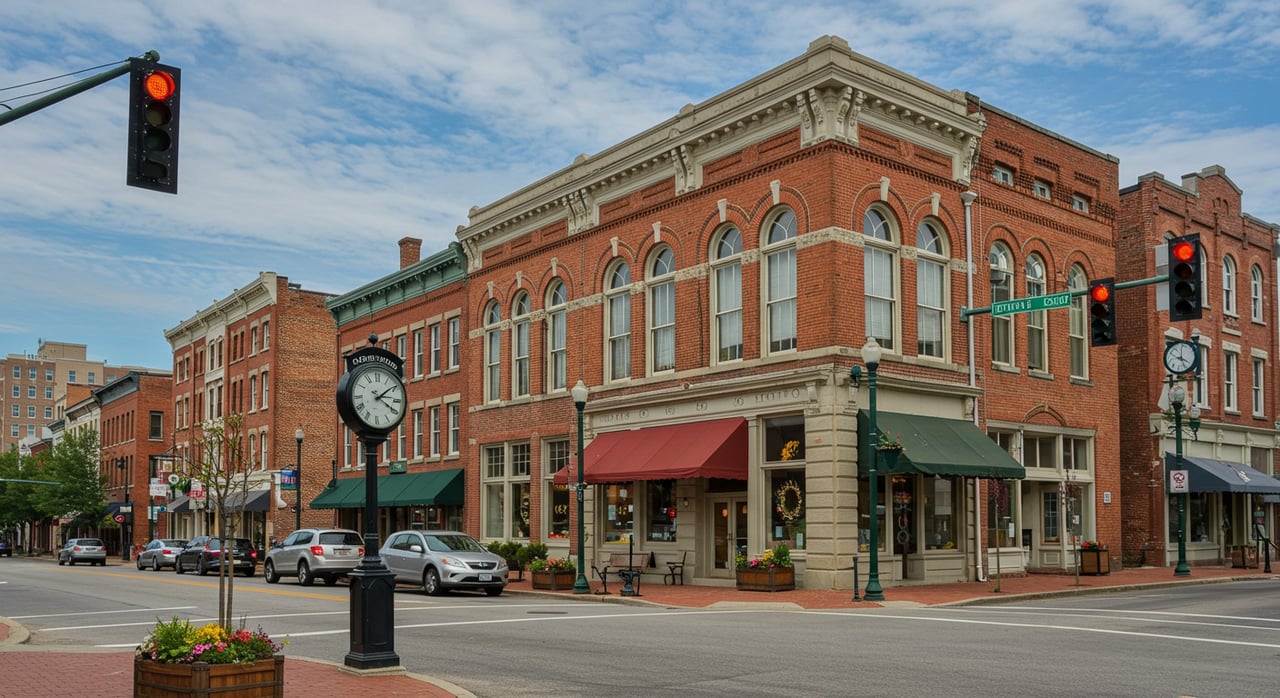
One of Hyde Park’s biggest strengths is balance. The neighborhood centers on Hyde Park Square, but the broader area remains primarily residential according to the city’s plan for the community. That gives you a lifestyle that blends a walkable hub with tree-lined streets and a more relaxed home environment.
The neighborhood approximation from 2020 counted 14,193 residents, and the city’s plan notes an average age of 35. It also says about two-thirds of current residents moved in after 2010, with many newer residents arriving in their 20s. In everyday terms, that points to a neighborhood that feels established but continues to attract new energy.
Hyde Park Square Shapes Daily Life
For many residents, Hyde Park Square is the place that sets the tone for the neighborhood. It is not just a commercial area. It is the everyday center where errands, coffee runs, casual meals, and community events all come together.
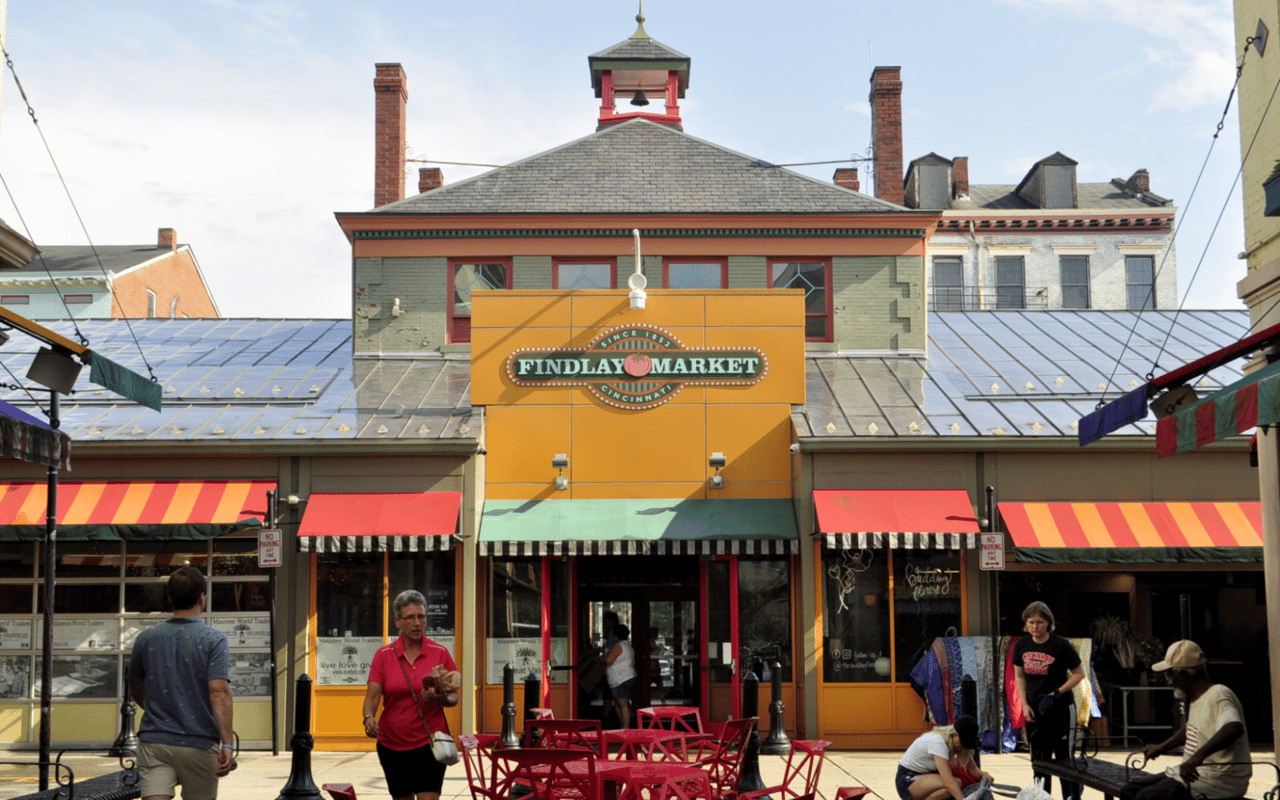
The business association says the square has more than 100 local businesses. That local focus matters because it gives the area a more personal, less chain-driven feel. You are more likely to find independent spots and specialty shops than a cookie-cutter retail strip.
Cincinnati Parks describes Hyde Park Square as a small sitting park with the Kilgour Fountain at its center, and it also hosts a seasonal farmers market. Recent city revitalization work widened sidewalks and improved accessibility around the park, which supports the neighborhood’s pedestrian-friendly feel in and around the square.
Dining and shopping are part of the routine
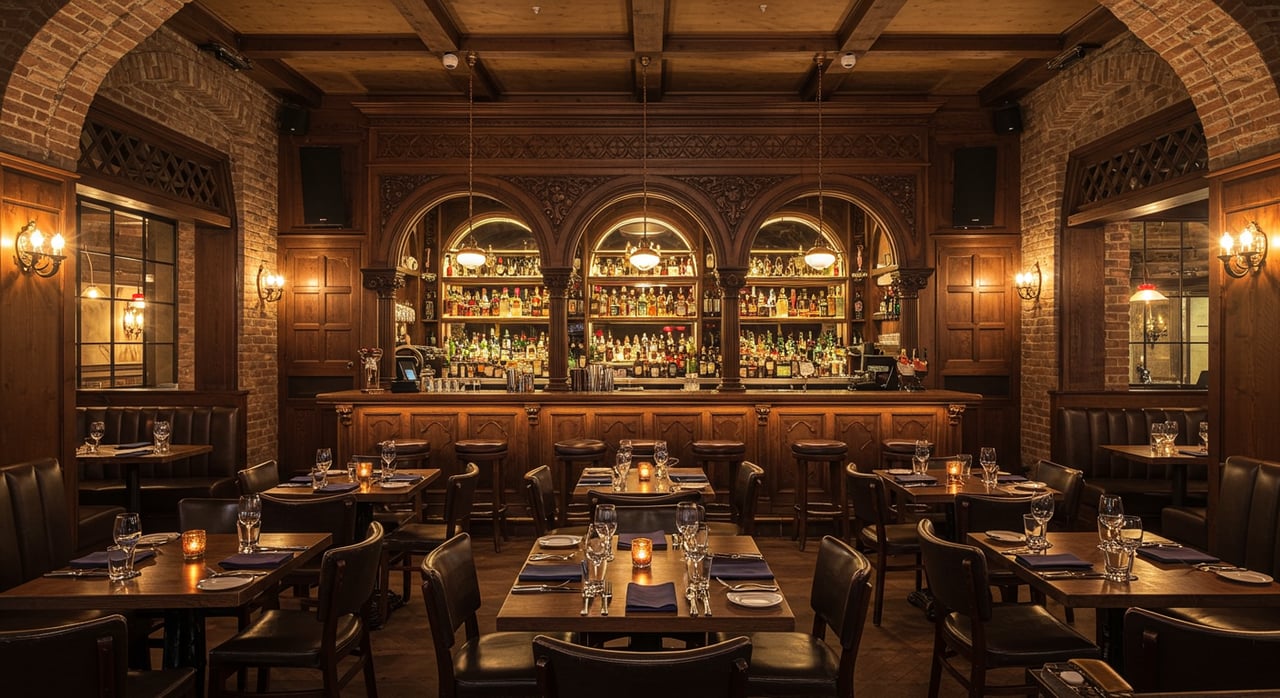
In Hyde Park, going out often feels easy and close to home. Current listings around the square include restaurants and cafes like Alfio’s Buon Cibo, Al Posto, Awakenings Coffee Roasters, and Peace Love and Little Donuts. The shopping mix also includes boutiques, stationery, fly-fishing gear, and gift shops.
That variety makes everyday life more convenient and more enjoyable. You can run a quick errand, meet a friend for coffee, or pick up something unique without leaving the neighborhood core.
Events create a neighborhood rhythm
Hyde Park Square is not busy only because of its shops and restaurants. Its calendar also helps shape the neighborhood’s social rhythm throughout the year.
Recurring events include the Sunday farmers market, the Hyde Park Art Show, and the Hyde Park Blast. These events give the area a sense of seasonality and community activity without changing its overall residential character.
Outdoor dining has a social feel
The square also operates as a DORA, or designated outdoor refreshment area, during set hours in the signed district around Kilgour Fountain. That adds a more relaxed social element for people enjoying the square’s restaurants and gathering spaces.
For some residents, this is part of what makes Hyde Park feel active without feeling overwhelming. You get an urban-style amenity in a neighborhood-scale setting.
Outdoor Time Is Easy to Fit In
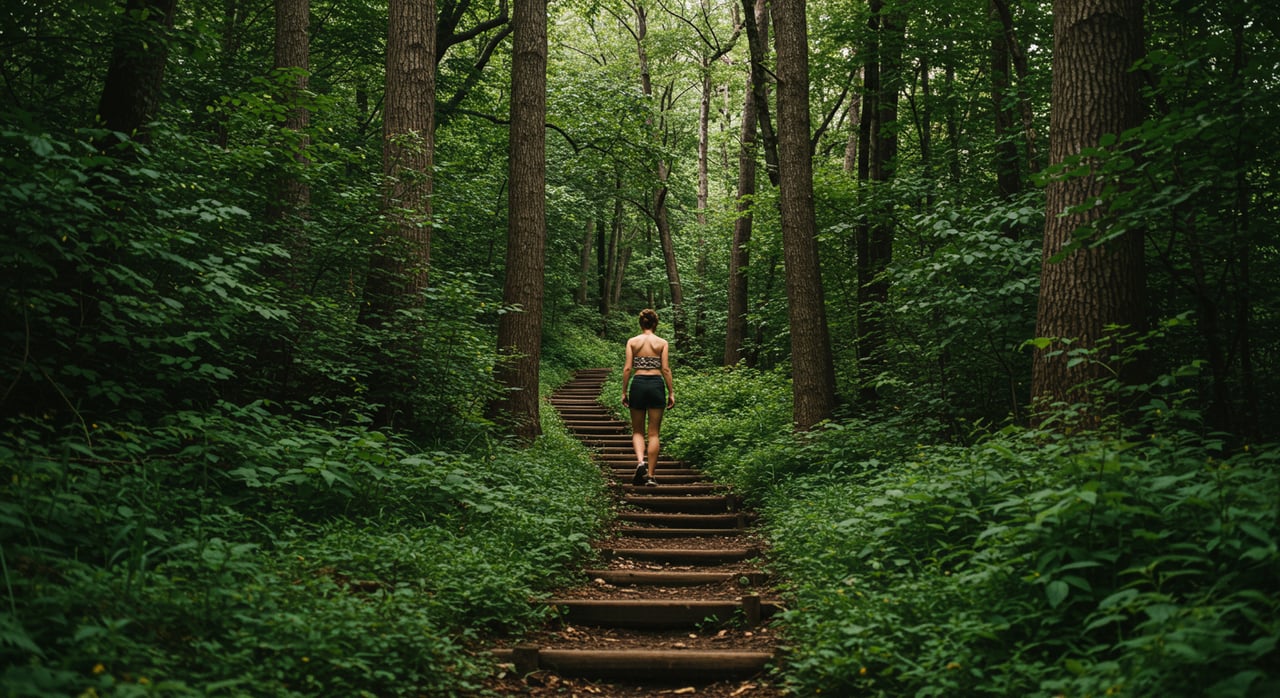
Hyde Park supports a lifestyle where getting outside does not have to be a special occasion. The neighborhood includes Hyde Park Square, Larz Anderson Park, and Madison Park, according to Cincinnati Parks. Each offers a different kind of outdoor experience, from a quick sit-down in the square to a quieter green space nearby.
Larz Anderson Park is described as a tucked-away hillside park above Columbia Parkway with views of the Ohio River. That kind of setting adds a scenic option for a walk or a short break in the day. It is one more reason the neighborhood feels layered rather than one-note.
Nearby Ault Park, located in Mt. Lookout, expands those options even more. Cincinnati Parks notes picnic areas, nature trails, play areas, and overlook points there, which gives Hyde Park residents access to a larger regional park experience just beyond the neighborhood.
Walking and biking are part of the mix
The Wasson Way Trail Network is an important amenity for people who like to walk or bike. The city describes it as a bicycle-and-pedestrian corridor with completed segments through Hyde Park, designed to connect Uptown and Fairfax and improve access across nearby neighborhoods.
For everyday life, that means recreation and mobility can overlap. You can use the trail for exercise, fresh air, or practical neighborhood access, depending on your routine.
Getting Around in Hyde Park
Hyde Park is often described as walkable, and that is true in and around the square. At the same time, most residents still rely on a car for work and many daily trips. That combination is one of the clearest realities of living here.
In the city’s 2020 neighborhood approximation, 6,934 workers drove alone, while 888 worked from home. Smaller numbers walked, used public transportation, or bicycled. So if you picture a lifestyle where you can walk for coffee, dinner, or a few errands but still keep a car for most commuting, Hyde Park likely fits that expectation.
Transit and parking matter
Metro serves the area on multiple routes, including Route 10 Erie Ave and Route 51 Uptown Connector. Metro’s schedules page also lists Hyde Park Square as a popular destination, which reinforces its role as a neighborhood hub.
If you drive to the business district, parking rules are also part of daily life. The city places Hyde Park in a business-district enforcement window of 8 a.m. to 9 p.m., Monday through Saturday. That is useful to know if you expect to spend a lot of time in the square.
The Housing Feel Is Established and Varied
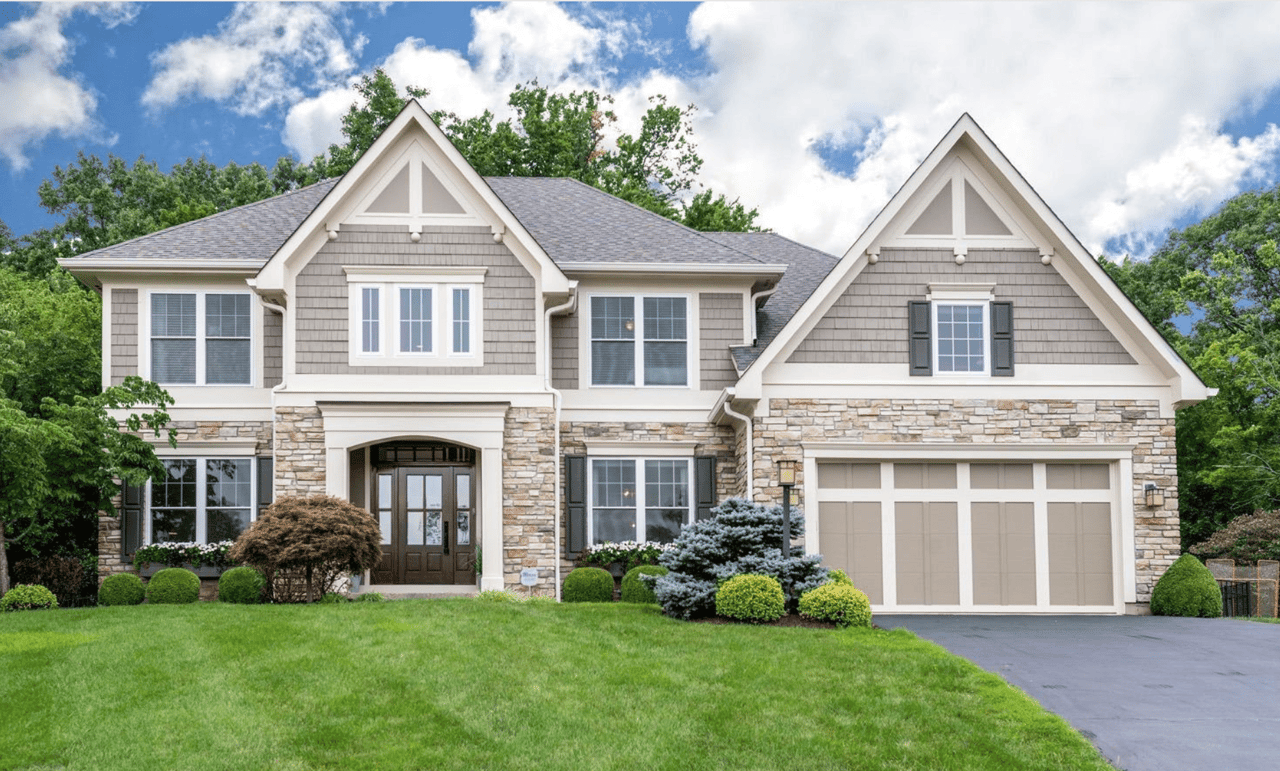
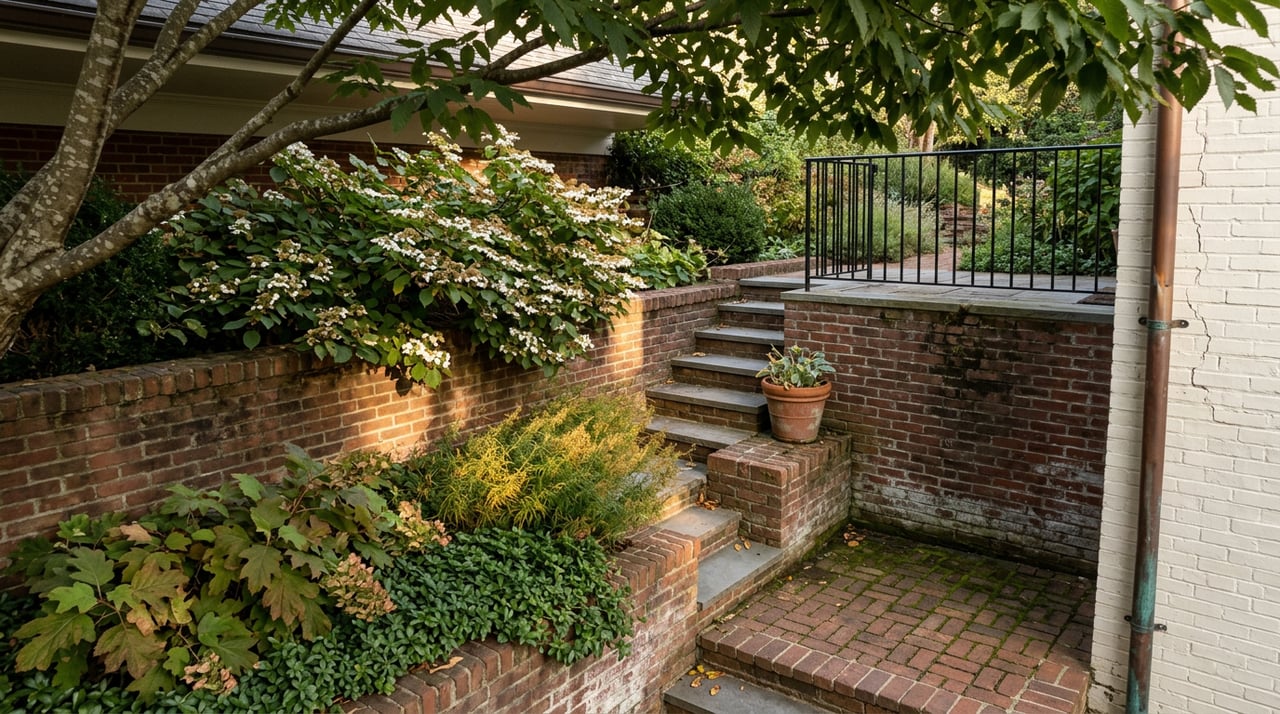
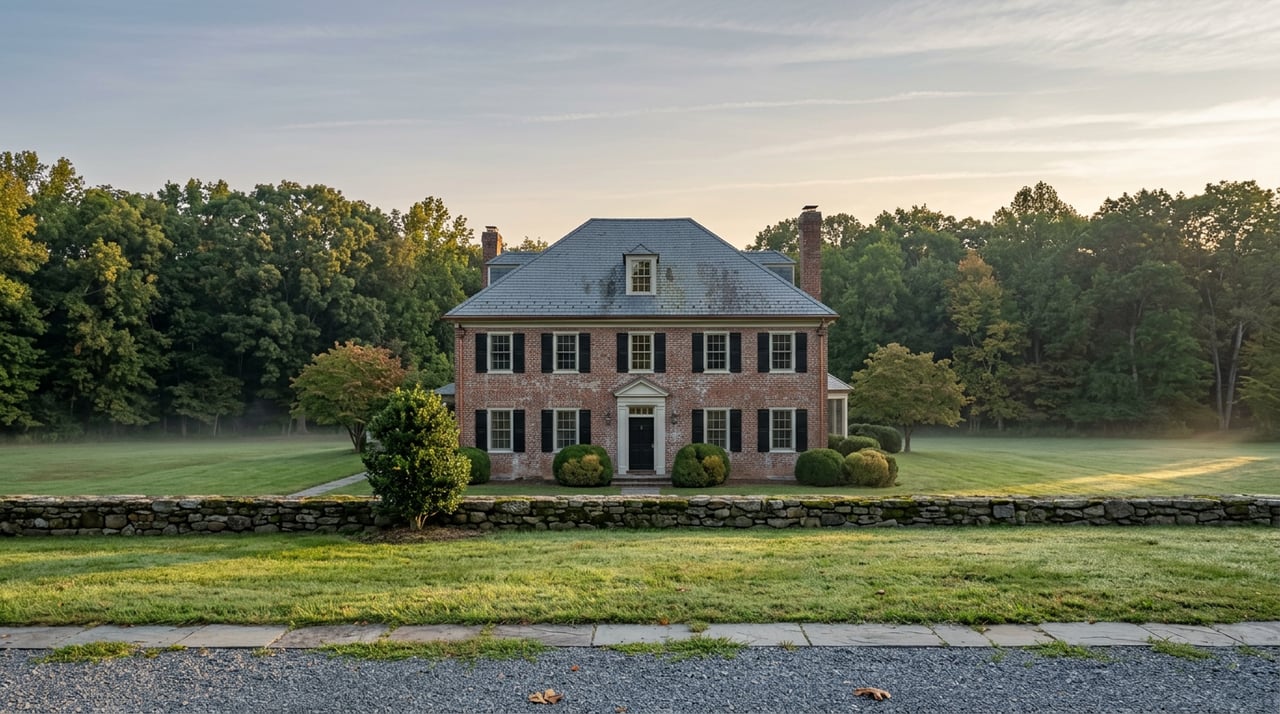
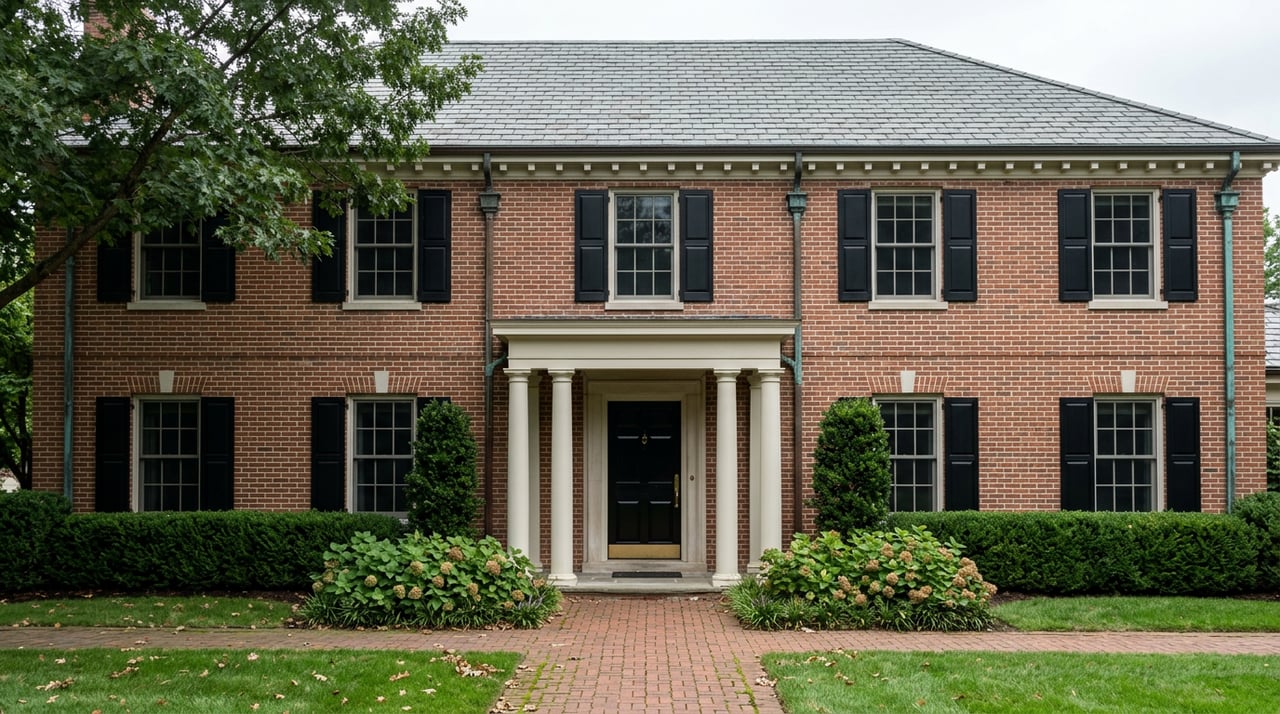
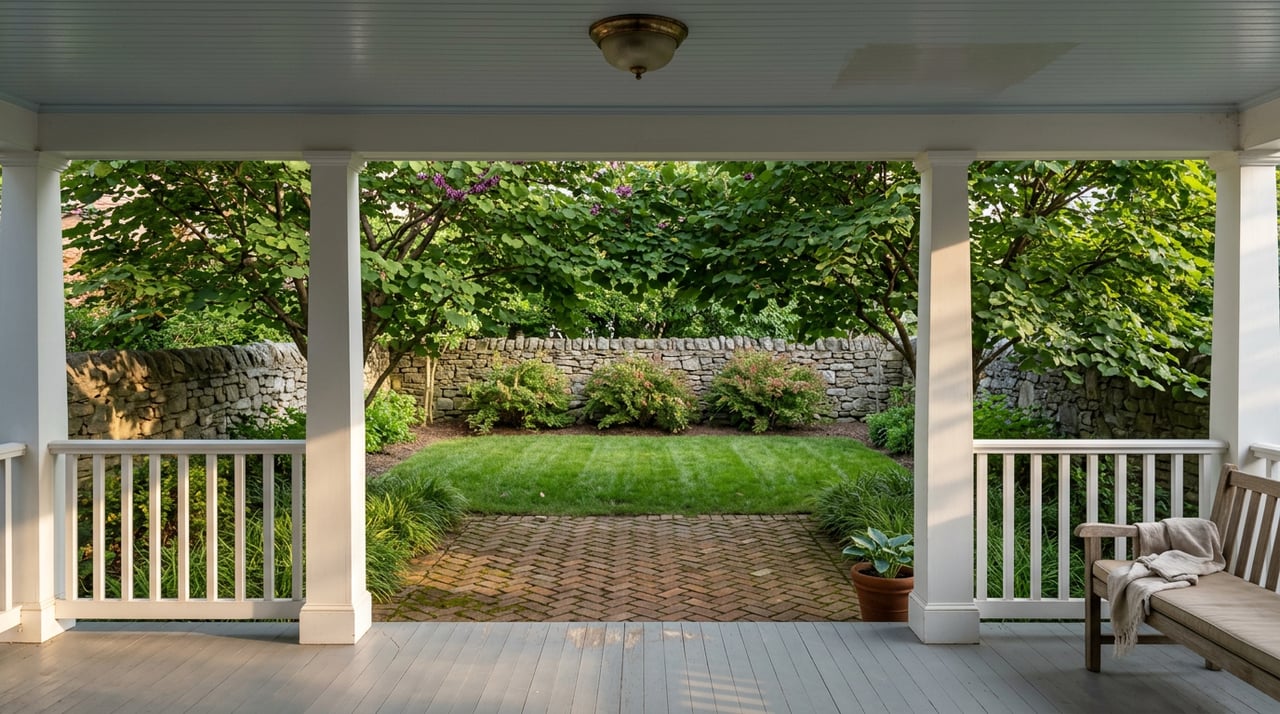
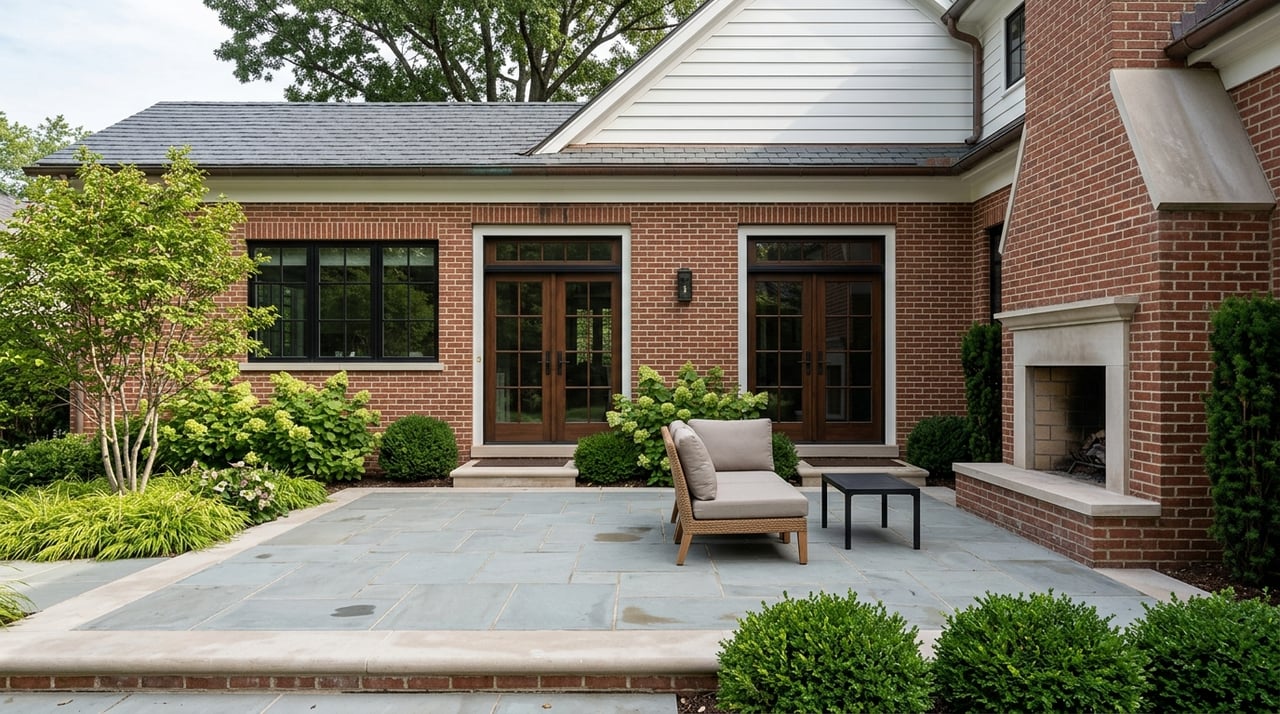
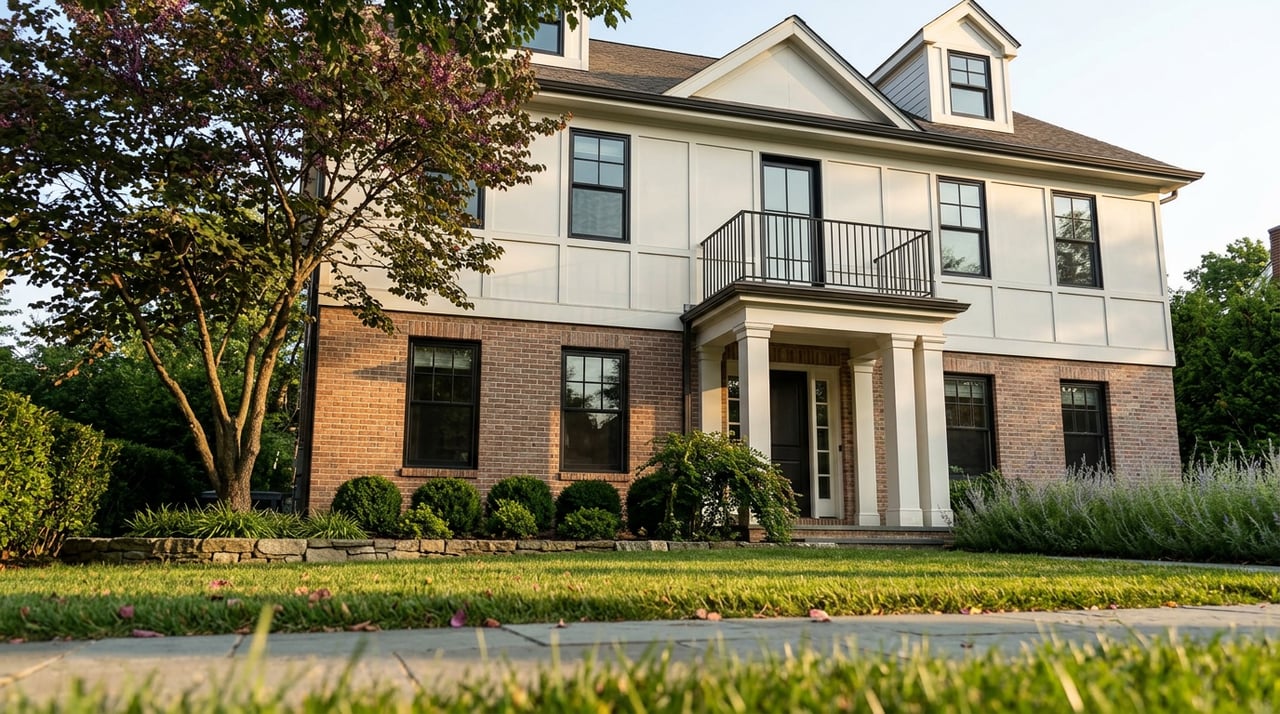
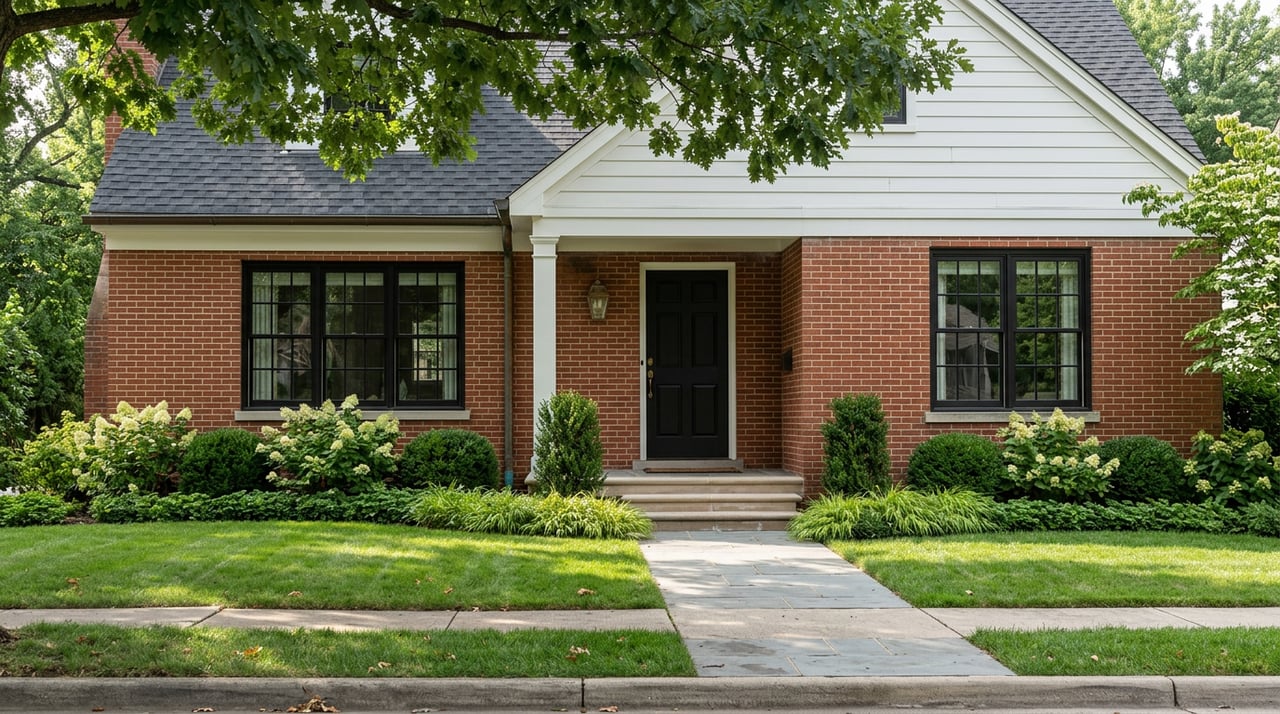
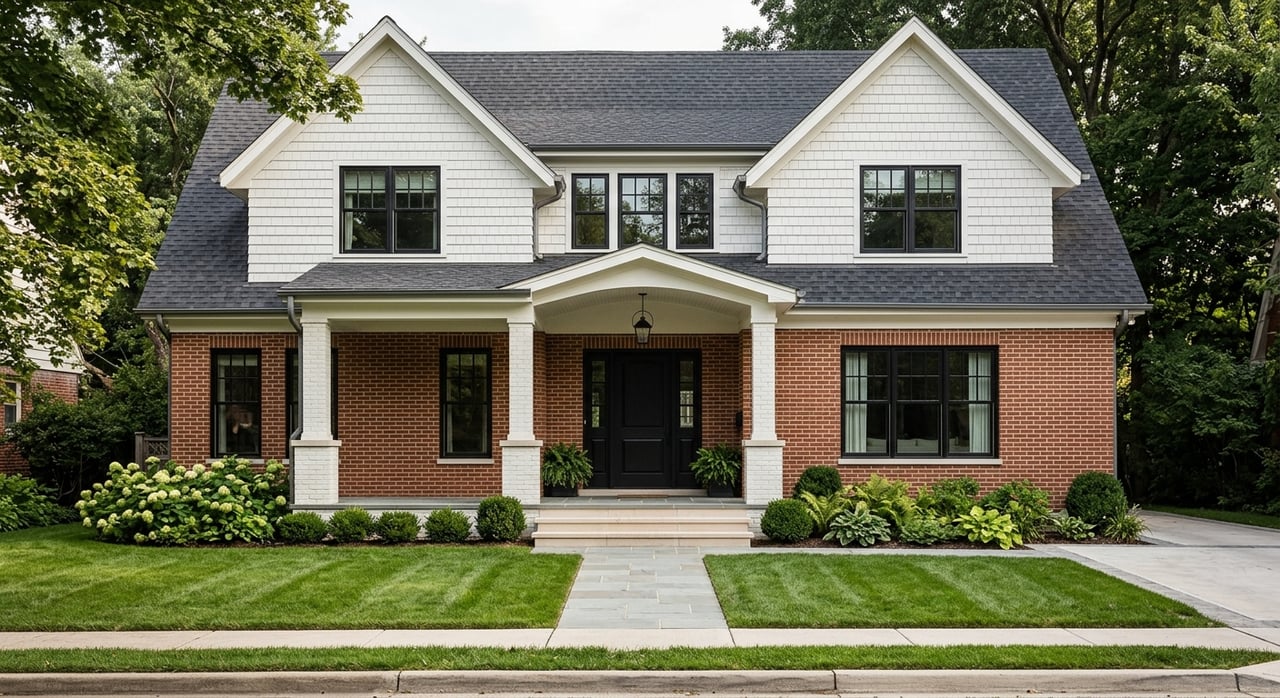
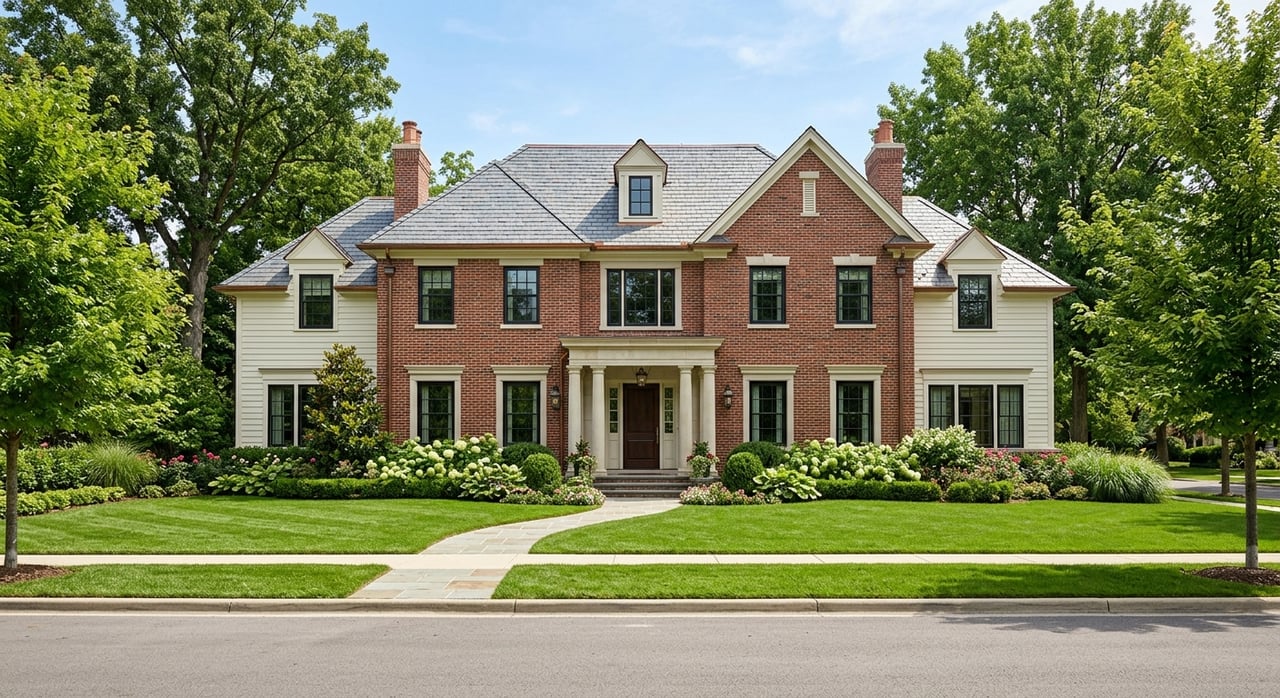
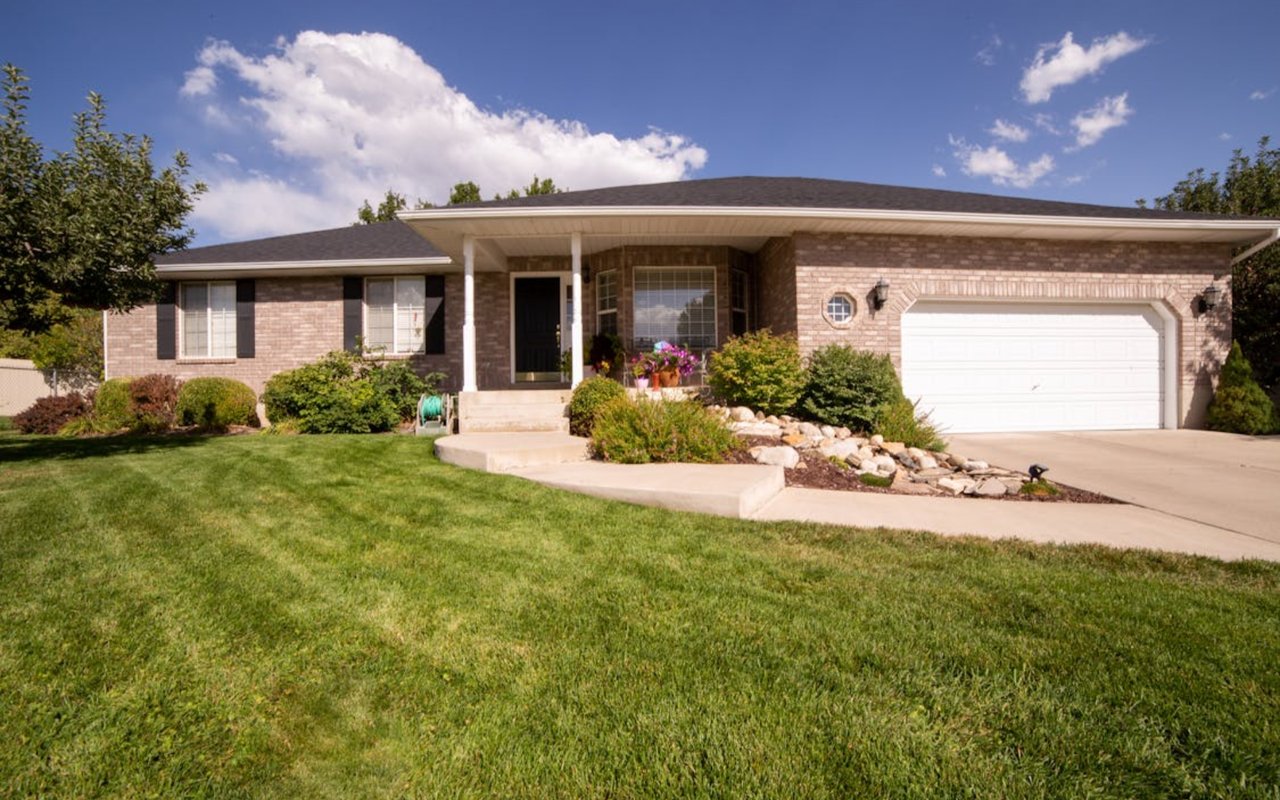
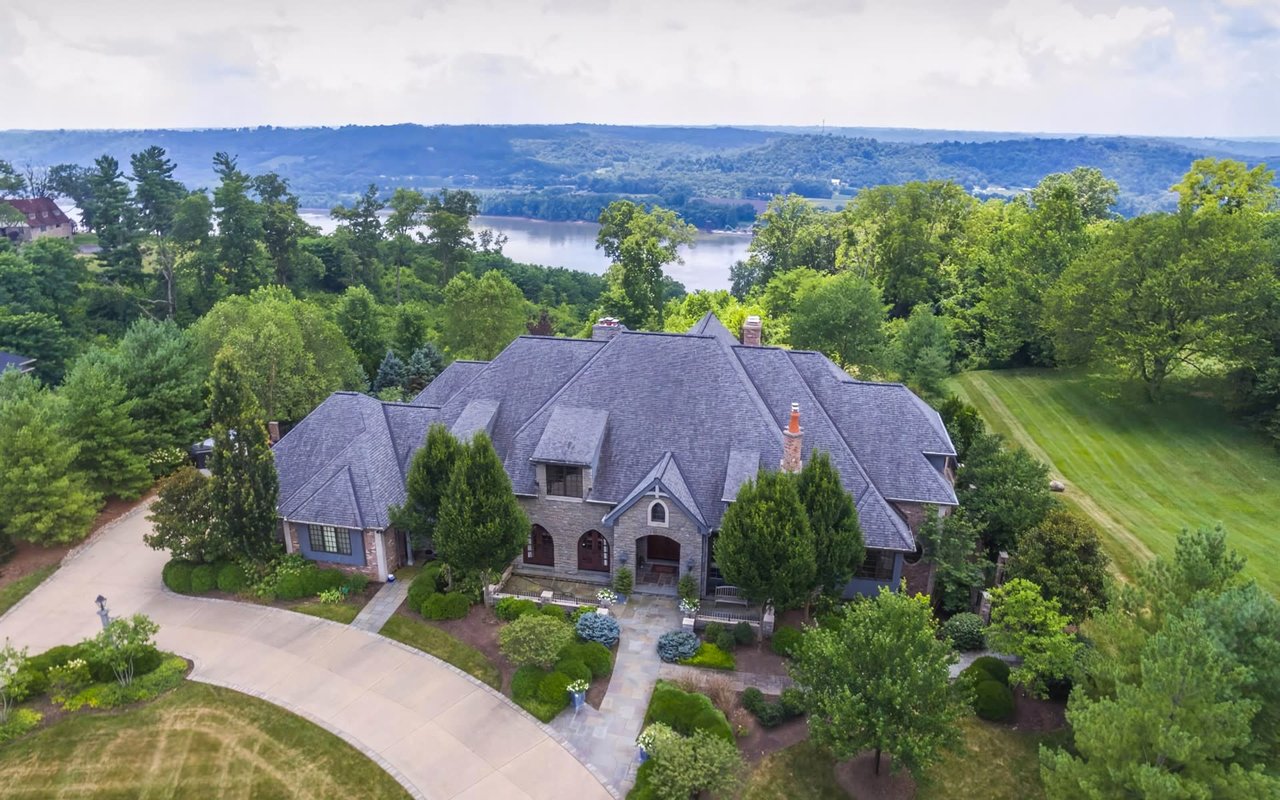
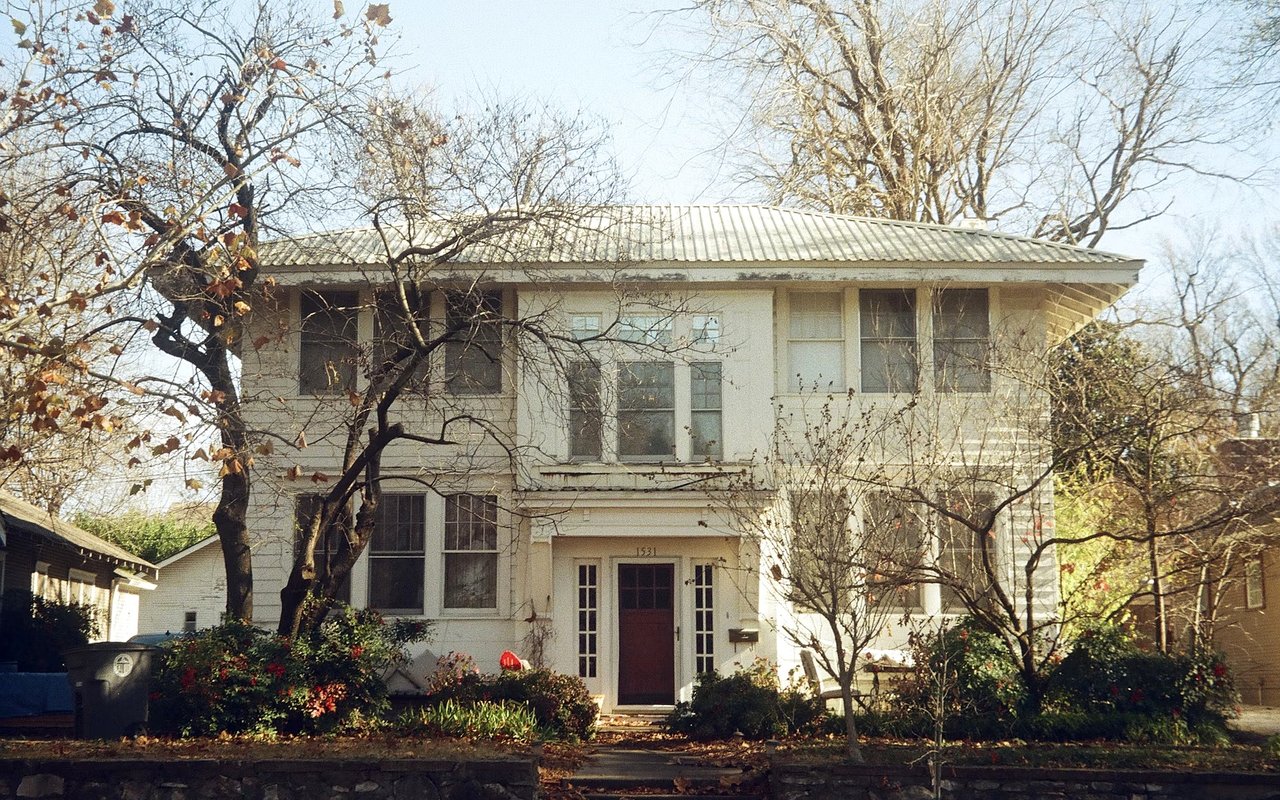
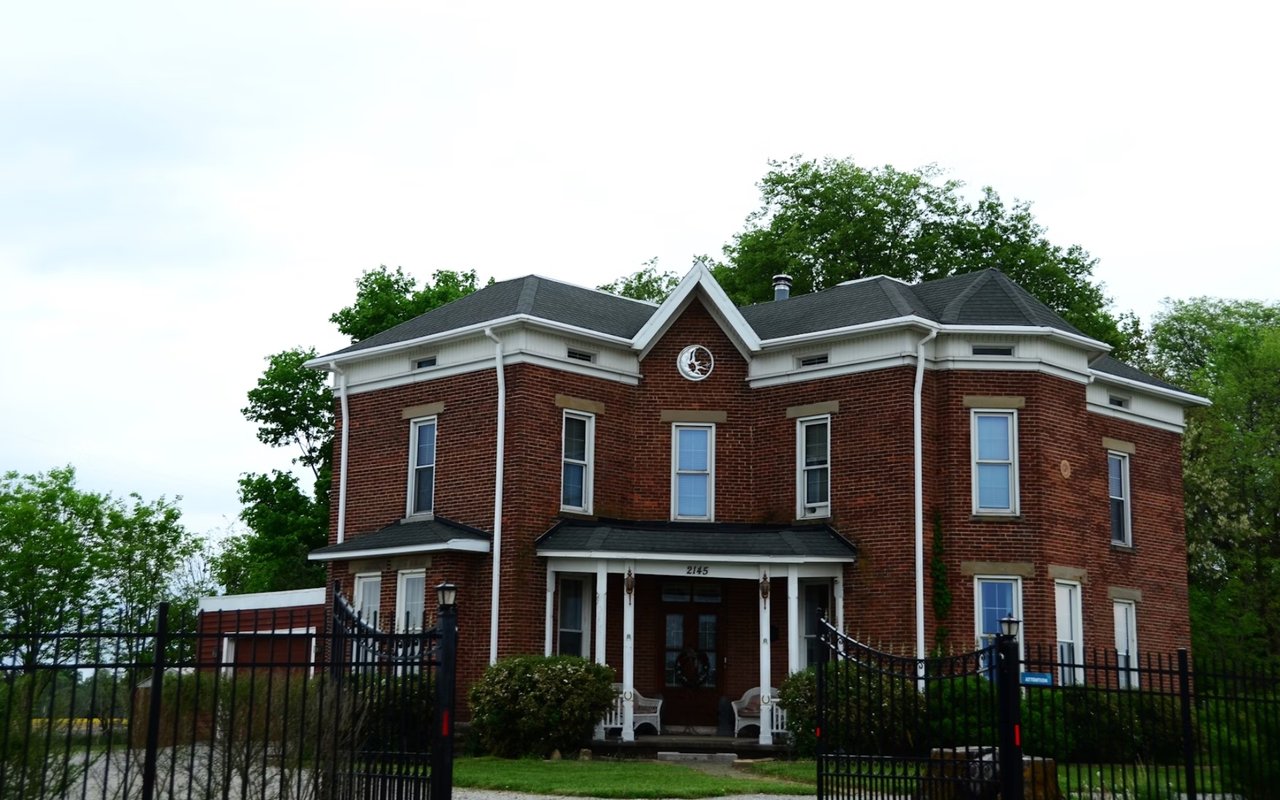
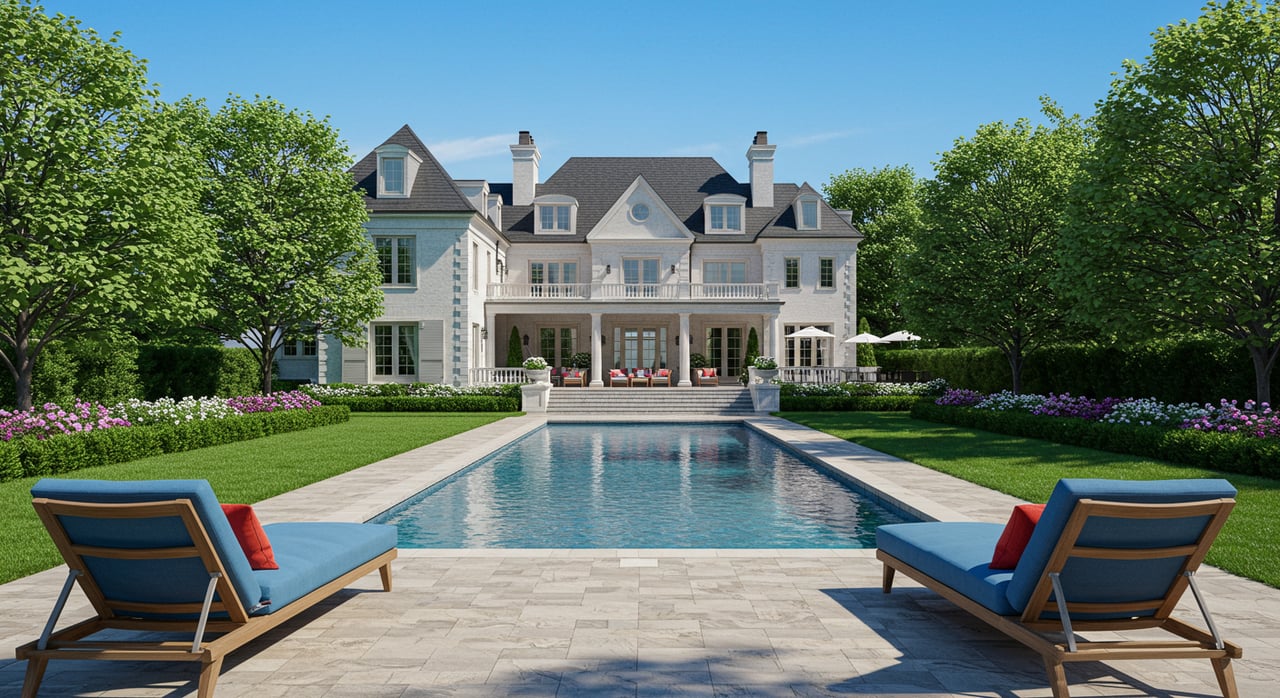
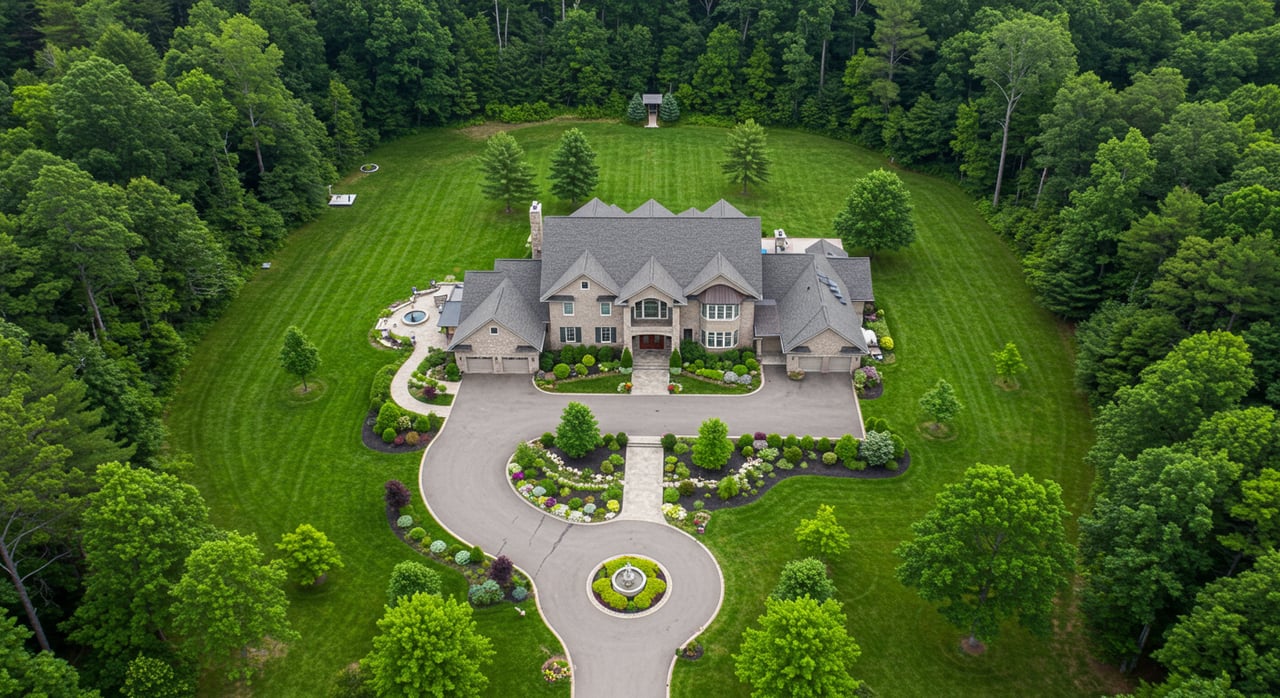
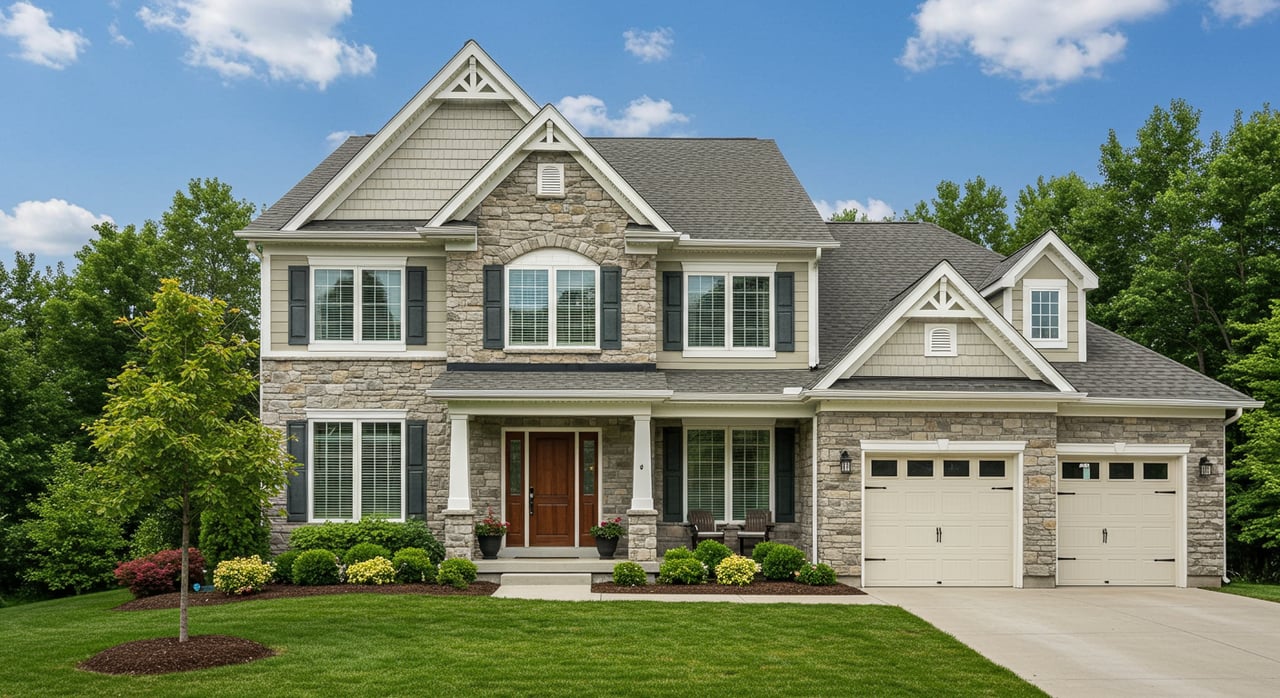
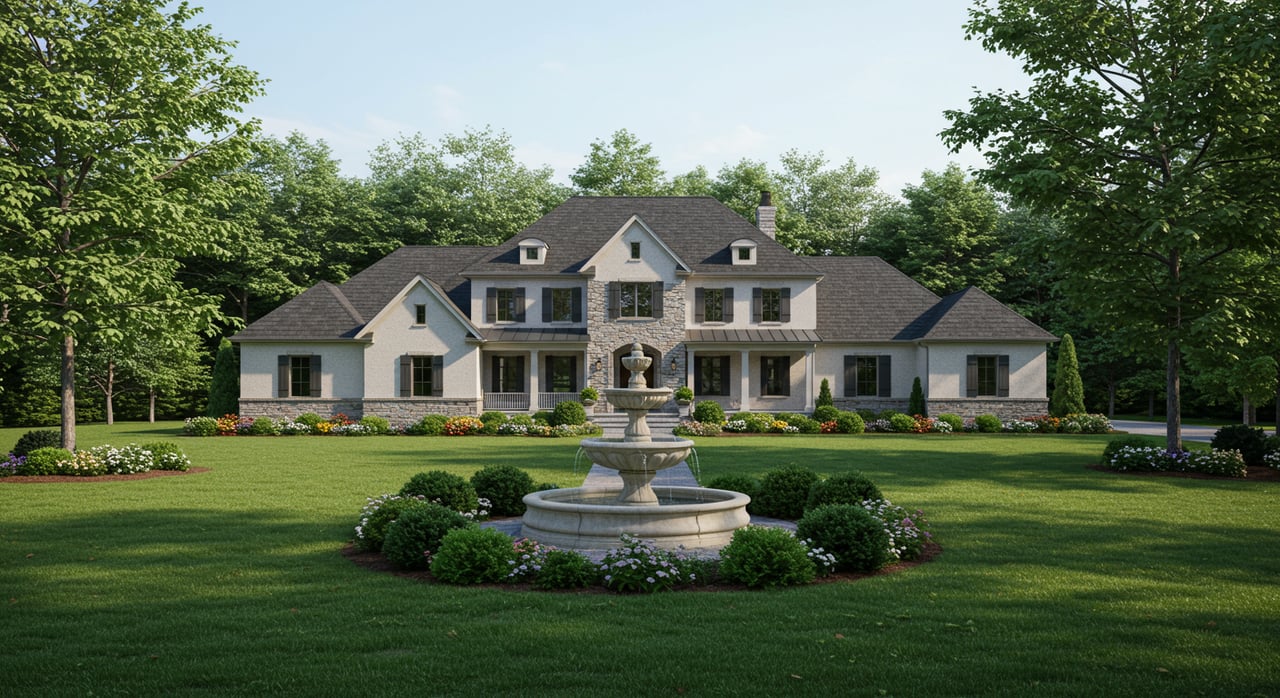
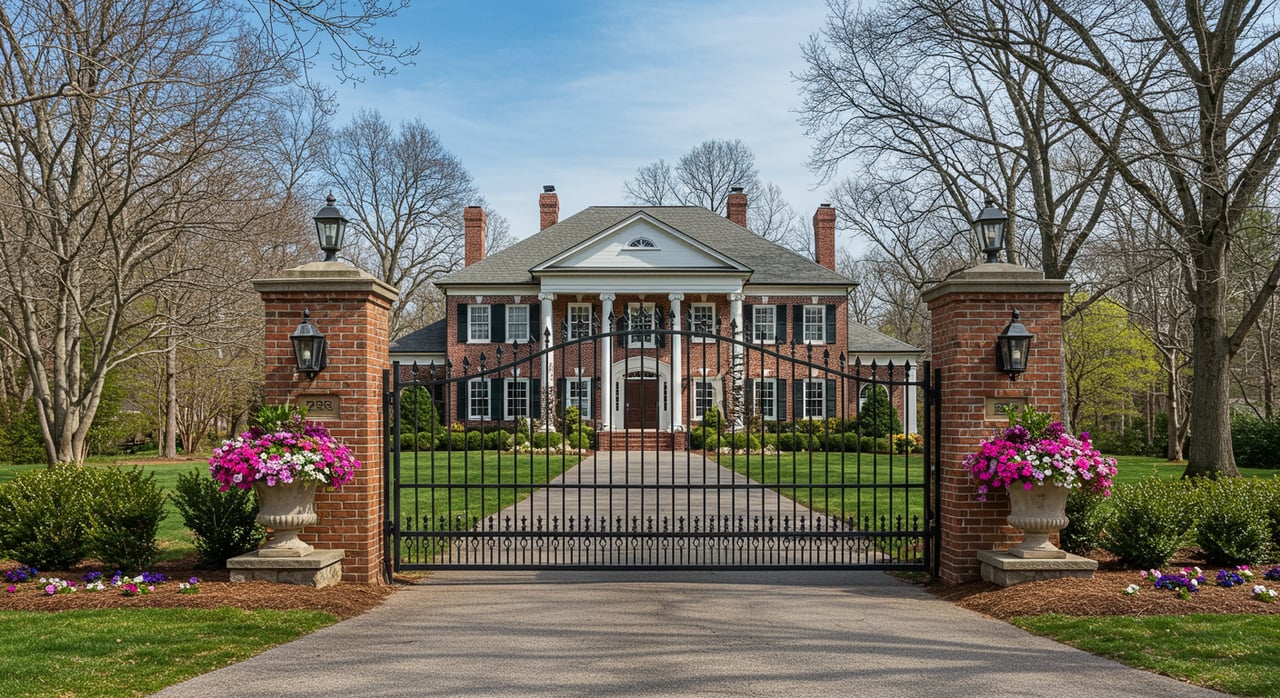
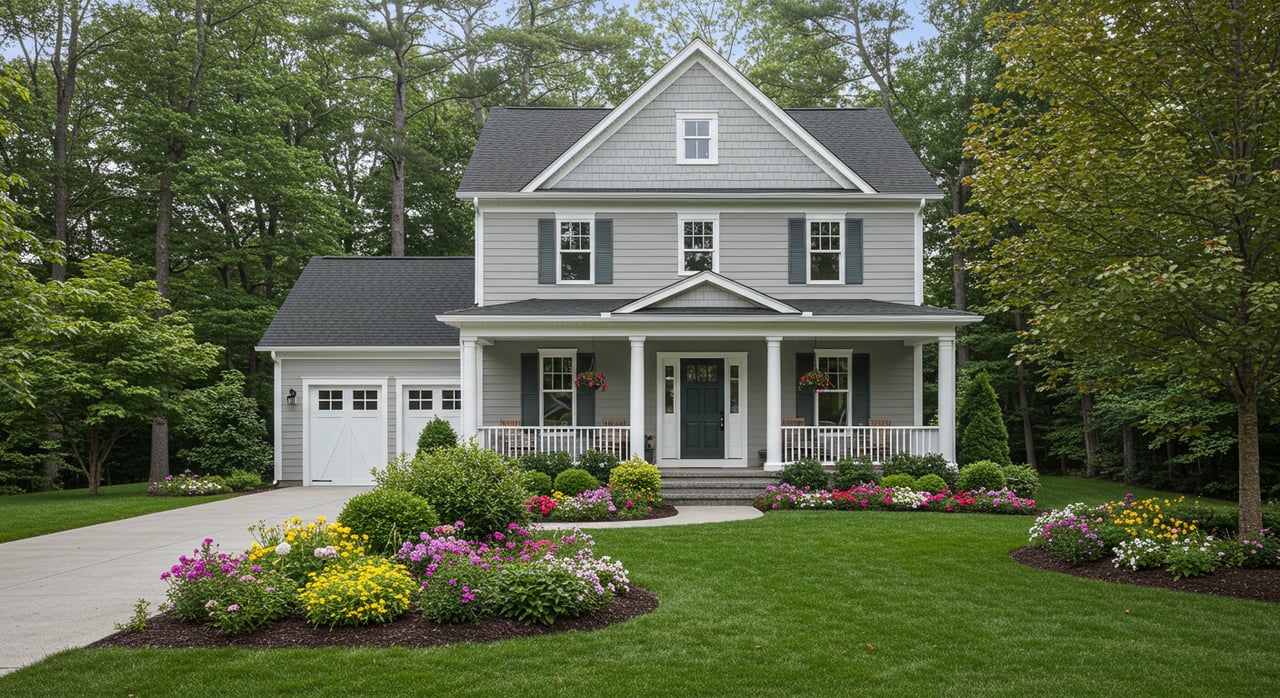
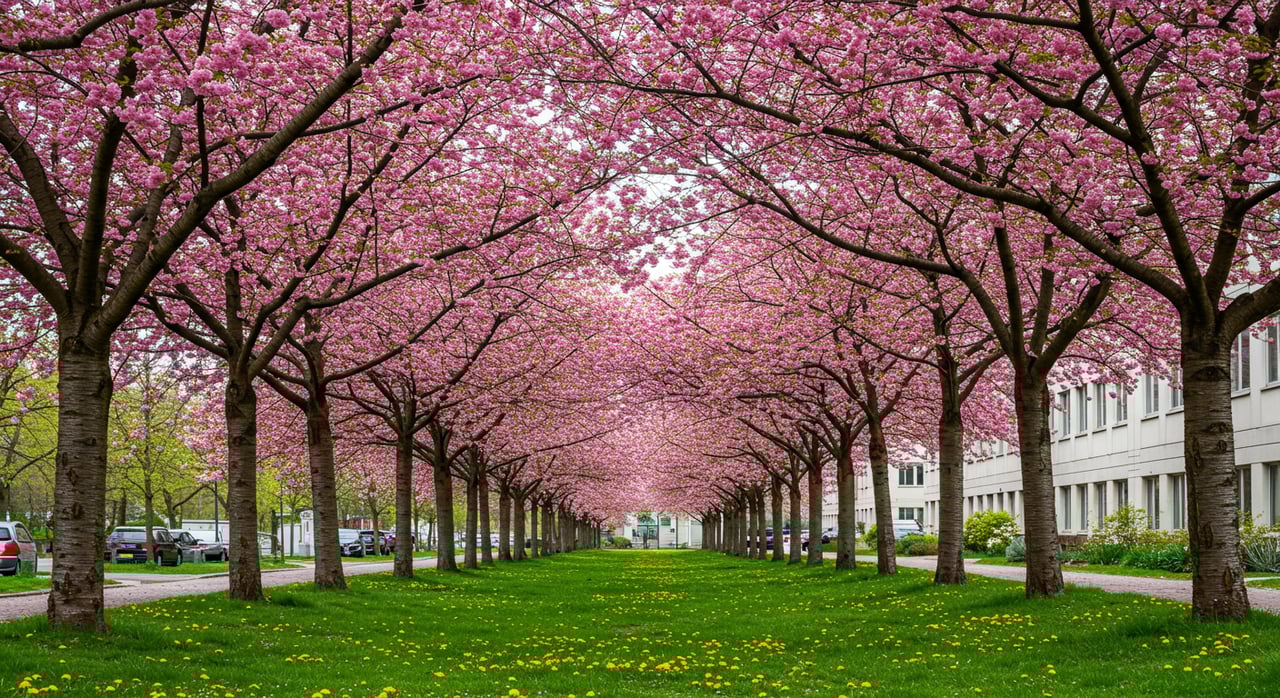
Hyde Park’s housing pattern is a big part of its identity. The neighborhood conservation plan describes it as a turn-of-the-century streetcar suburb with low-density residential development, broad tree-lined streets, park-like lawns, and generous front and side yards.
That description lines up with the way many people experience the area in person. Streets often feel mature and well-established, with homes set in a way that gives the neighborhood breathing room.
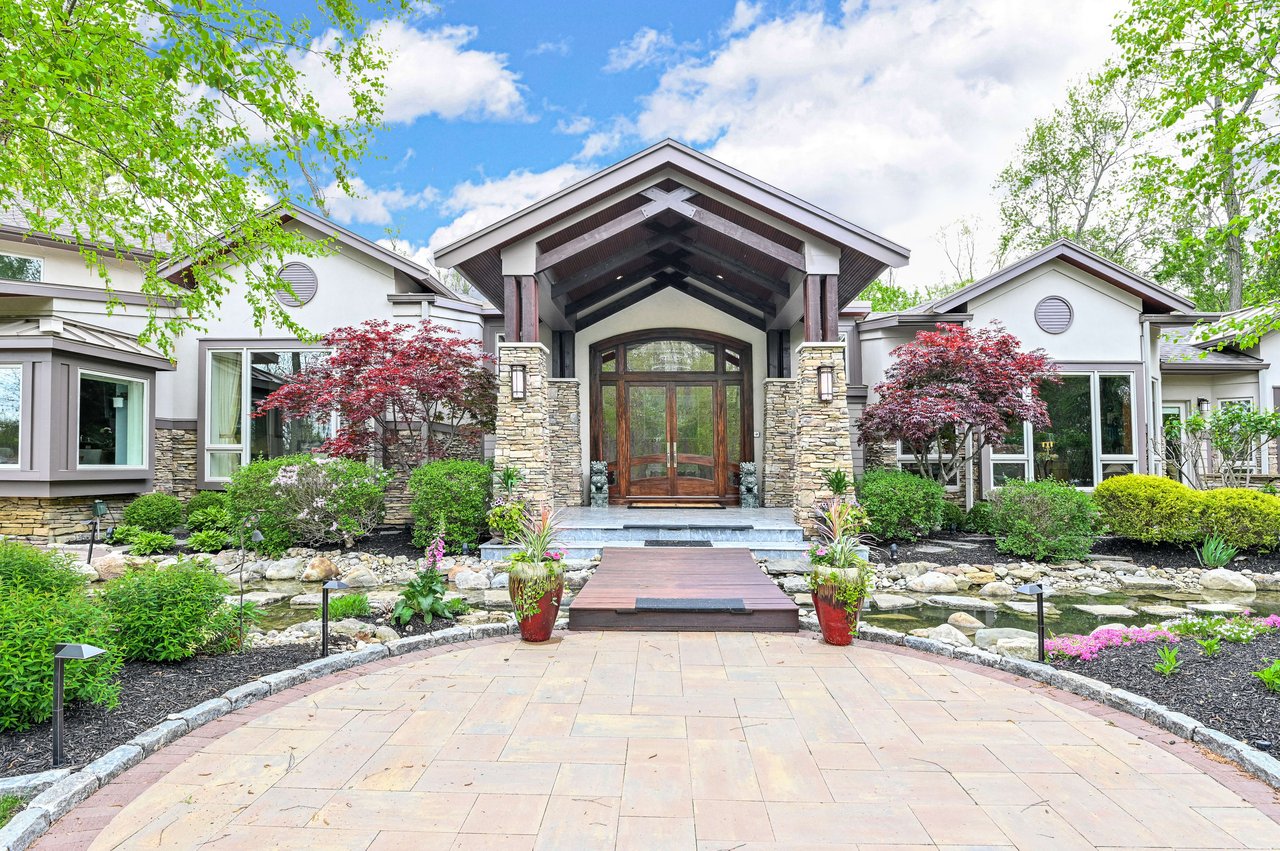
The same plan notes that Hyde Park is primarily single-family, with complementary multifamily buildings near former streetcar routes. So while single-family homes shape much of the visual character, there is also a range of housing types that supports different needs and lifestyles.
Owners and renters both have a presence
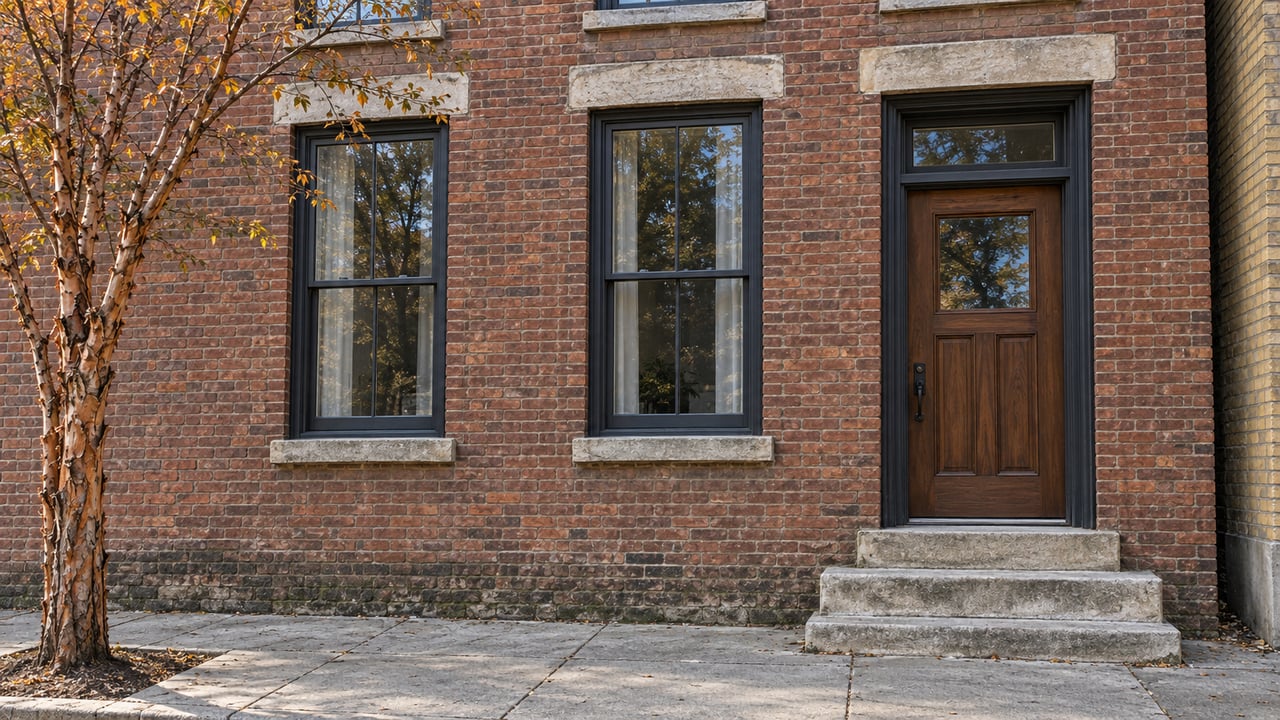
The 2020 neighborhood approximation shows 3,989 owner-occupied units and 2,643 renter-occupied units. It also shows a mix of detached homes, smaller multifamily properties, and larger apartment buildings.
That mix helps Hyde Park feel established rather than overly dense. You get a residential setting with variety, which can appeal to buyers looking for charm, condo or apartment options, or a more traditional detached home.
Historic character stands out
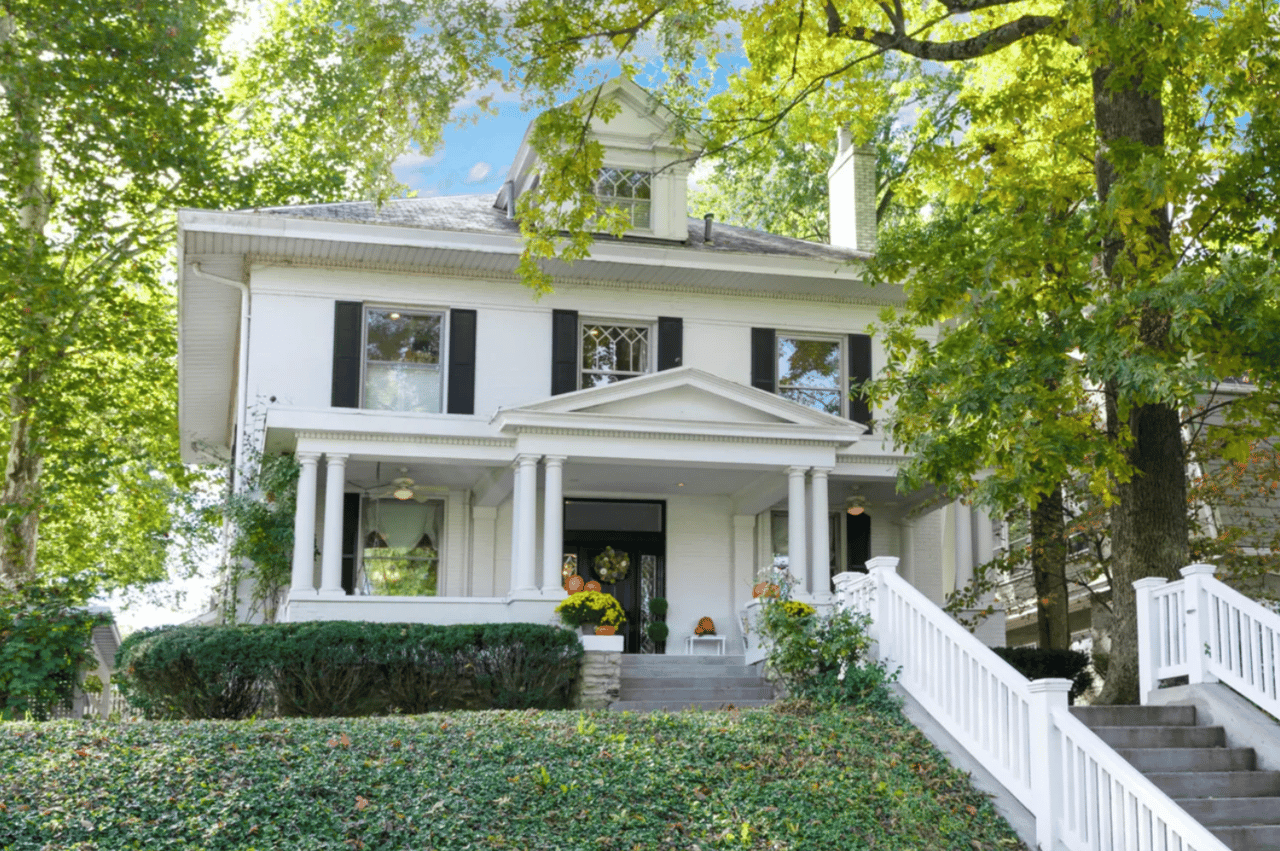
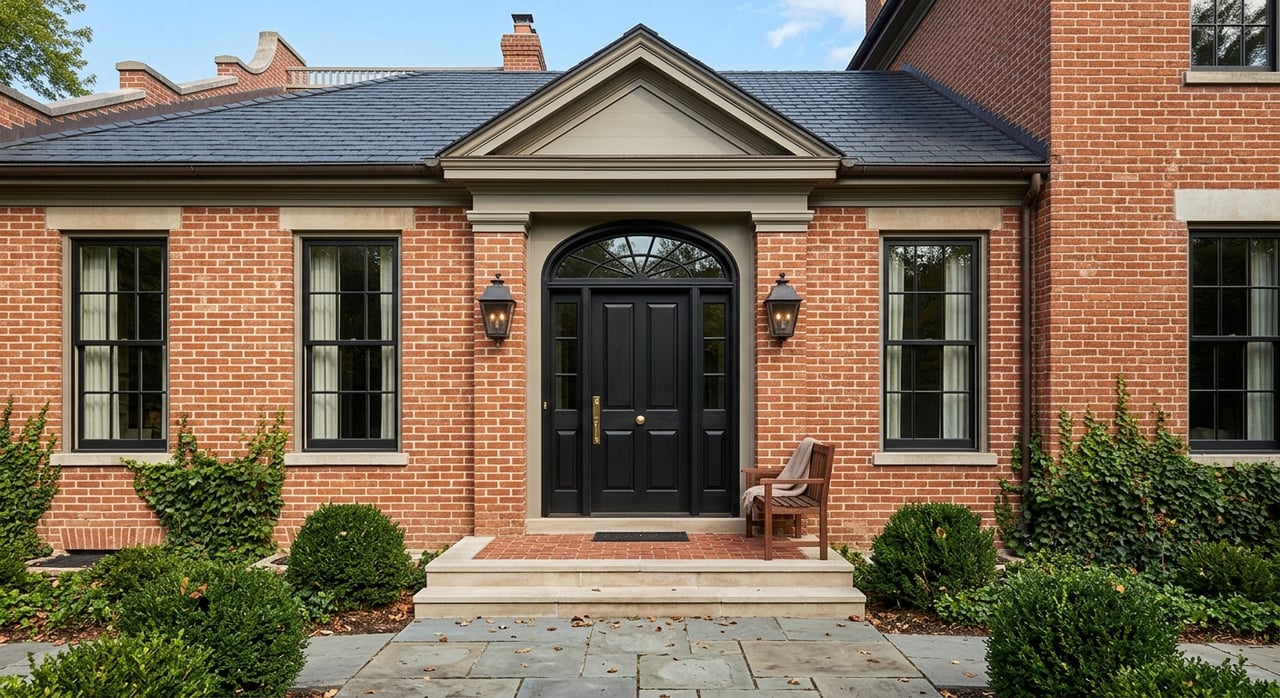
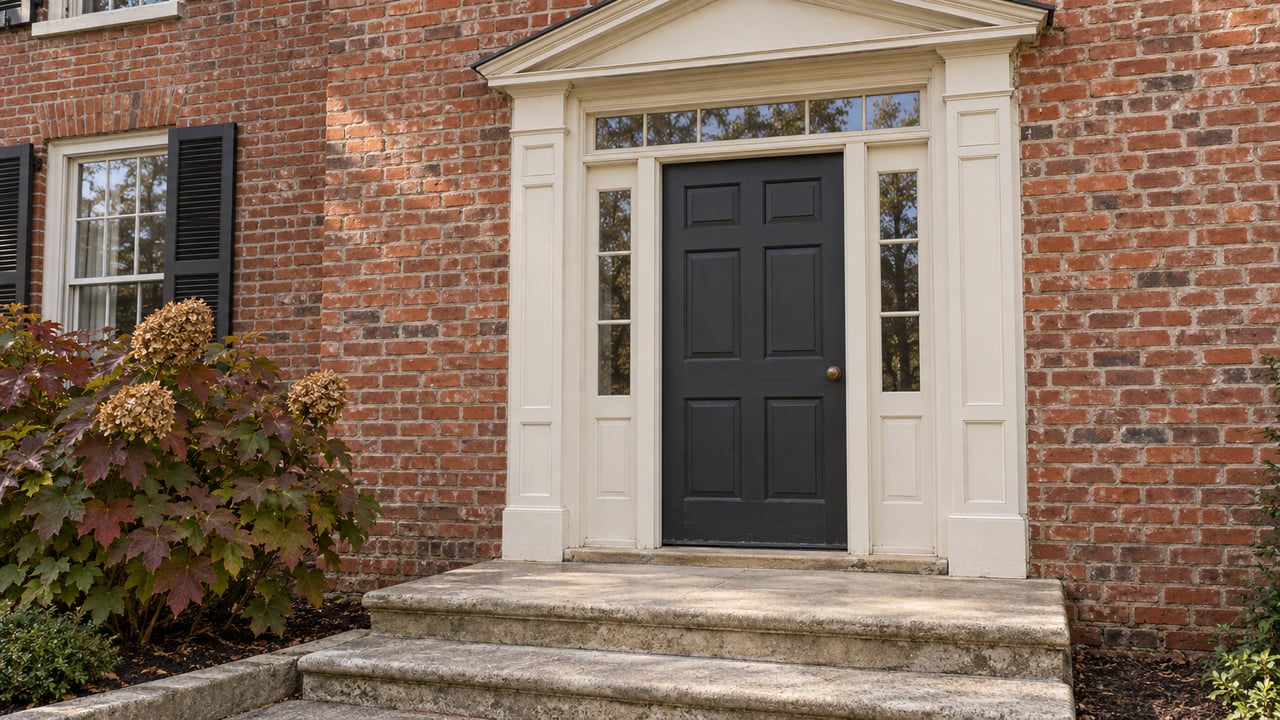
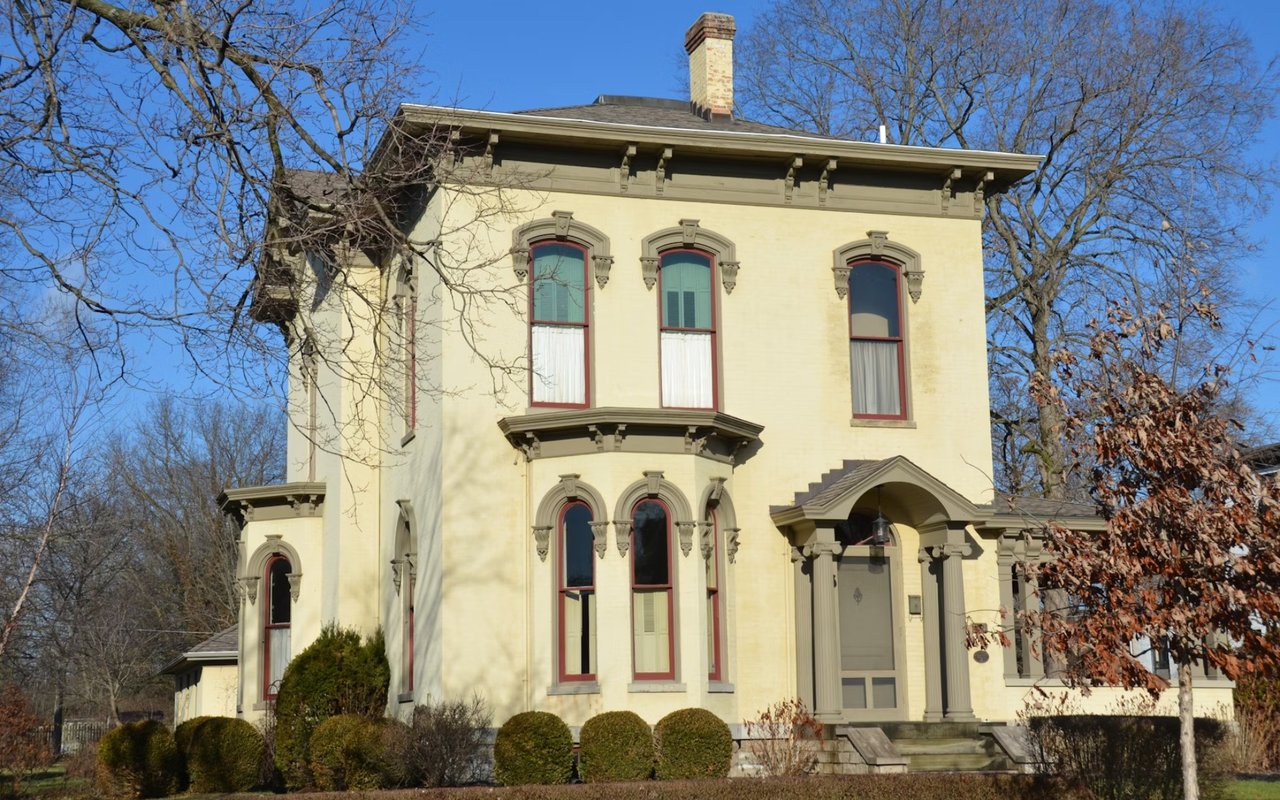
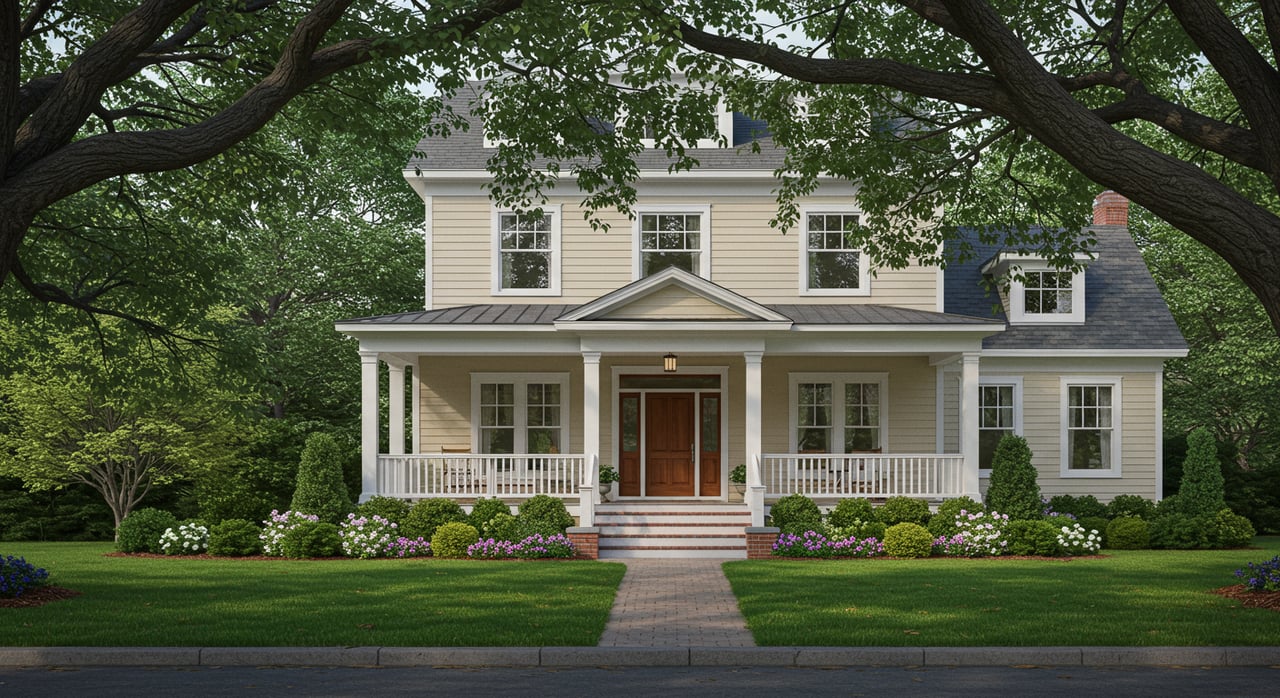
The Observatory Historic District is one of Hyde Park’s most visually distinctive areas. City guidelines describe homes with Victorian, French Second Empire, Italianate, Queen Anne, Eastlake, Shingle, and Colonial Revival influences.
In practical terms, the district feels cohesive because many homes share similar scale, setbacks, porches, mature trees, and open space. Many are one- to two-story frame houses with visible roofs, porches, and bay windows. If you are someone who notices architecture and streetscape, Hyde Park offers a lot to appreciate.
What Everyday Life Really Feels Like
The best way to describe daily life in Hyde Park is this: you get a walkable neighborhood core without giving up the comfort of a residential setting. The square gives you convenience, local businesses, and recurring events. The surrounding streets provide a quieter backdrop with mature trees and a long-established neighborhood feel.
That mix is what makes Hyde Park so appealing to many buyers. It can work well if you want local dining and shopping nearby, access to parks and trails, and a home base that still feels grounded and residential.
If you are considering a move to Hyde Park, it helps to look beyond the headline features and think about your actual routine. Where will you spend your mornings, how often will you drive, what kind of housing style fits you, and how much do walkability and neighborhood character matter in your daily life? Hyde Park tends to stand out when those details matter to you.
When you are ready to explore Hyde Park homes or compare this neighborhood with other Cincinnati options, Julia Wesselkamper can help you find the right fit with clear guidance and local insight.
FAQs
What is everyday life like in Hyde Park, Cincinnati?
- Everyday life in Hyde Park typically centers on a walkable square with local dining, shopping, community events, and nearby parks, paired with quieter residential streets and mostly car-based commuting.
What makes Hyde Park Square important to daily life?
- Hyde Park Square serves as the neighborhood’s main hub, with more than 100 local businesses, a small central park with Kilgour Fountain, a seasonal farmers market, and annual events that shape the neighborhood’s rhythm.
Is Hyde Park a walkable neighborhood in Cincinnati?
- Hyde Park is especially walkable around the square for dining, coffee, and errands, but most residents still use a car for commuting and many day-to-day trips.
What outdoor spaces are near Hyde Park?
- Hyde Park includes Hyde Park Square, Larz Anderson Park, and Madison Park, and it also has access to the Wasson Way Trail Network and nearby Ault Park in Mt. Lookout.
What types of homes are common in Hyde Park?
- Hyde Park is primarily made up of single-family homes, with additional multifamily buildings and apartments, and it is known for broad tree-lined streets, generous yards, and notable historic architecture in areas like the Observatory Historic District.