Wondering why some Montgomery homes attract strong interest right away while others sit long enough to need a price drop? In a market where buyers often compare homes online first and expect polished presentation, preparation can shape your result before your listing ever goes live. If you are thinking about selling, this guide will show you how to prepare your Montgomery home for market with a clear, practical plan. Let’s dive in.
Why prep matters in Montgomery
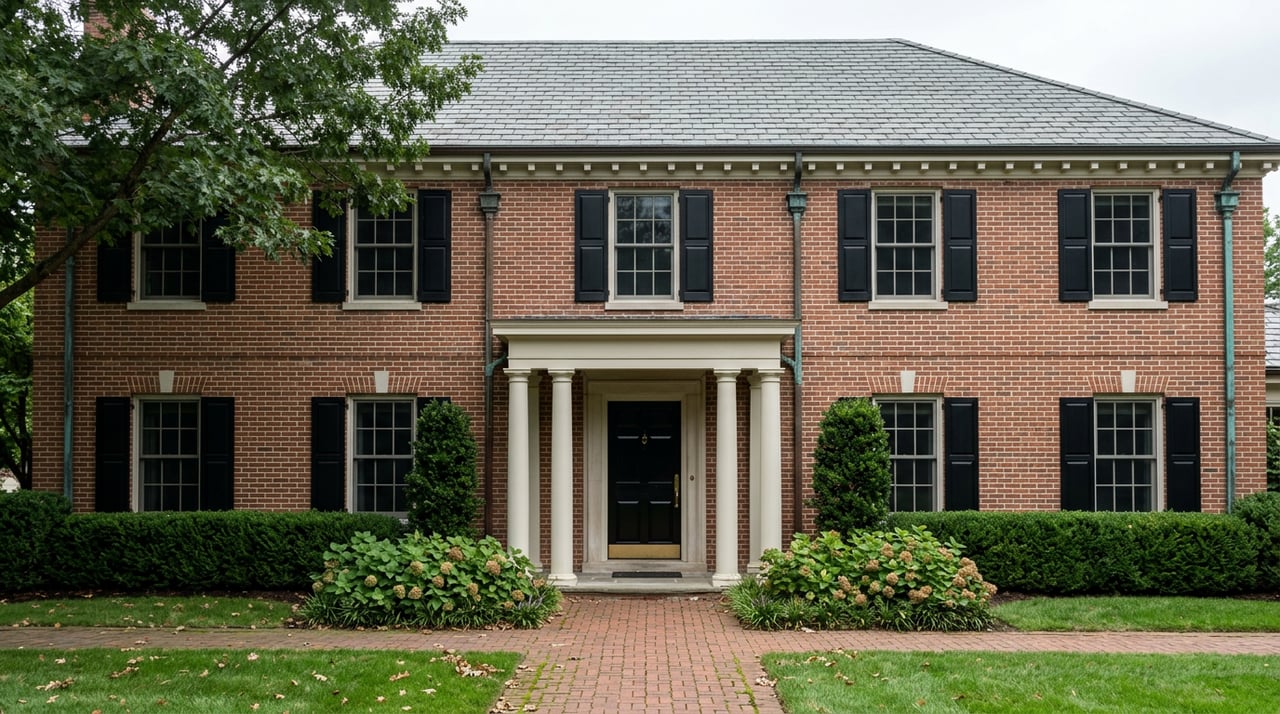
Montgomery is a high-value, mostly owner-occupied market with a median owner-occupied home value of $545,100, according to Census data. City materials also describe Montgomery as a well-preserved community known for tree-lined streets, brick paver sidewalks, and historic character. That means buyers often notice both presentation and condition quickly.
Recent market data also shows why first impressions matter. Redfin reports that over the three months ending May 2026, Montgomery homes sold in about 40 days on market, with a median sale-to-list ratio of 99.3%. About 33.4% sold above list price, but 18.5% had price drops, which suggests that polished, well-priced homes are rewarded while listings that miss the mark may need corrections.
Start with a seller mindset
Before you paint a wall or move a sofa, it helps to shift your perspective. Your goal is not to make the home feel perfect for your taste. Your goal is to make it easy for buyers to see the home’s condition, layout, and value.
In Montgomery, that often means treating prep as equity protection, not just cosmetic improvement. In a premium market, deferred maintenance, dated finishes, and clutter can distract from the features buyers are actually willing to pay for.
Walk through your home like a buyer
Start outside and move room by room. As you walk, look for anything that feels unfinished, overly personal, crowded, or worn. Pay close attention to what a buyer would notice in the first five minutes, because that first impression often sets the tone for the rest of the showing.
Make notes in three categories:
- Clean items that need washing, polishing, or clearing
- Repair items that are broken, damaged, or visibly worn
- Refresh items that would benefit from simple updates like paint, lighting, or edited furniture
This simple sort helps you focus on what will have the biggest impact first.
Focus on exterior curb appeal first
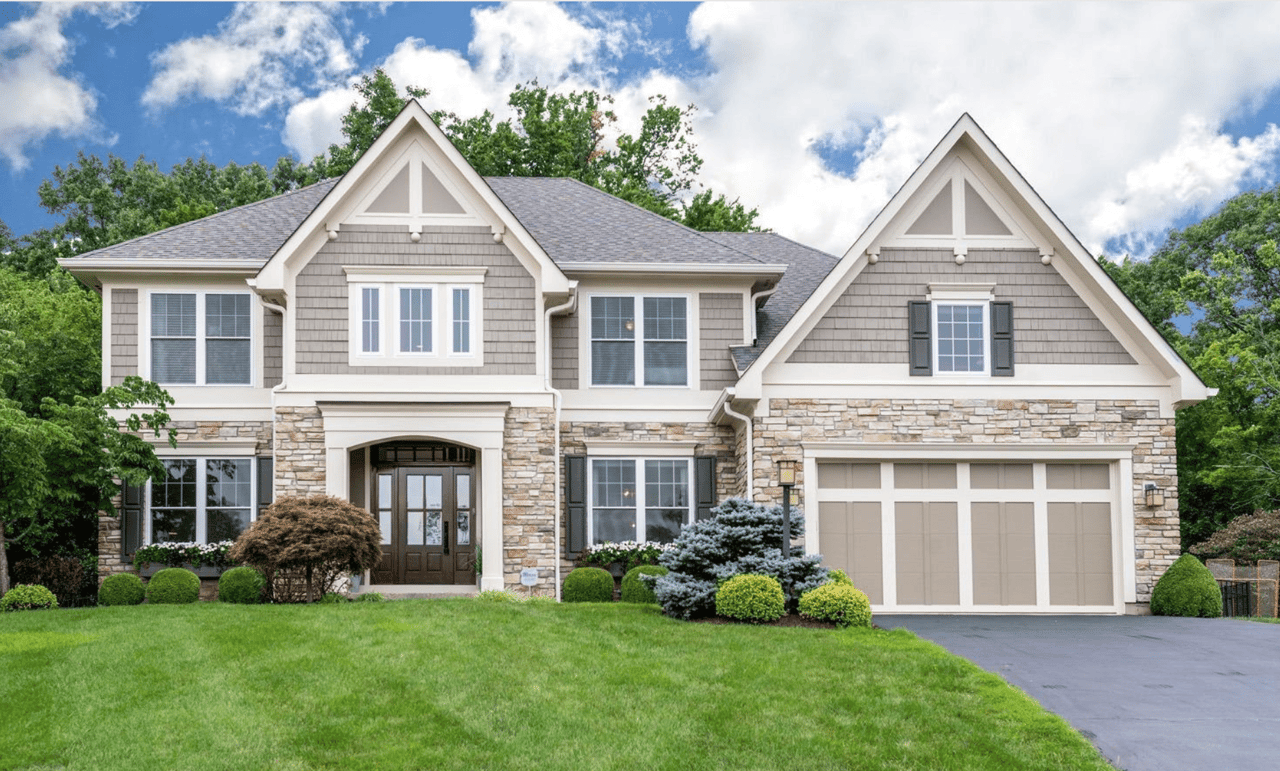
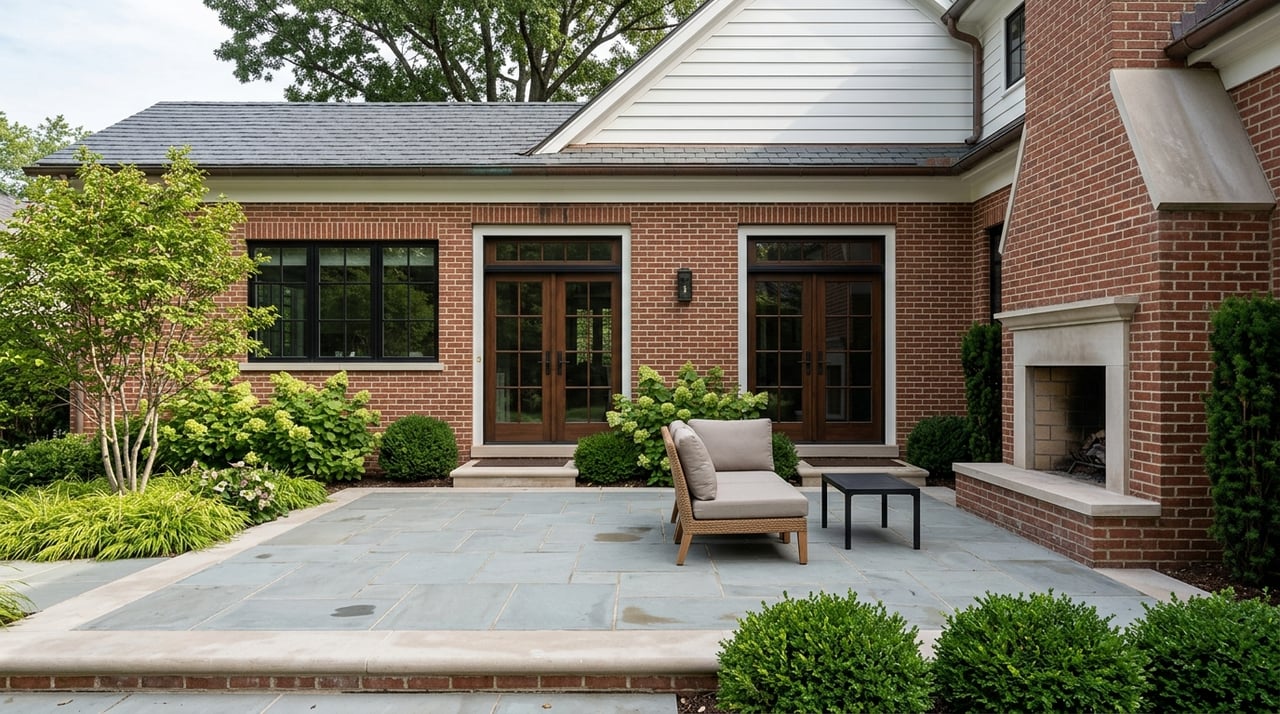
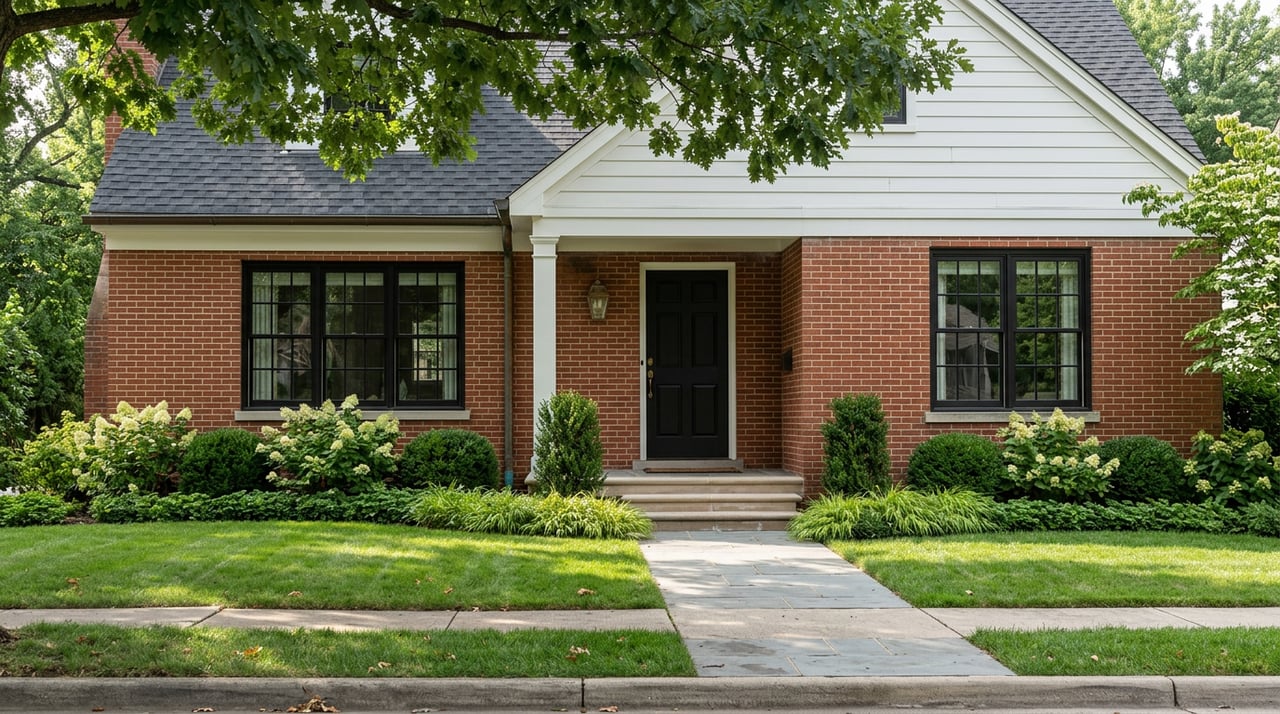
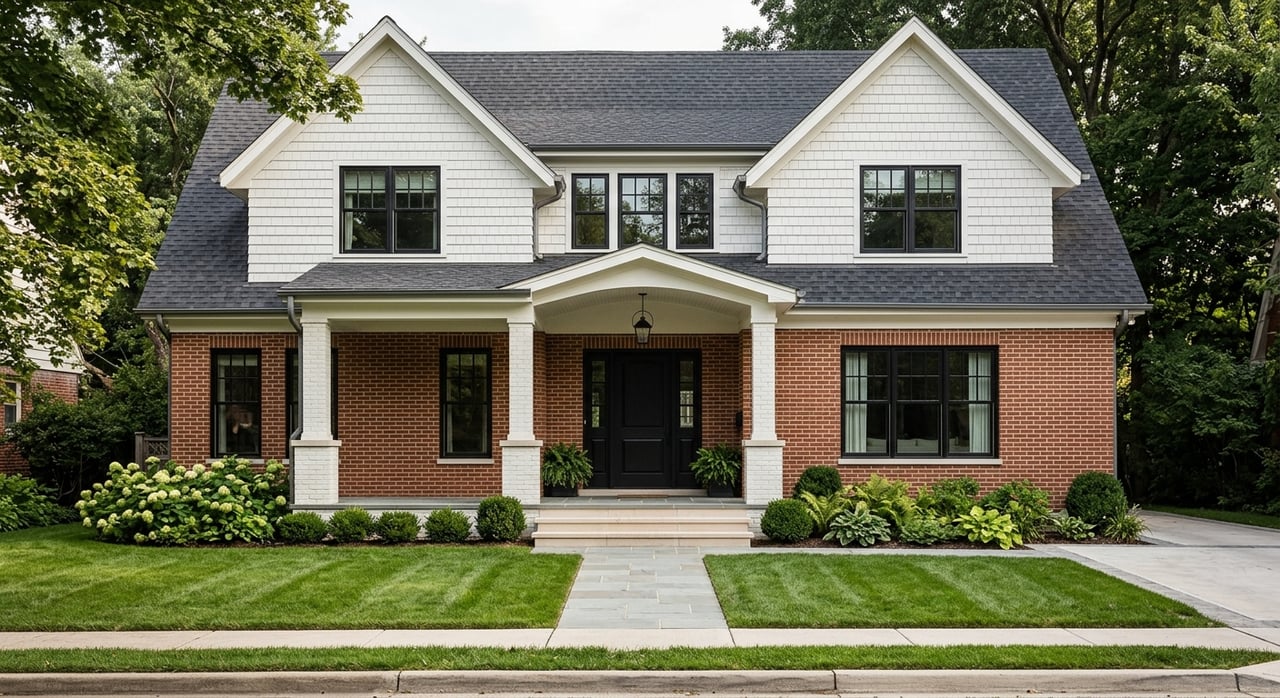
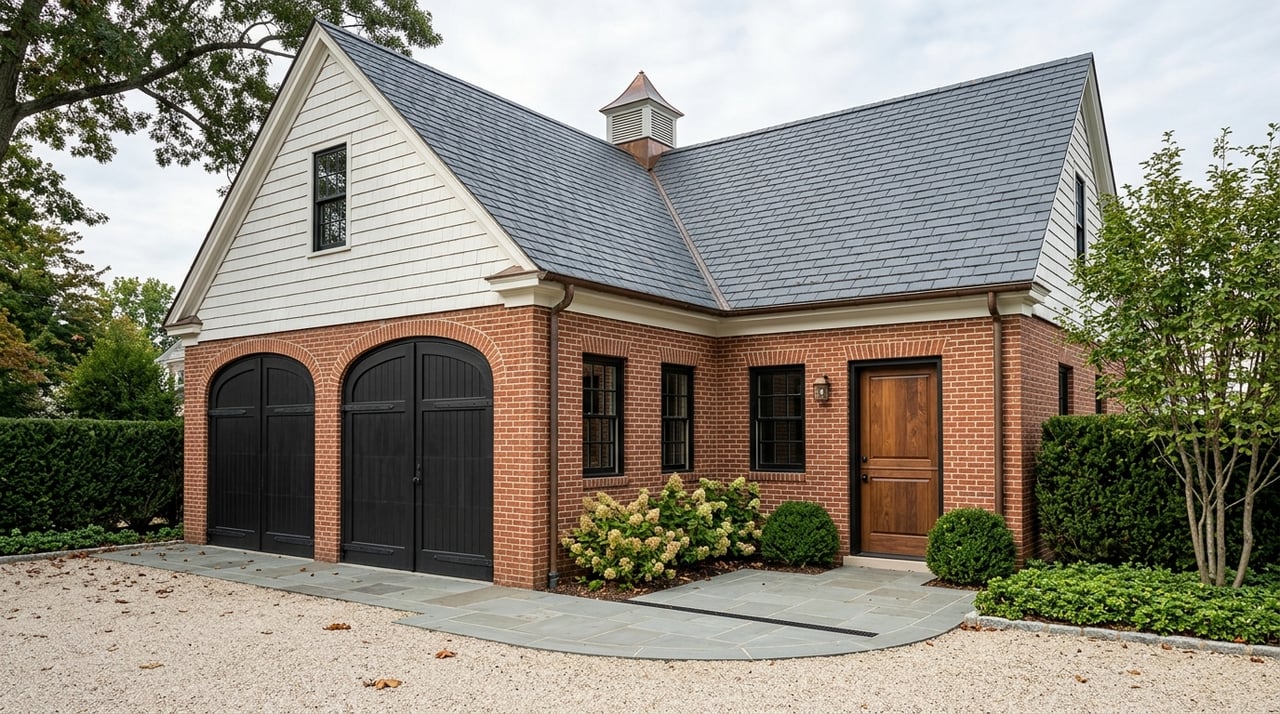
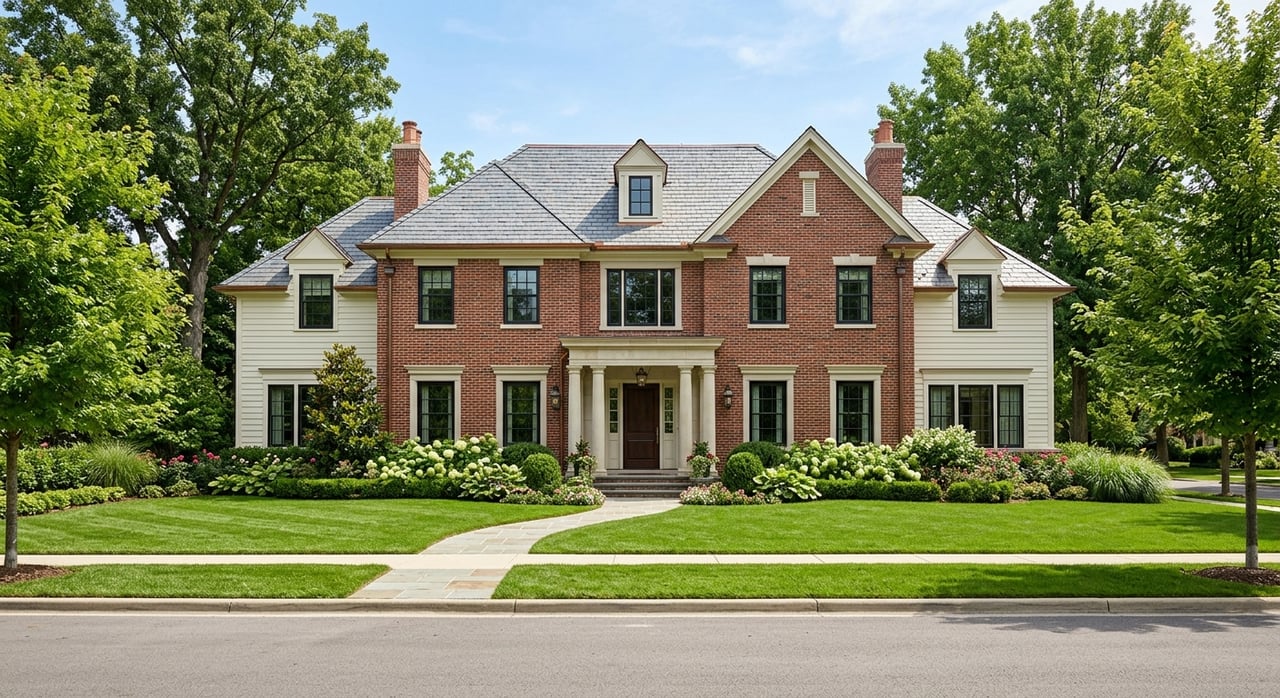
Montgomery’s streetscape matters. Because the city is known for mature trees, sidewalks, and a preserved historic feel, buyers often start forming opinions before they step inside. A clean and intentional exterior helps your home feel cared for and market-ready.
The best sequence is simple: clean first, repair second, refresh third. That approach keeps you from spending money in the wrong places and helps you address the details buyers notice most.
Clean exterior surfaces
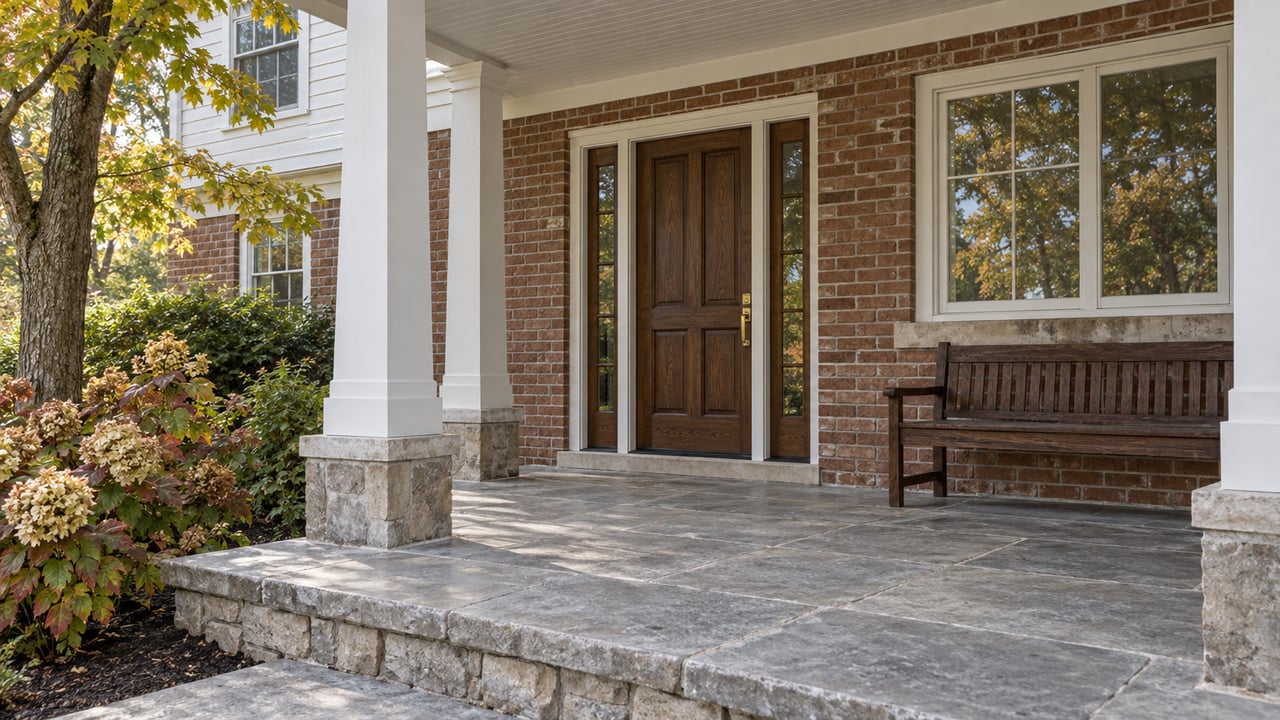
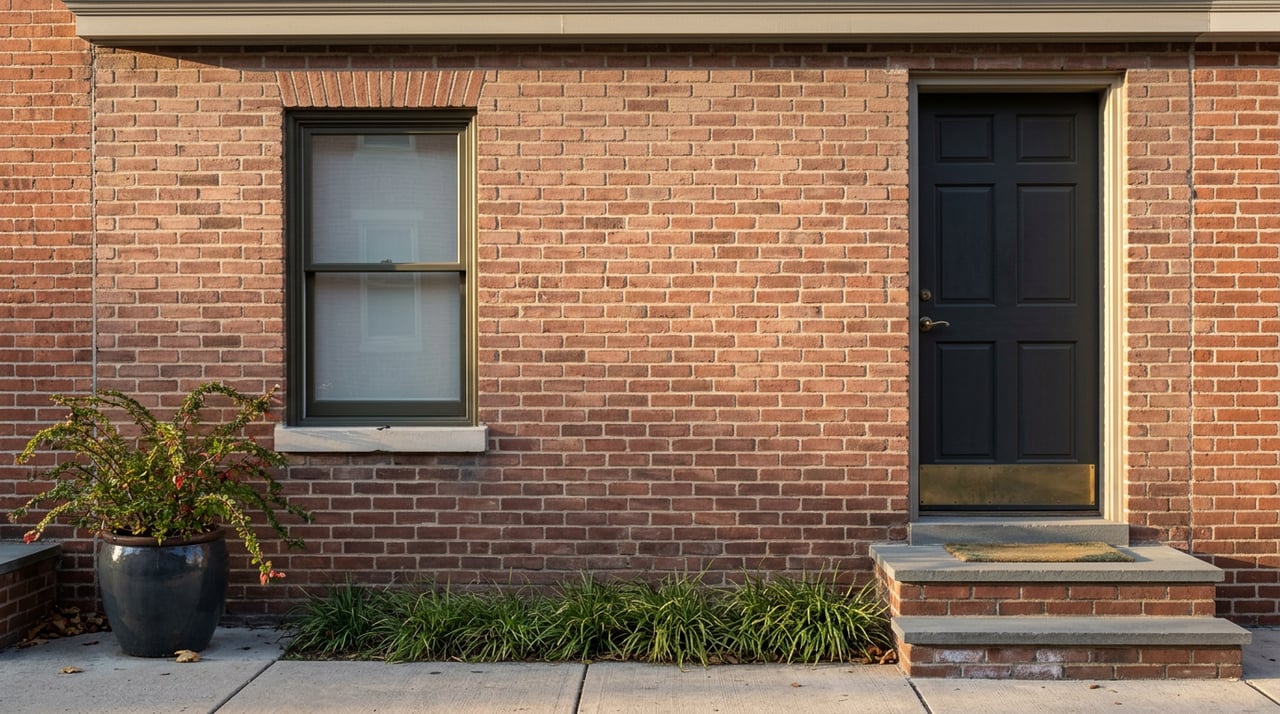
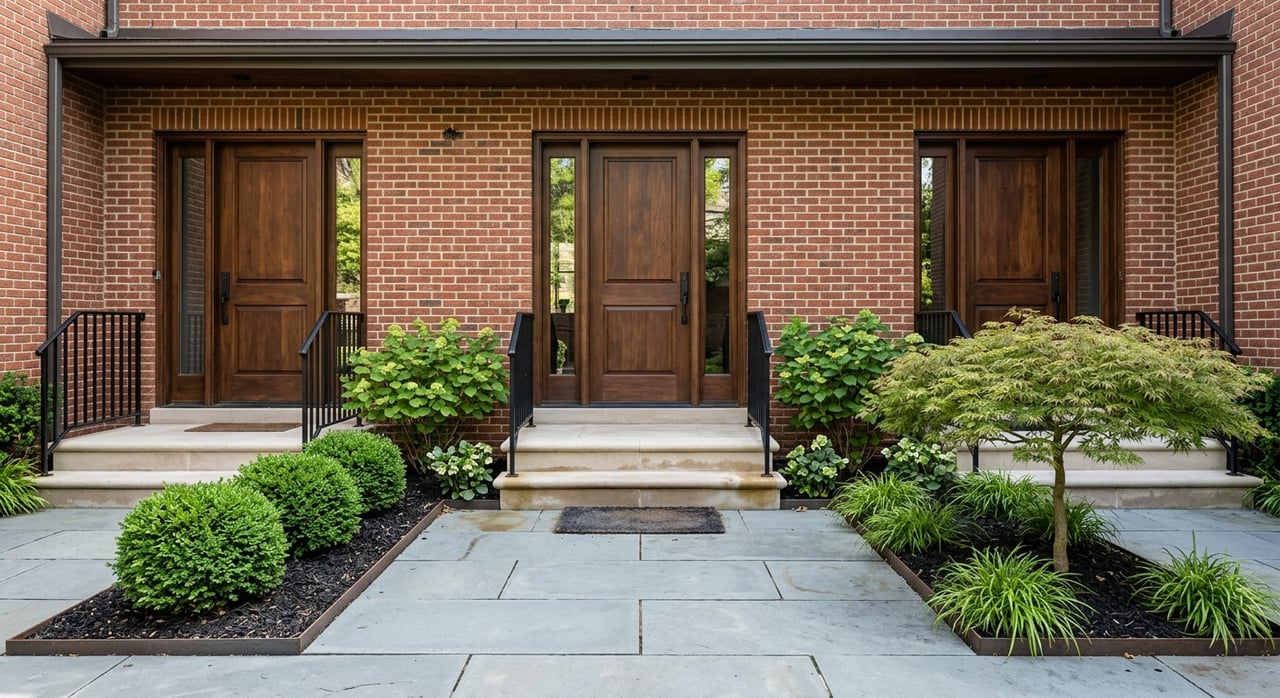
Begin with the basics. Wash siding where appropriate, clean brick carefully, clear debris, edge beds, remove weeds, and tidy porches and patios. Make sure windows, front steps, and walkways look neat and well maintained.
A clean exterior photographs better and signals that the home has been cared for over time. In a market like Montgomery, that message matters.
Repair visible defects
Once everything is clean, small problems become easier to spot. Look for loose hardware, cracked steps, damaged trim, peeling paint, worn caulk, stained gutters, or outdoor lighting that does not work.
These may feel minor, but buyers often read visible defects as signs of deferred maintenance. Fixing them early can help protect confidence during showings.
Refresh entry appeal
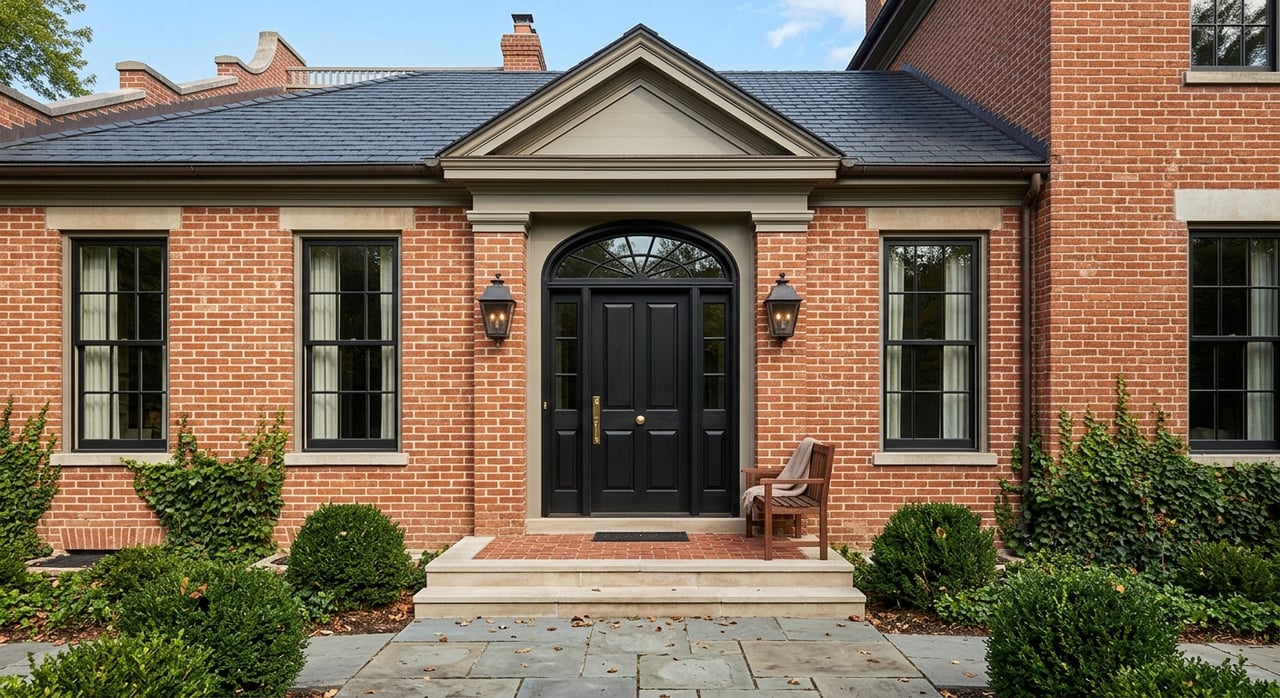
Your front entry should feel warm and polished. Fresh mulch, trimmed landscaping, painted or touched-up trim, and updated lighting can make a strong difference without changing the character of the home.
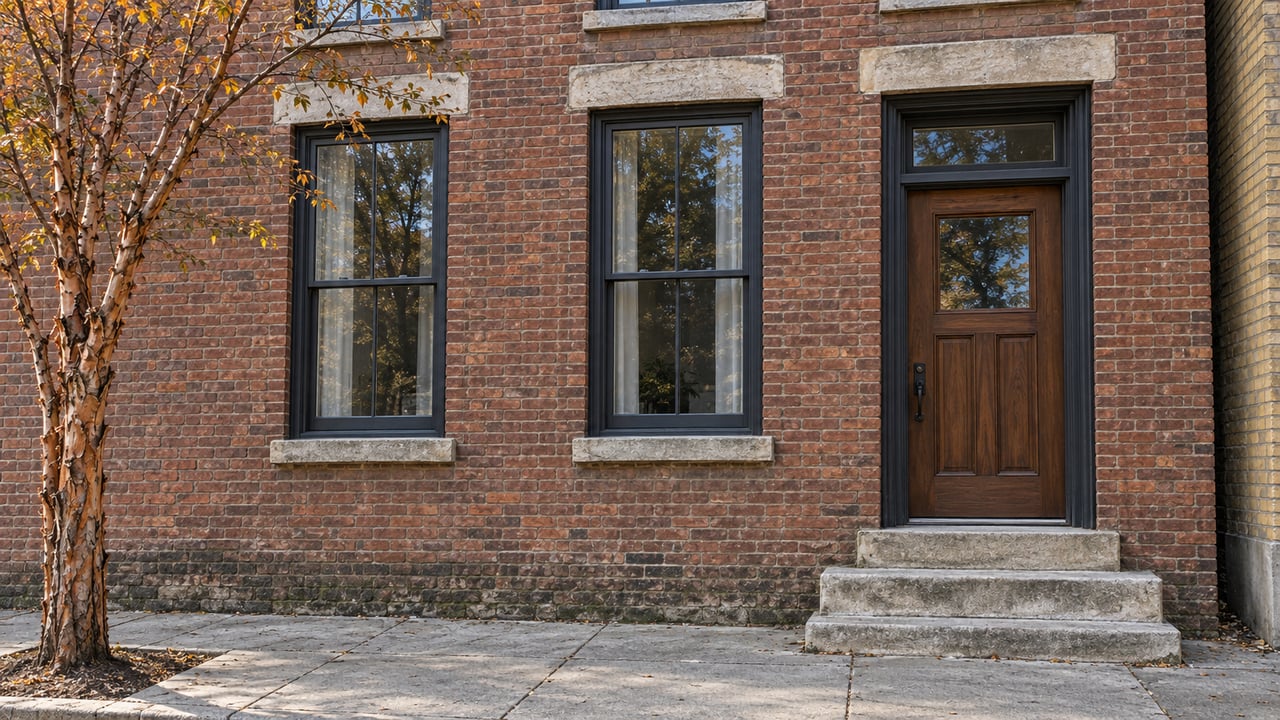
If your house has original exterior details, prioritize repair over replacement when possible. That is especially important in a community that values preserved character.
Check for Heritage District rules
Not every Montgomery home is in the Heritage Overlay District, but some are. If yours is, lots, buildings, and structures in that district must comply with the Secretary of the Interior Standards for Rehabilitation, and preservation work should follow the principle of reversibility under city code.
In practical terms, verify the rules before making irreversible exterior changes. If you are unsure, it is wise to pause large exterior projects until you confirm what is allowed.
Declutter before you decorate
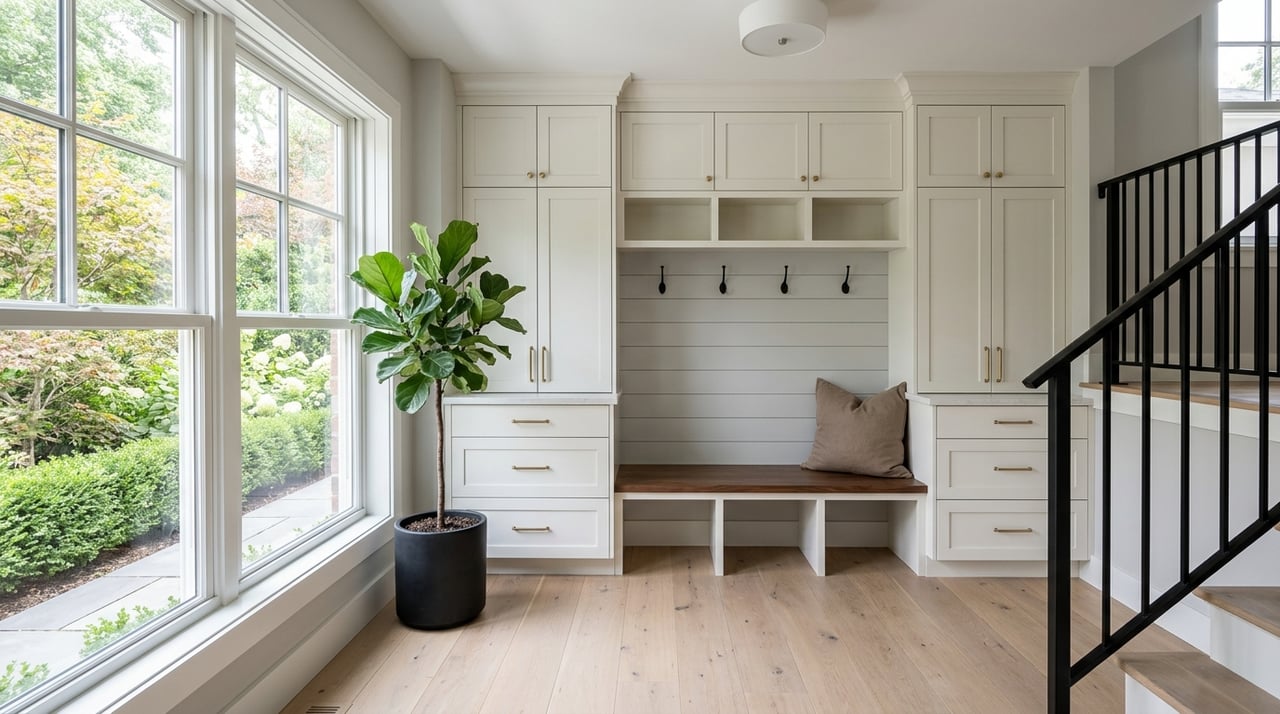
Inside the home, decluttering comes first. Before staging, before photography, and before final touch-ups, remove the extra pieces that make rooms feel smaller or less clear.
Focus on tabletops, counters, shelves, floors, and closets. Buyers often compare homes virtually before they ever schedule a showing, so open, easy-to-read spaces matter both in person and in photos.
Depersonalize with care
You do not need to strip your home of warmth. You do want to remove enough personal items that buyers can picture their own routines and style in the space.
That usually means packing away most family photos, niche collections, refrigerator clutter, and highly specific decor. The goal is clean, calm, and welcoming.
Edit furniture for flow
Large or excess furniture can make even generous rooms feel tight. Remove pieces that block pathways, crowd windows, or make the room’s purpose less obvious.
This is especially important because buyers often tour homes with spouses, relatives, or other decision-makers. According to NAR’s 2025 Profile of Home Staging, buyers’ agents reported that a median of 23% of their buyers brought non-purchasing family members to view homes. Clear room function helps everyone evaluate the home more easily.
Stage the rooms that matter most
If you are deciding where to focus time and budget, prioritize the spaces buyers notice first. NAR found that 83% of buyers’ agents said staging made it easier for a buyer to visualize a property as a future home.
The same report found the most important room to stage was the living room, followed by the primary bedroom and kitchen. Dining rooms also rank high among the most commonly staged spaces.
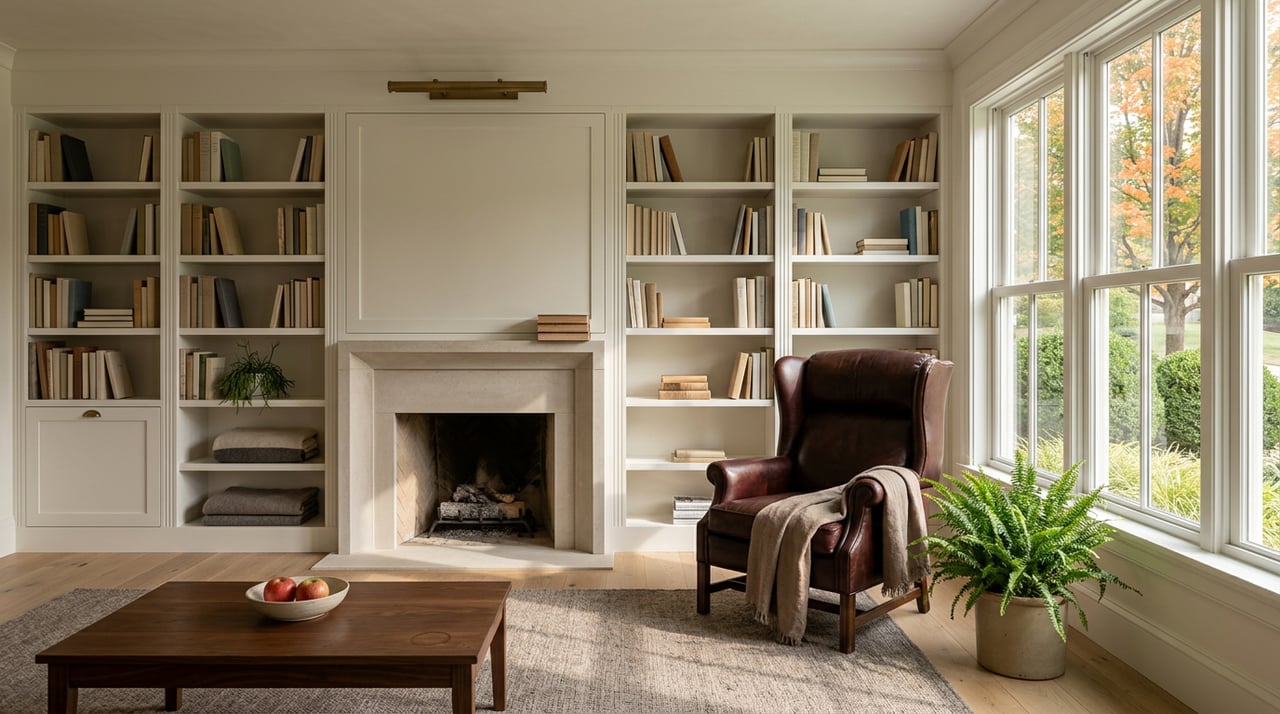
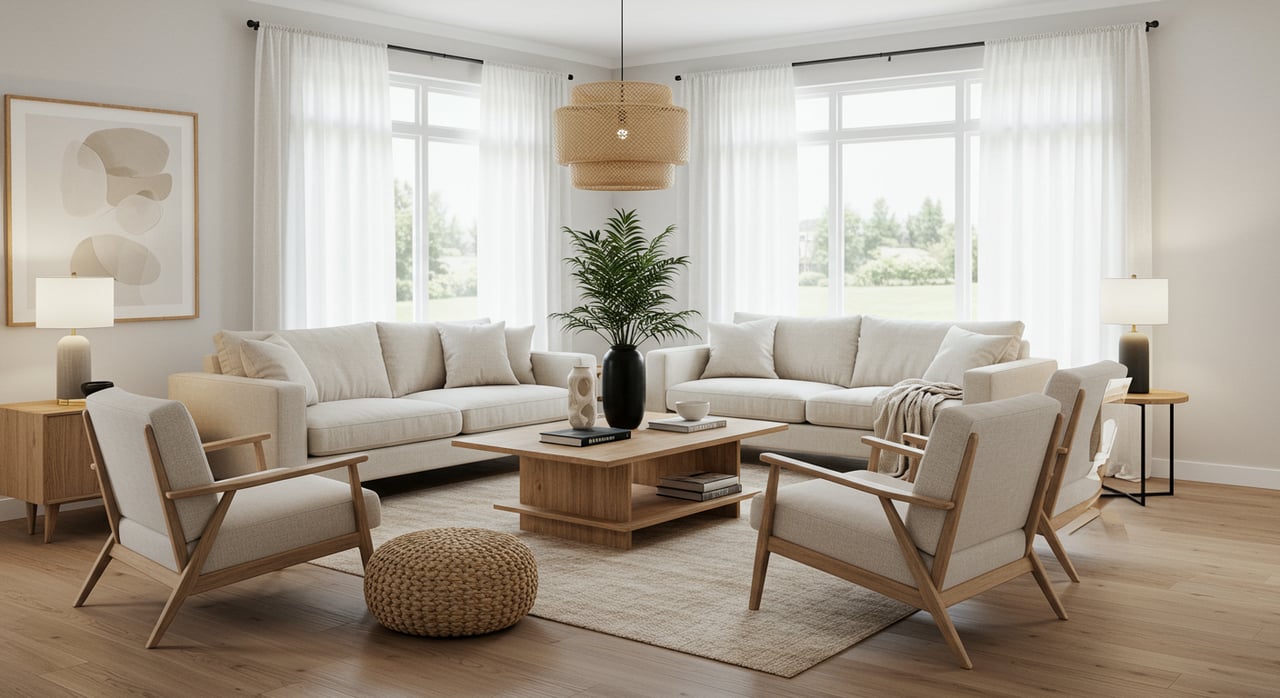
Living room
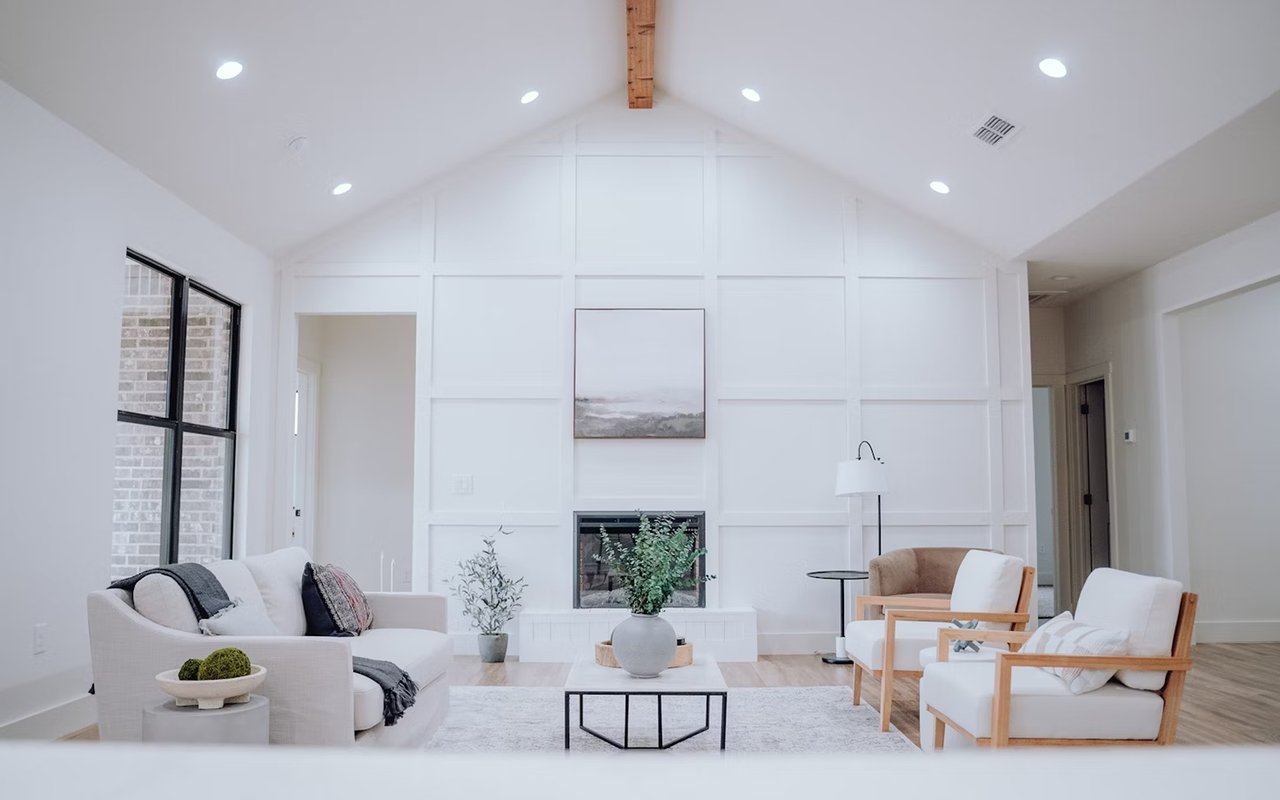
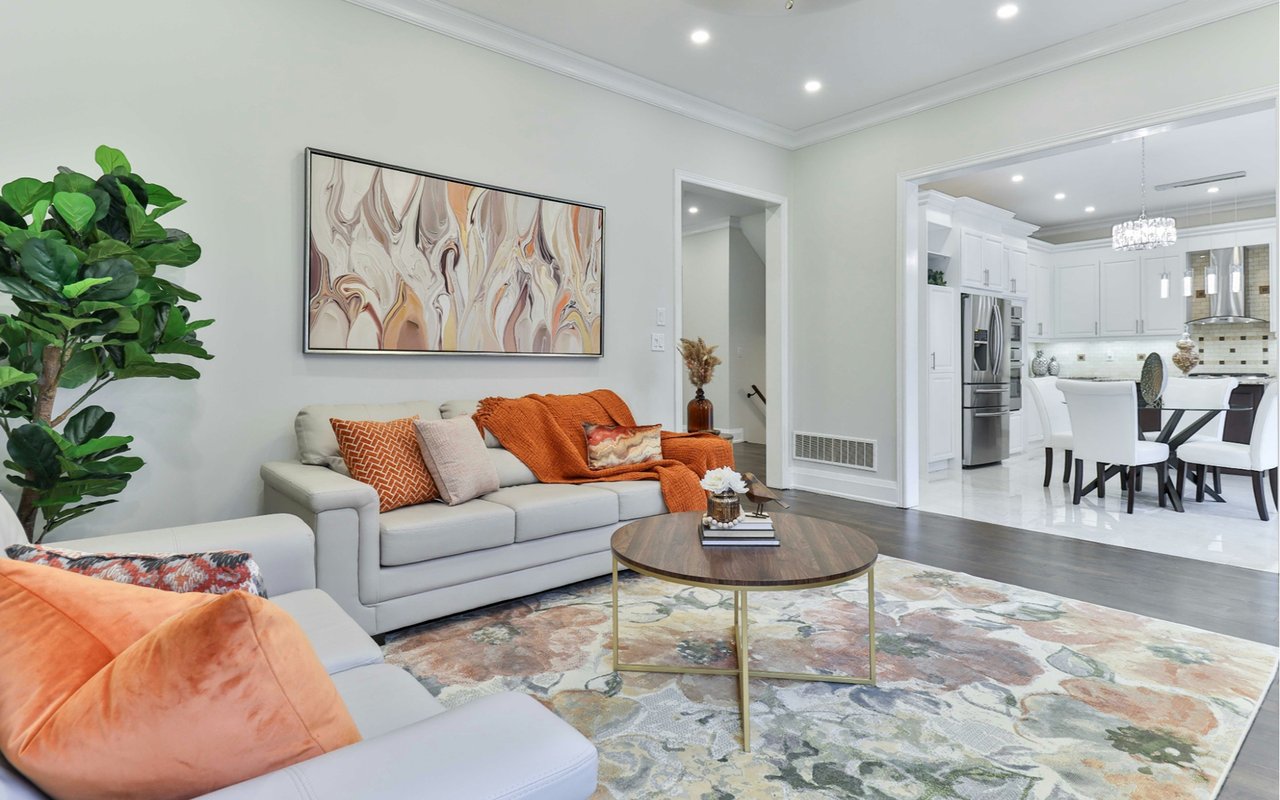
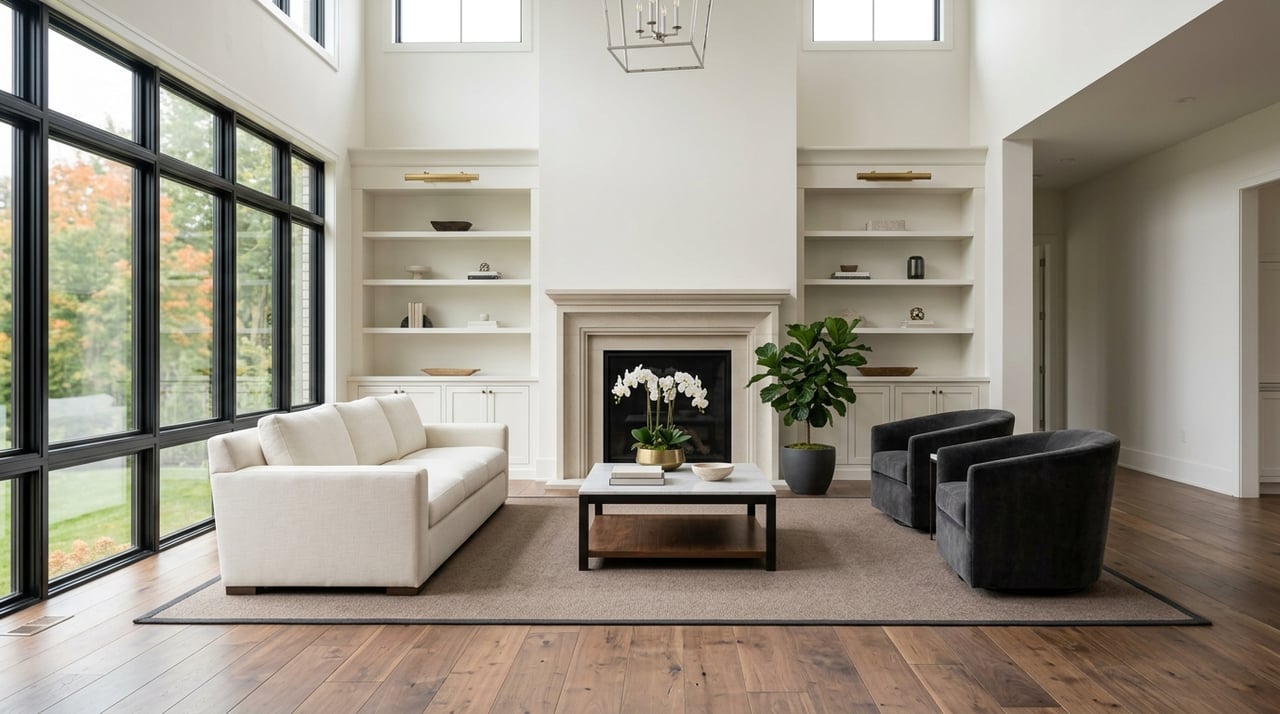
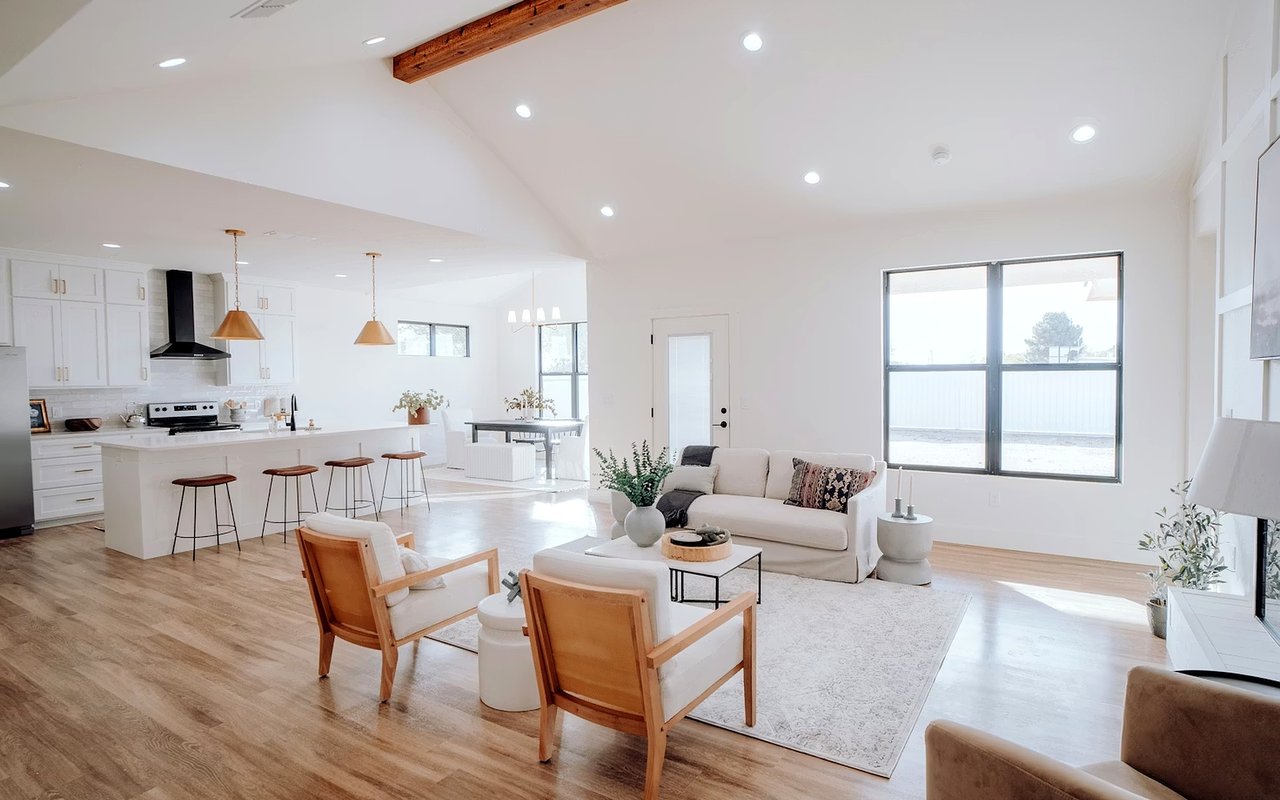
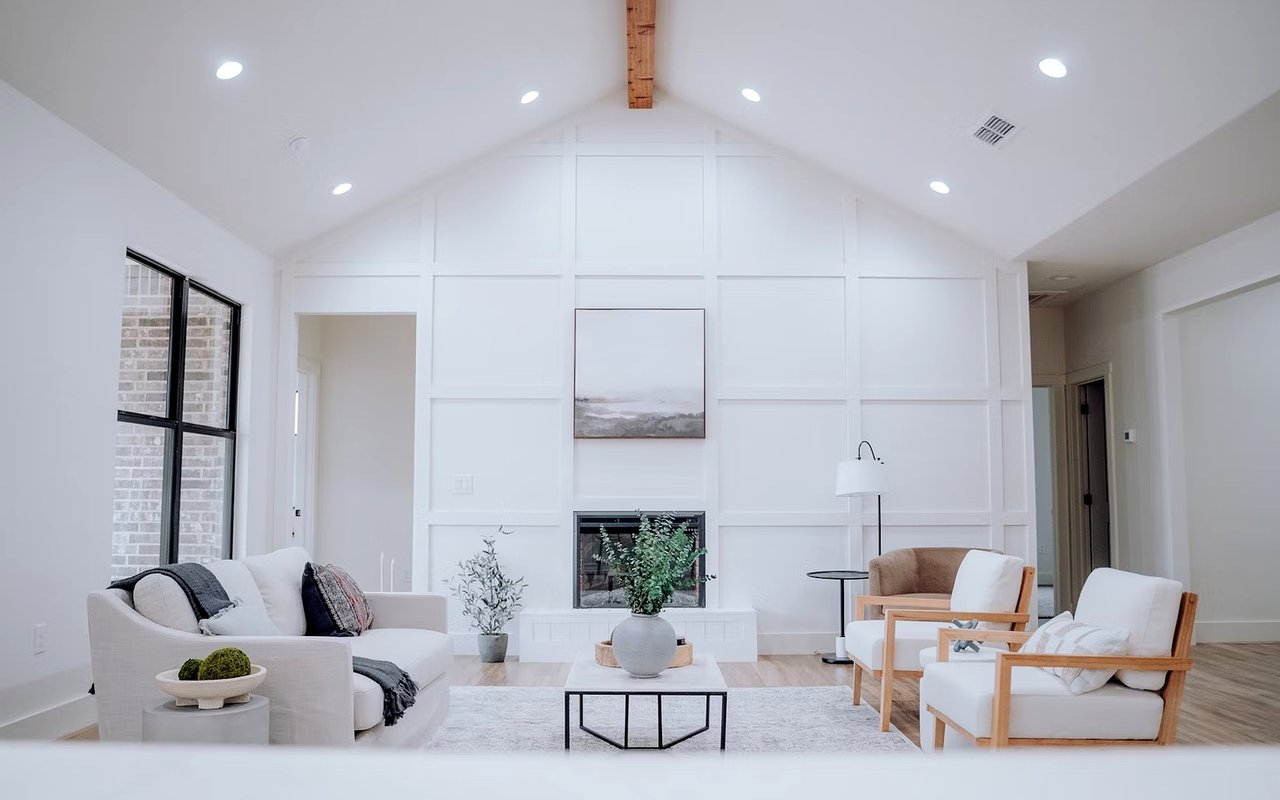
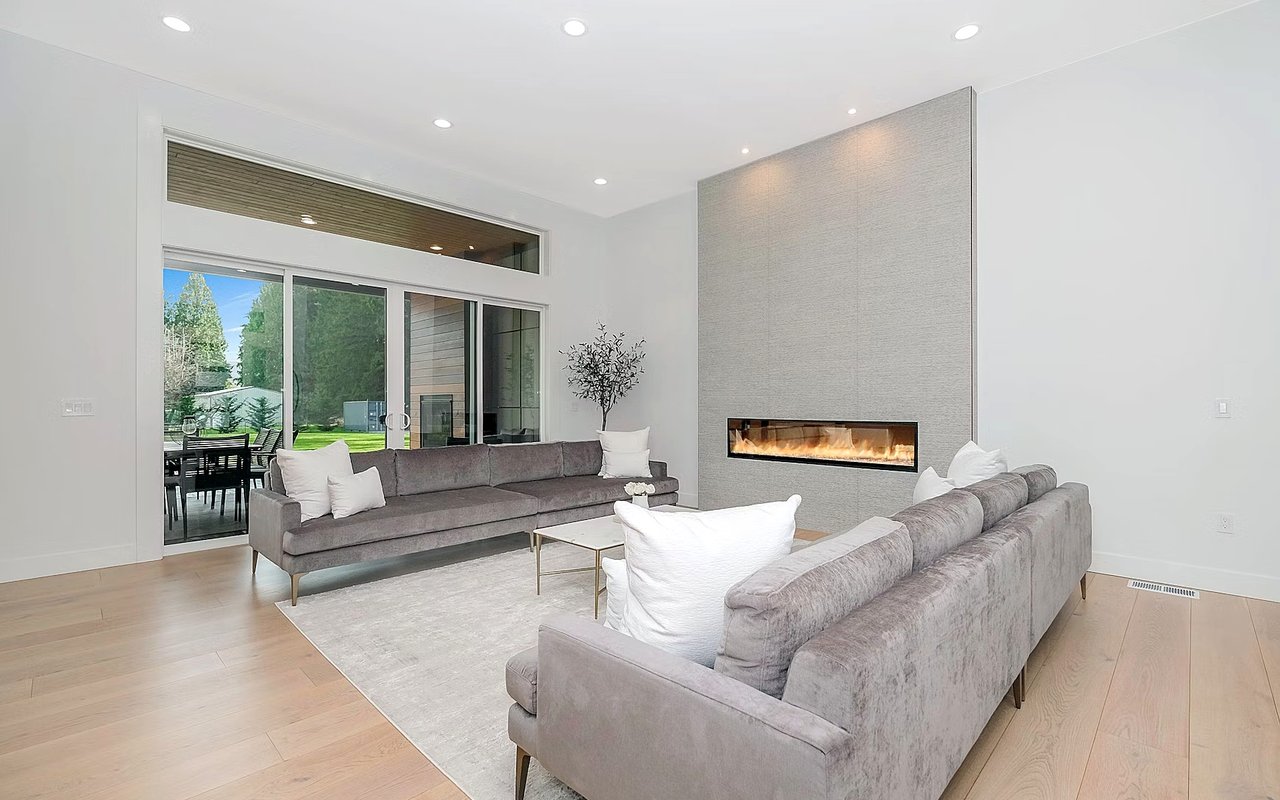
Your living room should feel open, bright, and easy to understand. Use seating that supports conversation, clear away extra decor, and create balance with simple art and lighting.
This room often carries a lot of visual weight in online photos. If it feels polished, buyers are more likely to keep exploring.
Primary bedroom
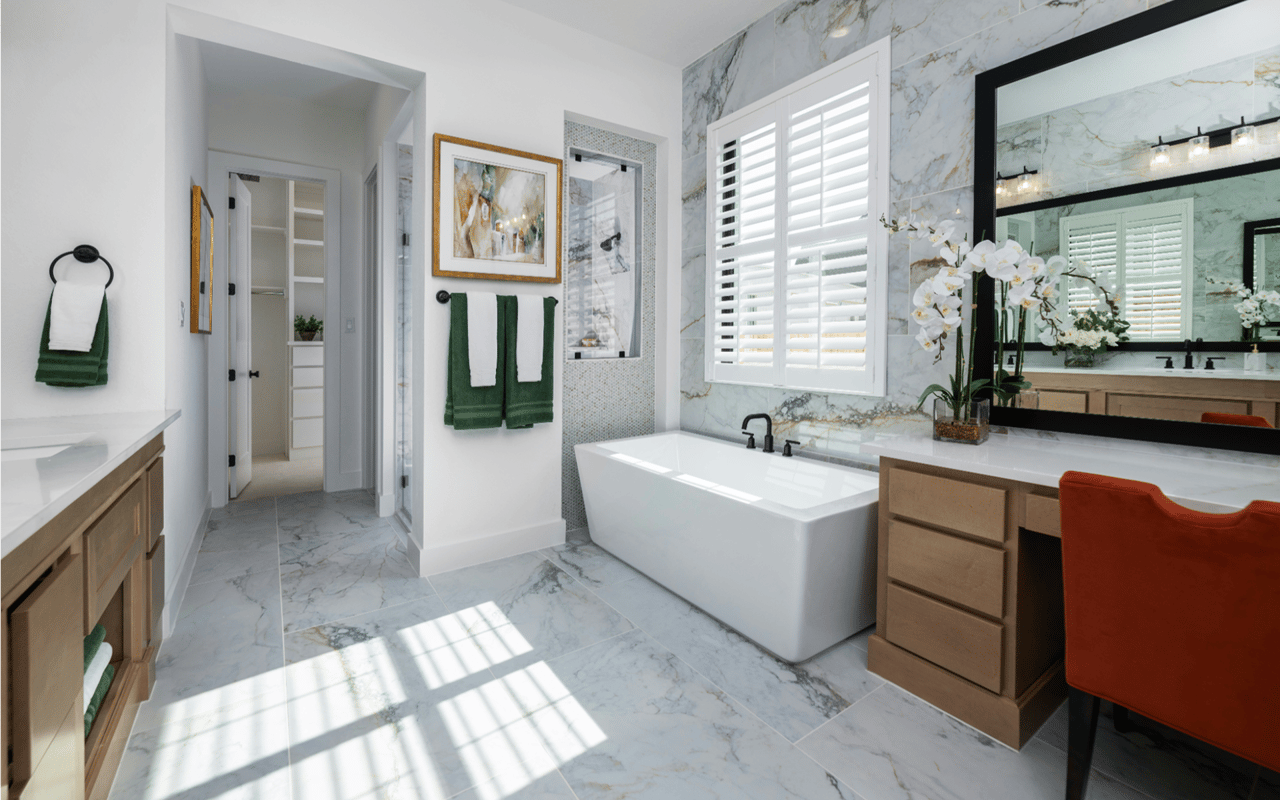
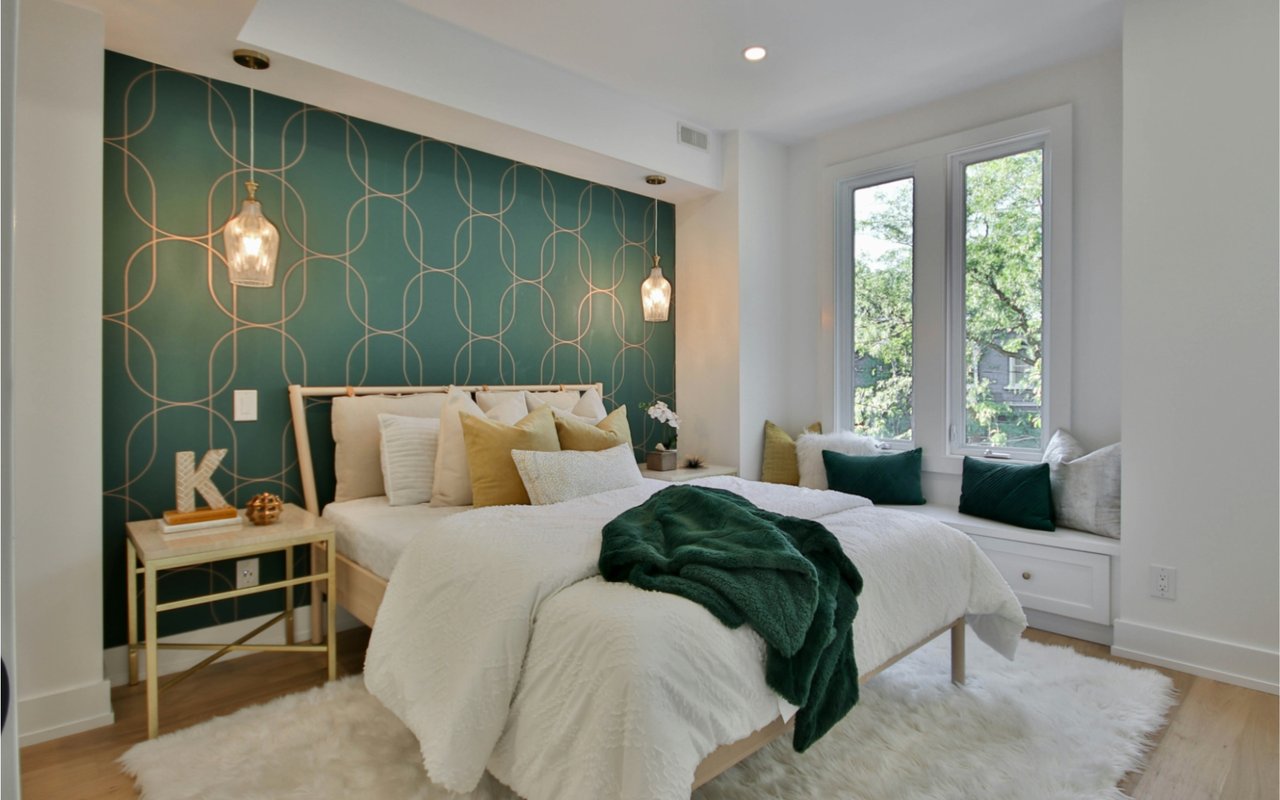
Keep the primary bedroom restful and spacious. Crisp bedding, fewer personal items, and simplified furniture can help the room feel like a retreat.
Try to keep surfaces mostly clear and closets tidy. Buyers often look for calm and order in this space.
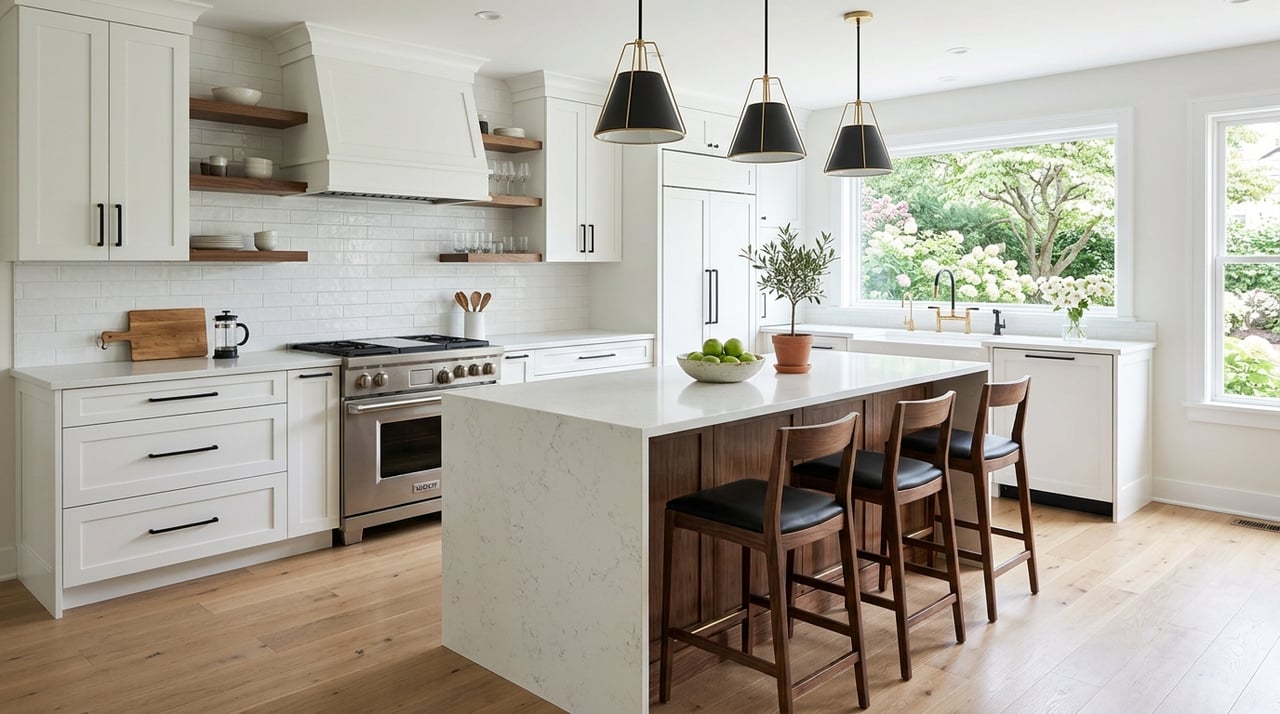
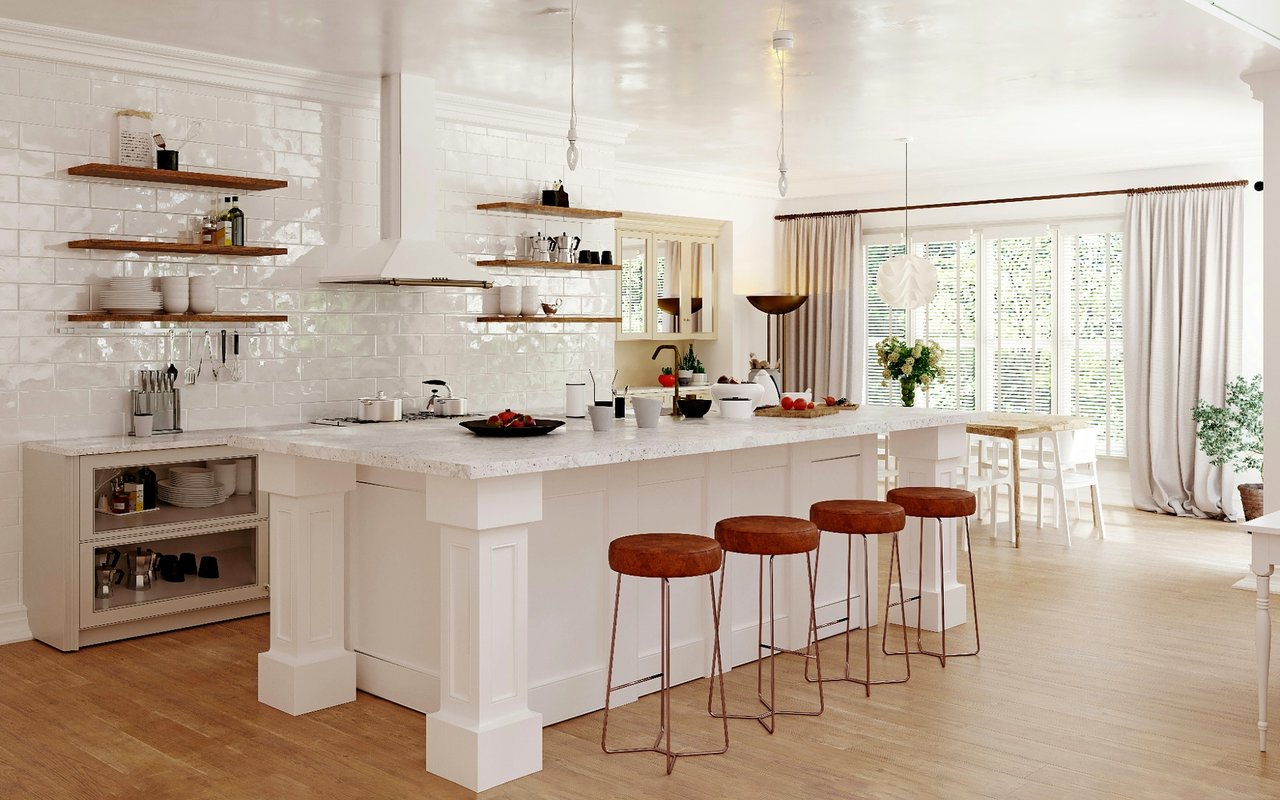
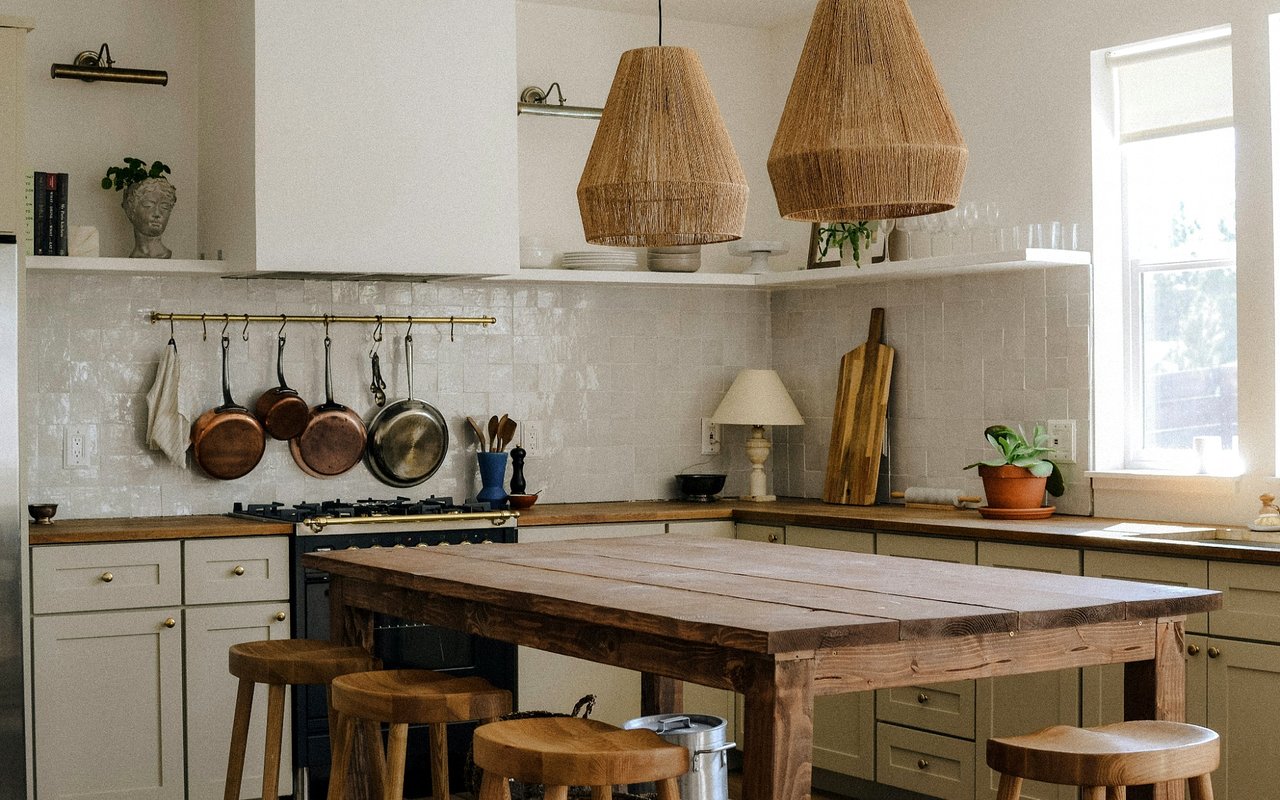
Kitchen
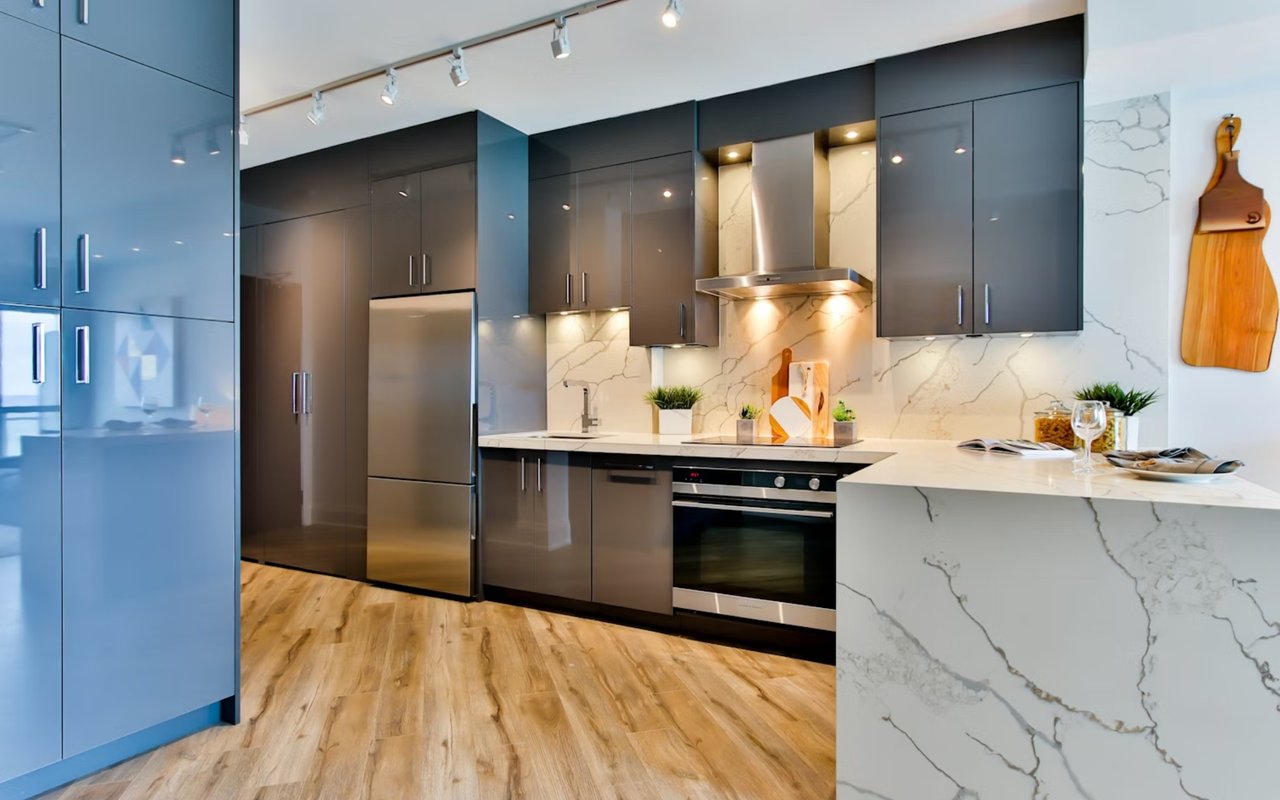
In the kitchen, less is more. Clear counters, remove magnets and papers, and keep visible storage organized.
If the kitchen is functional but not brand new, cleanliness and lighting go a long way. Buyers often respond well to a kitchen that feels bright, efficient, and move-in ready.
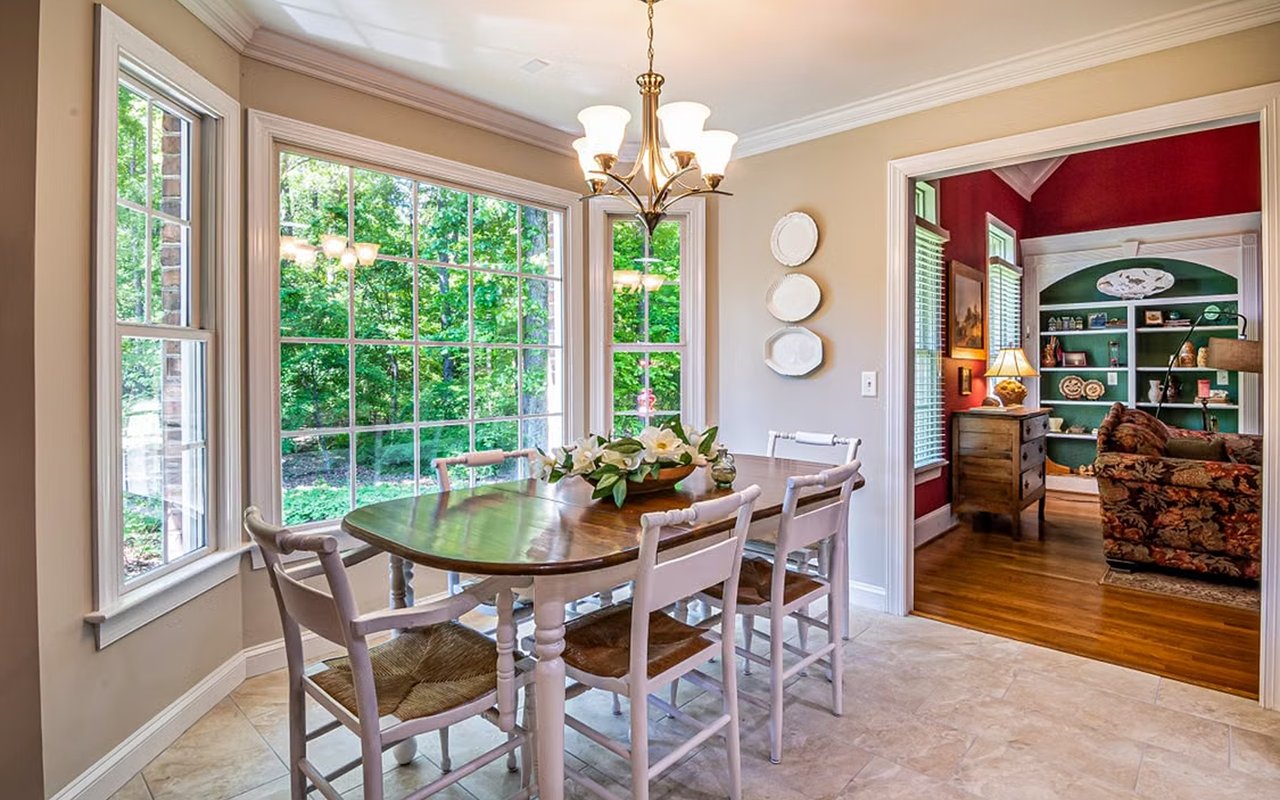
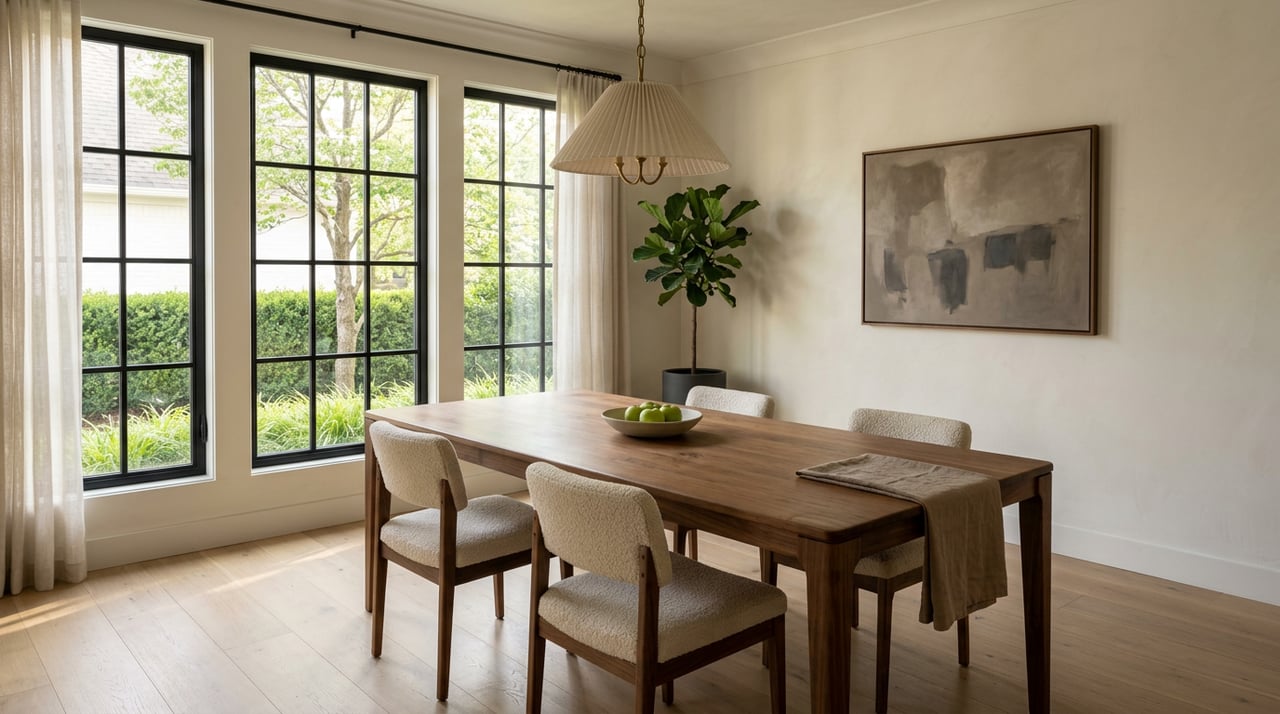
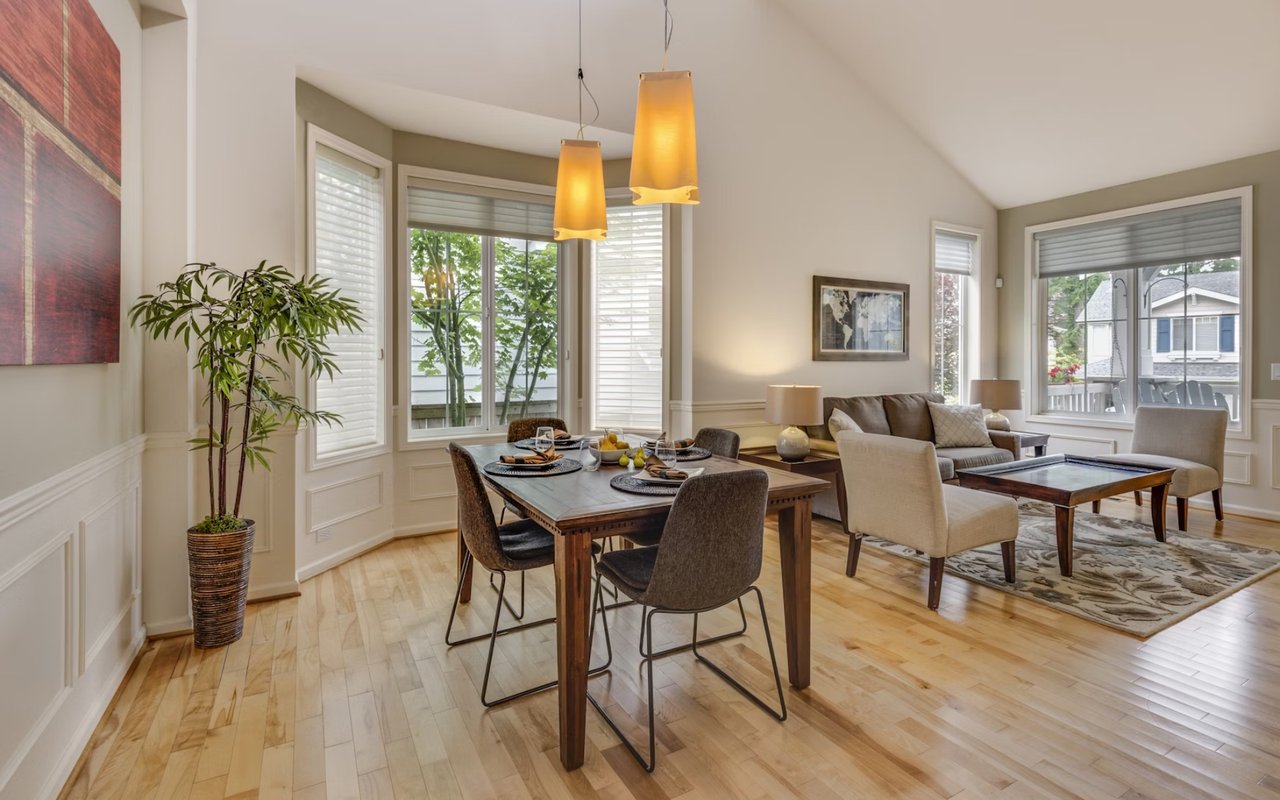
Dining room
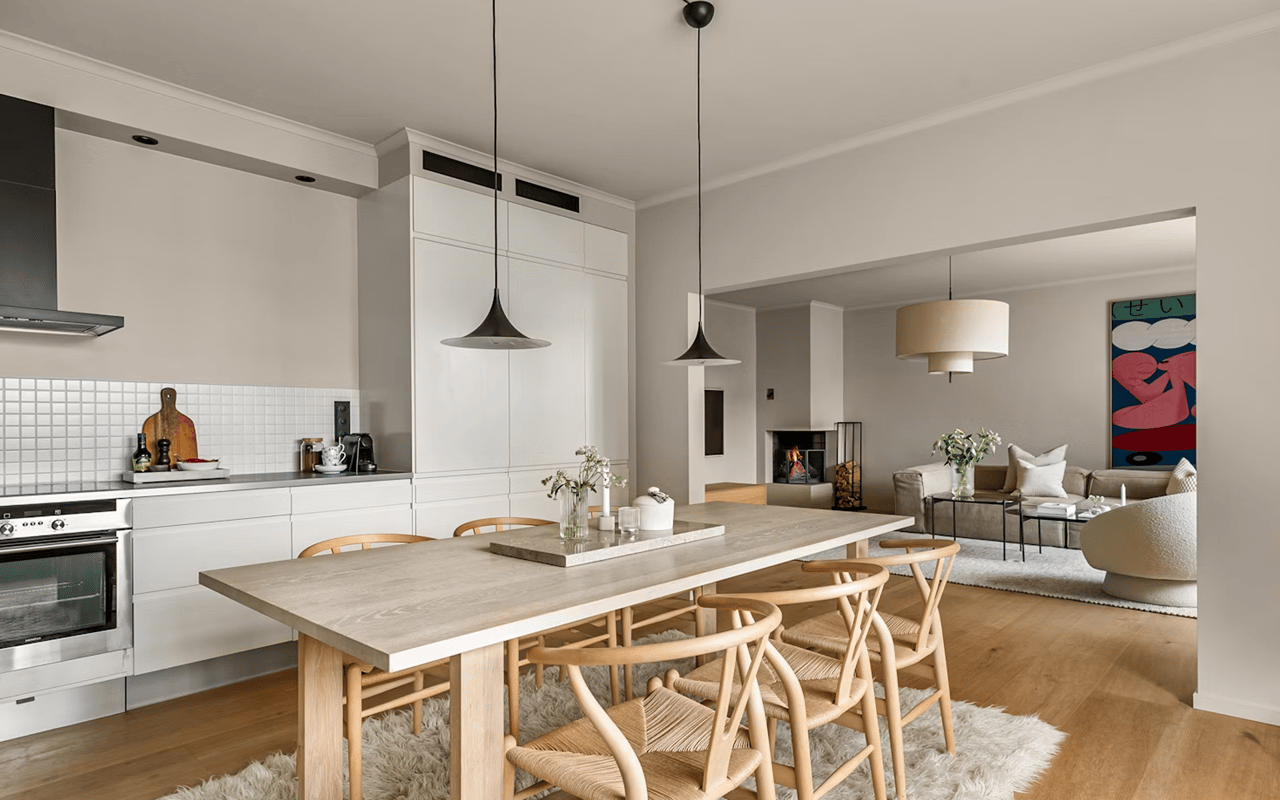
A dining room does not need to be elaborate. It does need to read clearly in photos and in person.
A simple table setting, edited furniture, and balanced lighting can make the space feel intentional. That helps buyers understand how the home lives day to day.
Brighten and simplify key spaces
Montgomery buyers are likely to notice how a home feels, not just how it looks. Open blinds, replace dim bulbs, and use consistent lighting throughout the home. If a room feels dark or heavy, small changes like lighter bedding, fewer accessories, or removed drapery panels can help.
Neutral presentation also allows architectural details to stand out. In homes with traditional or historic character, that can be especially valuable.
Decide whether to renovate
Many sellers ask if they should renovate before listing. In most cases, the smarter first move is to focus on visible condition and buyer-facing rooms instead of taking on major projects.
That means cleaning thoroughly, repairing defects, refreshing paint or lighting where needed, and staging the living room, primary bedroom, and kitchen before worrying about lesser-used spaces. In Montgomery, thoughtful preparation often matters more than chasing every possible upgrade.
Time photography after the home is ready
Do not schedule listing photos too early. Buyers today often expect to see many homes virtually before they narrow their list. NAR reported that buyers with expectations typically expected to see a median of 20 homes virtually and eight in person.
That means your photos need to work hard. Photograph only after repairs are complete, staging is in place, and every room is fully camera-ready.
Prepare early for your launch window
If you want flexibility on timing, start prep sooner than you think you need to. Realtor.com’s 2026 Best Time to Sell report identified April 12 through 18 as the strongest national listing window, with homes listed then historically receiving 1.3% higher prices, 16.7% more views, and selling about nine days faster than average.
Even if your ideal launch date is different, the takeaway is useful. Repairs, staging, photography, and pricing decisions all take time, and rushing usually shows.
A practical Montgomery prep checklist
Here is a streamlined way to prepare your home for market:
- Walk the home like a buyer and make a clean, repair, and refresh list.
- Tackle exterior curb appeal first.
- Verify any Heritage Overlay District rules before major exterior changes.
- Declutter and depersonalize throughout the home.
- Edit furniture to improve space and flow.
- Prioritize the living room, primary bedroom, kitchen, and dining room.
- Brighten rooms and address visible wear.
- Finish all prep before professional photography.
- Launch with pricing and presentation aligned from day one.
When these pieces work together, your home enters the market with a stronger story and fewer distractions.
Selling in Montgomery is often less about doing everything and more about doing the right things in the right order. With thoughtful preparation, you can protect value, highlight what makes your home special, and meet buyers with the level of presentation they expect. If you want expert guidance on staging, timing, and listing strategy, connect with Julia Wesselkamper for a polished, hands-on approach tailored to your home.
FAQs
What is the best way to prepare a Montgomery home for sale?
- Start with a buyer-focused walkthrough, then clean, repair, refresh, declutter, and stage key rooms before photography and launch.
Which rooms should you stage first in a Montgomery home?
- Prioritize the living room, primary bedroom, and kitchen first, then the dining room if possible.
Should you renovate before listing a home in Montgomery?
- Usually, it makes more sense to focus on visible condition, simple updates, and buyer-facing rooms before taking on major renovations.
Do historic Montgomery homes need special preparation rules?
- Some do. If your home is in the Heritage Overlay District, confirm local requirements before making irreversible exterior changes.
Why does staging matter when selling a Montgomery home?
- Research shows staging helps buyers visualize a property as a future home, which can improve how your listing performs online and in person.