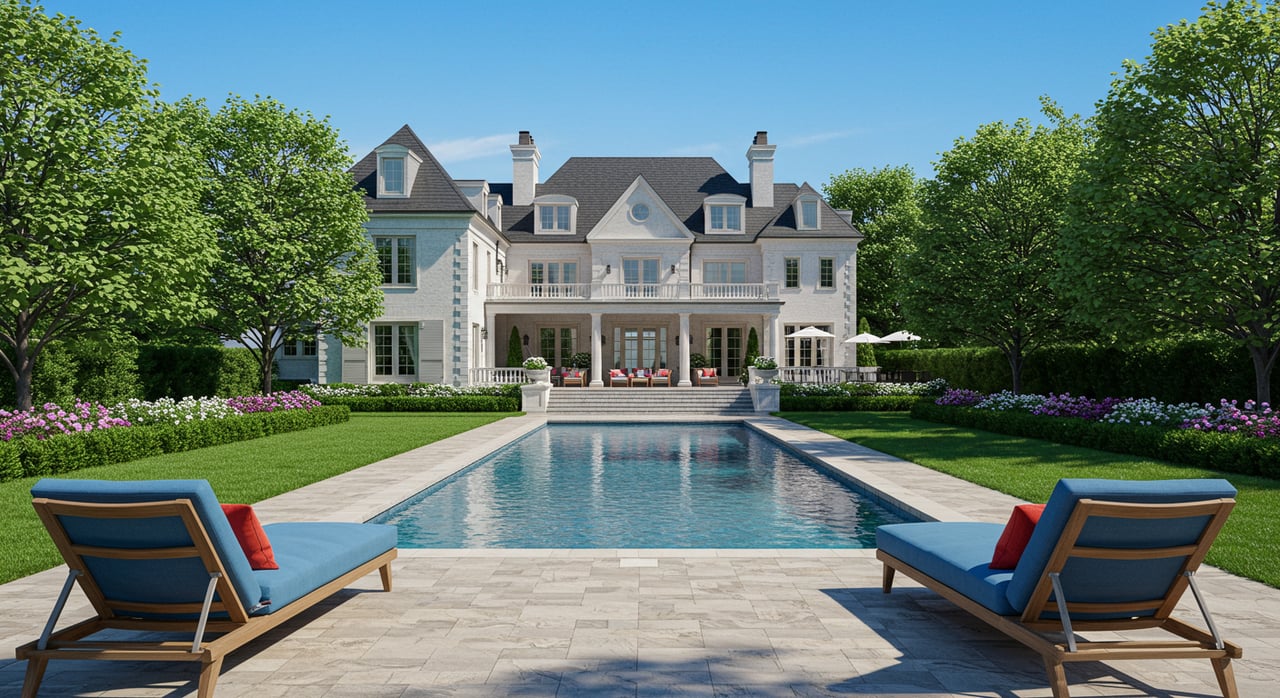
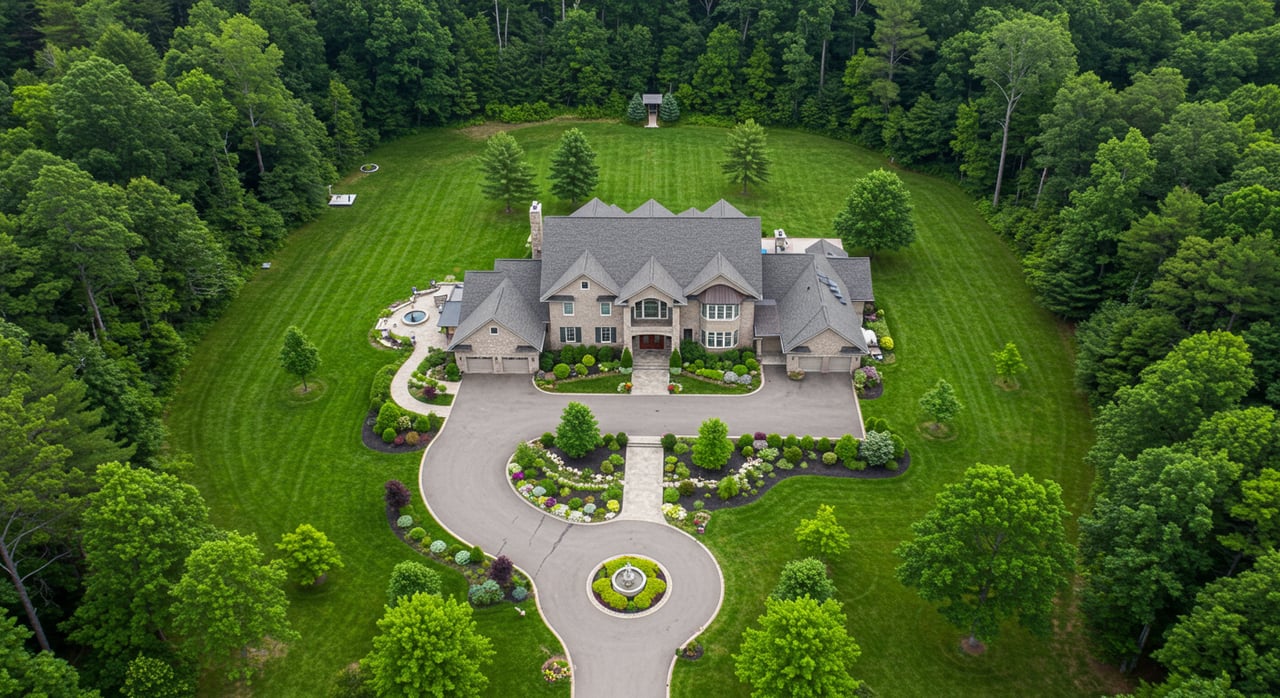
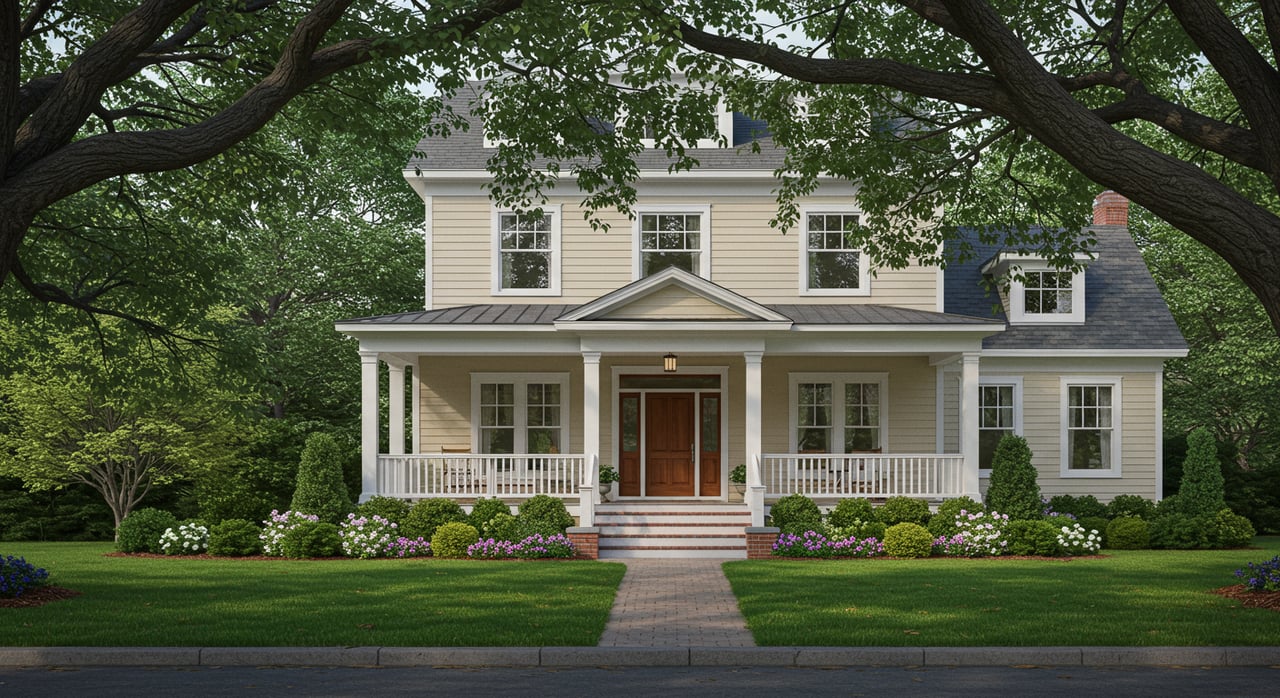
If you are looking for a place where privacy, open land, and equestrian tradition still shape daily life, Indian Hill Acres South stands out. You may be searching for a home with room to breathe, a property that feels tucked away, or a setting that supports estate living without losing access to Cincinnati. This guide will help you understand what makes this area distinctive, from land preservation and zoning to horse-friendly amenities and nearby lifestyle conveniences. Let’s dive in.
Indian Hill Acres South at a Glance
Indian Hill is a 20.5-square-mile community in Hamilton County, about ten miles northeast of Cincinnati. According to the village’s 2024 annual report, it was incorporated in 1941 with the intent that the area remain a rural neighborhood of homes and farms.
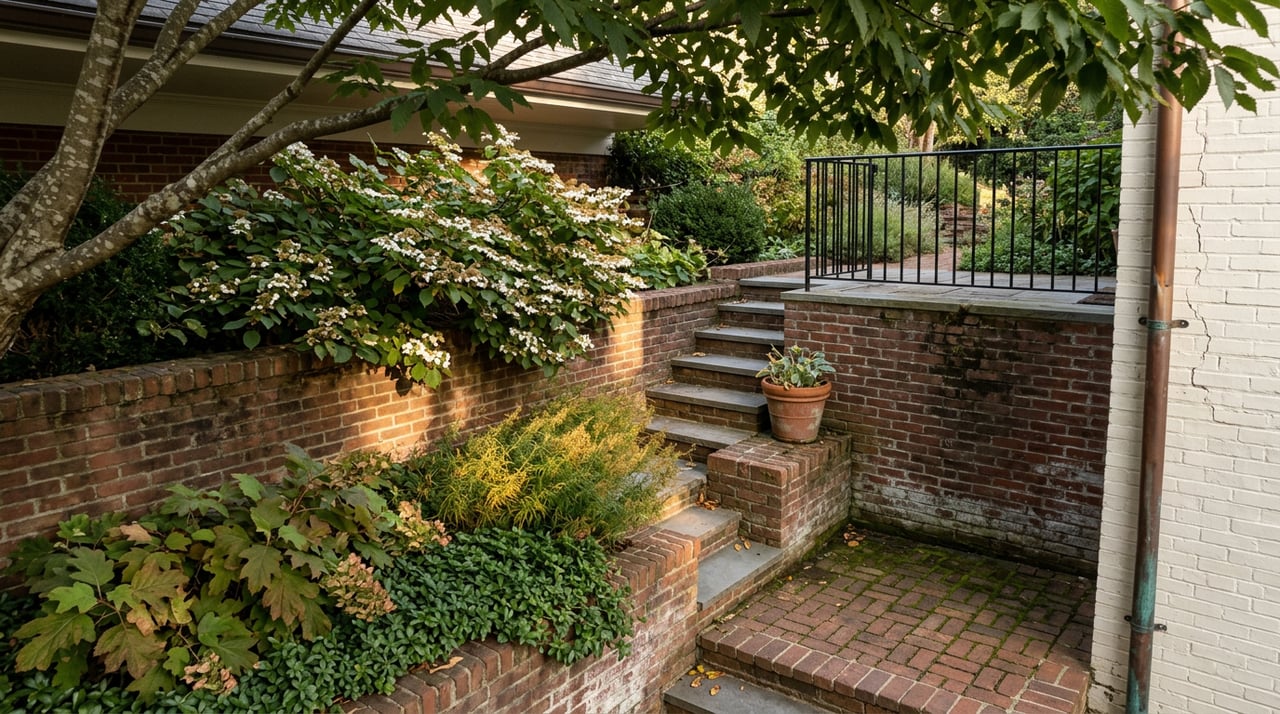
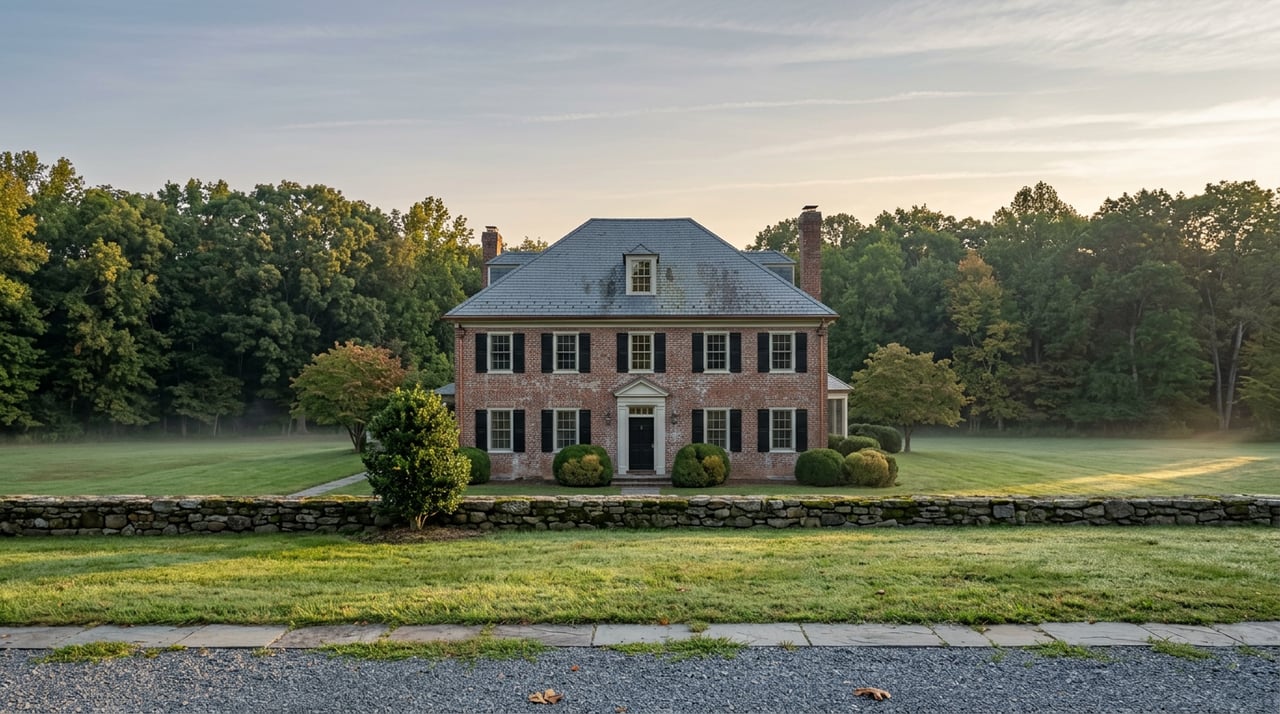
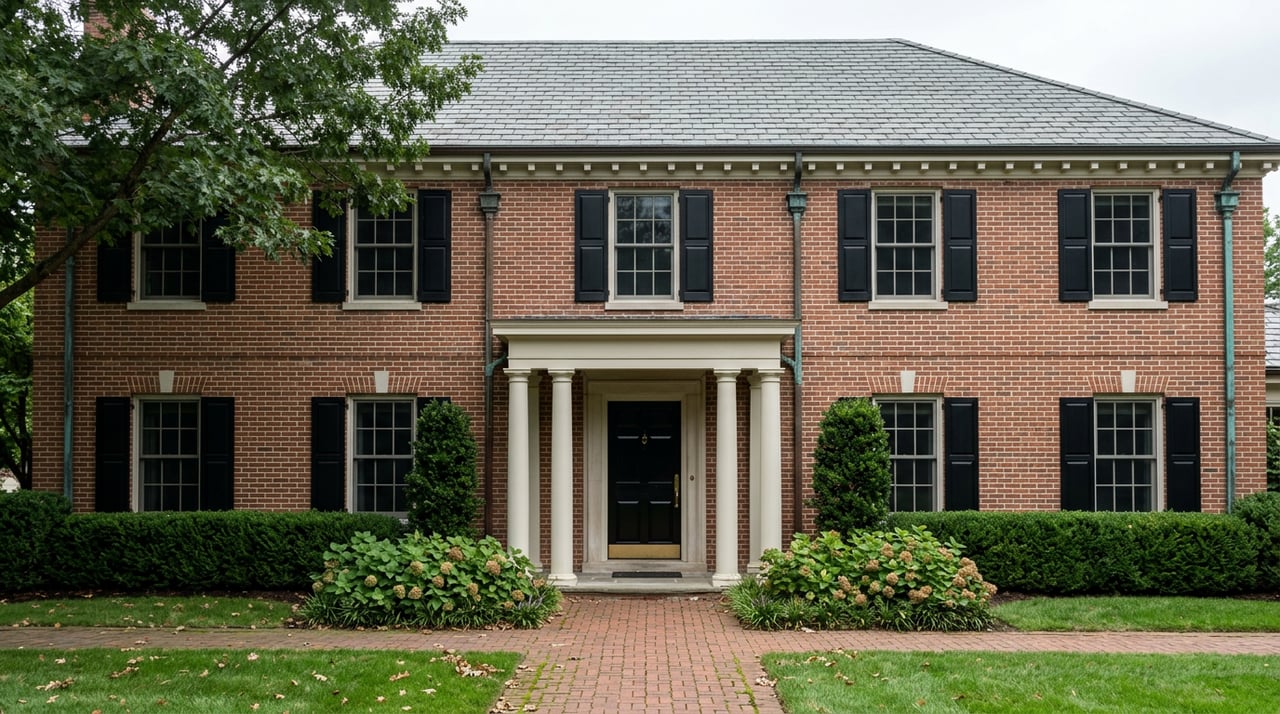
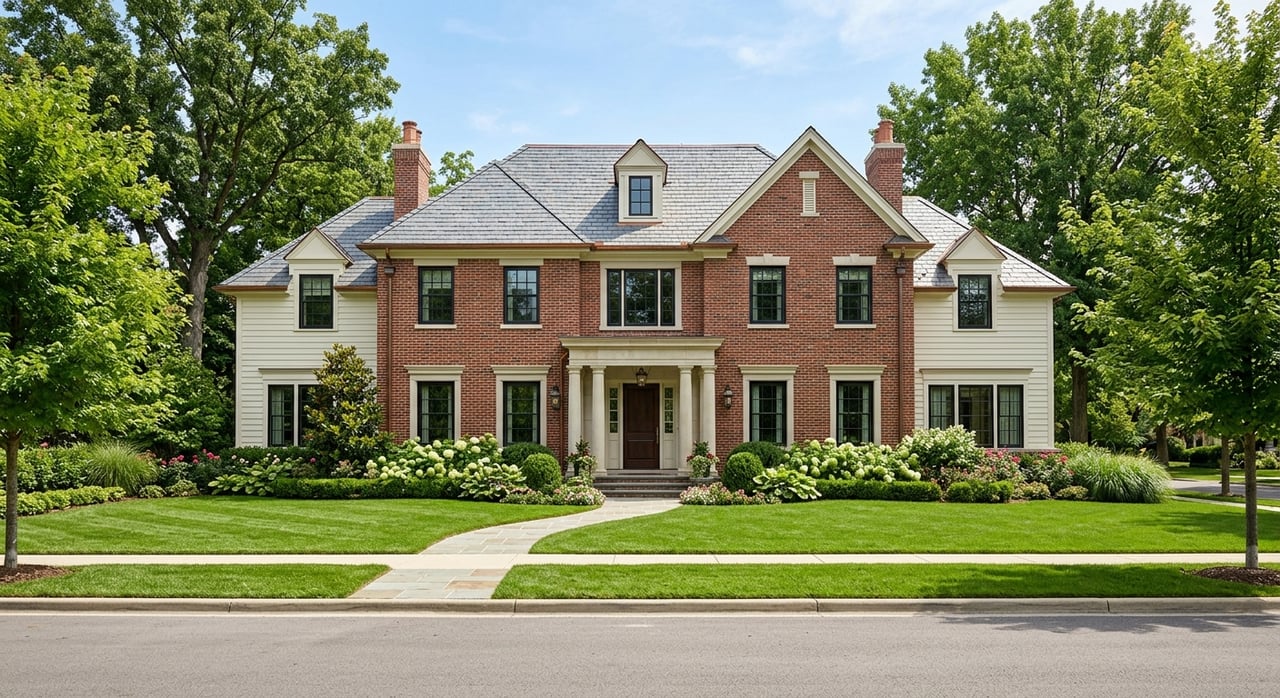
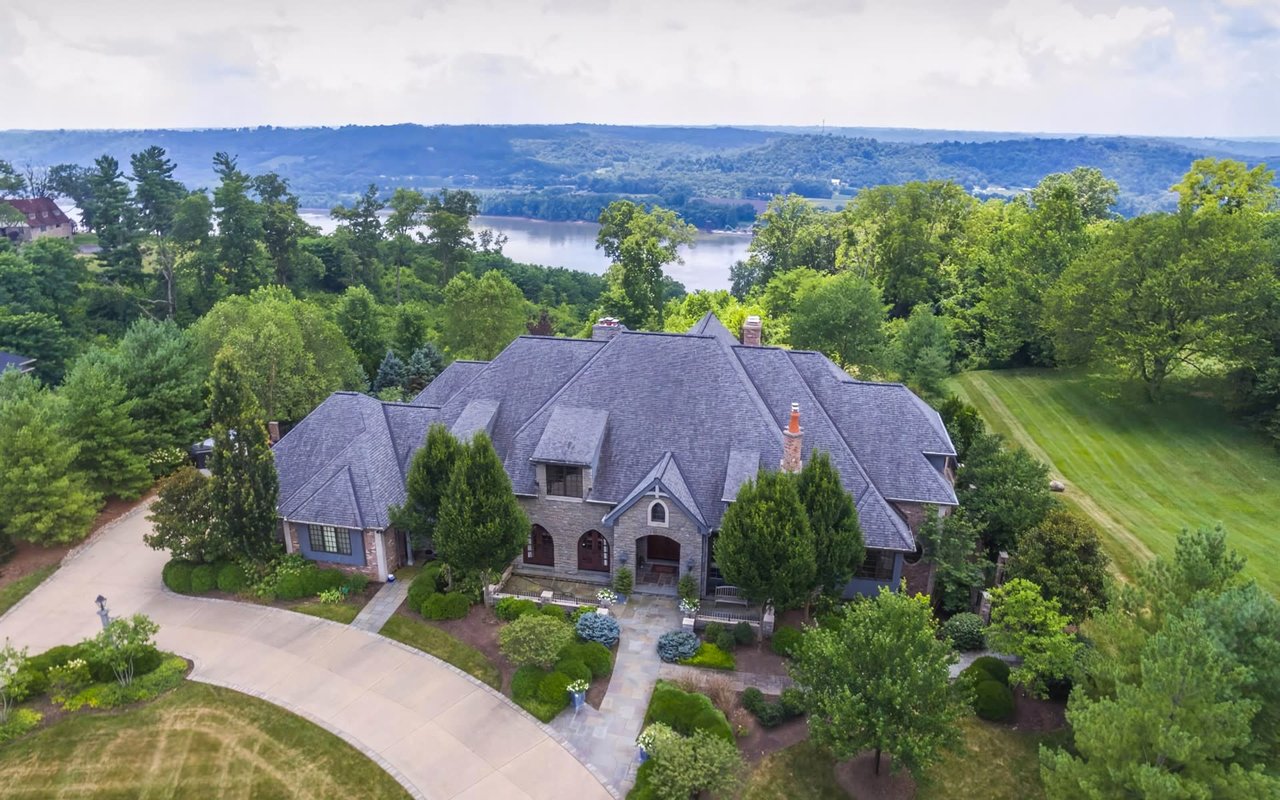
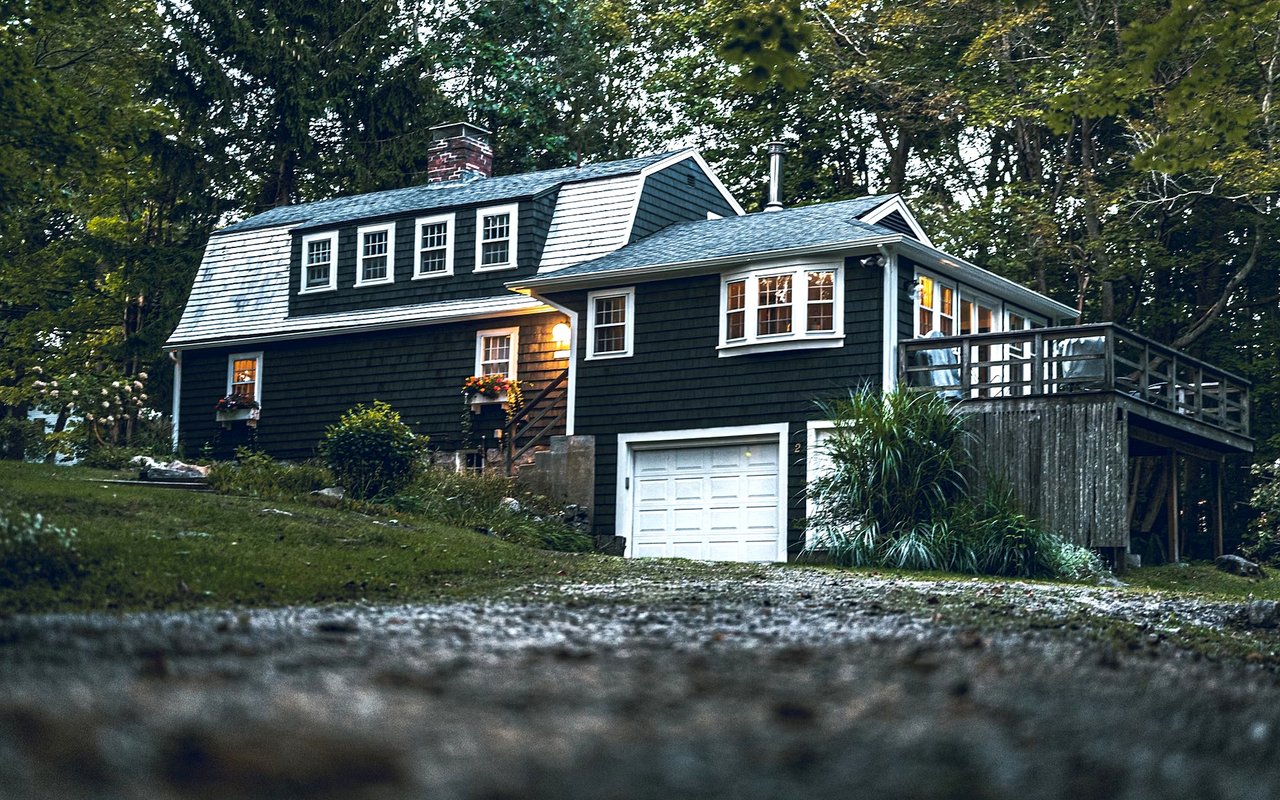
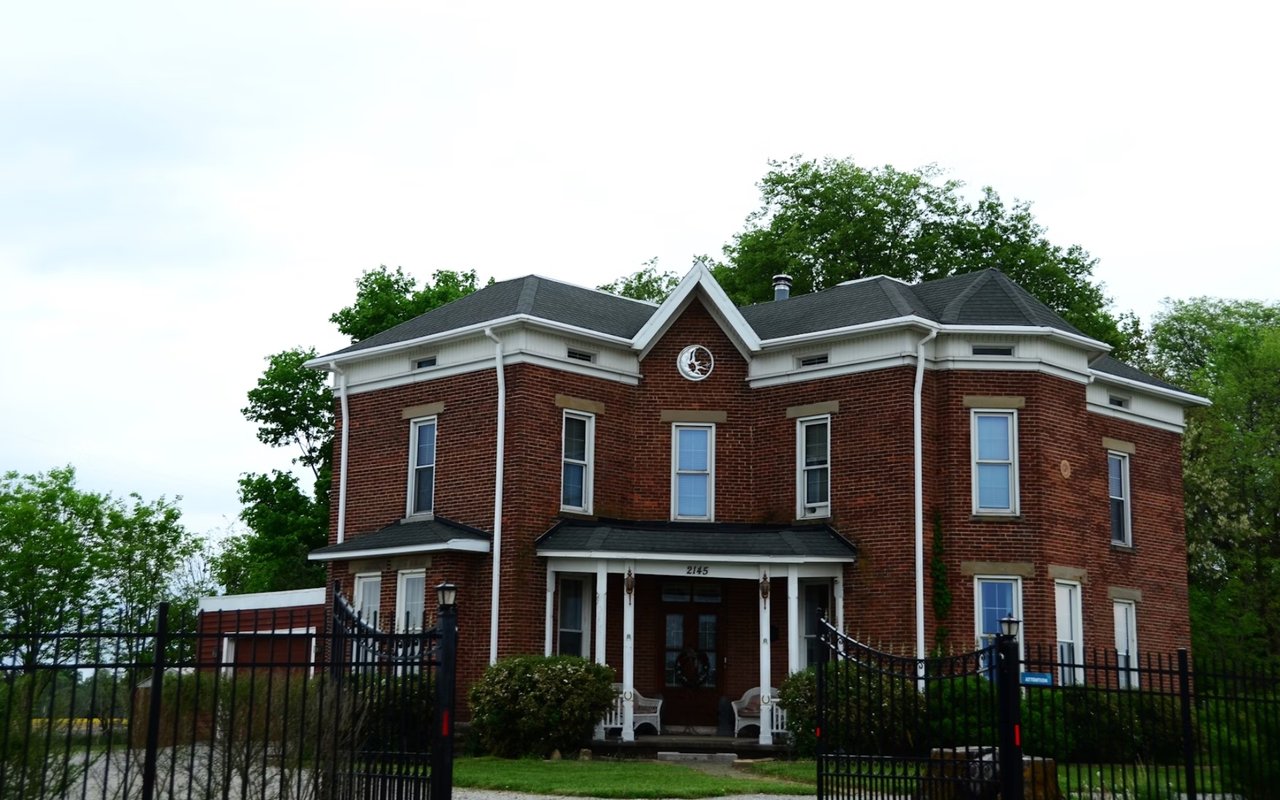
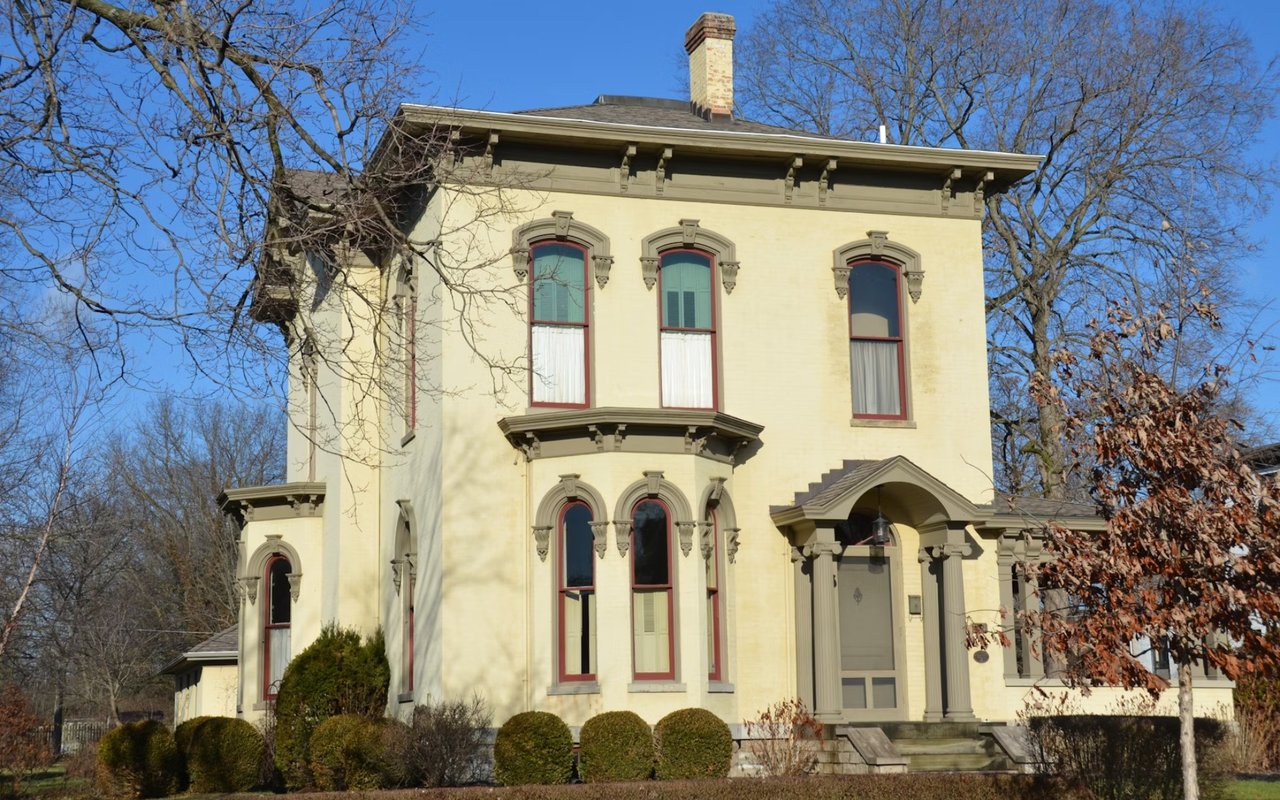
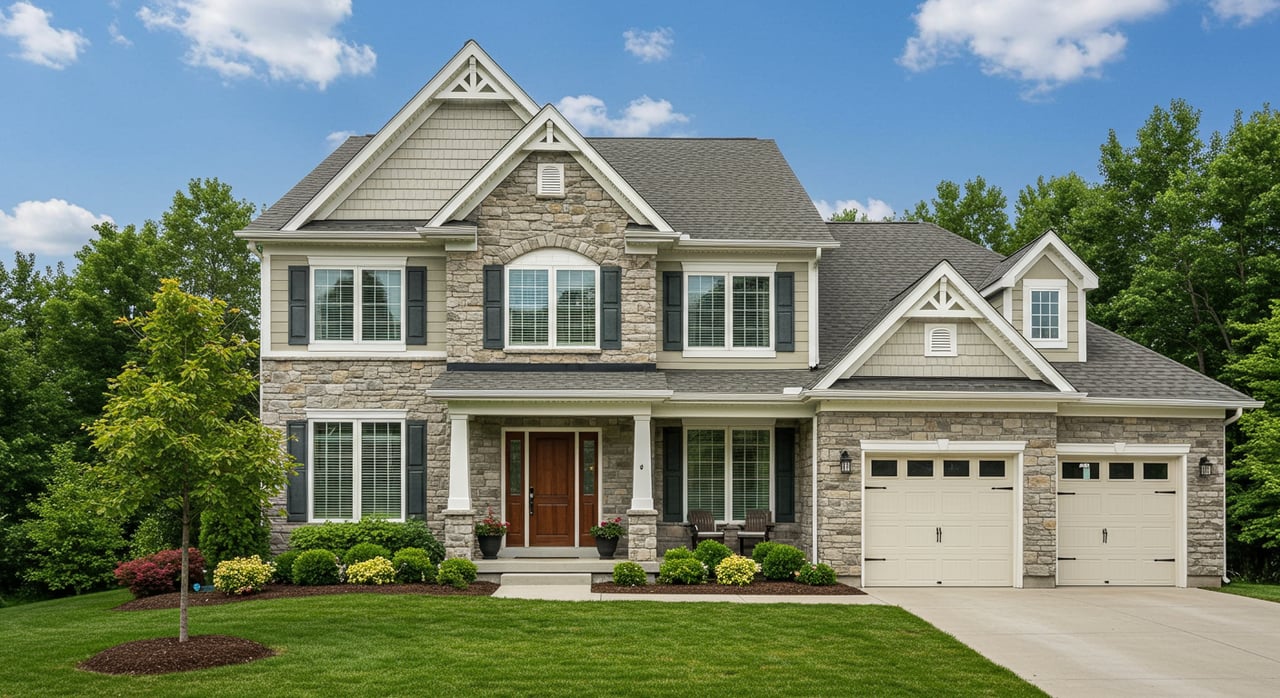
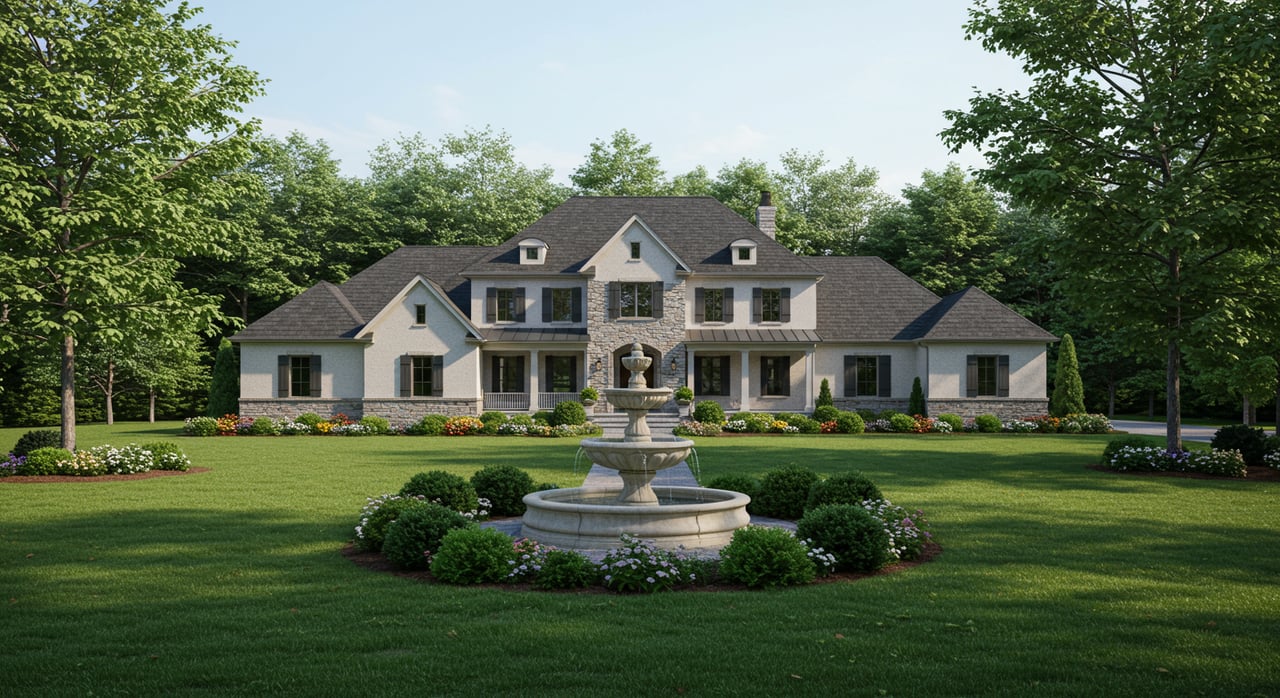
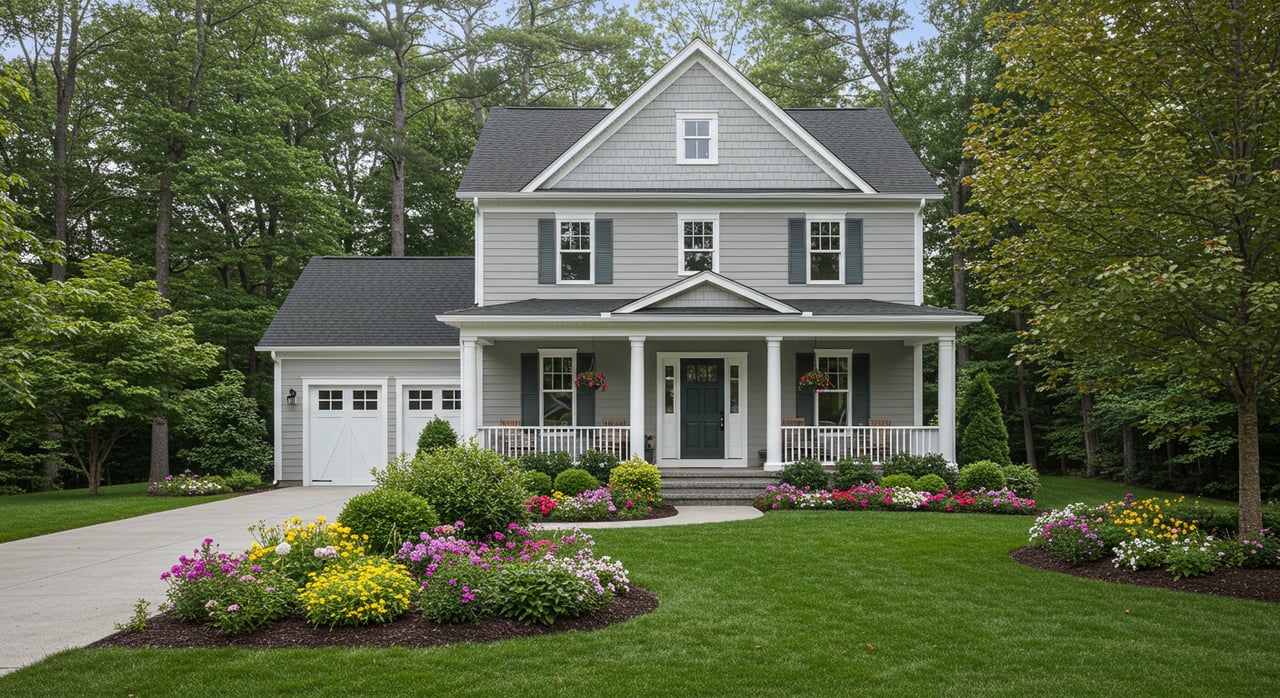
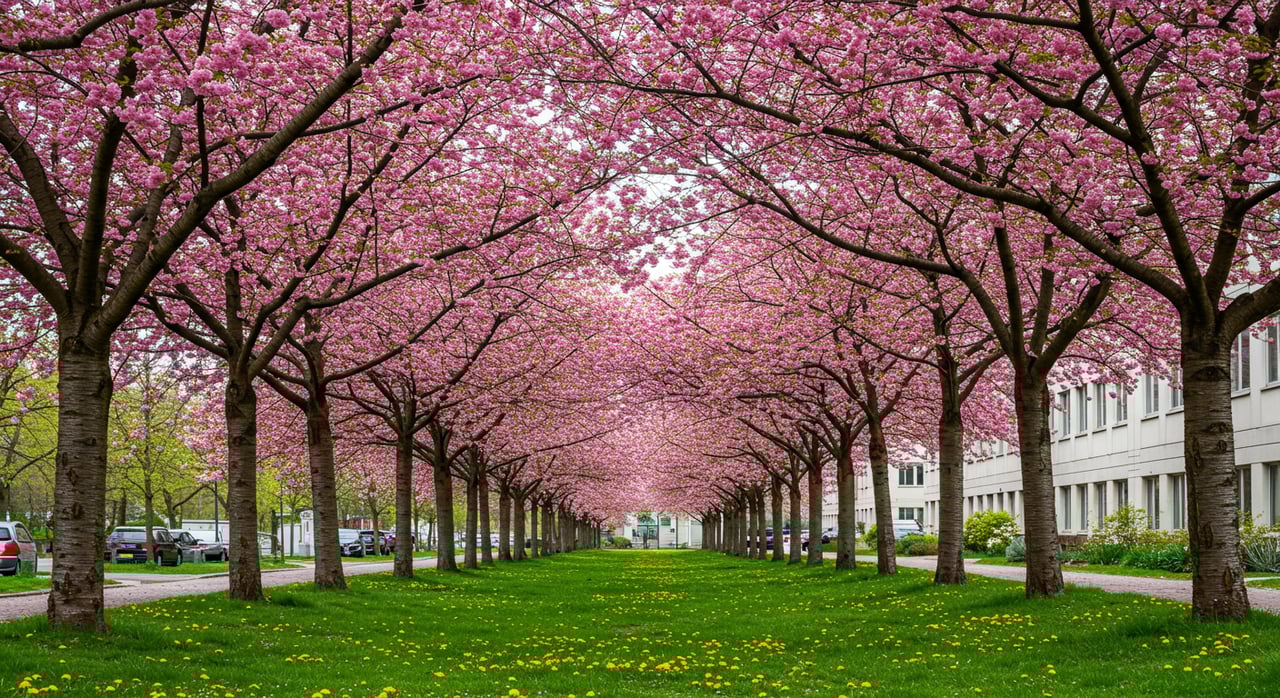
That vision still shapes the experience today. For you as a buyer or seller, that means Indian Hill Acres South is defined less by suburban density and more by trees, open land, and a strong sense of separation between homes.
Why the Setting Feels So Different
One of the biggest reasons Indian Hill feels unique is its land-conservation model. The village reports more than 3,400 acres of greenery through the Green Areas Trust program and lists 3,598 acres of park and green-area land.
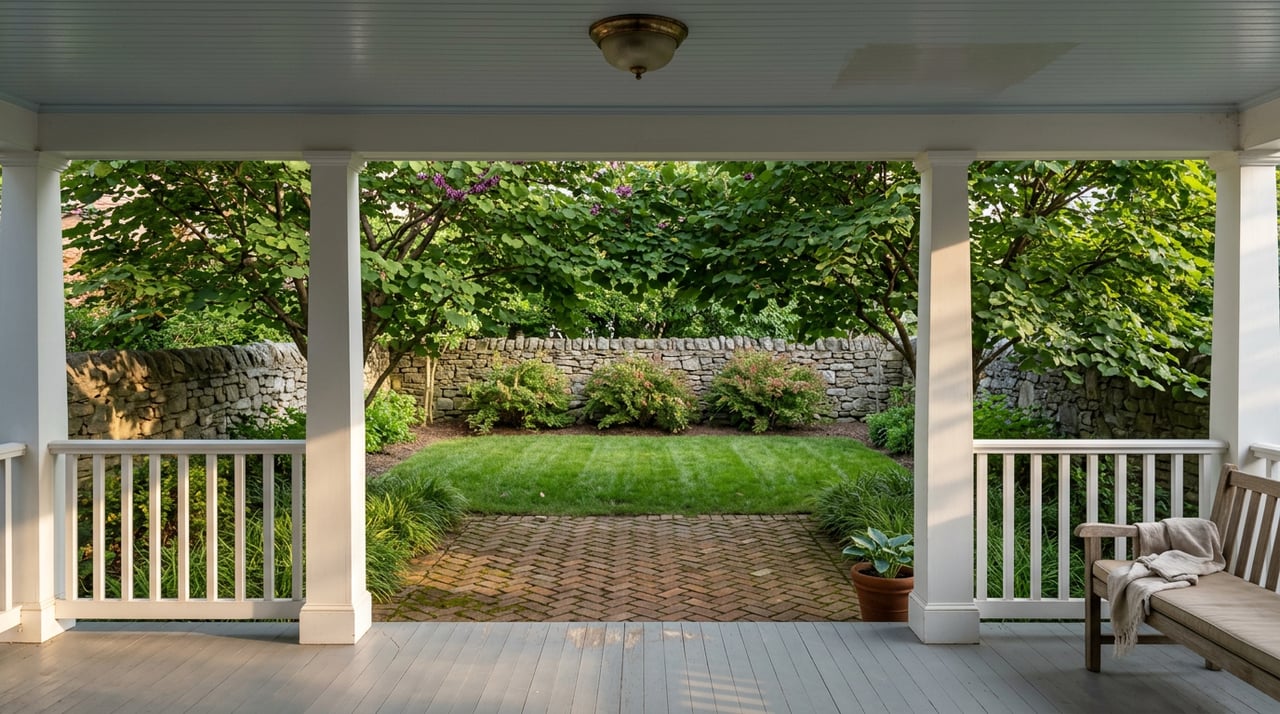
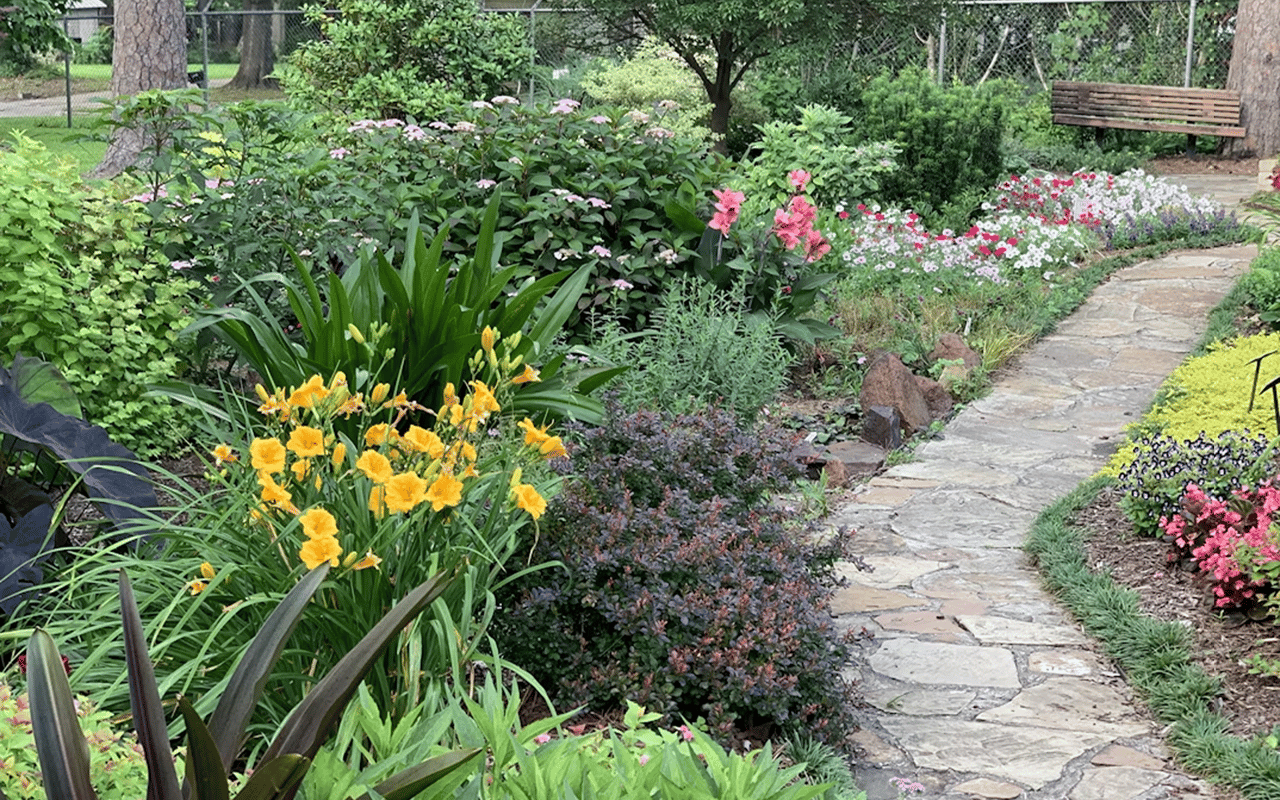
In practical terms, that preservation creates a landscape with mature trees, generous green space, and a low-density feel. Even when homes are within a short drive of shopping or commuter routes, the setting often feels calm, secluded, and intentionally protected.
Estate Living Starts With the Land
For many buyers, estate living is really about how the land supports the home. In Indian Hill, zoning plays a major role in that experience.
The village’s residential code includes large minimum lot sizes in certain districts. District A and B require 5-acre and 3-acre minimums, while District C requires a 1-acre minimum, along with frontage and yard standards that help preserve space between homes.
That matters because the overall streetscape does not feel tightly packed. Instead, the zoning framework supports longer sightlines, deeper setbacks, and a stronger sense of privacy.
What the zoning standards mean for you
If you are considering a purchase in Indian Hill Acres South, zoning can affect how a property lives day to day. It can also shape what is possible over time.
Key standards in the village code include:
- Minimum lot sizes of 5 acres and 3 acres in Districts A and B
- Minimum lot size of 1 acre in District C
- Frontage requirements of 250 feet and 200 feet in Districts A and B
- Frontage requirement of 150 feet in District C
- Front and rear yard minimums of 75 feet in District C
- Lot coverage caps of 20% in Districts A and B
- Lot coverage cap of 25% in District C
These standards help explain why many properties feel private and visually buffered. They also show why Indian Hill’s character tends to remain consistent over time.
Privacy Is Part of the Lifestyle
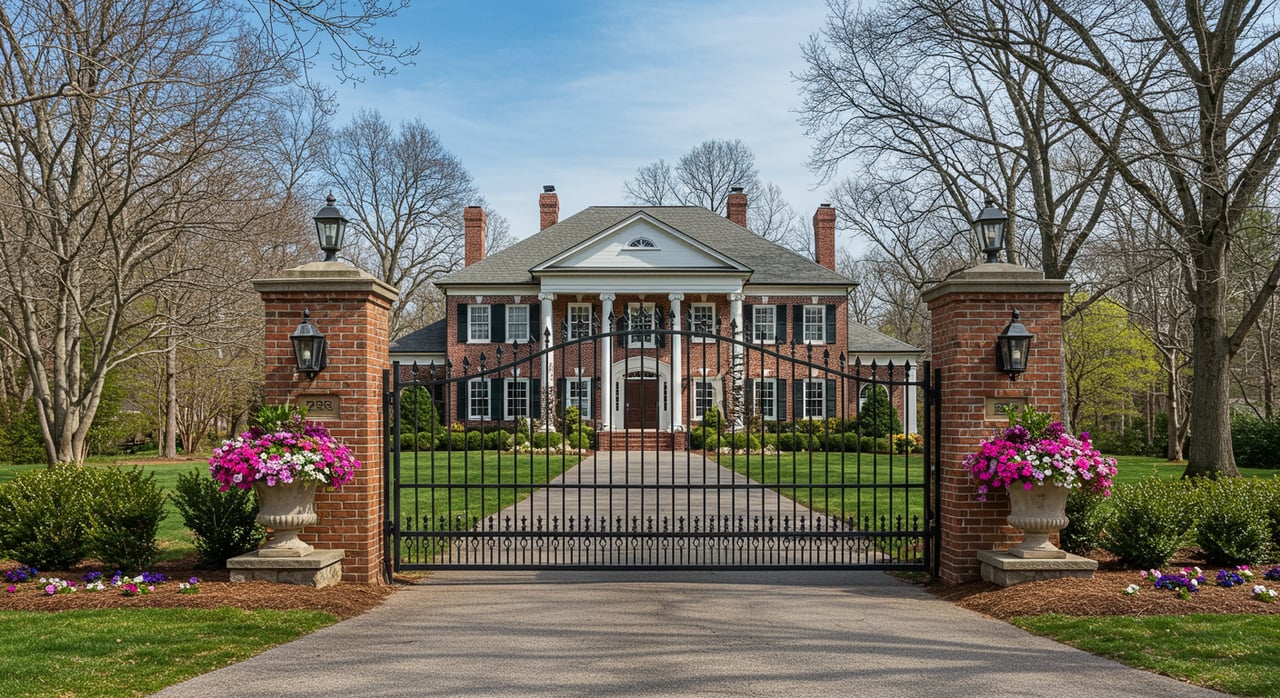
Privacy is one of the biggest draws in estate communities, and Indian Hill’s zoning supports that goal in a meaningful way. Large lots, generous frontage, and low lot coverage all contribute to a more secluded residential setting.
For you, this can mean more distance from neighboring homes, more room for landscaping, and a quieter overall environment. In Indian Hill Acres South, privacy is not only a feature of individual properties. It is part of the broader planning approach.
Equestrian Living Is Built Into Indian Hill
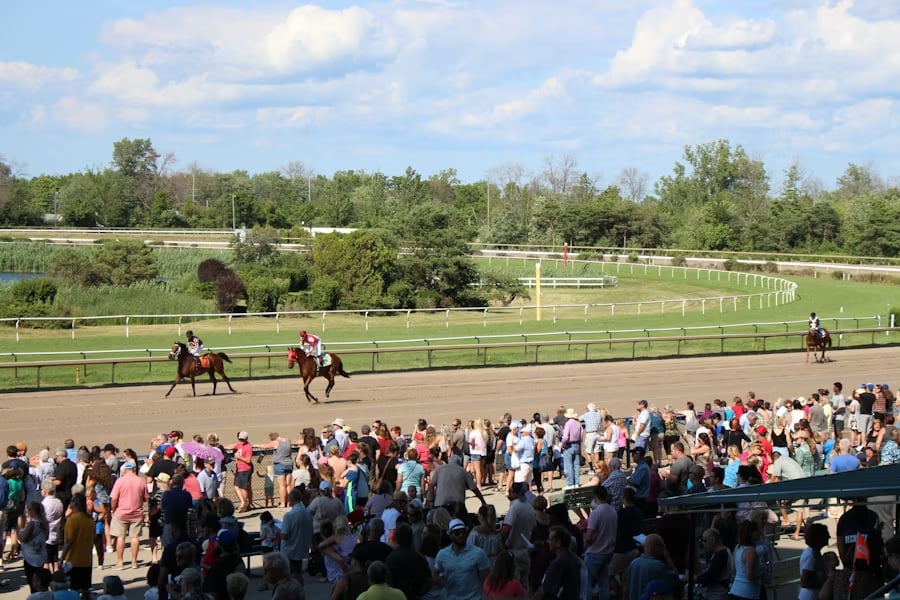
In some communities, horses are part of the image but not the actual infrastructure. Indian Hill is different because equestrian use is directly recognized in the village code.
The zoning ordinance defines agricultural use to include horse boarding farms and stables as accessory uses. It also allows stables, barns, silos, and other customary farm structures, reinforcing that horse-related property use is part of the area’s long-standing identity.
The bridle trail network adds real function
For equestrian buyers, access matters just as much as acreage. Indian Hill’s Public Works Department maintains 75 miles of bridle trails, and riders need a bridle trail license to use them.
That trail system gives horse-oriented living a practical foundation. It is not simply about owning land for a barn or pasture. It is also about having an established network that supports riding within the community.
Parks that support an active outdoor lifestyle
Indian Hill’s parks add to the appeal for residents who value time outdoors. Whitacre Park includes a roughly three-quarter-mile rugged walking trail and separate bridle trails that connect into the village system.
Camp Livingston Park offers a seven-tenths-mile paved walking trail. Camp Dennison Memorial Park includes a 1-mile paved walking path plus a river trail, giving you more options for recreation beyond horseback riding.
Daily Life Balances Seclusion and Access
A common question about estate communities is whether privacy comes at the cost of convenience. In Indian Hill, the answer is often no.
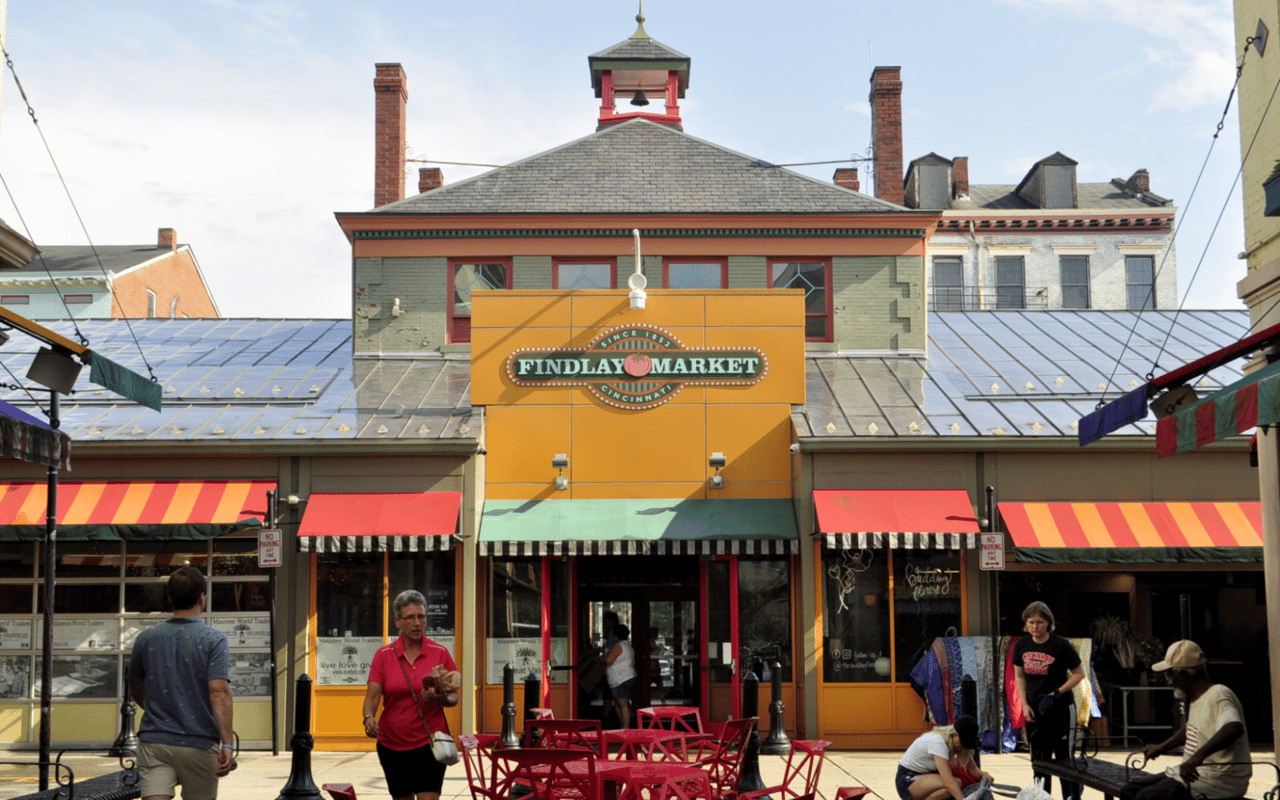
The village is primarily residential, so the lifestyle is not centered on in-village commercial strips. Instead, many residents value the ability to return home to a quieter setting while still being within reach of established shopping and dining destinations nearby.
Nearby shopping and dining options
Several well-known retail and dining areas are within the broader Cincinnati area surrounding Indian Hill:
- Kenwood Towne Centre describes itself as the tri-state’s premier enclosed shopping mall and reports more than 180 specialty shops.
- Hyde Park Square says it has more than 100 one-of-a-kind businesses, including boutiques, shops, restaurants, coffee shops, and bars.
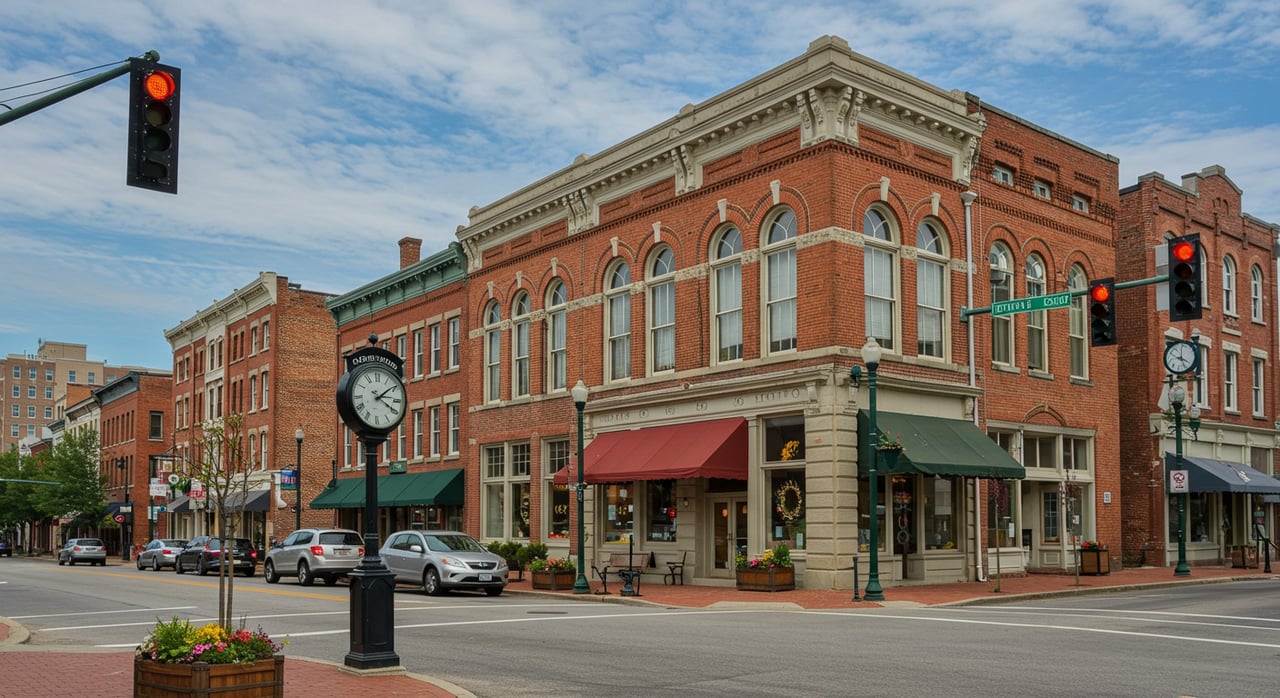
- Montgomery Heritage District is described by the city of Montgomery as a shopping, dining, and entertainment destination with storefront shops, restaurants, galleries, services, and performance venues.
- Rookwood Commons and Pavilion is identified by Hines as a high-end open-air lifestyle center with 596,171 square feet and 72 retailers and restaurants.
For you, this mix can offer a practical balance. You can enjoy estate-style space and a rural feel at home while still having access to dining, retail, and everyday conveniences within a reasonable drive.
What Buyers Should Watch in Indian Hill Acres South
If you are considering a move to Indian Hill Acres South, it helps to look beyond square footage and finishes. In a setting like this, the property’s relationship to land, trails, setbacks, and allowable uses can be just as important as the house itself.
A few smart questions to ask include:
- What zoning district is the property in?
- How much of the lot is usable for your goals?
- Are there existing barns, stables, or farm structures?
- How close is the property to the bridle trail network?
- What kind of privacy do the lot shape, frontage, and tree cover create?
- Are there village rules that affect how you plan to use the property?
The answers can help you compare homes more effectively. They can also keep you focused on long-term fit, not just first impressions.
What Sellers Can Highlight
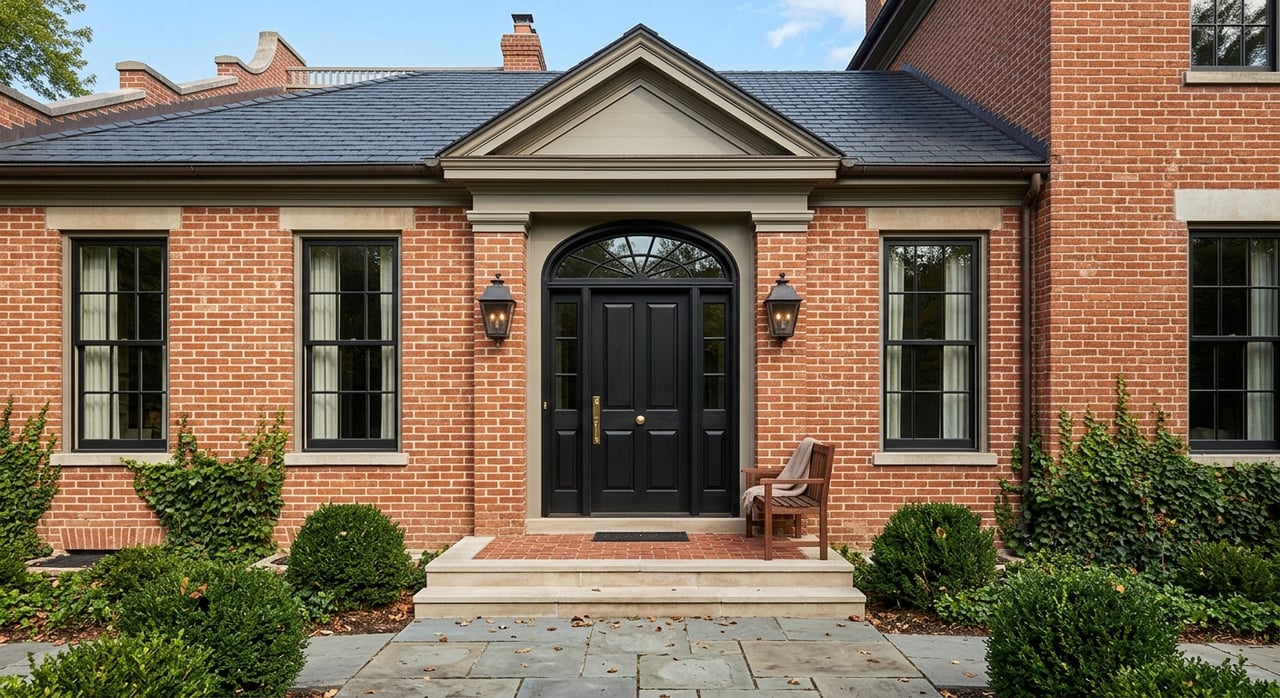
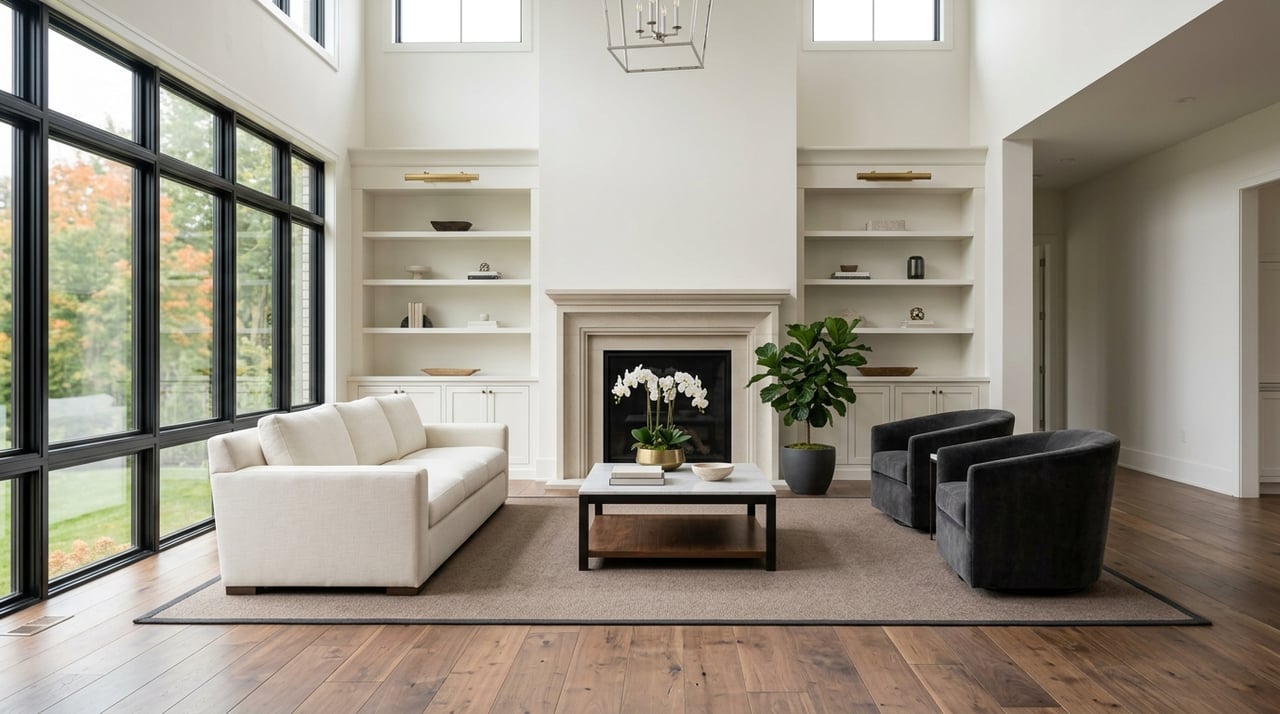
If you own a home in Indian Hill Acres South, your property may offer more than beautiful architecture alone. Buyers in this market often care deeply about privacy, land use, outdoor setting, and the overall feeling of arrival.
That means thoughtful marketing should clearly present the parts of the property that support estate or equestrian living. Lot size, frontage, setbacks, mature landscaping, access to bridle trails, and the relationship between home and land can all shape how buyers perceive value.
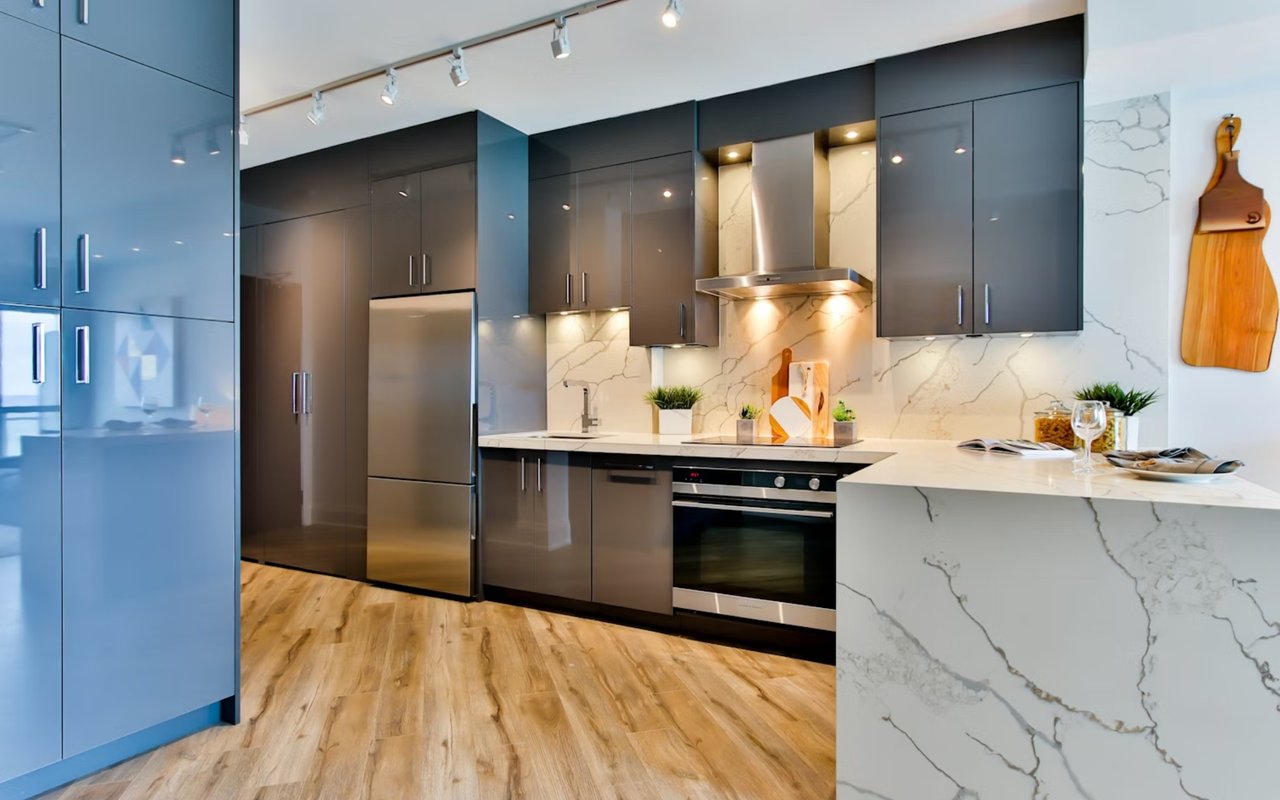
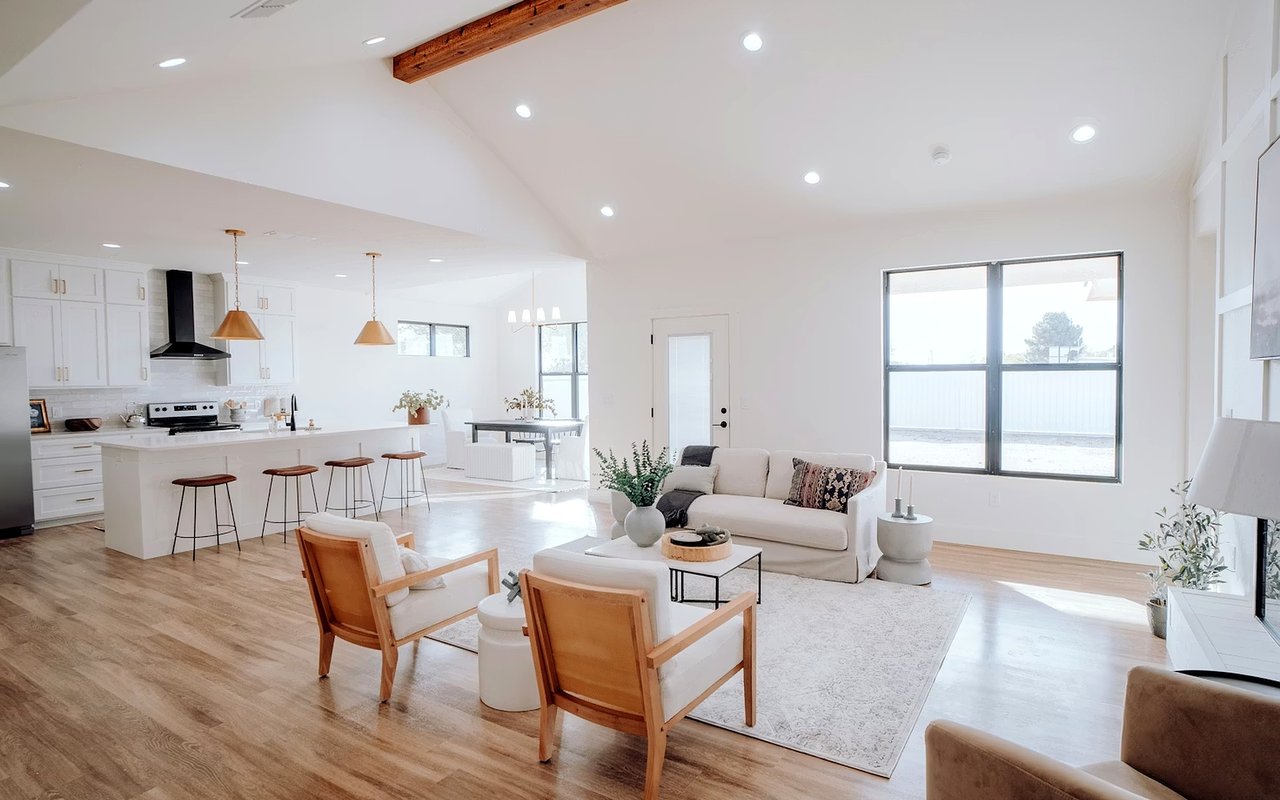
For higher-end homes especially, presentation matters. A polished, well-prepared listing can help buyers understand not only the house itself, but also the lifestyle the property supports.
Why Local Strategy Matters
Indian Hill Acres South is not a one-size-fits-all market. Buyers and sellers are often making decisions based on land, privacy, preservation, and property use, not just bedroom count or recent finishes.
That is why local knowledge matters. Understanding how to position an estate property, evaluate lot characteristics, and present the lifestyle story of a home can make a real difference in the process.
Whether you are buying your next home or preparing to sell a distinctive property, the right guidance helps you focus on the details that matter most. If you are exploring Indian Hill Acres South, Julia Wesselkamper can help you navigate the market with thoughtful strategy, local insight, and a high-touch approach.
FAQs
What makes Indian Hill Acres South feel more private than many suburban areas?
- Indian Hill’s character is shaped by large-lot zoning, generous frontage and setback standards, low lot coverage limits, and thousands of acres of preserved green space.
What should buyers know about equestrian living in Indian Hill?
- Indian Hill’s zoning recognizes horse boarding farms and stables as accessory agricultural uses, allows customary farm structures, and the village maintains 75 miles of bridle trails that require a license for riding.
What should sellers emphasize when listing an estate home in Indian Hill Acres South?
- Sellers should highlight the land, privacy, lot layout, mature setting, and any equestrian-related features, along with the home’s overall presentation and how the property supports the Indian Hill lifestyle.
What outdoor amenities are available near Indian Hill Acres South?
- Indian Hill offers bridle trails and park amenities including walking paths and trails at Whitacre Park, Camp Livingston Park, and Camp Dennison Memorial Park.
What shopping and dining areas are near Indian Hill Acres South?
- Nearby options include Kenwood Towne Centre, Hyde Park Square, Montgomery’s Heritage District, and Rookwood Commons and Pavilion.