By The Julia Wesselkamper Group
Picture yourself stepping into your backyard on a warm Saturday morning, coffee in hand, to find tomatoes growing on the vine and marigolds spilling color along the path. That vision feels out of reach for a lot of first-time gardeners, and yet the distance between an empty patch of dirt and a thriving garden is shorter than most people expect.
What stands between you and that morning is not a green thumb you were born with; it is a handful of the right decisions made in the right order. If you have ever bought a tray of plants on impulse and watched them wilt within a week, you already know that enthusiasm alone does not grow a garden. What works is a clear plan that accounts for your space, your soil, and the rhythm of the seasons where you live.
Here in the Cincinnati and Northern Kentucky area, that means working with a climate that gives you a generous growing window if you know how to use it.
This guide will walk you through everything a beginner needs to move from bare ground to a garden you will actually want to spend time in.
Key Takeaways
- Assessing your sunlight, soil, and drainage before you buy a single plant is the step that separates thriving gardens from disappointing ones.
- Greater Cincinnati and Northern Kentucky sit in USDA Hardiness Zone 6b, which shapes what you can plant and when.
- Choosing beginner-friendly plants gives you early wins that build confidence and momentum for bigger projects later.
- Healthy soil is the foundation of a stunning garden, and it can be improved in a single season with compost and simple amendments.
- A steady seasonal routine keeps your garden looking its best and protects the outdoor investment that adds real appeal to your Greater Cincinnati or Northern Kentucky home.
Start by Understanding Your Space and Climate
Before you touch a shovel, spend a few days simply watching your yard. Notice where the sun lands in the morning versus the late afternoon, which corners stay damp after a rain, and where the wind tends to funnel through. This kind of observation costs nothing, and it will save you from the most common beginner mistake, which is placing sun-loving plants in a shady spot and then wondering why nothing grows.
Climate matters just as much as your individual yard. The Cincinnati Tri-State area sits in USDA Plant Hardiness Zone 6b, which means winter lows can dip to around minus five degrees Fahrenheit. Your typical last spring frost falls in mid to late April, and the first fall frost usually arrives in mid-October. That gives you a growing season of roughly 180 days, which is plenty of time for both cool-season crops in spring and heat-lovers in summer. Working with these dates rather than against them is the difference between a garden that flourishes and one that gets nipped by a late cold snap.
Once you understand your conditions, you can match plants to the reality of your space instead of forcing the reality to match a wish list. This is where beginners gain their biggest advantage, because a well-placed plant practically grows itself.
What To Assess First
- Sunlight patterns, since most vegetables and flowering plants need at least six hours of direct sun each day.
- Drainage, because standing water after rain signals soil that will need amending or a raised bed.
- Available space, including how much room you realistically have time to maintain each week.
- Proximity to a water source, so that daily watering during summer does not become a chore you abandon.
- Wind exposure, which can dry out plants quickly and topple taller varieties without support.
Choosing Plants That Thrive in the Cincinnati Tri-State Area
The plants you pick in your first season should be forgiving. A beginner garden is not the place for finicky varieties that demand precise conditions; it is the place for reliable performers that shrug off small mistakes and still produce. Early success is what keeps you gardening year after year, so stack the deck in your favor by starting with plants known to do well in our region.
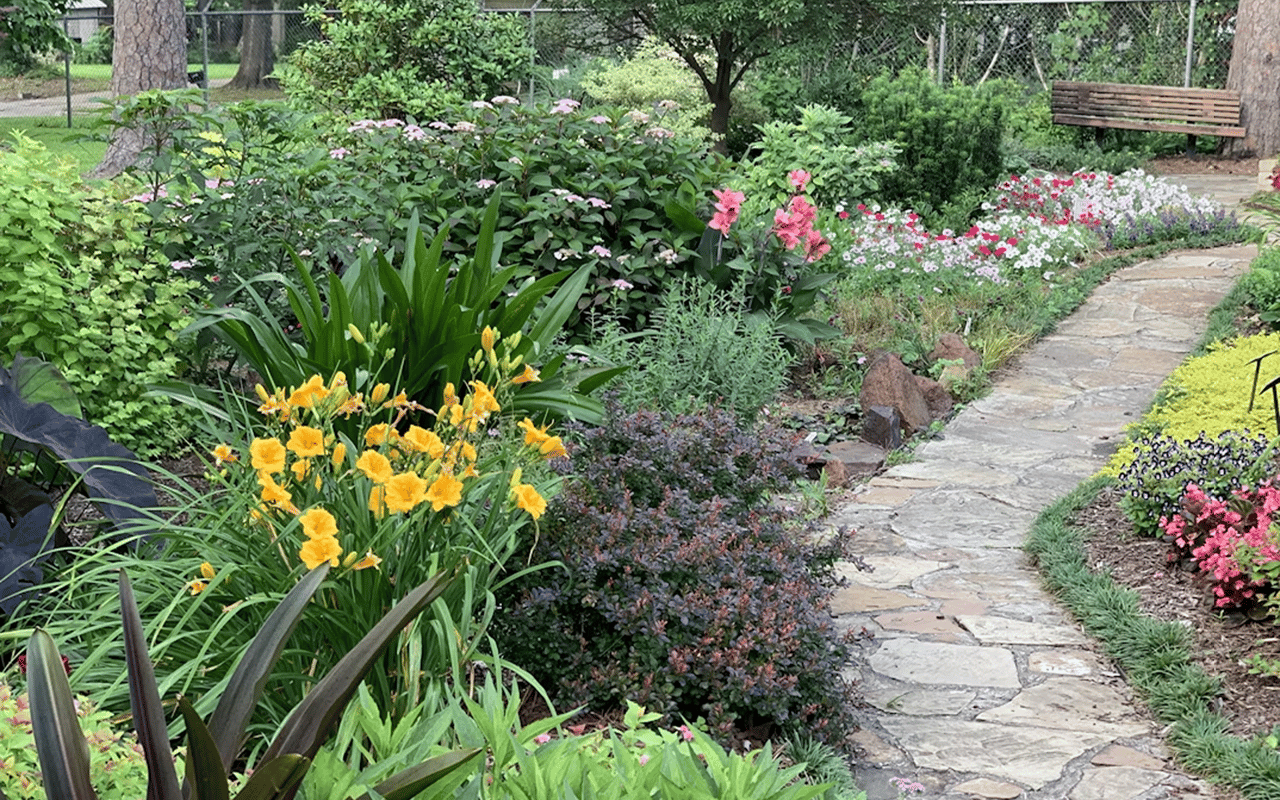
For vegetables, tomatoes, zucchini, bush beans, and leaf lettuce are dependable choices that suit Zone 6b beautifully. If you lean toward flowers, zinnias, marigolds, coneflowers, and black-eyed Susans bring long-lasting color with very little fuss, and several of them return on their own the following year. Herbs, such as basil, mint, and chives, grow happily in containers or garden beds and give you something useful to snip for the kitchen all summer long.
Resist the urge to plant one of everything. A focused garden with five or six varieties you understand well will always look more stunning than a crowded bed of plants you cannot keep track of. You can expand your ambitions once you have a season of experience under your belt.
Beginner-Friendly Picks
- Tomatoes, which reward attention with heavy yields and thrive in our warm summers.
- Zinnias, because they bloom continuously from early summer until frost with almost no effort.
- Bush beans, since they produce quickly and do not require staking or trellising.
- Coneflowers, which are drought-tolerant perennials that return larger every year.
- Basil, a fast-growing herb that pairs well with tomatoes both in the garden and on the plate.
Preparing Your Soil and Planting Beds
Impressive gardens are built from the ground up, and soil is where the real work happens. Many yards in the Cincinnati Tri-State area have clay-heavy soil that drains slowly and compacts easily. The good news is that clay is rich in nutrients, so a season of thoughtful improvement can transform it into a productive foundation rather than a frustrating obstacle.
Start by loosening the top eight to twelve inches of soil and mixing in a generous amount of compost. Compost improves drainage in clay, adds organic matter, and feeds the beneficial organisms that keep roots healthy. If your yard drains poorly, a raised bed filled with a blend of quality topsoil and compost lets you sidestep the clay problem entirely and gives you full control over what your plants grow in. Raised beds also warm up faster in spring, so you can plant a little earlier.
A quick soil test, available inexpensively through local extension resources, tells you your pH and nutrient levels so that you are amending based on facts rather than guesswork. Getting this foundation right in your first season pays dividends for years, because you are not simply planting a garden; you are building the living system that will support everything you grow.
Steps for Healthy Soil
- Test your soil early, so that you know your pH and can adjust before planting.
- Add two to three inches of compost, which improves both drainage and fertility.
- Loosen compacted ground to give roots room to spread and access oxygen.
- Consider a raised bed if drainage is poor, since it gives you a clean, controllable growing environment.
- Mulch the surface after planting to retain moisture and suppress weeds through the heat of summer.
Keeping Your Garden Healthy Season to Season
A stunning garden is not a one-time achievement; it is the result of small, consistent habits practiced across the growing season. The best part is that these habits take far less time than most beginners fear. Fifteen focused minutes a few times a week is usually enough to keep a modest garden looking its best.
Watering deeply and less often encourages roots to grow down rather than staying shallow, which makes your plants more resilient during the hot, humid stretches of a Cincinnati summer. Deadheading spent flowers keeps blooms coming, and a quick weekly weed patrol prevents small problems from becoming overwhelming ones. As autumn approaches, a light cleanup and a fresh layer of mulch protect perennials through the winter, so that they return stronger next spring.
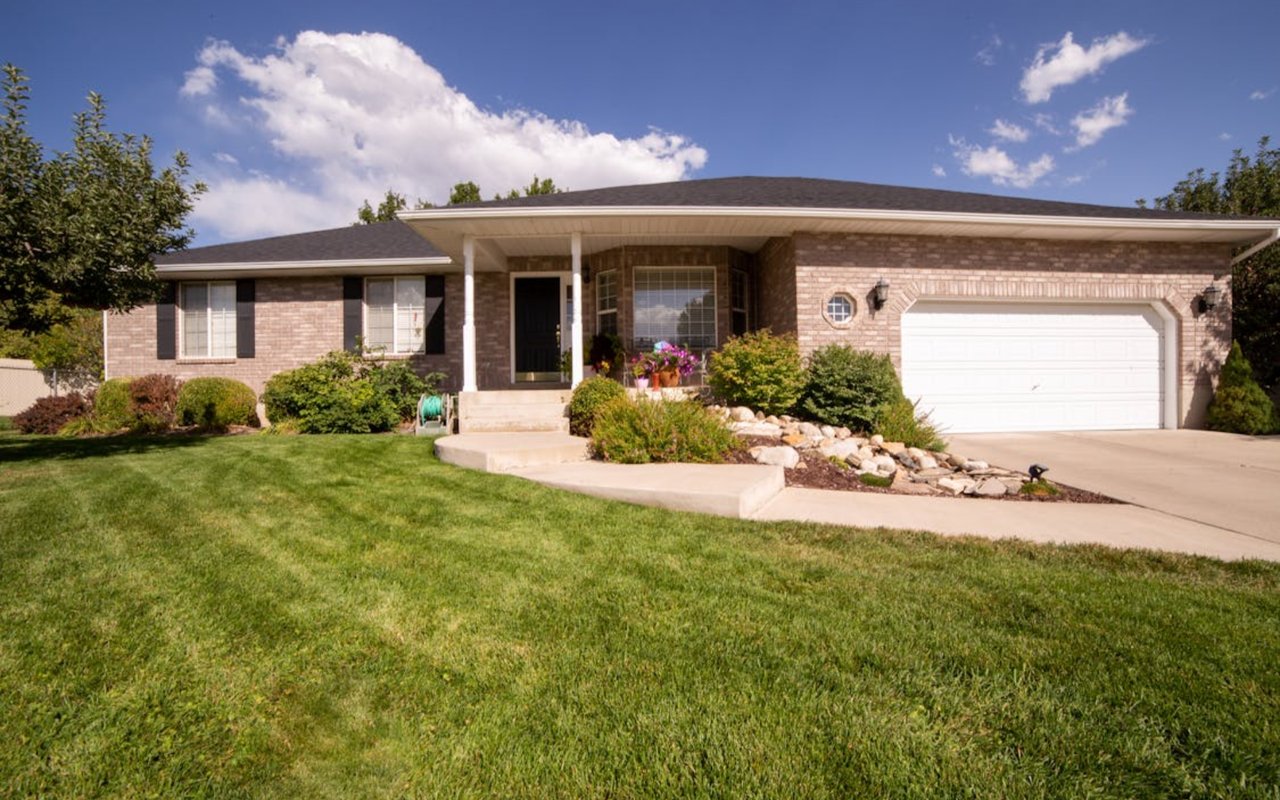
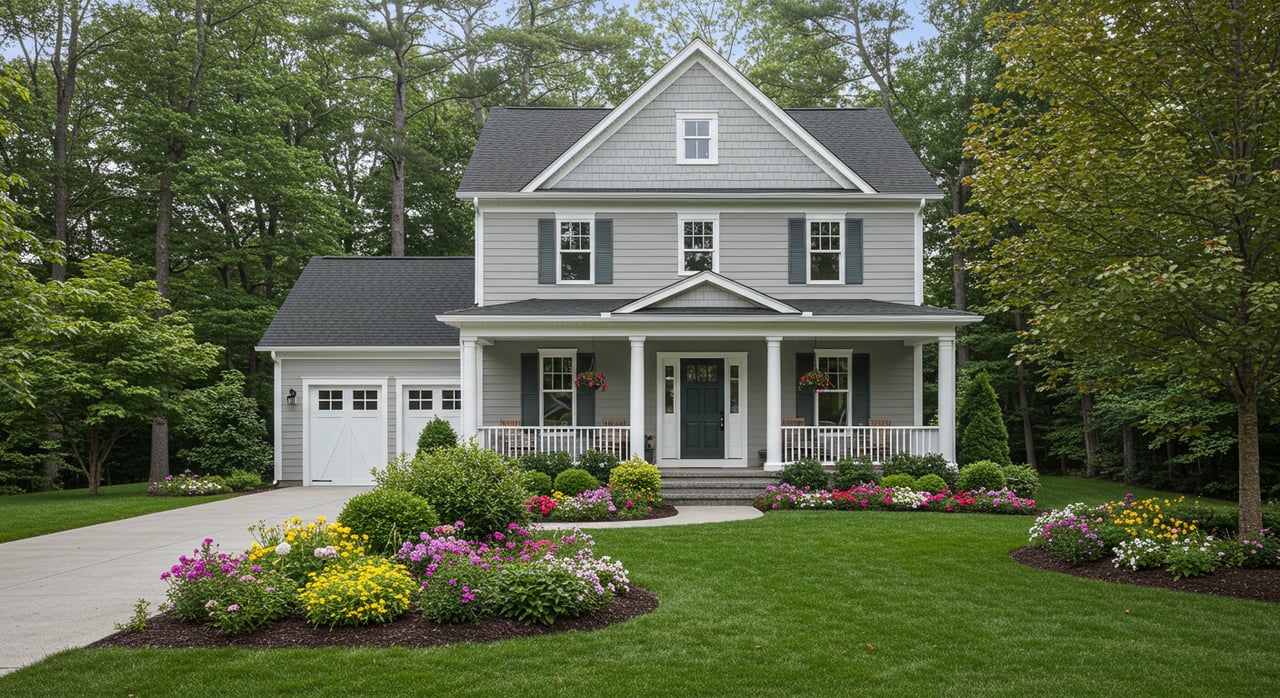
Think of your garden as an outdoor room that reflects the care you put into your entire property. A well-kept landscape is one of the first things a visitor notices, and it quietly signals that a home has been loved and maintained. That impression matters more than you might think, especially when it comes to how your property is perceived.
A Simple Seasonal Rhythm
- Water in the early morning, so that leaves dry during the day and roots absorb moisture before the heat.
- Weed weekly, because small weeds pull easily while established ones fight back.
- Deadhead flowers regularly to keep new blooms coming throughout the season.
- Feed heavy producers, such as tomatoes, with a balanced fertilizer every few weeks.
- Prepare for winter with a fall cleanup and a protective layer of mulch over perennials.
FAQs
When Should I Start Planting a Garden in Greater Cincinnati?
Cool-season crops, such as lettuce and peas, can go in the ground in early to mid-April, while heat-loving plants like tomatoes and zinnias should wait until after the last frost in late April or early May. Watching the local forecast for a stretch of warm nights is your safest signal to plant tender varieties.
How Much Sunlight Does a Beginner Garden Need?
Most vegetables and flowering plants need at least six hours of direct sunlight each day to thrive. If your yard is shadier, you can still garden successfully by choosing shade-tolerant plants, such as leafy greens, hostas, and ferns, which handle lower light beautifully.
What Are the Easiest Plants for First-Time Gardeners?
Zinnias, marigolds, bush beans, and cherry tomatoes are among the most forgiving choices for beginners. They grow quickly, tolerate small mistakes, and give you the visible progress that makes gardening rewarding from the very first season.
How Do I Keep My Garden Alive During Summer?
Deep, consistent watering and a proper layer of mulch are your best defenses against summer heat. Mulch keeps the soil cool and moist, so that you water less often, and morning watering gives plants the hydration they need before the hottest part of the day.
Does a Garden Add Value to My Greater Cincinnati Home?
A thoughtfully maintained garden and landscape can meaningfully enhance how your property is perceived, since curb appeal shapes a buyer's first impression before they ever step inside. Well-tended outdoor spaces suggest a home that has been cared for, which is exactly the kind of detail that resonates with the right buyer.
Your First Season Starts Here
Starting a stunning garden comes down to preparation, patience, and a willingness to learn as you go. When you understand your space, respect your climate, invest in your soil, and settle into a simple seasonal rhythm, the results tend to take care of themselves. Every experienced gardener began exactly where you are now, and the only real difference between them and a first-timer is a few seasons of practice. Your first bed, your first harvest, and your first burst of color are all within reach this year.
Beyond the joy it brings, a beautiful garden is part of a larger story about your home and how it lives, feels, and presents itself to the world. Whether you are planting roots for the long haul or thinking ahead to your next move, the way you shape your outdoor space adds to the character and appeal of your property in lasting ways.
Serving the greater tri-state area, including Cincinnati and Northern Kentucky, with a global network for international clients, our team at The Julia Wesselkamper Group understands what makes a home truly stand out, from the garden gate to the front door. When you are ready to talk about your property in Greater Cincinnati, your next chapter, or how to make your home shine in today's market, we are here to guide you every step of the way. Reach out to our team, and let us help you turn your vision into reality.