By The Julia Wesselkamper Group
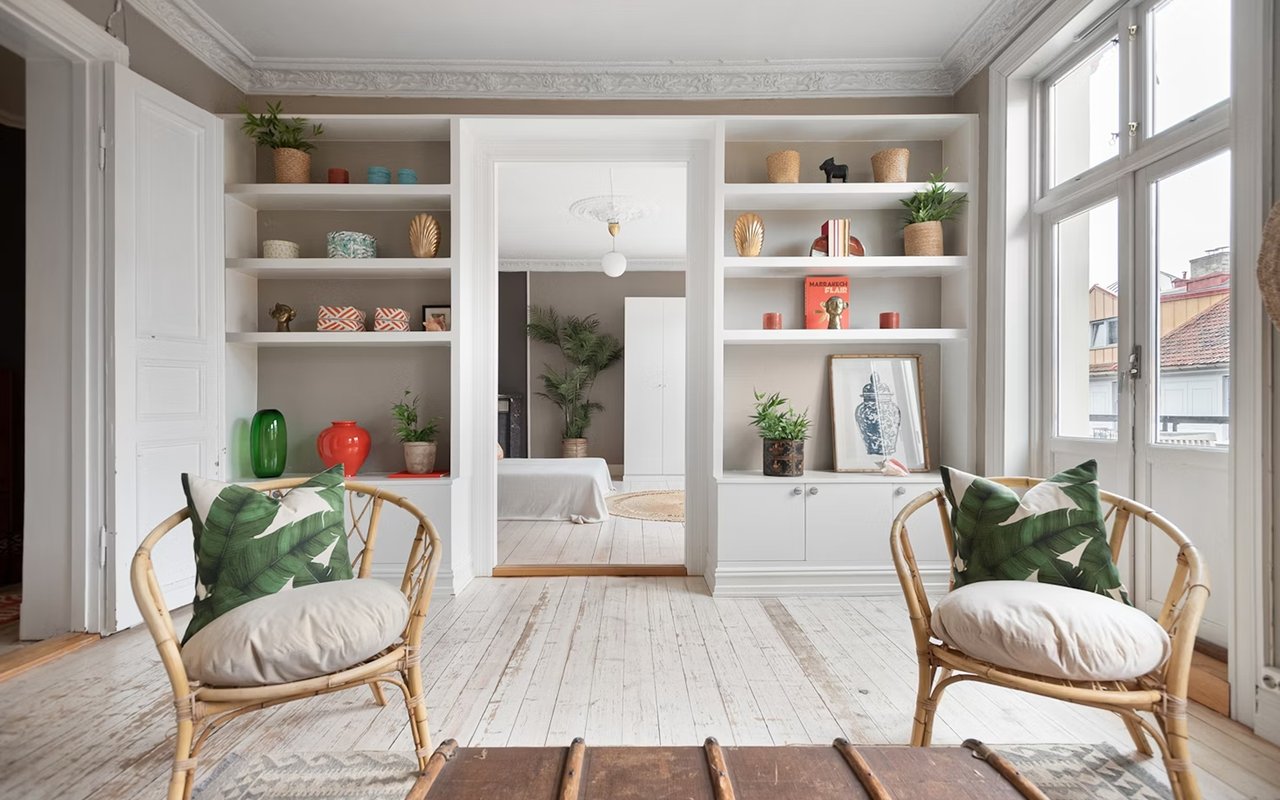
When you walk through the front door of a century-old home in Over-the-Rhine or Columbia Tusculum, you feel it right away: soaring plaster ceilings, hand-carved woodwork, tall windows framed in original trim, and floors that have held up for generations. These are the details that make a historic property feel like nowhere else in the city.
The trick is honoring that architecture while still living comfortably in the present. You want warmth, functionality, and style that works for how you live today, without stripping away the refinement that gave the house its soul in the first place.
The good news is you can have both. With a few thoughtful choices, your Cincinnati historic home can feel current and livable while its period character takes center stage.
Key Takeaways
- Protect the original architectural details first, including hardwood floors, plaster molding, transom windows, and carved woodwork, before making cosmetic changes.
- Warm, period-appropriate paint colors flatter high ceilings and original trim in historic Cincinnati homes better than stark modern whites.
- You can update kitchens, systems, and lighting for modern comfort while keeping the 19th-century architecture fully intact.
- Mixing a few antique anchor pieces with comfortable contemporary furniture keeps rooms feeling collected rather than staged.
How Do You Preserve Original Character in a Cincinnati Historic Home?
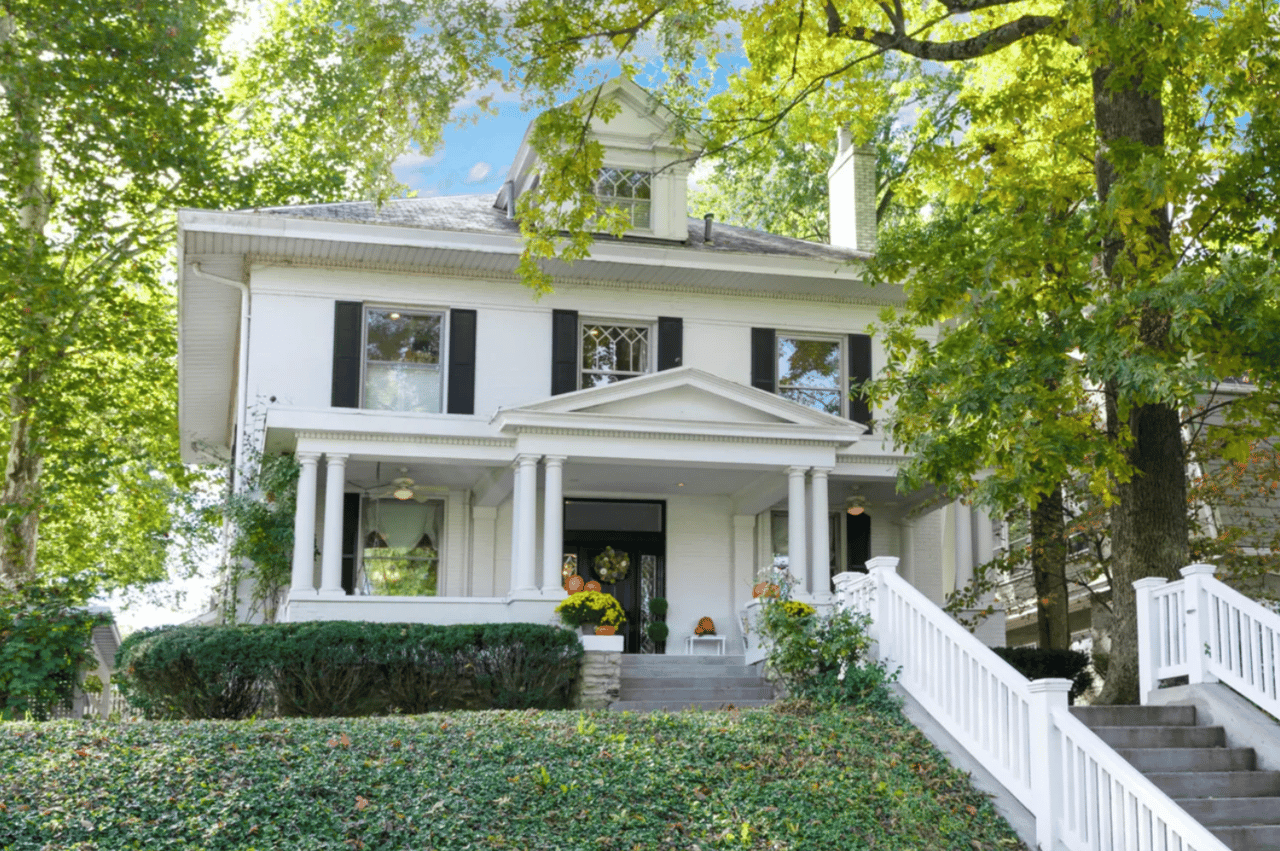
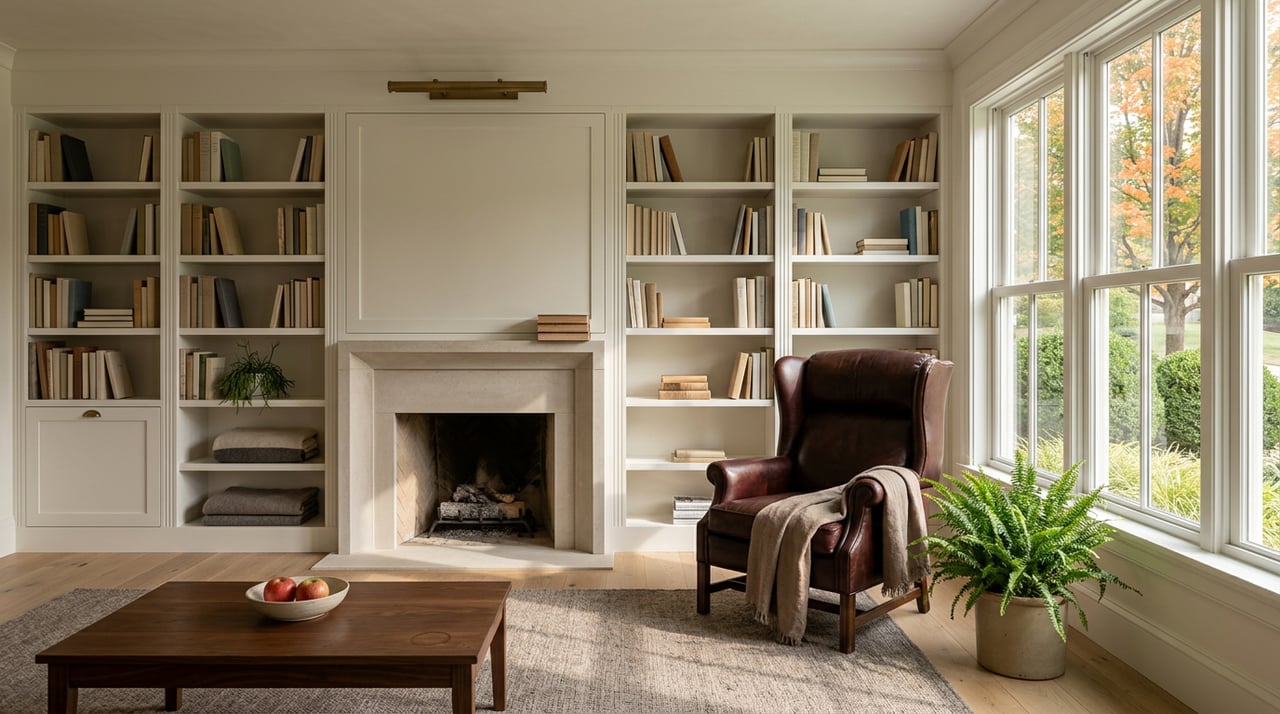
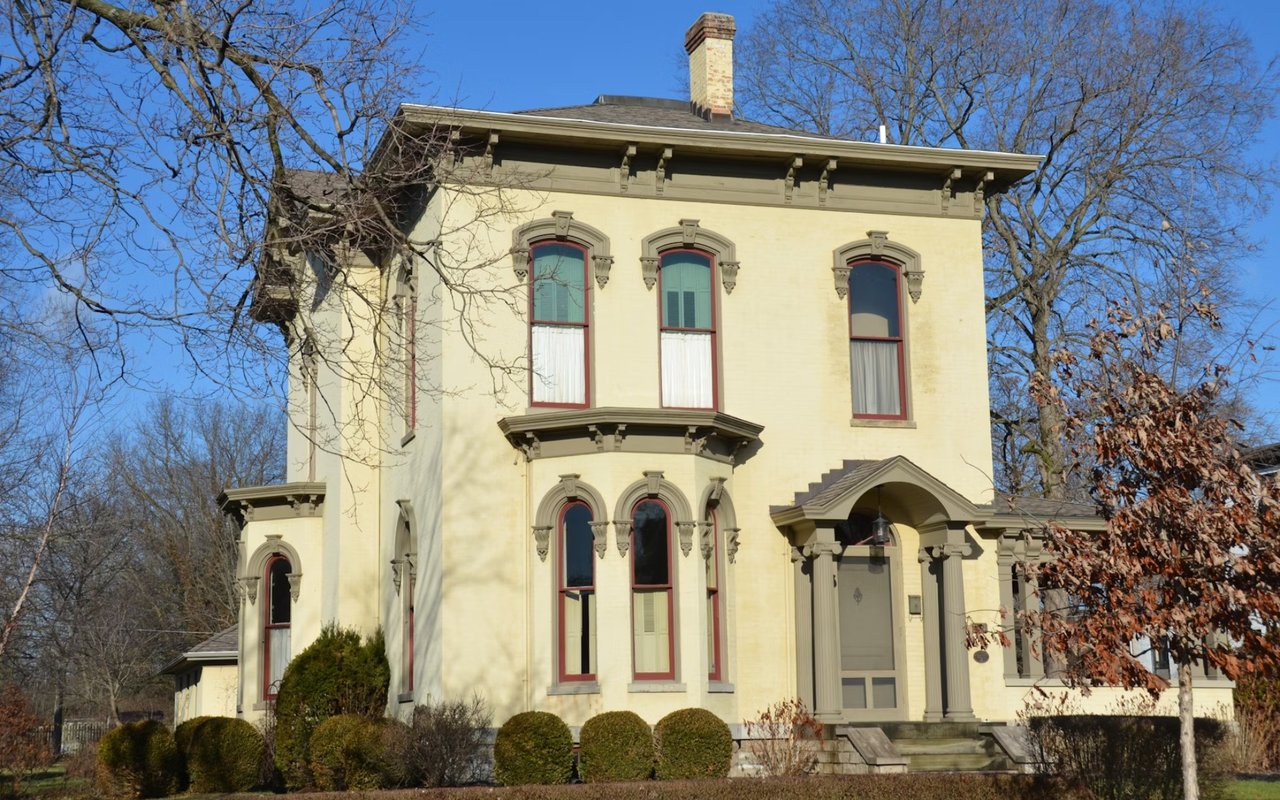
Preserving original character starts with protecting the details worth keeping: hardwood floors, plaster crown molding, transom windows, pocket doors, and the ornate woodwork common in Over-the-Rhine's Italianate rowhouses and the Victorians of Columbia Tusculum. These elements are difficult to replicate, so they should guide every design decision you make.
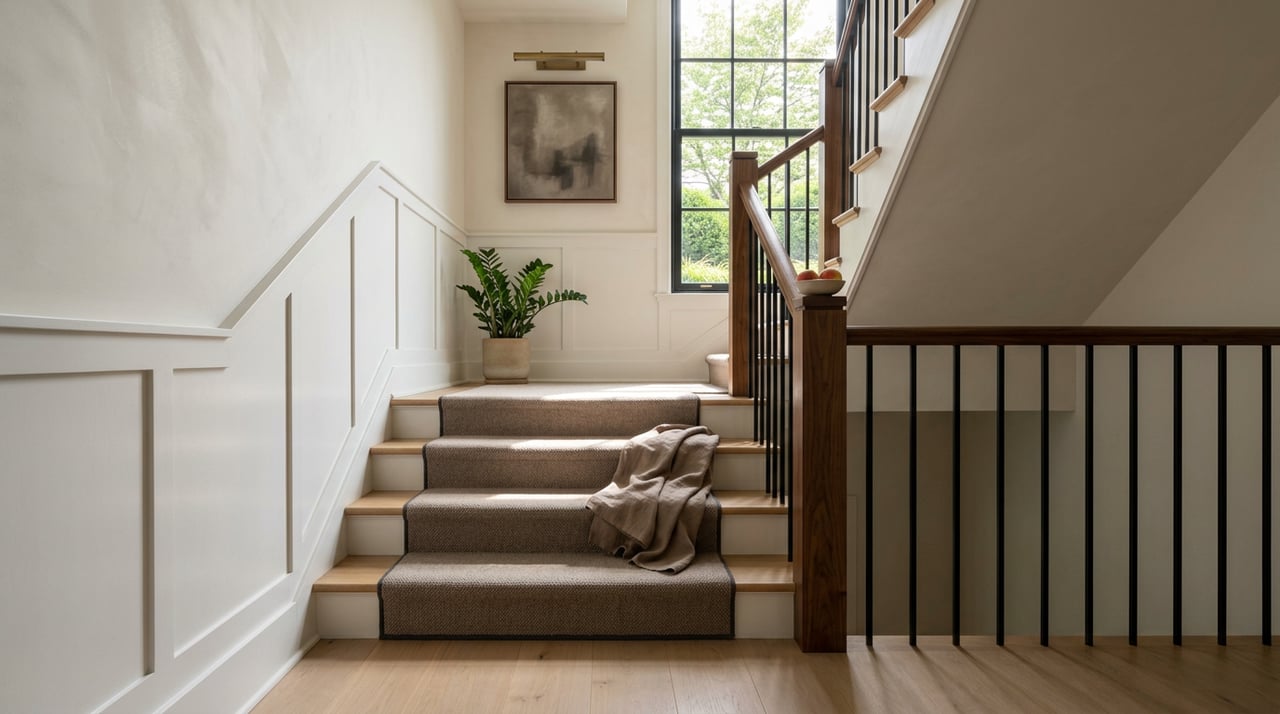
Before you paint or renovate, take stock of what the house already gives you. Refinishing original oak or pine floors almost always looks better than replacing them, and stripping decades of paint from carved banisters or mantels can bring a room back to life. Many Cincinnati historic homes hide beautiful millwork under old finishes.
When you update, work with the architecture rather than against it. Small, reversible changes protect the resale value and long-term appeal of historic real estate in Cincinnati.
Before you paint or renovate, take stock of what the house already gives you. Refinishing original oak or pine floors almost always looks better than replacing them, and stripping decades of paint from carved banisters or mantels can bring a room back to life. Many Cincinnati historic homes hide beautiful millwork under old finishes.
When you update, work with the architecture rather than against it. Small, reversible changes protect the resale value and long-term appeal of historic real estate in Cincinnati.
What To Protect First
- Original hardwood floors, which can usually be sanded and refinished rather than replaced.
- Plaster medallions, crown molding, and picture rails that define a room's proportions.
- Transom windows and stained glass that bring in light and period detail.
- Solid wood doors, hardware, and pocket doors that rarely come standard in newer builds.
What Paint Colors and Finishes Suit a Historic Cincinnati Home?
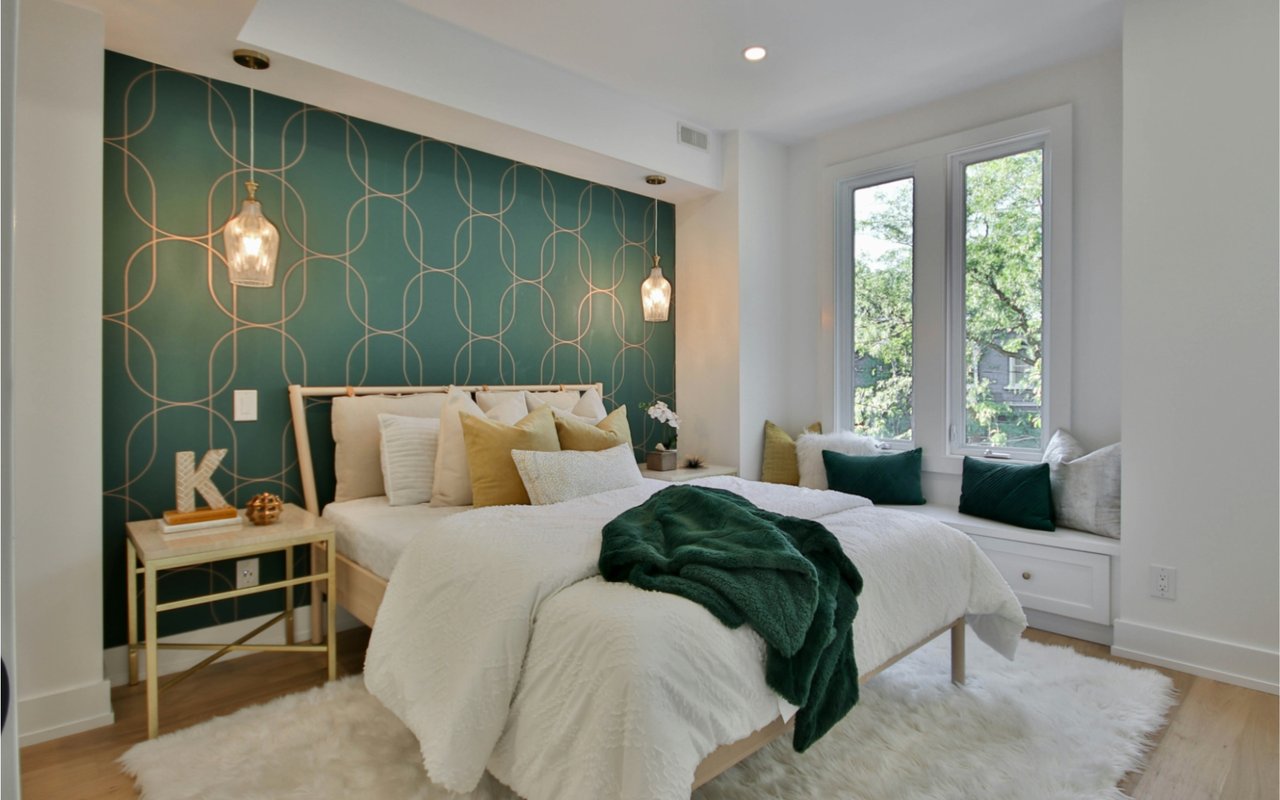
The paint colors that are best for a historic Cincinnati home lean warm and period-appropriate: deep greens, muted golds, soft creams, and slate blues that flatter original woodwork and tall plaster ceilings. These tones echo the era in which many of the city's Italianate and Queen Anne homes were built, and they hold up beautifully against natural stained trim.
Stark, cool whites can clash with the warm undertones of aged oak and brick, so test swatches in the actual light of each room before committing. Cincinnati's four distinct seasons shift the light dramatically from a gray January afternoon to a bright June morning, and a color that reads cozy in winter can feel washed out in summer.
Consider your finishes. Matte and eggshell paints tend to suit older plaster walls, while a satin or semi-gloss on trim highlights the woodwork that makes homes in Cincinnati so distinctive.
Stark, cool whites can clash with the warm undertones of aged oak and brick, so test swatches in the actual light of each room before committing. Cincinnati's four distinct seasons shift the light dramatically from a gray January afternoon to a bright June morning, and a color that reads cozy in winter can feel washed out in summer.
Consider your finishes. Matte and eggshell paints tend to suit older plaster walls, while a satin or semi-gloss on trim highlights the woodwork that makes homes in Cincinnati so distinctive.
Palette Considerations
- Warm neutrals and historic greens or blues complement original wood tones.
- Matte or eggshell finishes soften imperfections in older plaster walls.
- Test colors in both morning and evening light before you commit.
- Reserve high-contrast trim colors for rooms with strong architectural detail.
How Do You Pair Modern Comfort with Period Details?
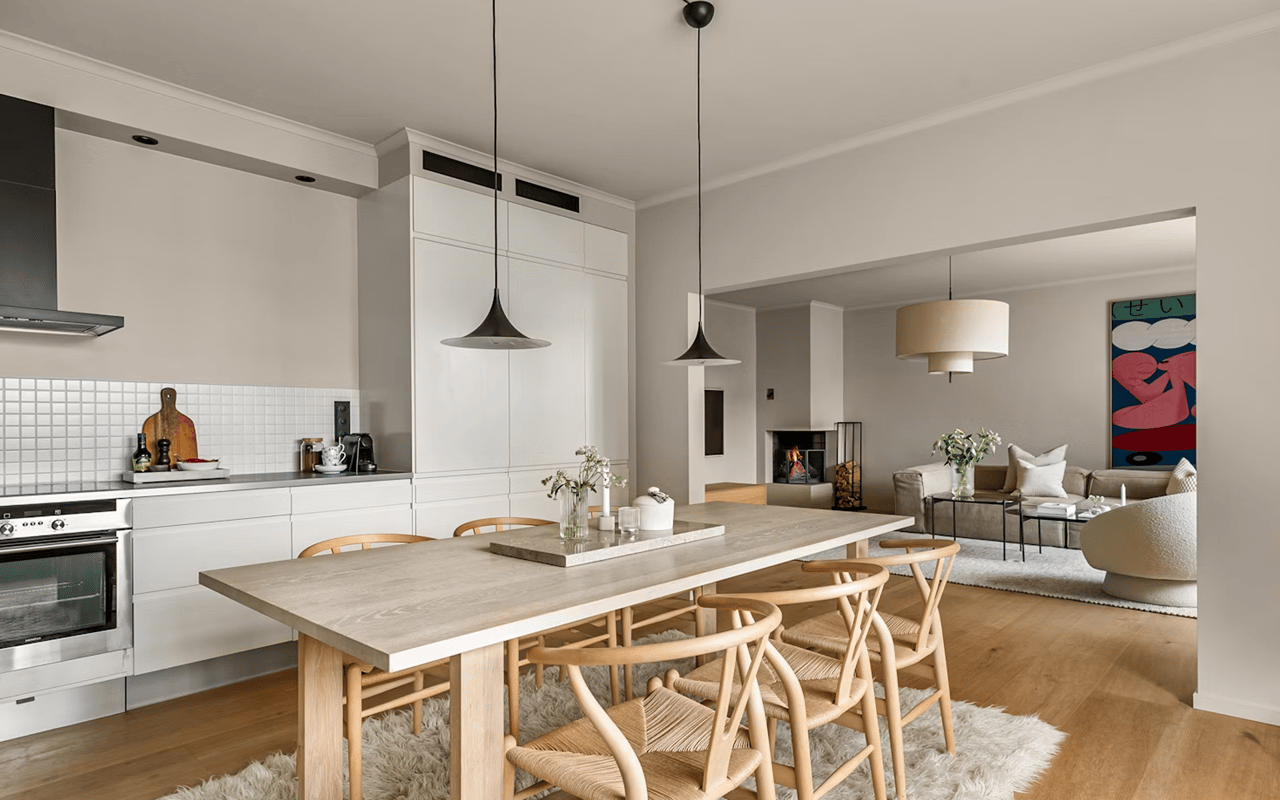
You can merge contemporary comfort with period details by updating systems and function while leaving the architecture intact, so a Clifton Gaslight Victorian can hold a fully modern kitchen without losing its 19th-century bones. The goal is comfort that feels invisible, letting the historic elements stay in the spotlight.
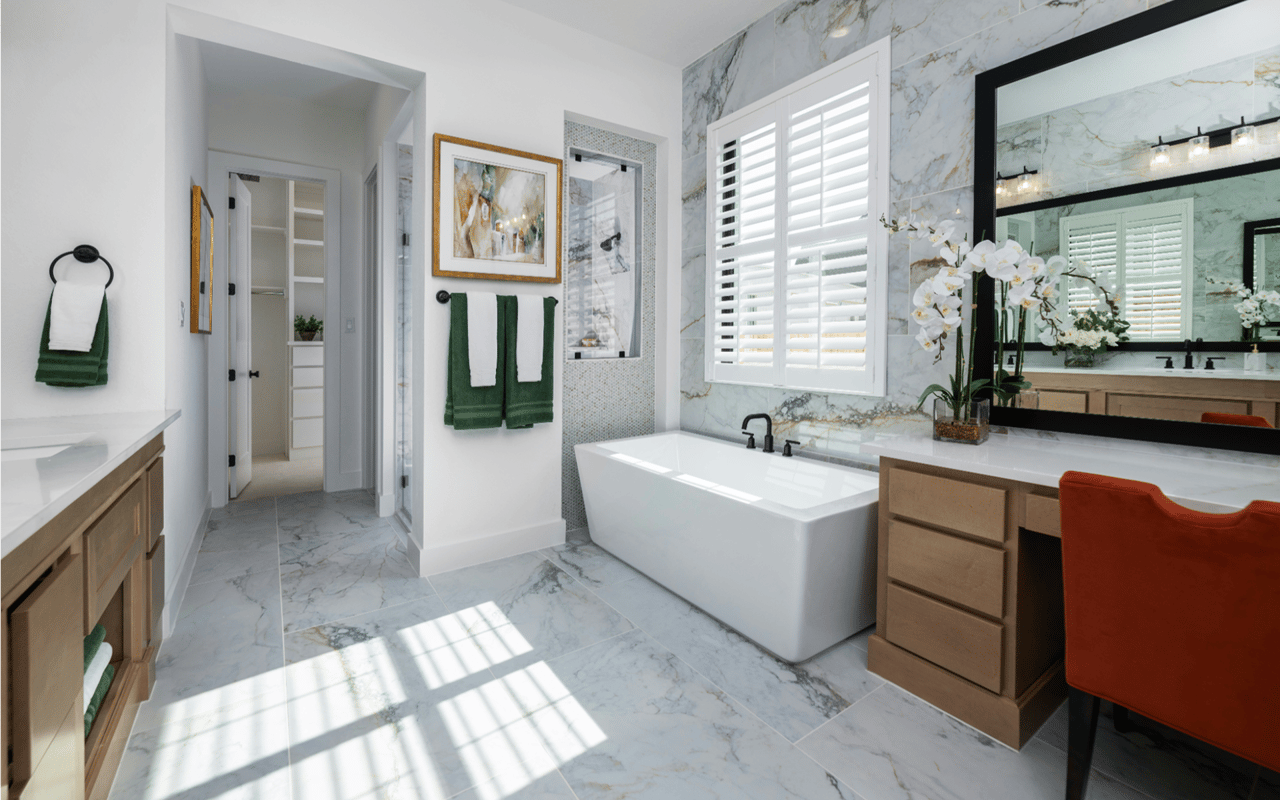
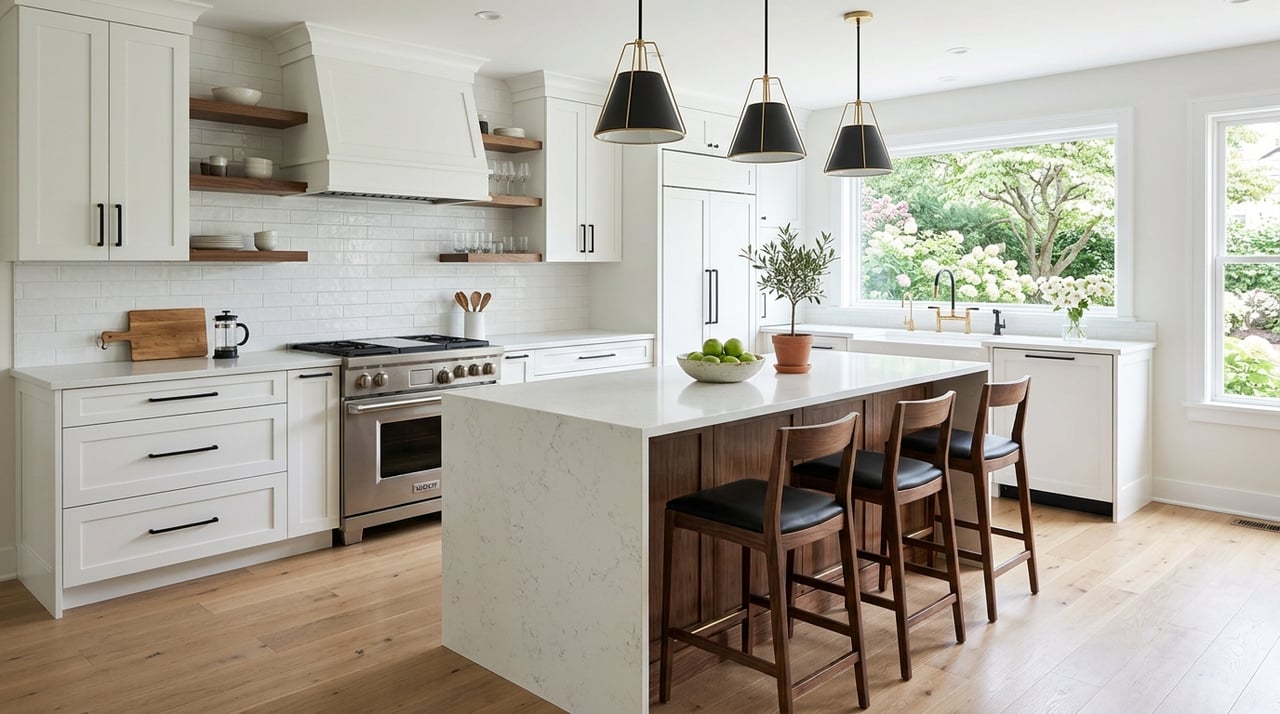
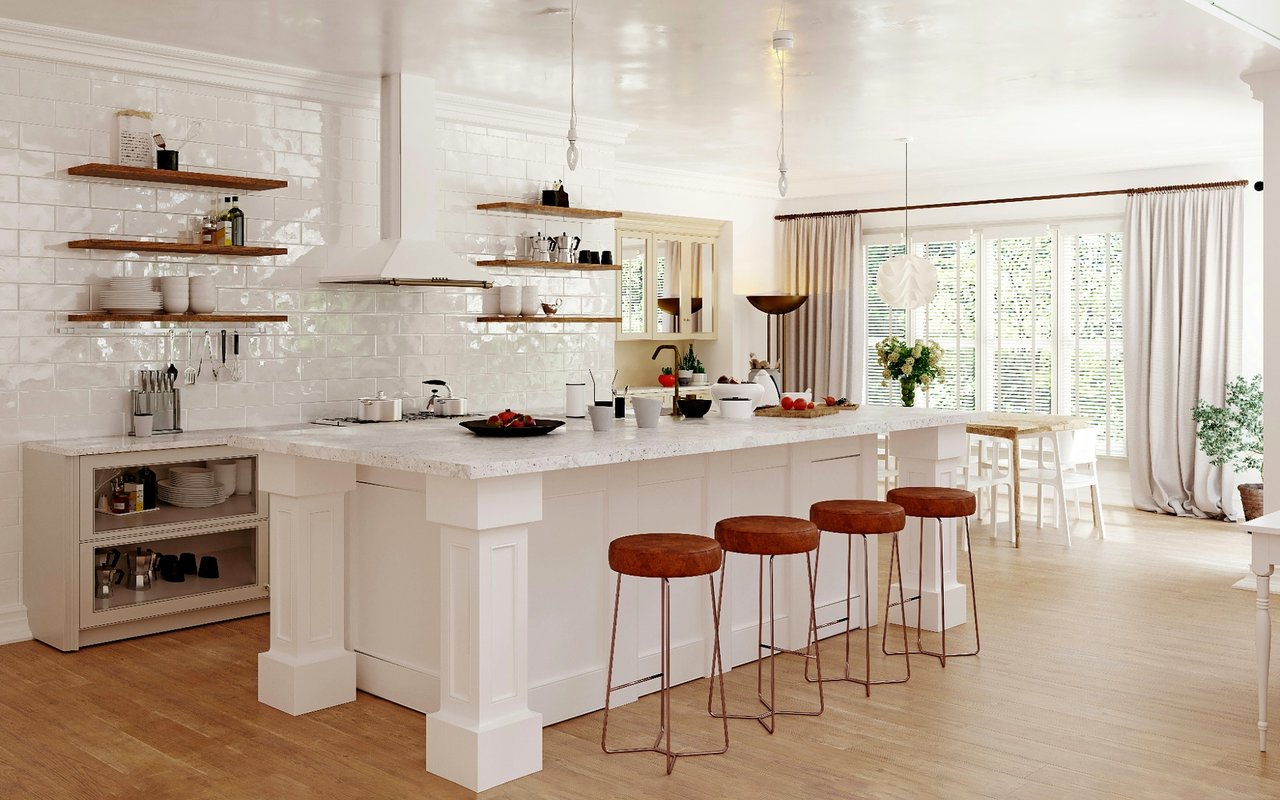
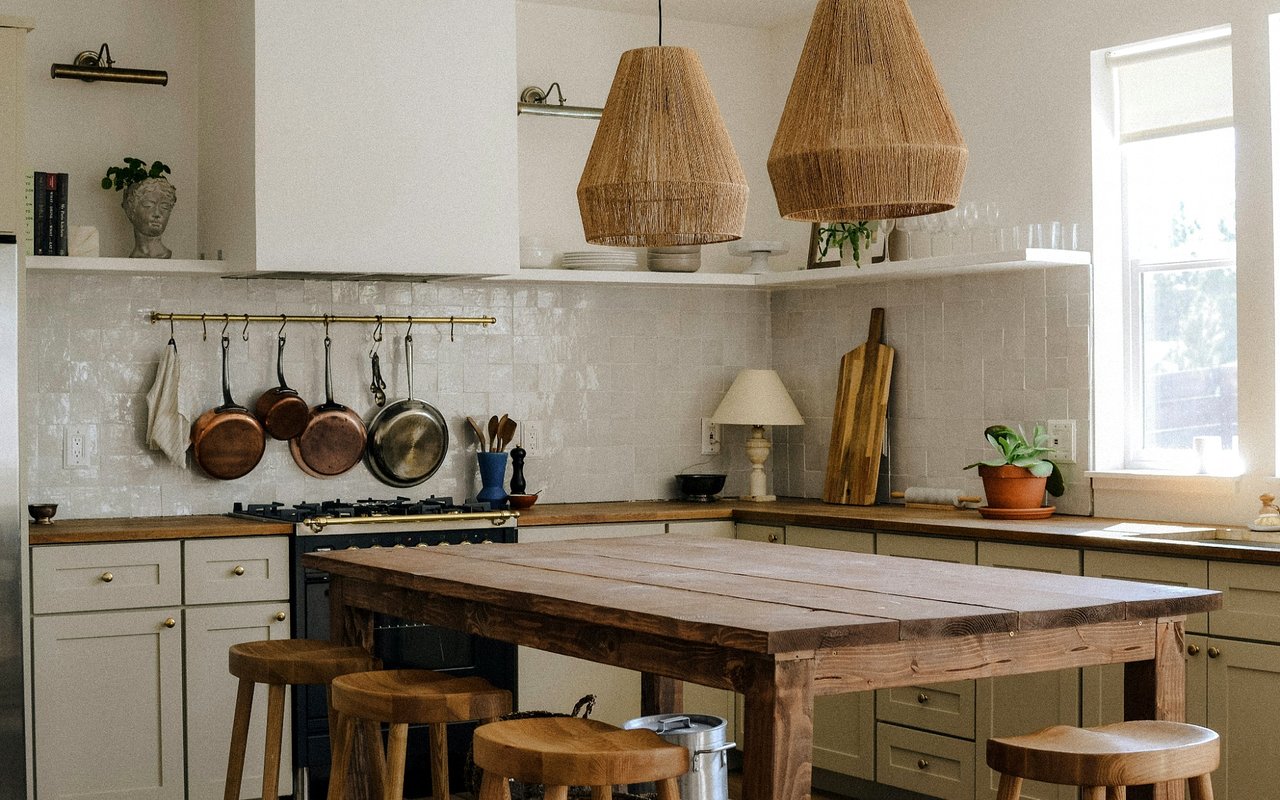
Kitchens and bathrooms are where this matters most. Shaker cabinetry, apron sinks, and classic tile read as timeless in an older home, while quiet upgrades like updated wiring, efficient HVAC, and modern appliances make daily life easier. Radiators can be restored rather than removed, adding warmth and vintage charm.
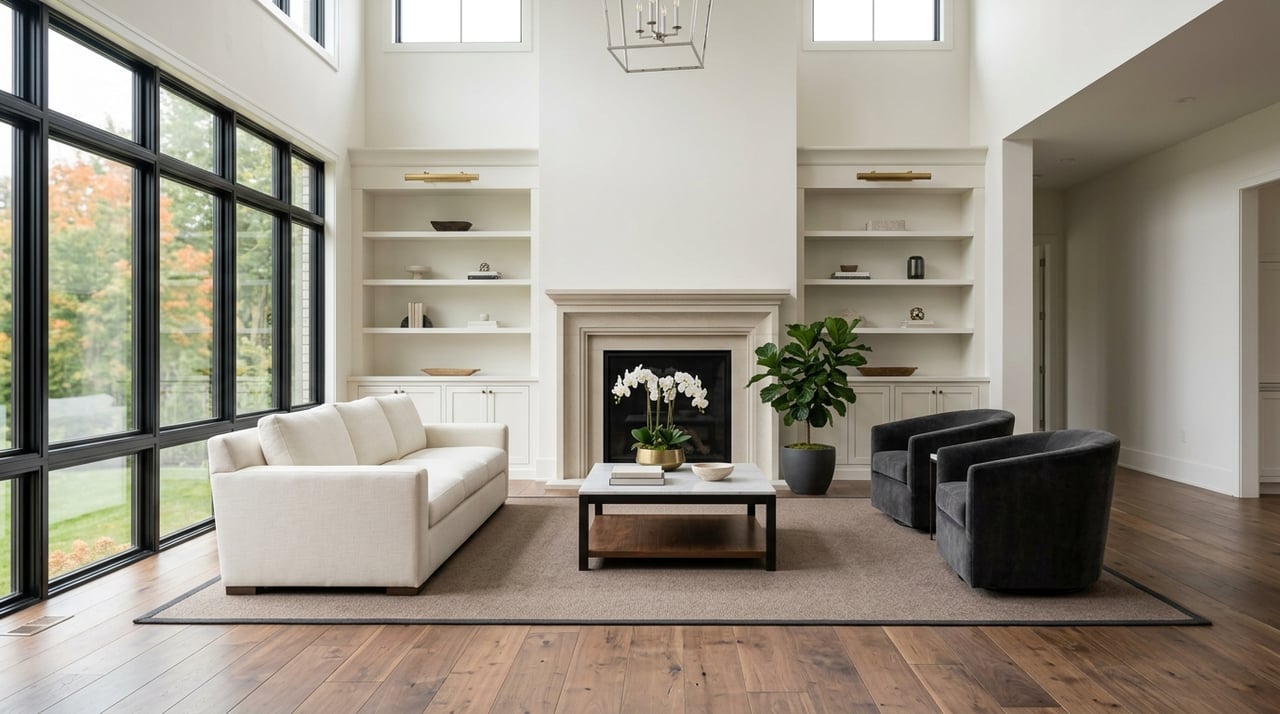
Comfort also lives in the details you layer on top: dimmable lighting, area rugs over refinished floors, and window treatments that suit tall historic windows. These touches make a grand old space feel genuinely livable year-round.
Kitchens and bathrooms are where this matters most. Shaker cabinetry, apron sinks, and classic tile read as timeless in an older home, while quiet upgrades like updated wiring, efficient HVAC, and modern appliances make daily life easier. Radiators can be restored rather than removed, adding warmth and vintage charm.
Comfort also lives in the details you layer on top: dimmable lighting, area rugs over refinished floors, and window treatments that suit tall historic windows. These touches make a grand old space feel genuinely livable year-round.
Update Without Erasing
- Choose timeless cabinetry and fixtures that echo the home's original era.
- Restore radiators and original hardware instead of replacing them outright.
- Add dimmable and layered lighting to soften and warm large rooms.
- Update wiring, plumbing, and climate systems behind the scenes for comfort.
FAQs
Can You Add Central Air to a Historic Cincinnati Home?
Yes, you can add central air to most historic Cincinnati homes, often through high-velocity or mini-split systems designed for houses without existing ductwork. These options keep walls and plaster intact while delivering modern comfort, which makes them a popular choice for older properties across the city.
Should You Restore or Replace Original Windows in a Historic Cincinnati Home?
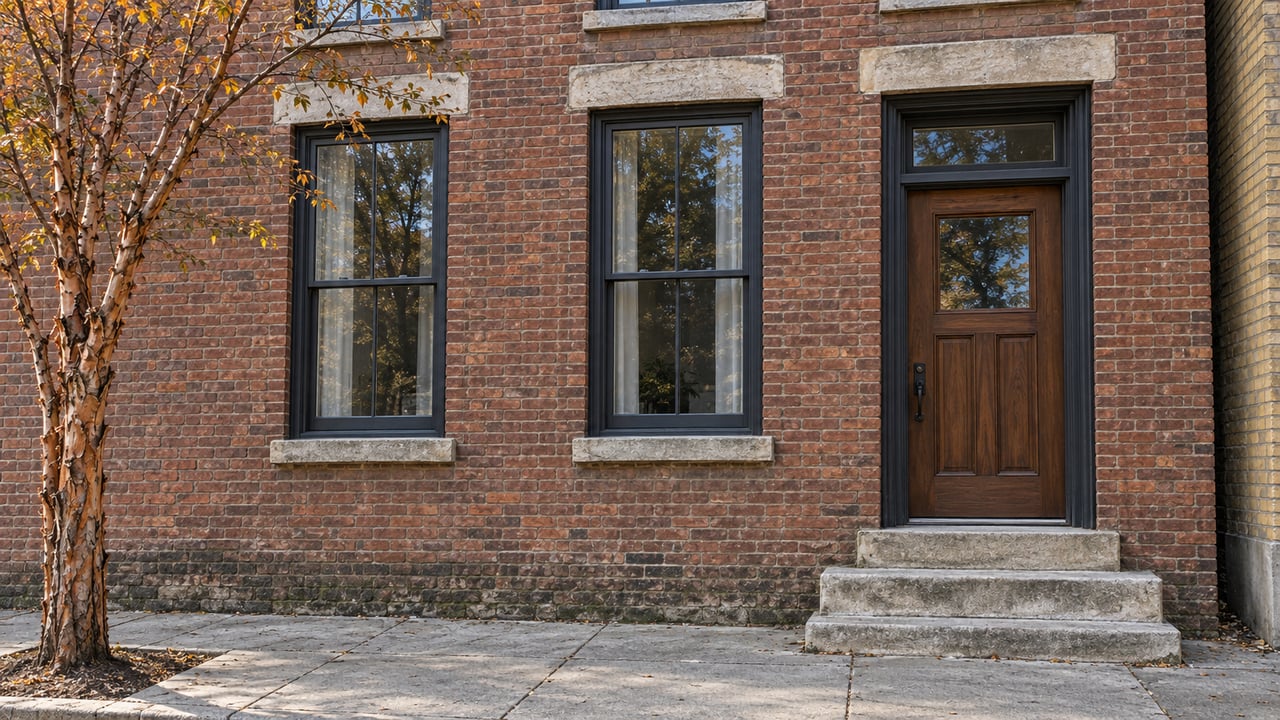
Restoring original windows is usually the better choice for a historic Cincinnati home, since old-growth wood frames are durable and add authentic character. Pairing restored windows with quality storm windows improves efficiency while preserving the look that makes historic real estate in Cincinnati so appealing.
Are Bold Wallpaper and Patterns a Good Fit for Historic Cincinnati Homes?
Bold wallpaper and pattern work beautifully in historic Cincinnati homes, especially in entryways, powder rooms, and dining rooms where period architecture invites drama. Rich florals, geometric prints, and textured papers complement the era of many Cincinnati homes and add depth that flat paint cannot.
Making the Most of Your Cincinnati Historic Home with Interior Design
A well-designed historic home strikes a careful balance, celebrating original detail while giving you the comfort and function you need every day. When you protect the details that matter, choose colors that flatter the architecture, and furnish with intention, your home becomes a true reflection of both its past and your present.
Whether you are restoring a Victorian in Clifton or reimagining an Italianate in Over-the-Rhine, the right guidance makes the process far smoother. Our team knows these neighborhoods and the character of homes in Greater Cincinnati inside and out, and we love helping owners see the full potential of these one-of-a-kind properties.
If you are buying, selling, or dreaming about a historic home, we would love to help. Connect with us at The Julia Wesselkamper Group to start the conversation. Serving the Greater Tri-State area, including Cincinnati and Northern Kentucky, with a global network for international clients, we can help you achieve all your goals.
Whether you are restoring a Victorian in Clifton or reimagining an Italianate in Over-the-Rhine, the right guidance makes the process far smoother. Our team knows these neighborhoods and the character of homes in Greater Cincinnati inside and out, and we love helping owners see the full potential of these one-of-a-kind properties.
If you are buying, selling, or dreaming about a historic home, we would love to help. Connect with us at The Julia Wesselkamper Group to start the conversation. Serving the Greater Tri-State area, including Cincinnati and Northern Kentucky, with a global network for international clients, we can help you achieve all your goals.