Pull up Villa Hills on three different sites this week and you'll get three different cities. One says the typical home is worth $387,348, up a modest 2.0 percent over the past year, as tracked through February 2026. Another puts the median sale price at $379,804 through April 2026, almost identical to the first. Then a third shows homes selling for a median of $785,000 in July 2026, on 37 closed sales that month.
Those last two numbers describe the same 3.5 square miles of Kenton County in the same calendar year. They are not rounding errors. They are evidence of something structural in how Villa Hills is built, and if you're comparing it to Fort Mitchell, Fort Thomas, or any other Northern Kentucky suburb using a single headline price, you're comparing a number that doesn't describe any actual house in the city.
Three Numbers, One City, No Agreement
Here's what a buyer researching Villa Hills sees laid side by side:
| Source and timeframe | Figure | What it measures |
|---|---|---|
| Home value index, updated Feb. 2026 | $387,348 | Typical value across the full housing stock |
| Median sale price, April 2026 | $379,804 | Actual closings, that month |
| Median sale price, July 2026 | $785,000 | Actual closings, single month, 37 sales |
| Active median list price, June 2026 | $765,000 | What's currently for sale |
| Median price of homes sold in the trailing 30 days | $480,000 | 8 closings, same site, same month |
Look closely at the last two rows. They come from the same live search tool, pulled in the same window. The active listings sitting on the market right now have a median list price around $765,000. But the 8 homes that actually closed in the prior 30 days had a median of $480,000. That's not a typo and it's not a market correction. It's what happens when a small number of transactions gets asked to represent a whole city.
Why the Median Breaks When the Sample Is Small
A median is only a stable number when enough transactions feed it. Villa Hills doesn't have that volume. We're talking about roughly two to four dozen closed sales in a typical month, sometimes fewer. When your sample size is that thin, one $1.1 million closing and one $220,000 closing don't average out into a sensible middle. They just make the number swing.
That's the whole story behind July's $785,000 median. It isn't that Villa Hills homes suddenly cost twice what they cost in April. It's that the specific 37 homes that happened to close in July skewed toward the upper end of what's currently on the market, while April's median, drawn from a different set of closings just three months earlier, landed close to $380,000. Average days on market moved too, up to 51 days that month compared to 31 days a year earlier, which tracks with a market absorbing bigger, pricier, slower-moving homes rather than a market broadly cooling.
If you're using Villa Hills' median as a proxy for what a typical house costs, you're really measuring which handful of homes happened to close during whatever window someone chose to report.
The Two Villa Hills Underneath the Number
The reason the median is this unstable isn't random. It reflects a real split in the housing stock, one that a single number was never built to describe.
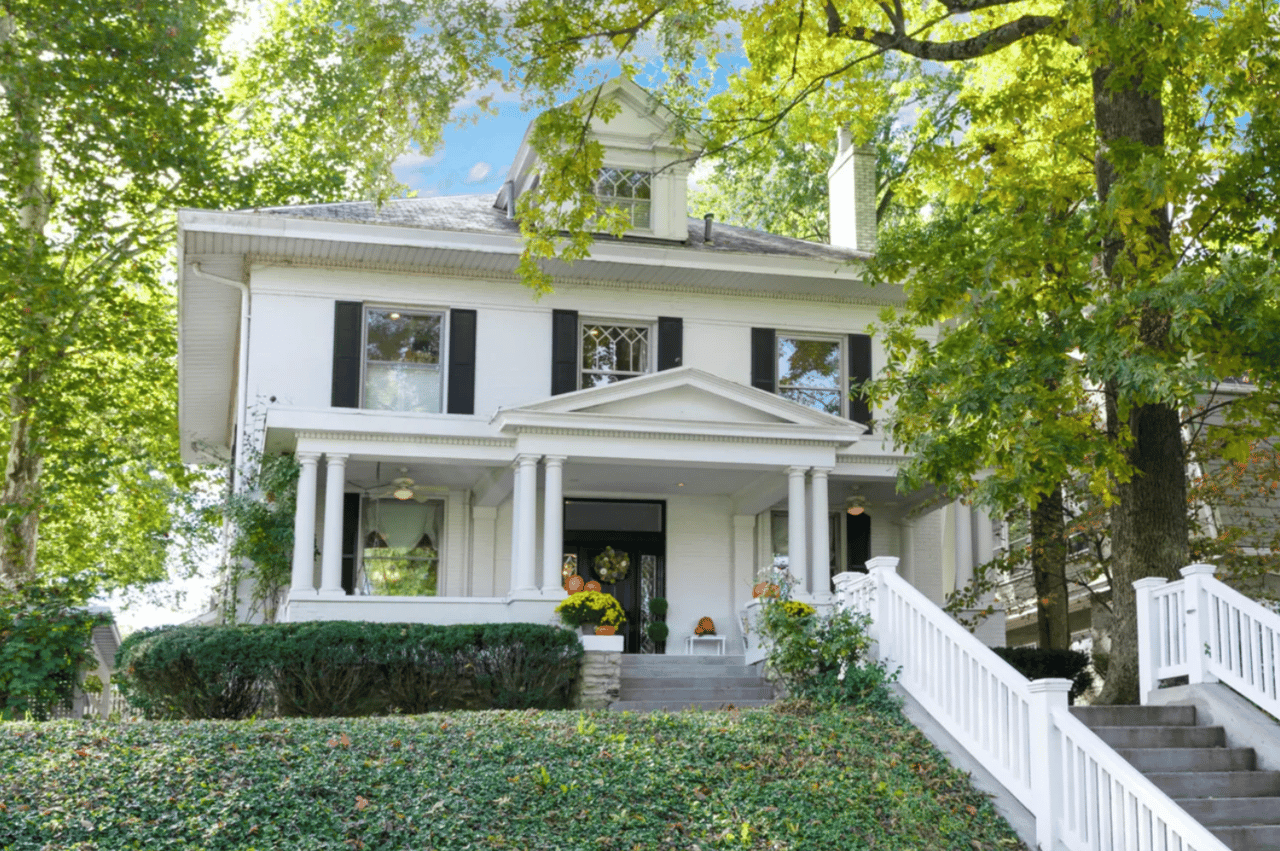
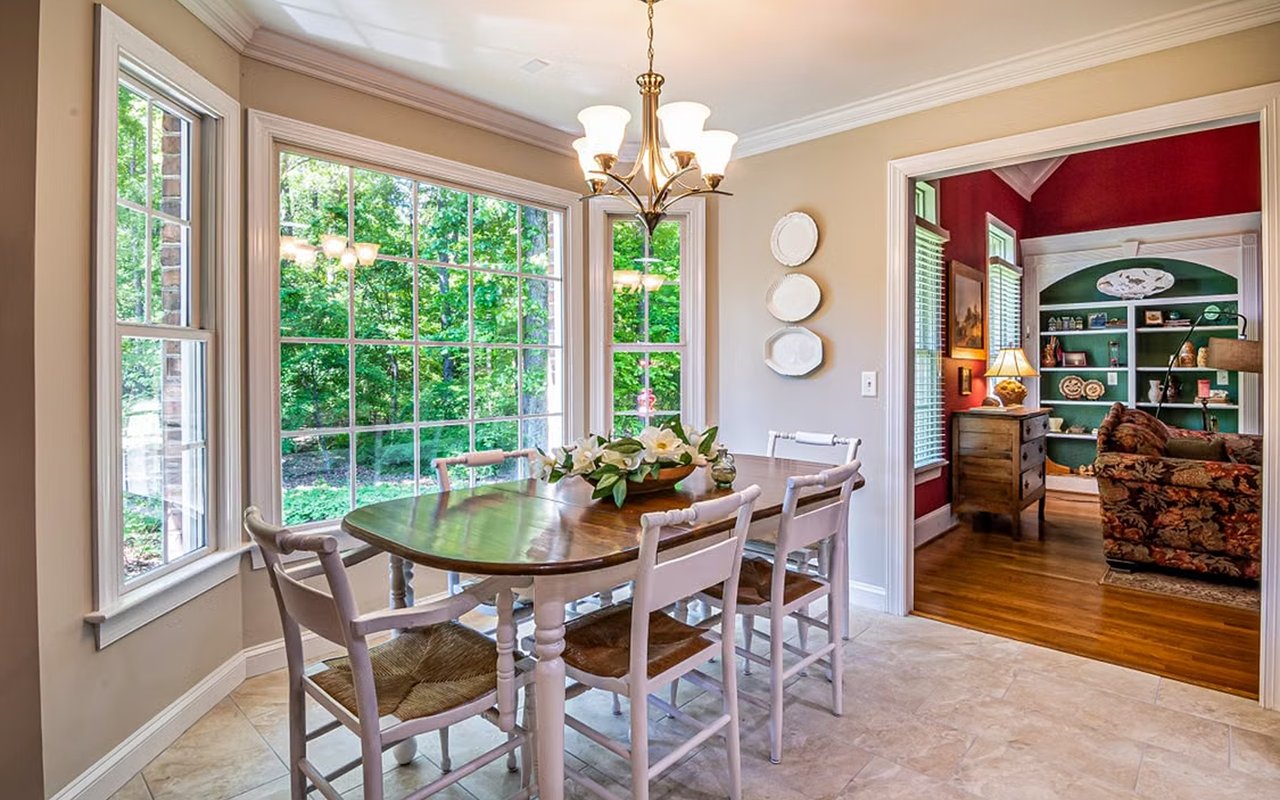
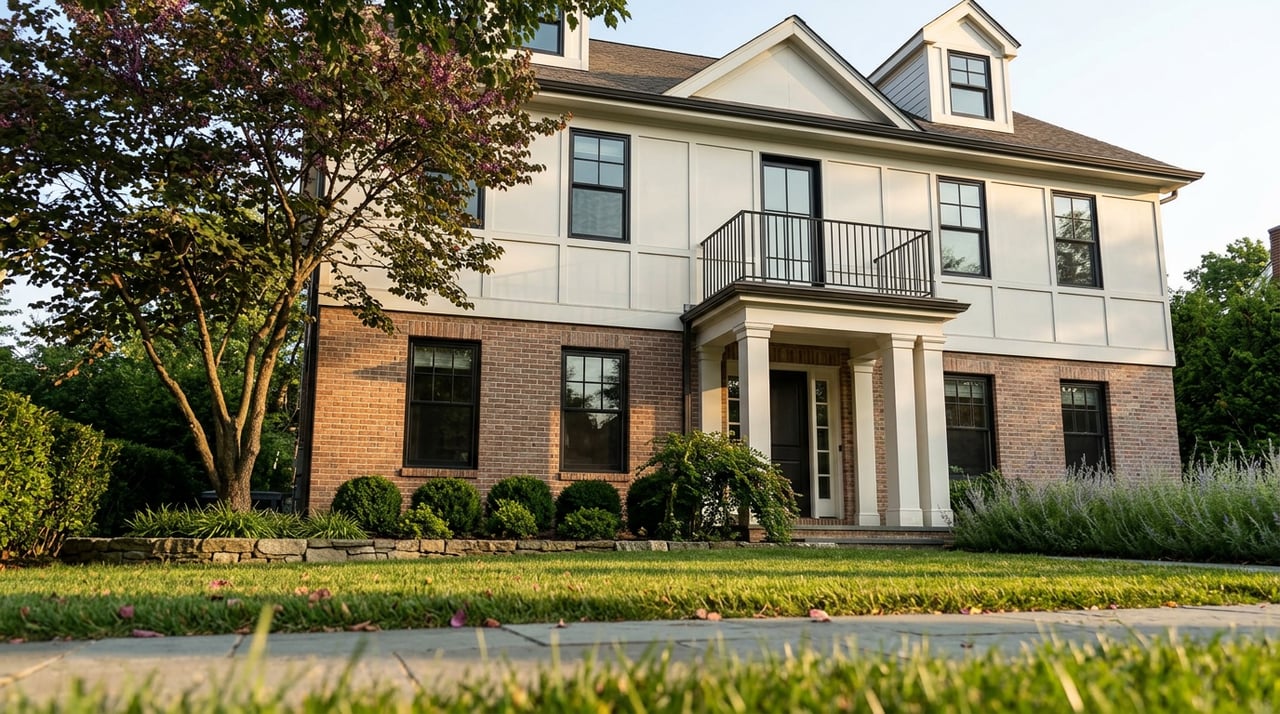
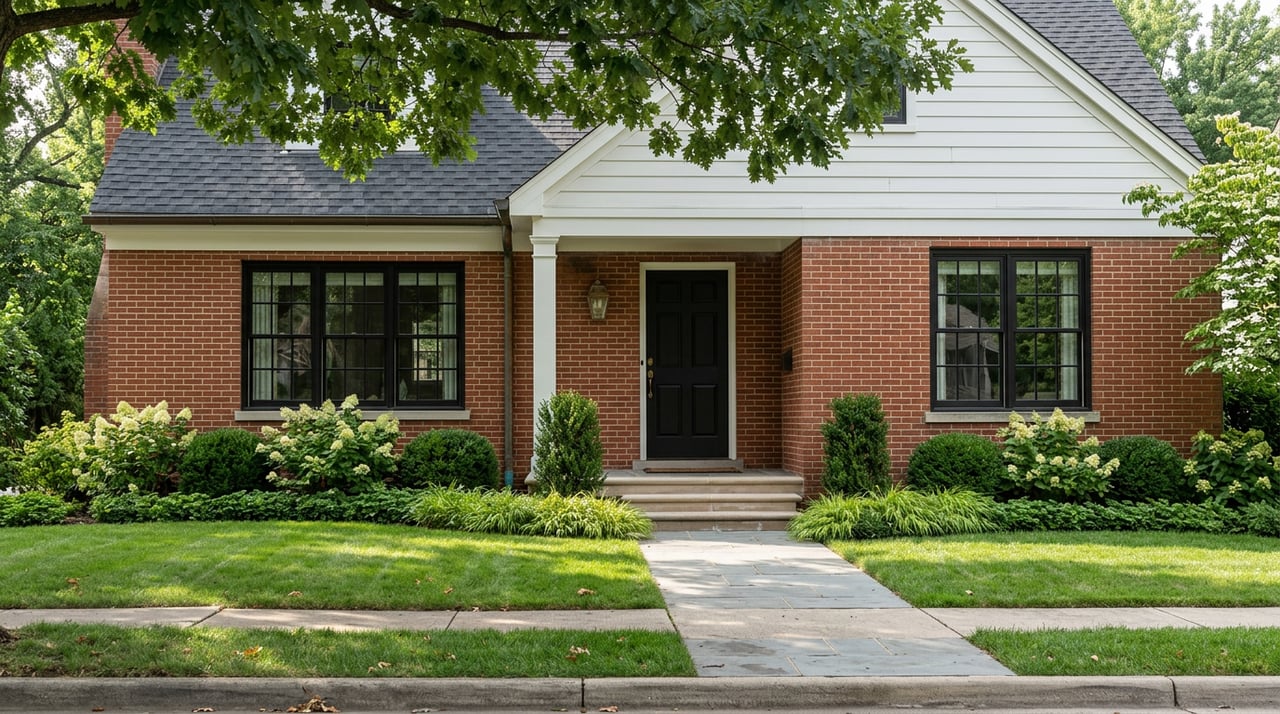
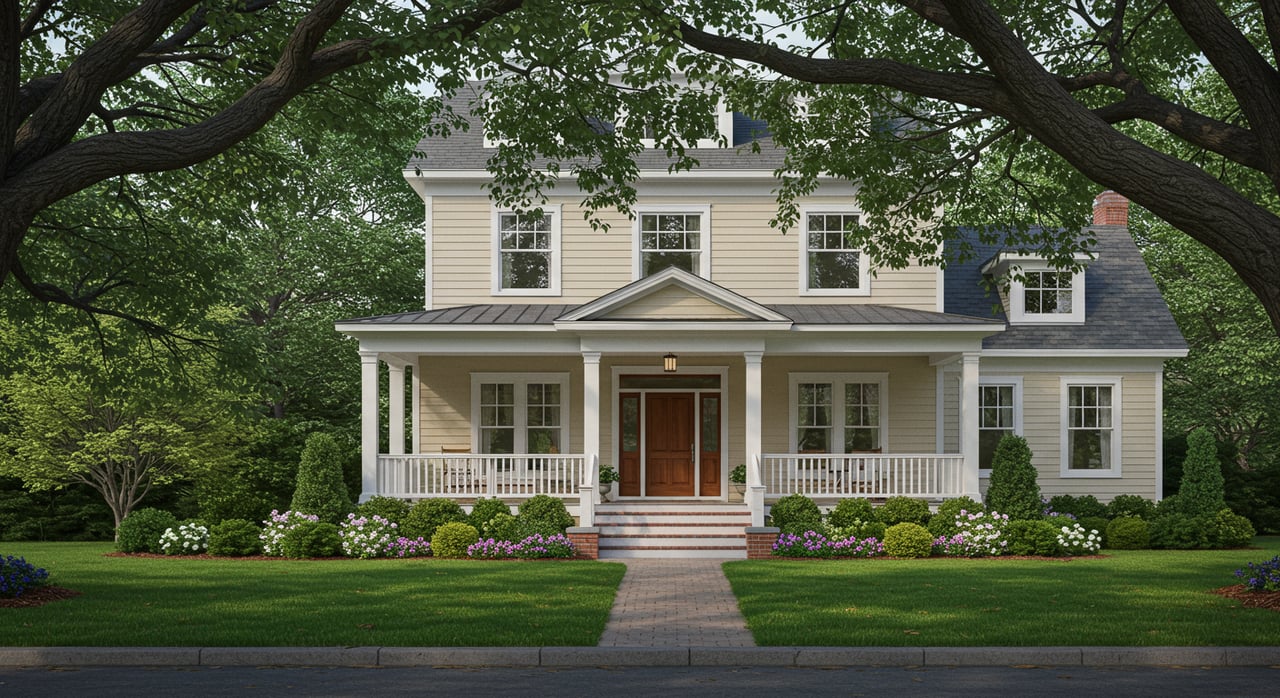
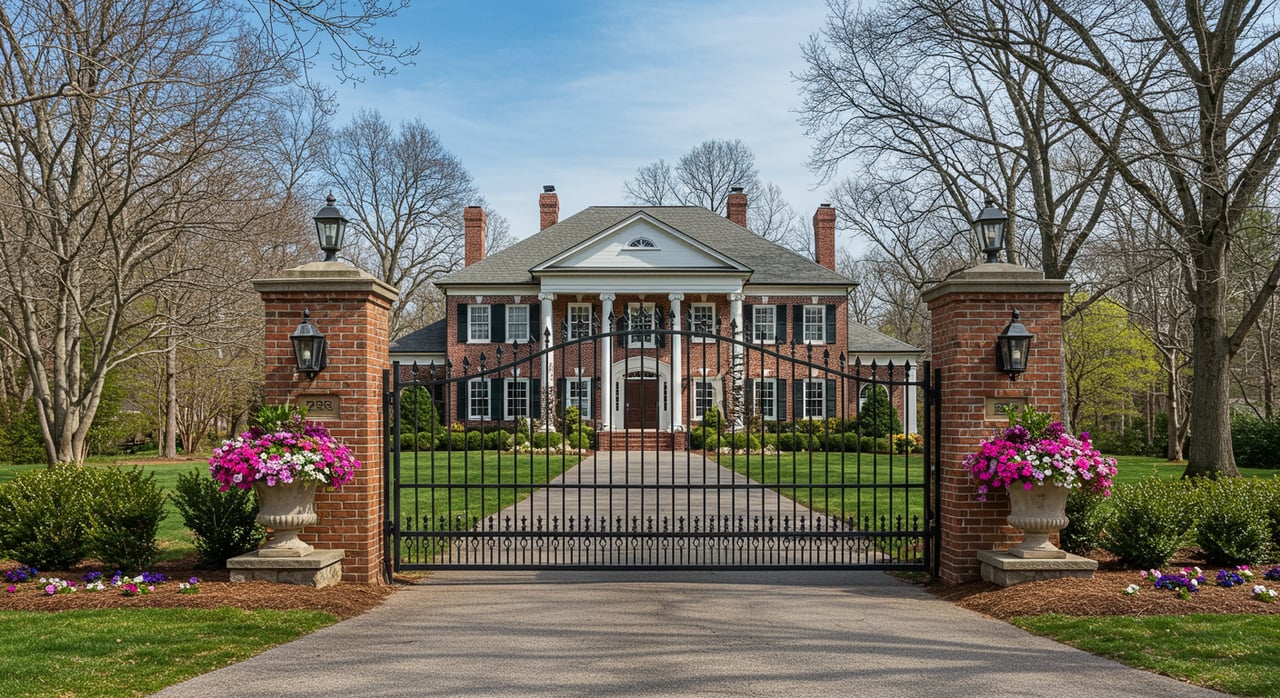
On one side, you have the established Villa Hills that's been there since incorporation in 1962: neighborhoods like Amsterdam Village, with its classic homes and mature tree canopy, and Lookout Heights, known for spacious lots and quieter architecture. These are the homes that anchor the lower and middle end of every pricing range you'll see, the ones actually driving that $379,804 to $387,348 band that most tracking sites agree on.
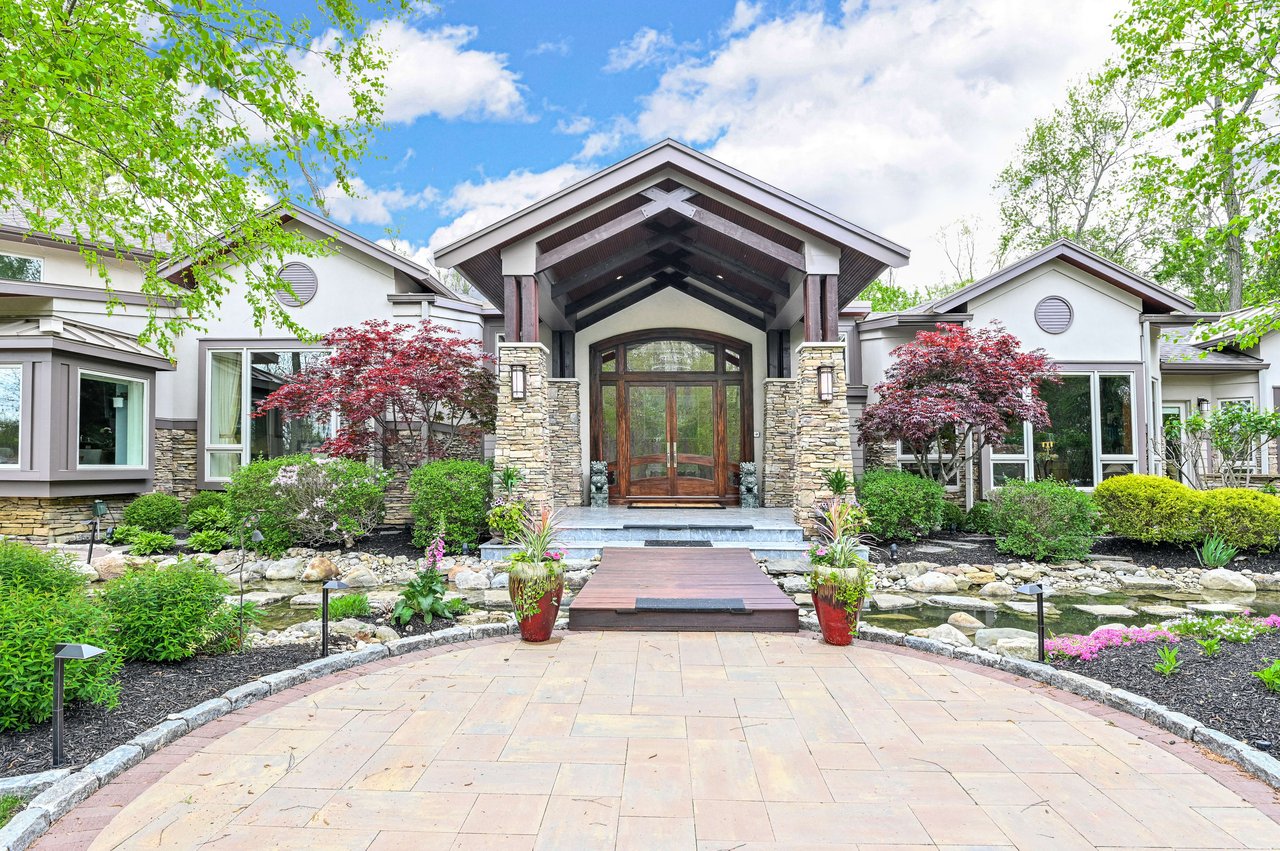
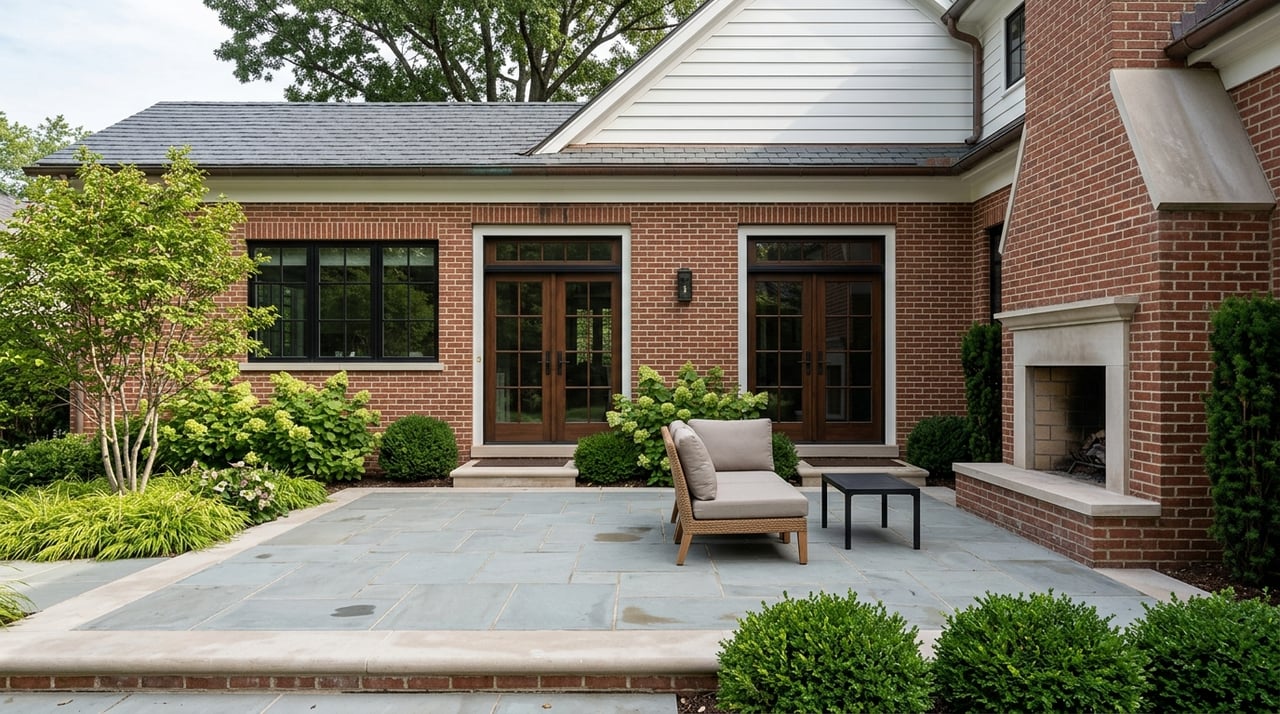
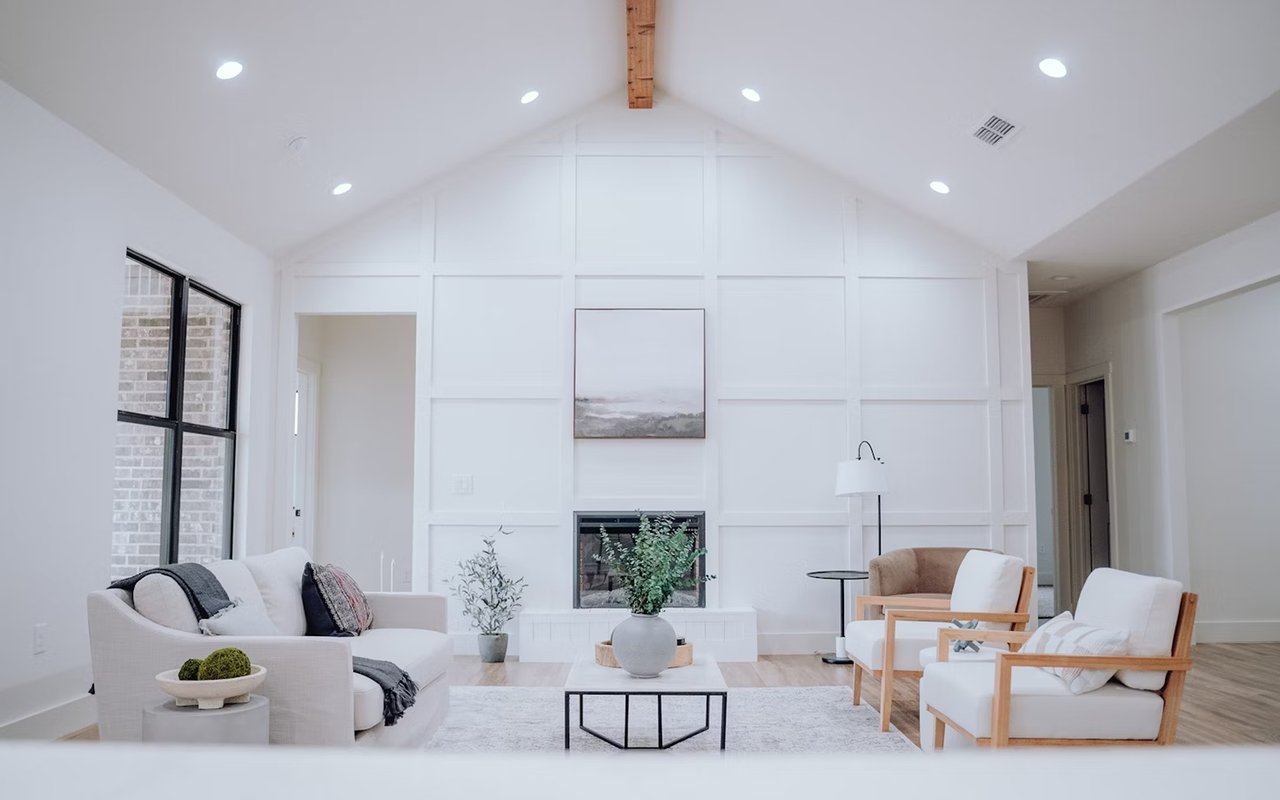
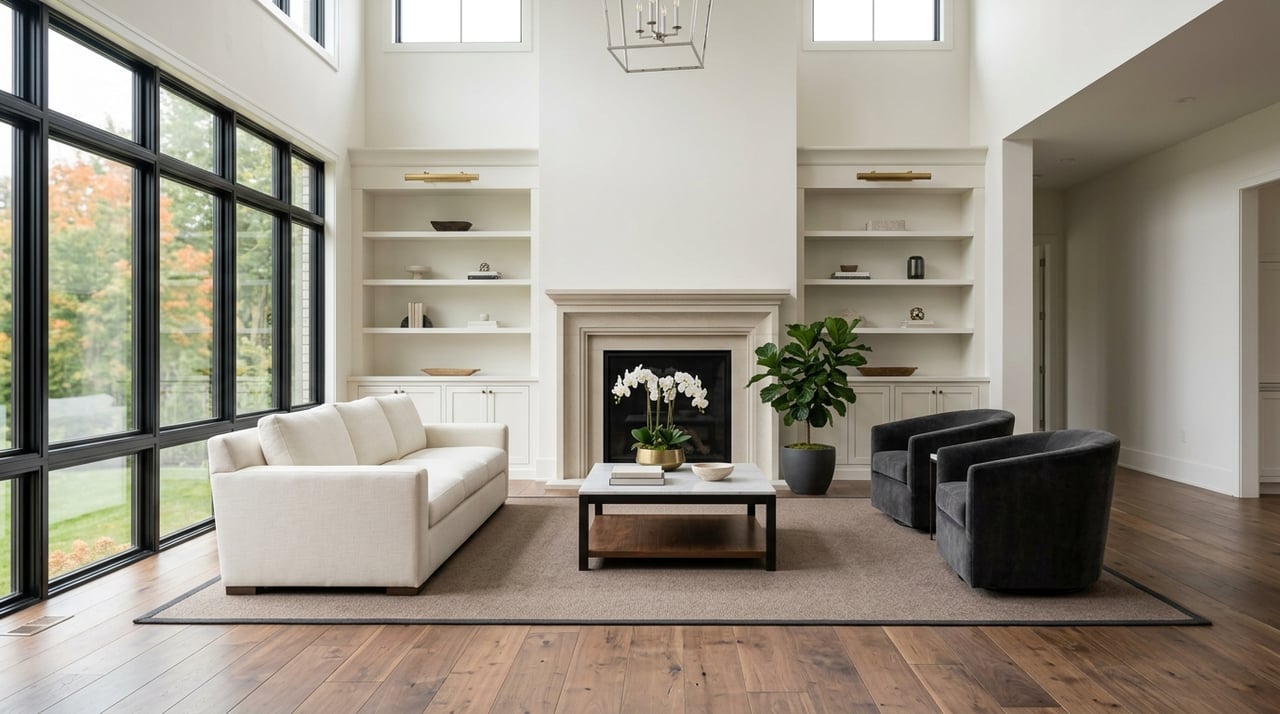
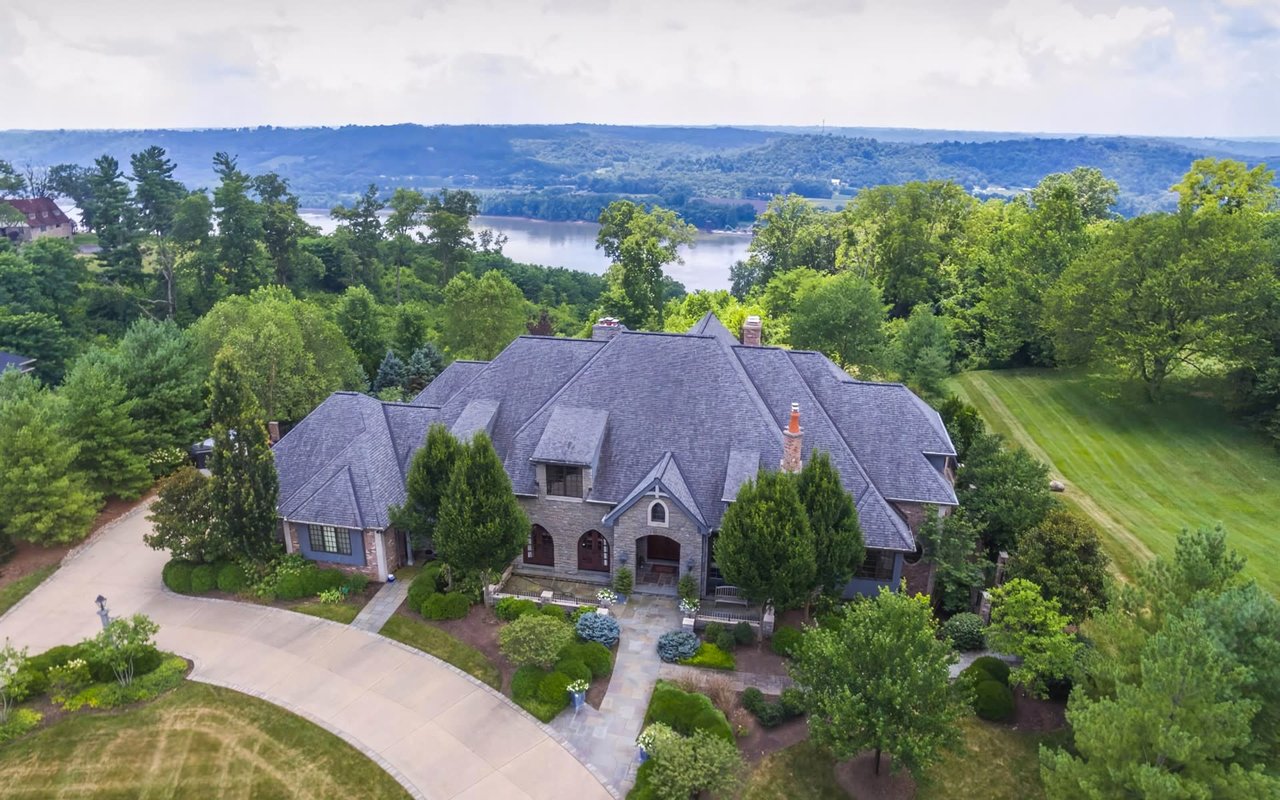
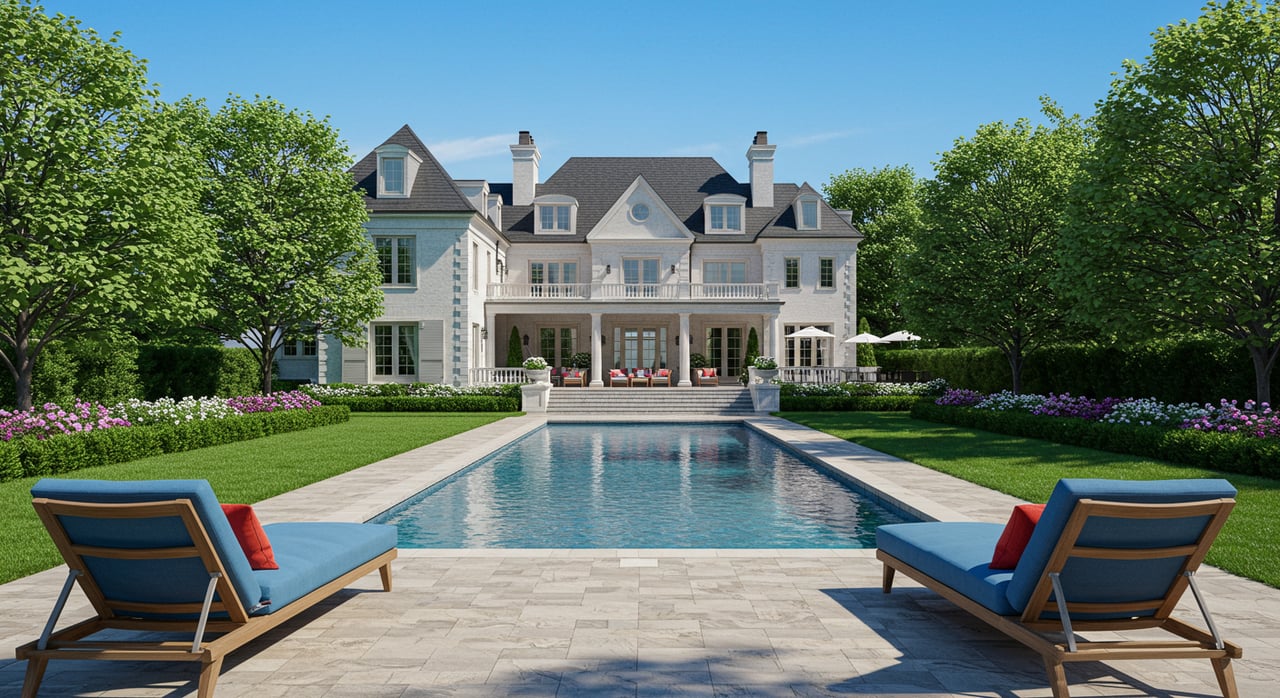
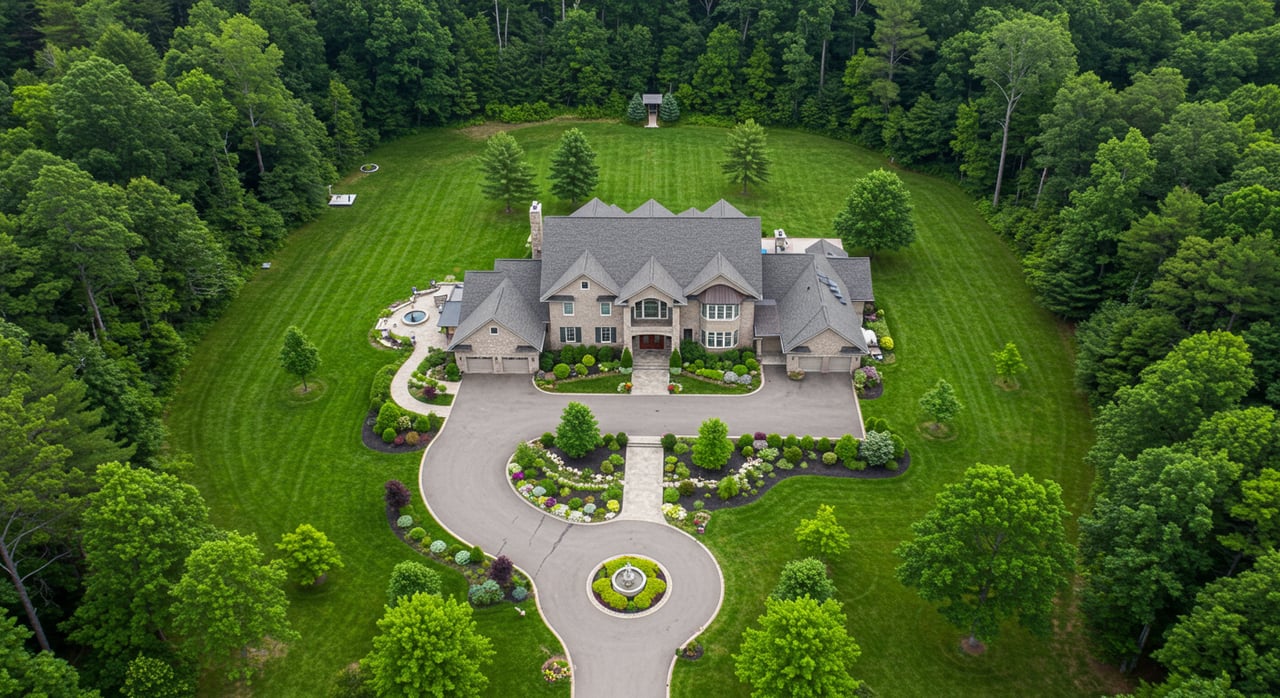
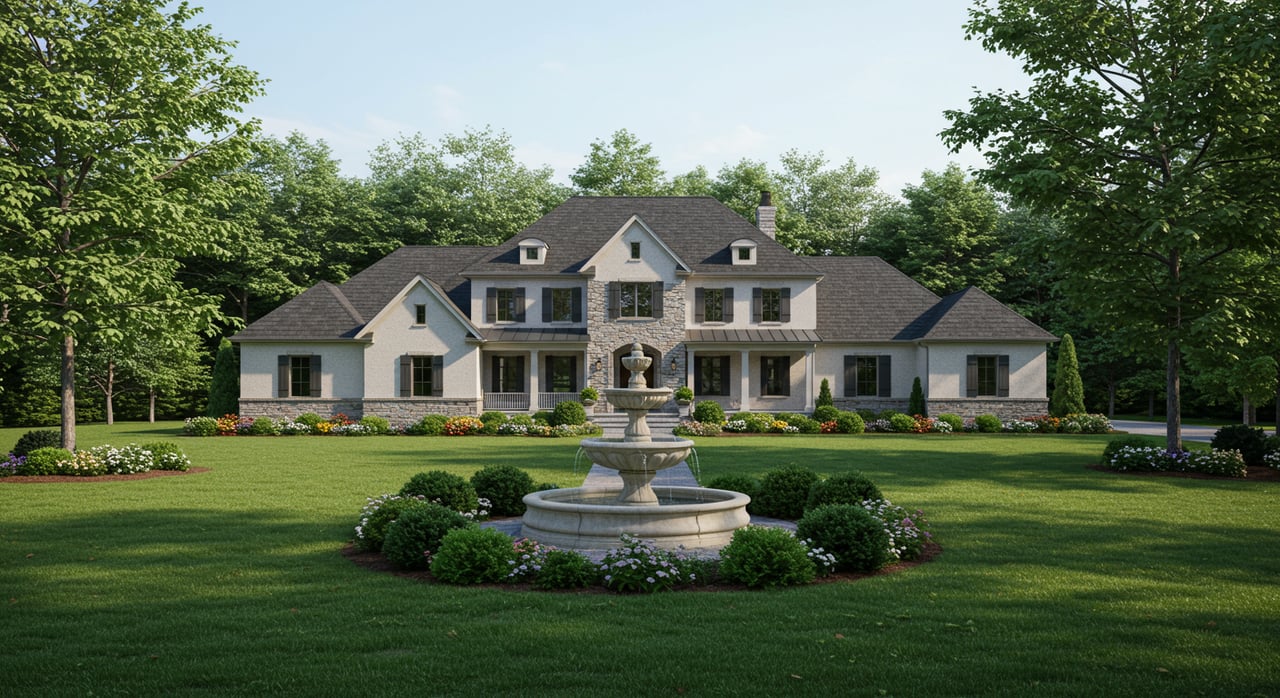
On the other side is a wave of new luxury construction that has nothing in common with that original housing stock. Sanctuary Village, built by Ashley Builders Group along the river, is marketed on river views and low-maintenance luxury living, with townhomes built around soaring ceilings, stone fireplaces, and custom kitchens. Country Squire Estates and Rivershore Farms occupy a similar tier, large-lot, high-end product built for buyers who were never shopping in the $380,000 range to begin with.
These aren't two ends of a normal distribution. They're two separate products sharing one municipal boundary, and every citywide statistic you see is an attempt to average them into a single figure that describes neither.
What One Week of Active Listings Actually Looks Like
You don't need twelve months of data to see the split. One recent pull of active Villa Hills listings shows a $220,000 two-bedroom pending sale sitting in the same result set as a $1.1 million five-bedroom, six-bath home at 4,109 square feet. In between, prices land at $385,000, $609,900, $620,000, and $410,000, scattered rather than clustered. Separately, one brokerage's current active inventory in the city averages $1,139,848 in list price against 4,672 square feet, while its recently sold homes averaged $607,083, another gap that only makes sense once you know two different products are being sold under one roof. New construction inventory tied to the broader Villa Hills area currently spans homes as small as 1,051 square feet up to homes just under $2 million, across 34 different builders. That's not a market moving toward a center. That's a market with two centers.
What This Means If You're Comparing Suburbs
If you're cross-shopping Villa Hills against Fort Mitchell or Fort Thomas using a single median, stop and ask which Villa Hills that number is describing. A few things matter more than the headline figure:
- Ask for the subdivision, not just the city. Amsterdam Village and Sanctuary Village will never show up as comparable homes, even though both sit inside Villa Hills city limits.
- Look at price per square foot within a tier, not across the whole market. A $264 per square foot average means something different when it's averaged across a 1,300 square foot cottage and a 4,600 square foot new build.
- Watch days on market by price band. The slowdown from 31 to 51 days this July likely reflects the upper tier taking longer to absorb, not a citywide cooling. A modest resale in an established subdivision may still move in under a month.
- Treat any single-month median as a snapshot, not a trend. With sales volume this low, one month's number can look nothing like the next.
None of this means Villa Hills is unpredictable to work in. It means the city rewards buyers and sellers who look one layer past the average, at the specific streets and specific product types that actually match what they're trying to buy or sell.
A Few Straight Answers
Is Villa Hills getting more expensive? The year-over-year comparisons from two separate tracking sites both show modest single-digit growth, not the dramatic jump a single month's median might suggest. Any month-to-month swing should be checked against a year-over-year figure before you treat it as a trend.
Does this affect sellers too? Yes, in a useful way. If your home sits in an established subdivision like Lookout Heights, comparing your asking price to a citywide median that's been pulled upward by new luxury construction can lead to mispricing in either direction. The right comparison set is homes like yours, not homes in Villa Hills generally.
Why does this happen more in Villa Hills than in larger suburbs? Smaller cities with lower transaction volume are more exposed to this kind of statistical noise. A city that closes several hundred sales a month can absorb a handful of outliers without much distortion. A city closing a few dozen cannot.
If you're weighing Villa Hills against another Northern Kentucky suburb, or you own a home there and want to know what it's actually worth against the right set of comparables rather than a citywide average, The Julia Wesselkamper Group can walk you through the subdivision-level numbers and what they mean for your specific situation. Contact us to get started.