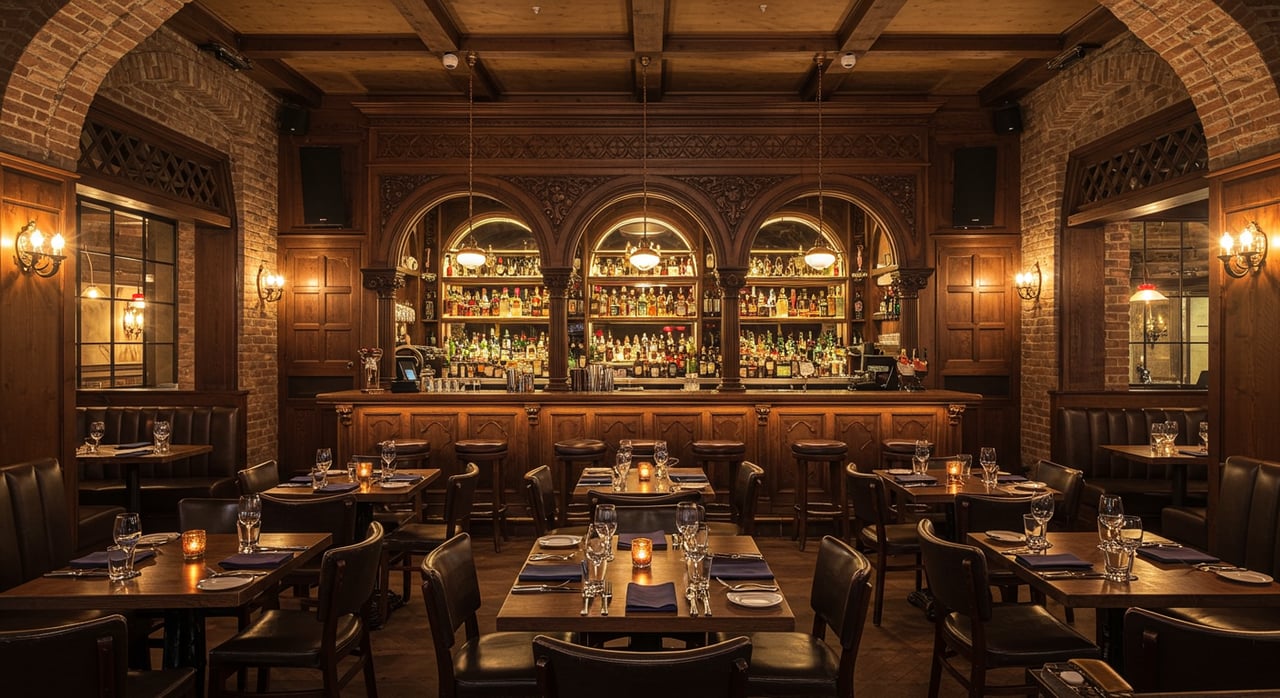
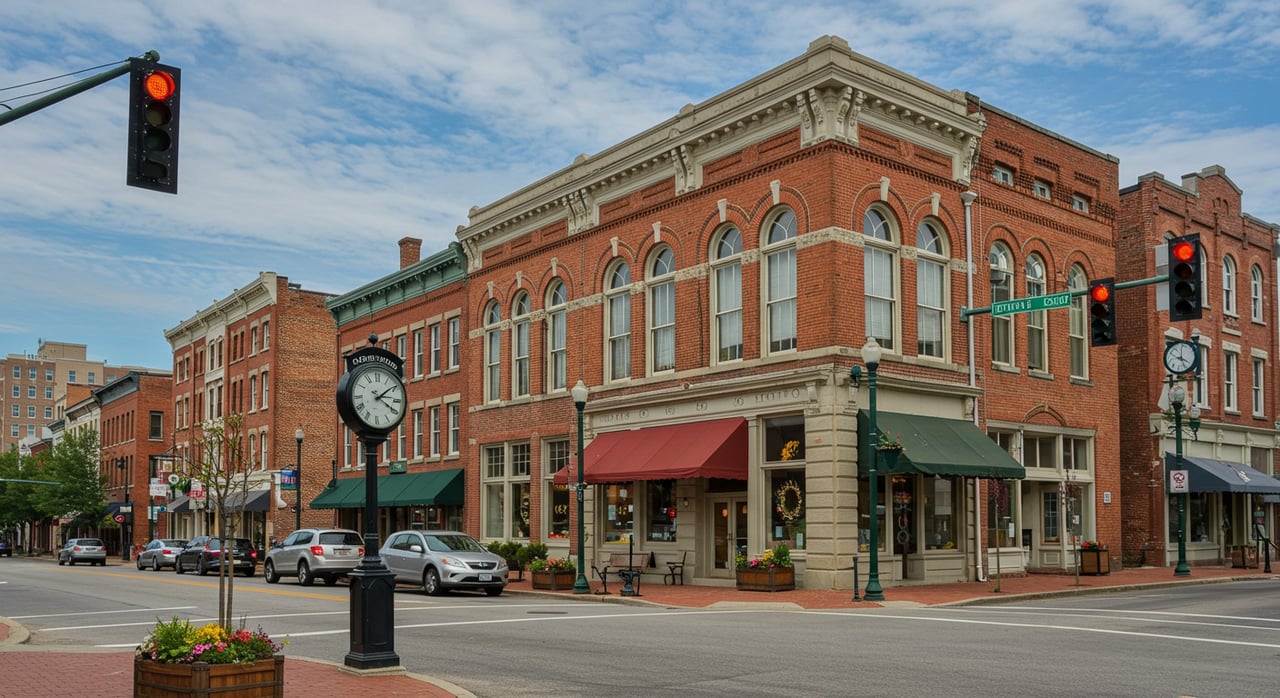
Walk Montgomery Road this month and you'll pass two buildings that are quietly running separate calendars. One is a whitewashed brick church built in 1837, its bricks fired on site by hands that pressed their own house keys into the clay before it hardened. The other is a boutique hotel that didn't exist two years ago, with a lobby bar called Sidecar pouring drinks to guests who may not know the church down the street is older than the state's public school system.
Montgomery isn't choosing between its past and its present this fall. It's running both calendars at once, and the way they occasionally cross over tells you more about how this city actually works than either one does alone.
The church that won't let go
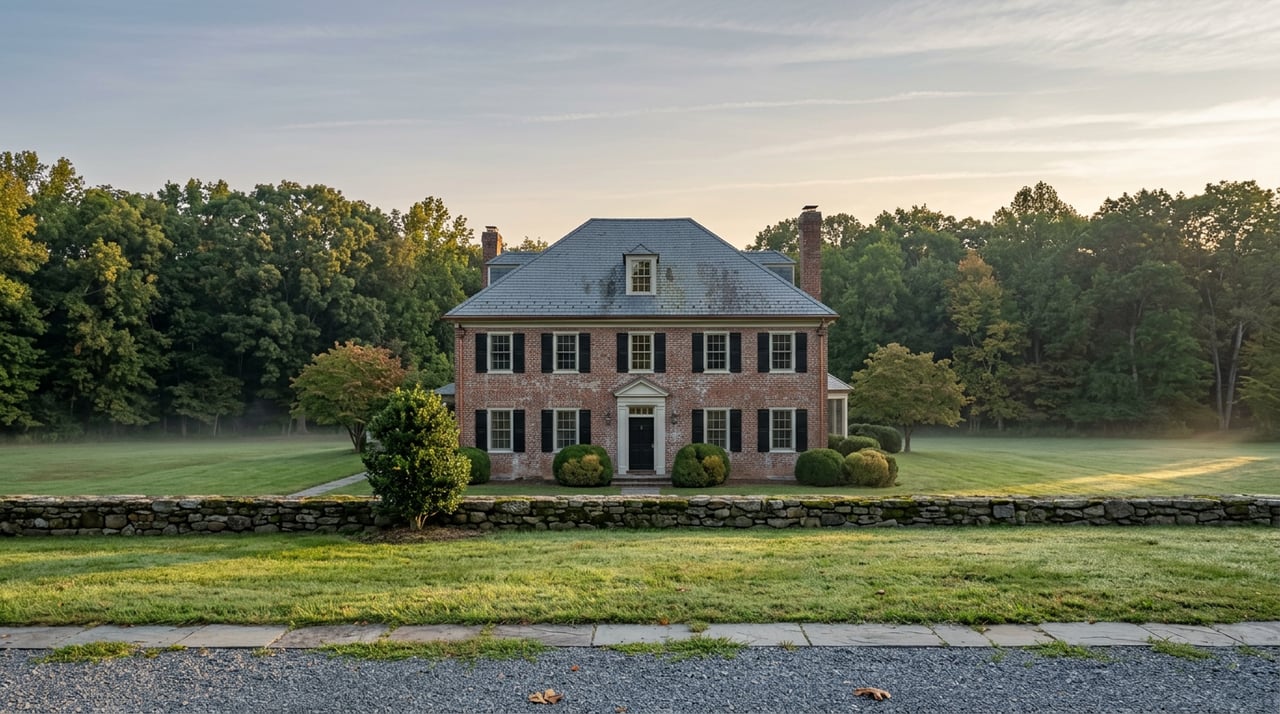
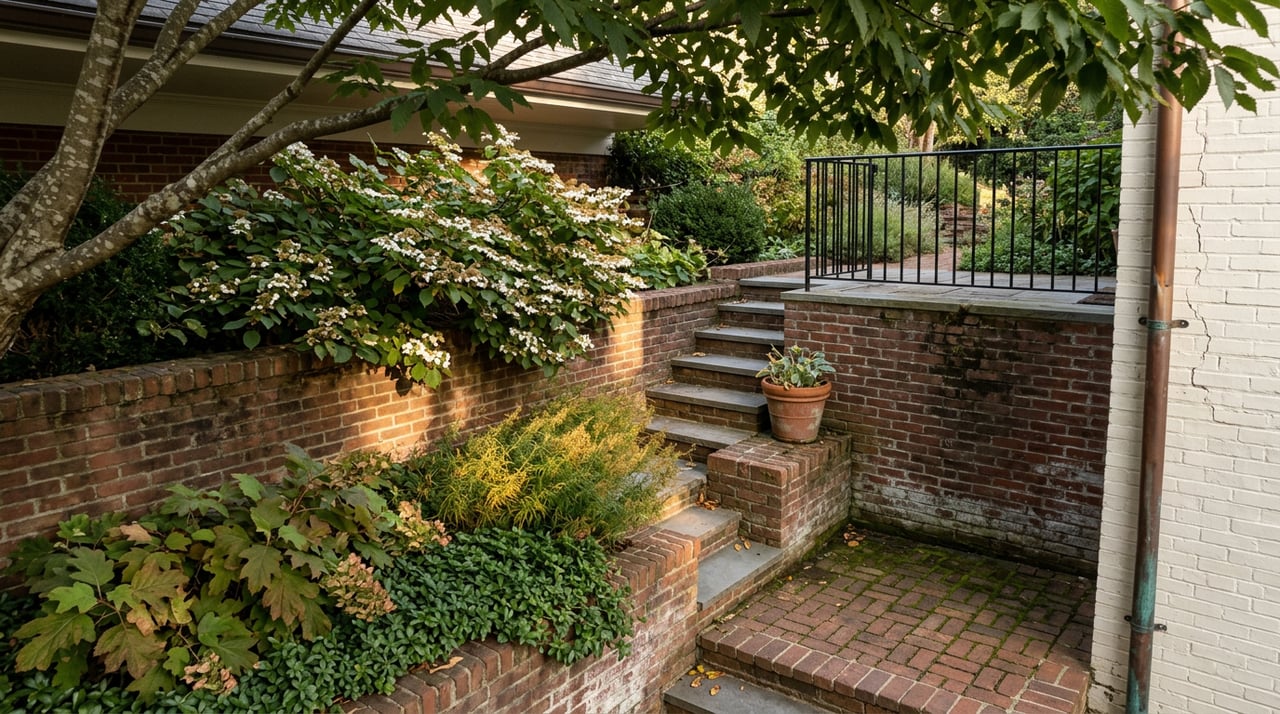
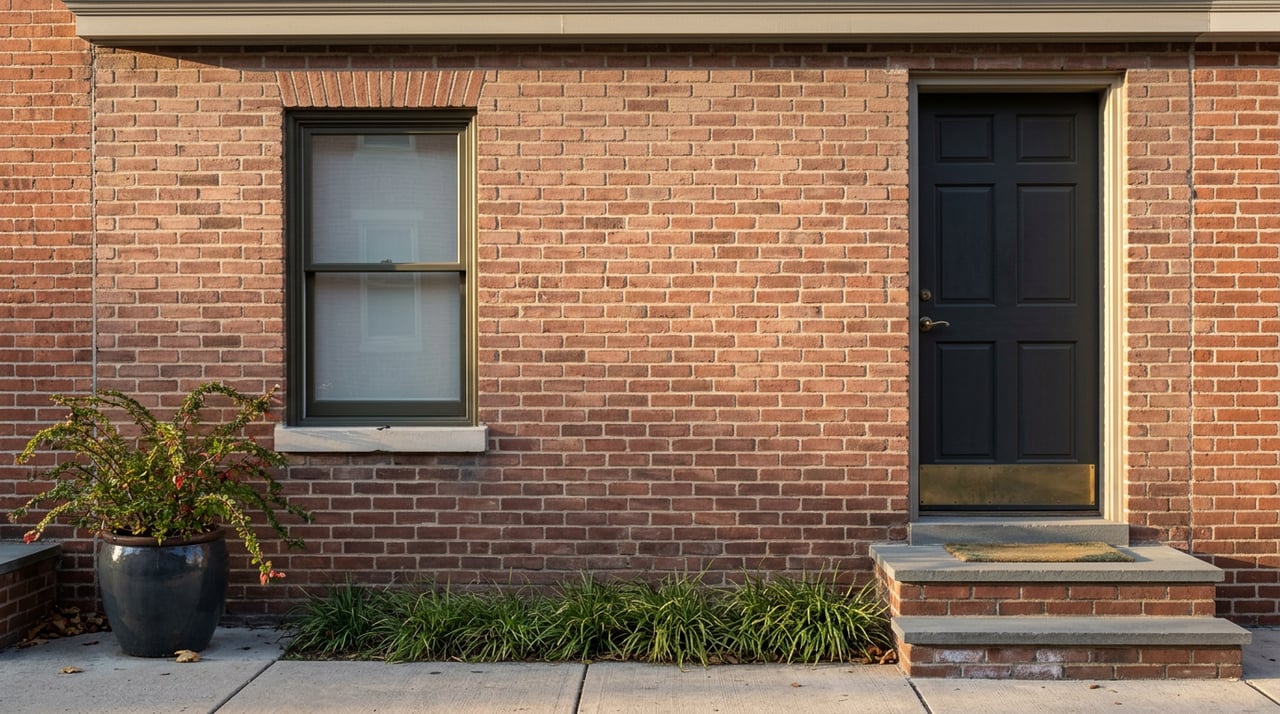
The Universalist Church at 9471 Montgomery Road was built in 1837, two years after a group of families broke away from the Hopewell Presbyterian Church over a doctrinal dispute and formed their own society under pioneer leader Jacob Felter. They bought the property for $75, hired carpenters, and made the bricks themselves from clay dug on a nearby farm. Some of those bricks still carry the imprint of a key someone pressed into the wet clay before it dried.
The building has survived more than time. During a 19th-century storm, a cyclone split the structure clean in two. A local blacksmith rigged beams to either side and used a block and tackle to draw the halves back into alignment, then mortared the seam so well that no trace of the crack remains visible today. The church bell doubled as the village fire alarm for years and was rung to muster the militia during the Civil War, the same summer that Confederate raider John Hunt Morgan's men passed through in the early hours of July 14, 1863.
Today the Universalist Church is one of only five sites in Montgomery listed on the National Register of Historic Places, a designation it earned in 1970 alongside the Blair House, the Montgomery Saltbox Houses, the Wilder-Swaim House, and the Yost Tavern. That status is exactly why the city keeps handing it the microphone. Rather than build a new performance hall, Montgomery's Arts Commission uses the church itself as the venue for Live at the Uni, now in its 17th season. Registration for the season's first concert, saxophonist Rick VanMatre and his jazz quintet, opened September 2 for a September 29 show. The second concert, a Cincinnati a cappella ensemble, follows on October 13. Later this fall the church also hosts Lanterns & Landmarks, an after-dark walking history of the community that starts inside the sanctuary before guests head out to see the rest of Montgomery by lantern light.
This past Sunday, September 13, the city ran a different kind of gathering nearby: a guided botany walk through Johnson Nature Preserve led by Dr. Denis Conover, a botany professor at the University of Cincinnati. It's a small event, but it fits the same pattern. Montgomery doesn't manufacture new civic space when it wants to bring people together. It keeps returning to the ground it already has.
Two blocks south, a different kind of anchor
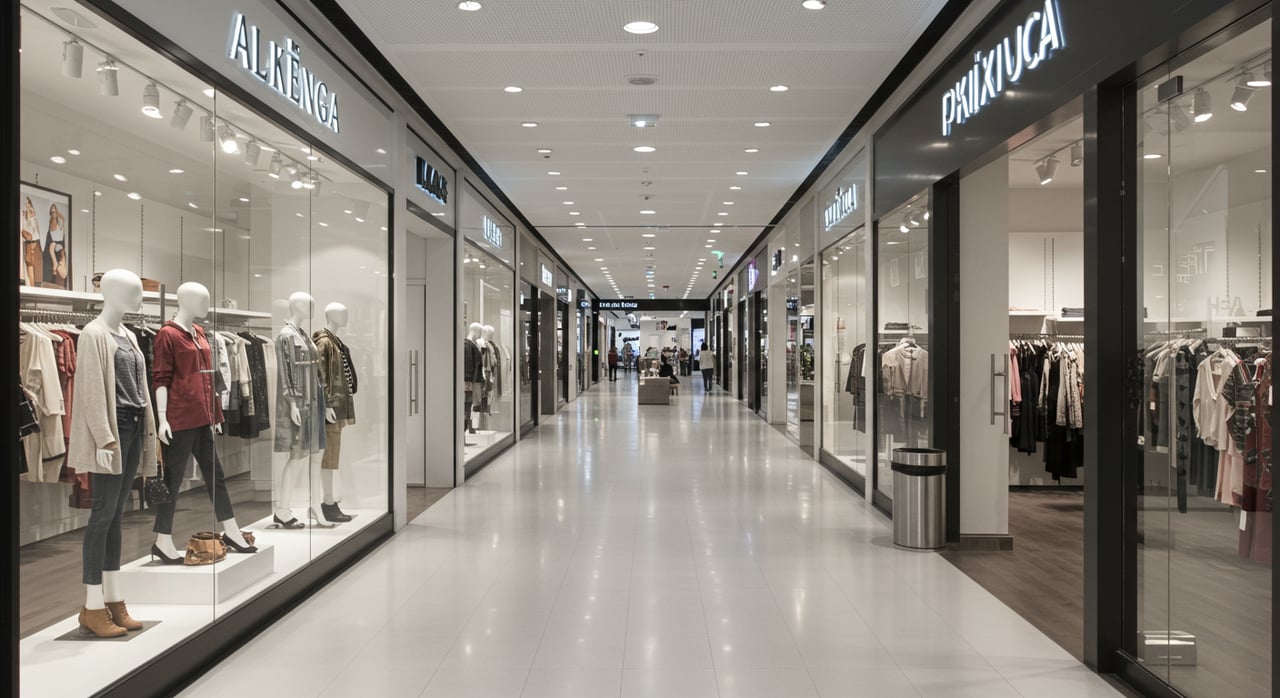
If the Universalist Church represents one axis of Montgomery's identity, Montgomery Quarter is the other. It's a $150 million mixed-use development from Brandicorp, Neyer Properties, and Jeffery R. Anderson Real Estate, built at what the city calls the southern gateway to Historic Montgomery. The centerpiece is the Rambler Hotel, part of the Tapestry Collection by Hilton, which targeted an October 2025 opening and now anchors its own lobby bar, Sidecar Bar + Kitchen, as a gathering spot for residents as much as hotel guests.
Around it sits Montgomery Quarter Park, a public green with a fire pit and a water feature that the city designed specifically to host festivals, concerts, and yoga sessions. It's a newer, more engineered version of what the Universalist Church has done informally for almost two centuries: give the neighborhood a reason to show up in one place. The restaurant lineup here reads differently from the Heritage District a few blocks away. Livery brings Latin flavors to the Quarter, Kitchen Social pairs scratch-made food with cocktails made in partnership with Watershed and High Bank distilleries, and BRU Burger Bar operates as the 14th location of a regional chain built around the American burger. These are newer names, newer buildings, and a newer audience, even though they sit inside walking distance of a church built before the Civil War.
The calendar, in one place
Here's what's actually on the schedule this month, and where each event lives.
| Date | What's happening | Anchor |
|---|---|---|
| Aug. 31 (ongoing) | Lane closures and construction delays on Main Street and Montgomery Road near CVS | Downtown corridor |
| Sept. 2 | Registration opens for the first Live at the Uni concert | Universalist Church |
| Sept. 13 | Guided botany walk through Johnson Nature Preserve with UC professor Dr. Denis Conover | Johnson Nature Preserve |
| Sept. 29 | Live at the Uni: saxophonist Rick VanMatre and his jazz quintet | Universalist Church |
| Oct. 13 | Live at the Uni: a Cincinnati a cappella ensemble | Universalist Church |
| Through Oct. 31 | Montgomery Farmers' Market, Saturdays 9 a.m. to 12:30 p.m. | Montgomery Elementary School lot |
Laid out this way, the pattern is obvious. The events with the deepest roots, the ones tied to history, music, and land, gather around the church and the preserve. The events tied to commerce and hospitality gather around the Quarter. They rarely need each other, and most weeks they don't overlap at all.
The one event that walks through both
There's an exception, and it's worth noticing precisely because it's rare. The Downtown Montgomery Walking Food Tour is built to cross the line on purpose. Guests taste signature dishes from six restaurants while a guide walks them through both the Heritage District and Montgomery Quarter, mixing history with dinner. Tours run at 1 p.m. and 3 p.m., last about two hours, and are capped at 18 people. It's a small program, but it's the city's only formal attempt to treat the two halves of Montgomery as one continuous walk rather than two separate destinations. The occasional evening event where downtown shops and Quarter businesses stay open late together does something similar, pulling foot traffic across whatever invisible line usually separates the two.
What's actually changing on the ground
A few practical notes for anyone living through this fall in Montgomery rather than just reading about it. The lane closures on Main Street and Montgomery Road near CVS that began August 31 are still active, so plan an alternate route if you're headed downtown on a weekday. The Montgomery Farmers' Market is running its 2026 season with an expanded footprint, adding dedicated platforms for holistic health and youth innovation programming alongside the usual produce stands, a shift the market describes as connecting local growers with residents in a deeper way. It's closed on Saturdays only for the Fourth of July parade, so this fall's run is uninterrupted through October 31.
On the restaurant side, Kozue Sushi & Ramen has opened nearby, and Artemis Mediterranean Bistro, opened by an owner from Istanbul, is new to the broader Cincinnati area as well. Both join an already dense Montgomery strip that includes Toast & Berry, Forno Osteria & Bar, Stone Creek Dining Company, and the long-running Montgomery Inn. None of these openings are in the Quarter. They're filling in the Heritage District's own commercial fabric, which keeps growing on a separate track from the newer development a few blocks away.
The thesis, plainly
Montgomery isn't one downtown with two names for the same thing. It's a city running two civic systems at once: one built around a 189-year-old church that has outlasted a cyclone, a war, and its own founding congregation, and one built around a hotel and a park that opened within the last year. Most weeks, the two don't need to talk to each other. The church hosts the concerts and the history walks. The Quarter hosts the hotel bar and the burger chain. The only place they're required to meet is a two-hour walking tour capped at 18 people, and that says something honest about how this city actually holds together. It isn't nostalgia keeping the old side alive, and it isn't novelty carrying the new side. Both halves are doing real work, on their own clocks, and the residents walking between them are the ones stitching the two calendars into a single fall.
If you're watching how a neighborhood's daily rhythm holds up over time, that kind of detail tends to matter more than any single listing or price point. The Julia Wesselkamper Group works across Montgomery and the surrounding Cincinnati and Northern Kentucky communities, and we're always glad to talk through what a neighborhood's calendar, its history, and its day-to-day texture actually look like from the inside. Contact us anytime you'd like a local read on Montgomery or any of the communities we serve.